
Experimental German Group Can’s Singer, Damo Suzuki, passes away at the age of 74
Damo Suzuki poses during a portrait session at Milla Club on April 26, 2018 in Munich, Germany. Vincenzo Buscemi/Getty Images
Damo Suzuki, the Japanese-born singer for legendary German experimental group Can, has died. He was 74.
Suzuki’s passing was confirmed on Saturday (Feb. 10) through the pioneering krautrock band’s Instagram account. A cause of death was not provided, but the Cologne-based musician had been battling colon cancer for a decade, as revealed in a 2022 documentary, according to Rolling Stone.
“It is with great sadness that we have to announce the passing of our wonderful friend Damo Suzuki, yesterday, Friday 9th February 2024,” Can wrote alongside a black-and-white photo of Suzuki. “His boundless creative energy has touched so many over the whole world, not just with Can, but also with his all continent spanning Network Tour. Damo’s kind soul and cheeky smile will be forever missed.”
The group added, “He will be joining Michael, Jaki and Holger for a fantastic jam!,” referencing late Can members Michael Karoli, Jaki Liebezeit and Holger Czukay. “Lots of love to his family and children.”
Born Kenji Suzuki near Tokyo, the budding artist left his native Japan as a teenager to travel around Europe, where he coincidentally met Liebezeit and Czukay while performing on the streets of Munich, Germany. The pair invited Suzuki to join Can onstage that evening and he later took over for the band’s original singer Malcolm Mooney, who appeared on the act’s 1969 debut album, Monster Movie.
Suzuki officially joined Can in 1970 and appeared on the band’s classic run of albums, including Tago Mago (1971), Ege Bamyasi (1972) and Future Days (1973). He was known for his improvisational singing style, mixing words in English and Japanese, which helped define the group’s sound.
“I don’t like to play the same piece again and again,” Suzuki told the Guardian in 2022. “Repetition is boring. Every performance should be a unique experience.”
Suzuki left Can in 1973 after marrying a German woman and converting to Jehovah’s Witness. He returned with several new musical projects in the 1980s, including Damo Suzuki’s Network and Damo Suzuki Band.
With a rotation of vocalists, Can continued on a path of unabated experimentation for 20 years, releasing its swansong, Rite Time, in 1989. The group has proven amongst the most influential in rock history, particularly for subsequent generations of experimental acts such as the Talking Heads, Brian Eno, Sonic Youth, and Tortoise.
See Can’s post about Suzuki’s death here.
Related articles
 Olivia Rodrigo Releases ‘Handmaid’s Tale’-Inspired CD Single ‘Serena Joy’ at Indie Record Stores
 Motown Songwriter Janie Bradford, Co-Writer of ‘Money (That’s What I Want),’ Dies at 87
 BigXthaPlug Hit With Drug and Gun Charges One Year After Prior Arrest
 City Pop Waves: How Japan’s Retro Sound Continues to Captivate London
 Vote for Your Favorite New Music Release This Week: Sam Smith, ENHYPEN, Weezer & More
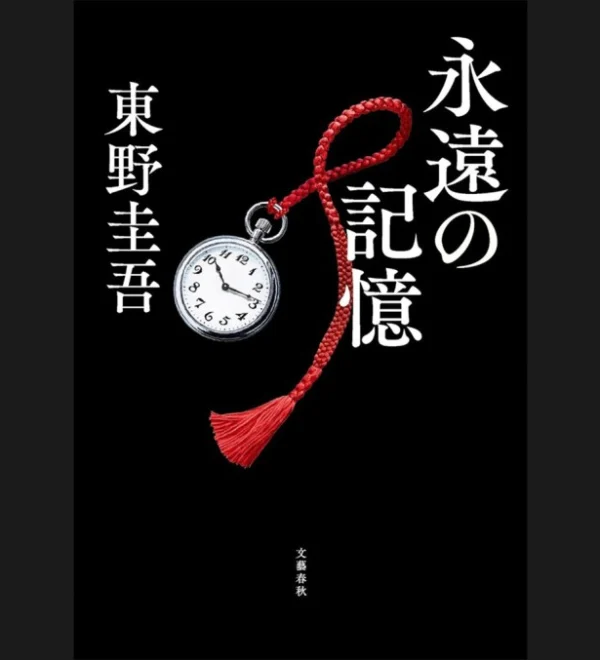 Keigo Higashino’s Posthumous Novel ‘Eien no Kioku’ Tops Billboard Japan Book Hot 100 With Record-Breaking Points
 Jonas Brothers Debut New Song ‘Listen When Sad’ on Tour: Release Date Revealed
 SB19’s A’TIN Breaks All-Time Record for Most Billboard Fan Army Face-Off Wins: Complete List of Winners