Differences Between Coppola’s Apocalypse Now and George Lucas’s Original Vision for the Film
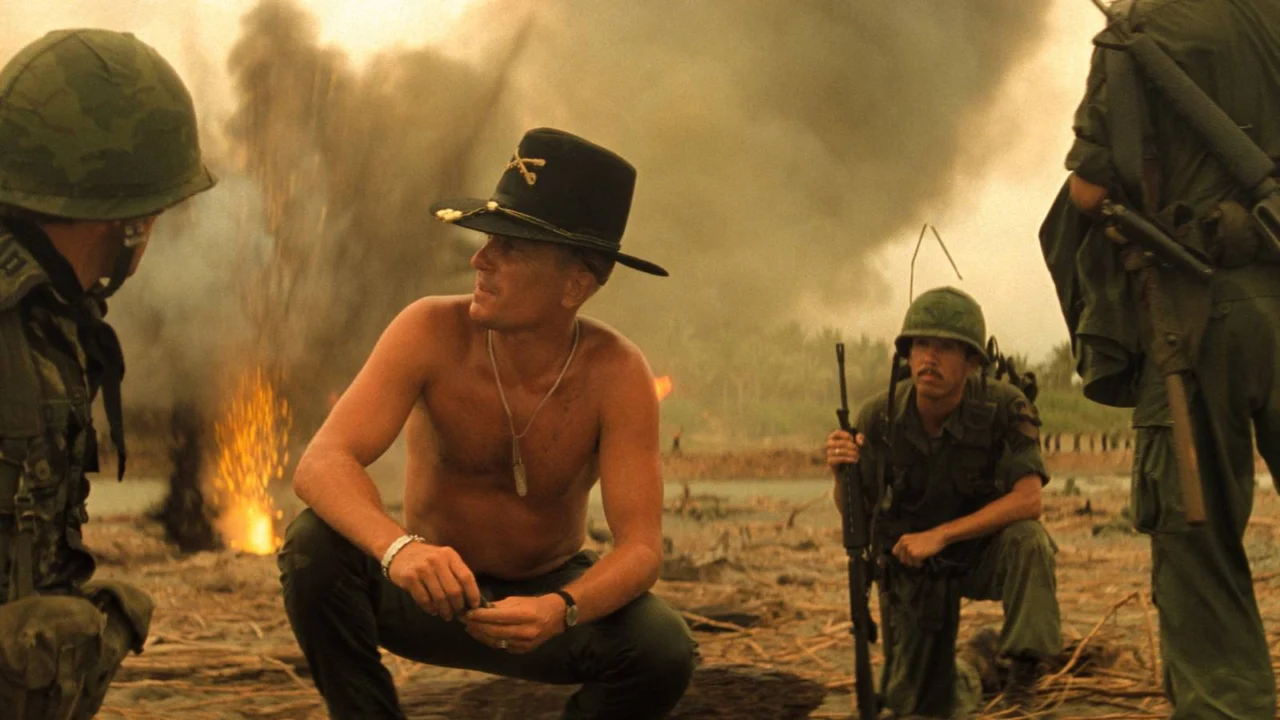
People toss around the phrase “War is hell,” but it fits Apocalypse Now in more than one way. Francis Ford Coppola took an unflinching look at the carnage of the Vietnam War. His story pits Army officer Benjamin L. Willard (Martin Sheen) against the rogue Colonel Kurtz (Marlon Brando). The film remains one of the greatest war movies ever made. Some movie buffs may be surprised to learn that Coppola wasn’t the first choice to direct it.
That honor went to Star Wars creator George Lucas. He was a major force behind the film. He and Steven Spielberg encouraged fellow filmmaker John Milius to write the movie, which is based on Joseph Conrad’s novel Heart of Darkness. Milius then championed Lucas as director, and the project spent four years in development. Lucas eventually moved on to American Graffiti and Star Wars: Episode IV – A New Hope. More details about his intended vision have surfaced in the years since Apocalypse Now debuted. Here are the biggest differences between what Coppola put on screen and what Lucas planned.
George Lucas wanted a grittier style
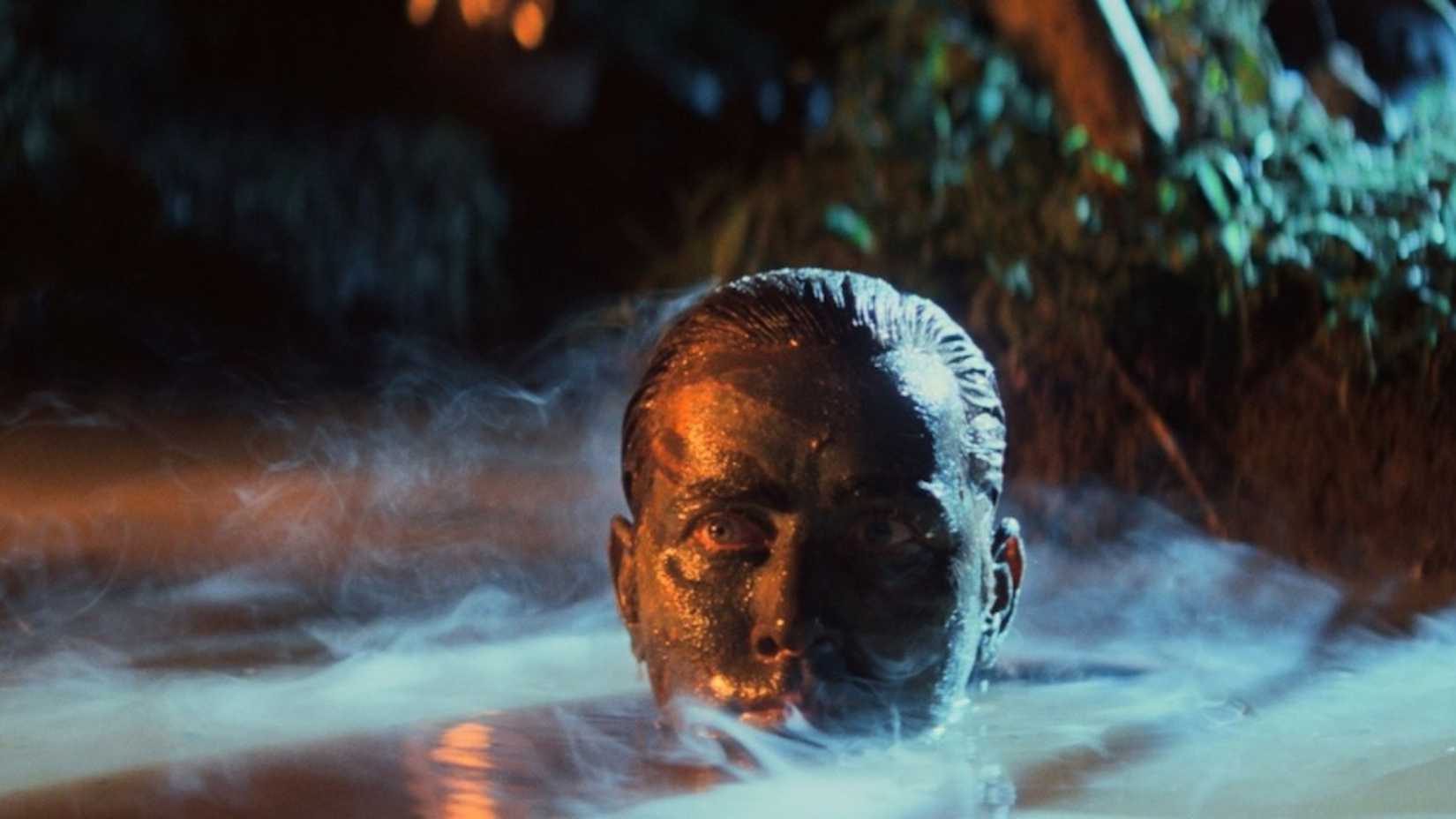
Coppola shot Apocalypse Now like a fever dream. Hazy fog and lights gave Willard’s trek through Vietnam an otherworldly feel. Lucas aimed for something more realistic. He wanted to use the style of cinéma vérité, a stripped-down approach that would make audiences feel they were watching war unfold rather than a movie. He also wanted to shoot in the Philippines to add to the realism.
The plan failed mainly because studios refused to fund a war movie while the Vietnam War was still going on. Lucas went on to develop Star Wars and handed the proverbial keys for Apocalypse Now to Coppola. Lucas and Milius had another idea that ran into a roadblock as well.
John Milius floated the idea of filming parts of the actual Vietnam War
Lucas wanted Apocalypse Now to feel like a real war movie, but Milius wanted to go further by using real Vietnam War footage. Gary Kurtz, Lucas’ longtime friend and producer, said this was the moment most studios recoiled. The war was an extremely divisive subject.
“It came pretty close, but then the studio started saying, ‘Why are we sending those hippies over there? They’re a bunch of nuts. Some of them will be killed. There’s a real war over there.’ So they stopped us. I mean, this was a time when there were riots in the streets about the war, and a studio executive is the last person who’s going to want to get involved in the middle of that.”
Coppola settled for shooting in Manila, and he faced his own struggles, particularly with funding. After Star Wars became a financial success, Lucas tried to buy the rights to Apocalypse Now so Coppola could finish it. Coppola finished the film on his own terms.
Lucas’ version would have cost far less
One appeal of cinéma vérité is that it costs less than a major blockbuster. A realistic approach focuses less on bells and whistles and more on capturing the moment. Lucas’ proposed budget for Apocalypse Now reflected that, coming to $2 million. The figure sounds small next to today’s movie budgets, and Lucas’ version never came to pass.
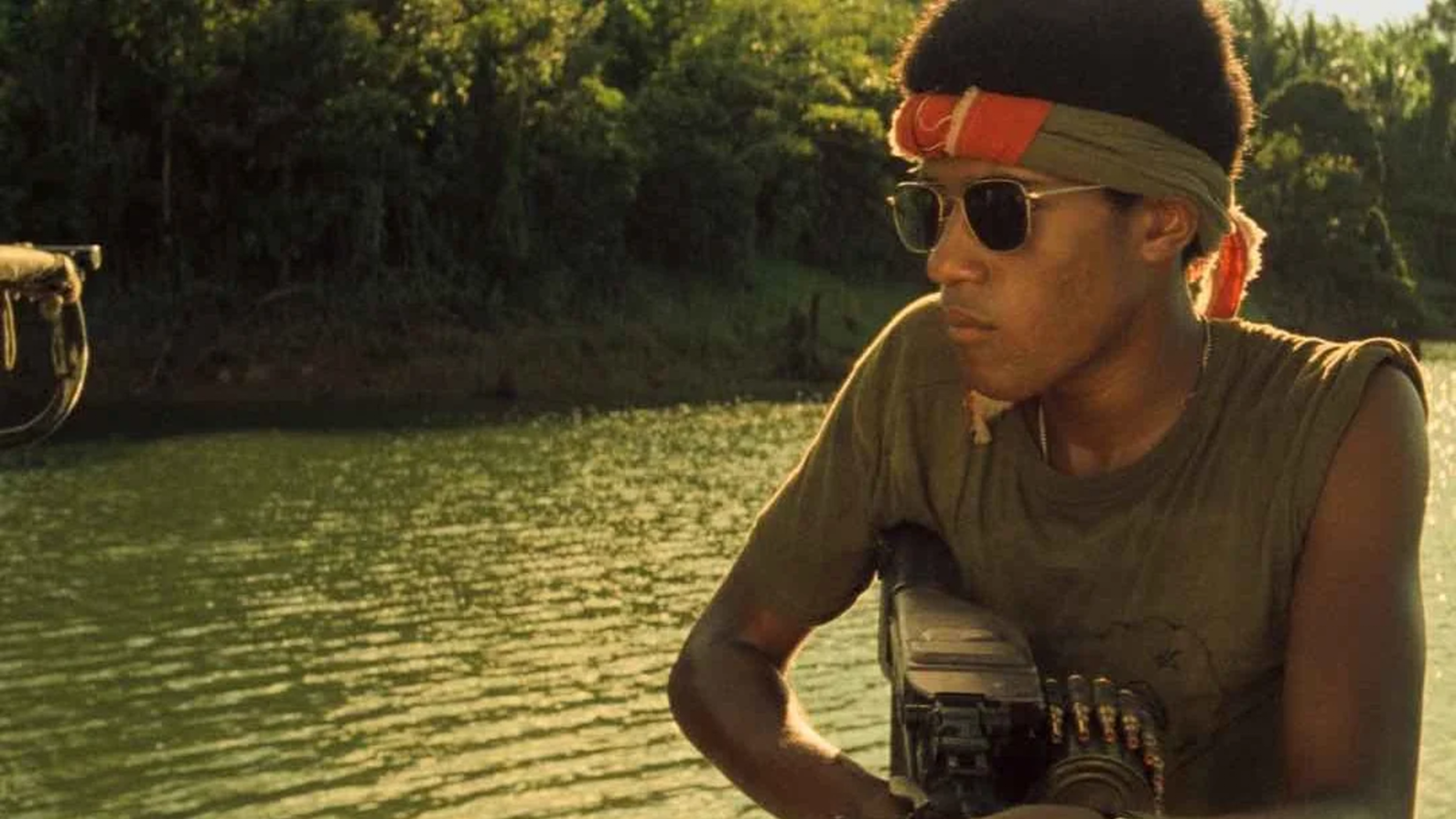
Coppola’s production ballooned in cost and wore down the cast and crew. Laurence Fishburne, who plays a young soldier called “Mr. Clean,” is the clearest example. He was 14 when he signed on, though he lied about his age. By the time production wrapped, he had turned 18. The shoot ran so long that he grew into the age he was pretending to be.
The original version had extremely dark humor
Today Apocalypse Now is regarded as a bleak parable about the different ways war can change a man. That wasn’t the original approach. Lucas and Milius first envisioned it as a black comedy, and the film took on its darker tone only in later rewrites. Some darkly funny moments survive, most of them involving Robert Duvall’s Colonel Kilgore.
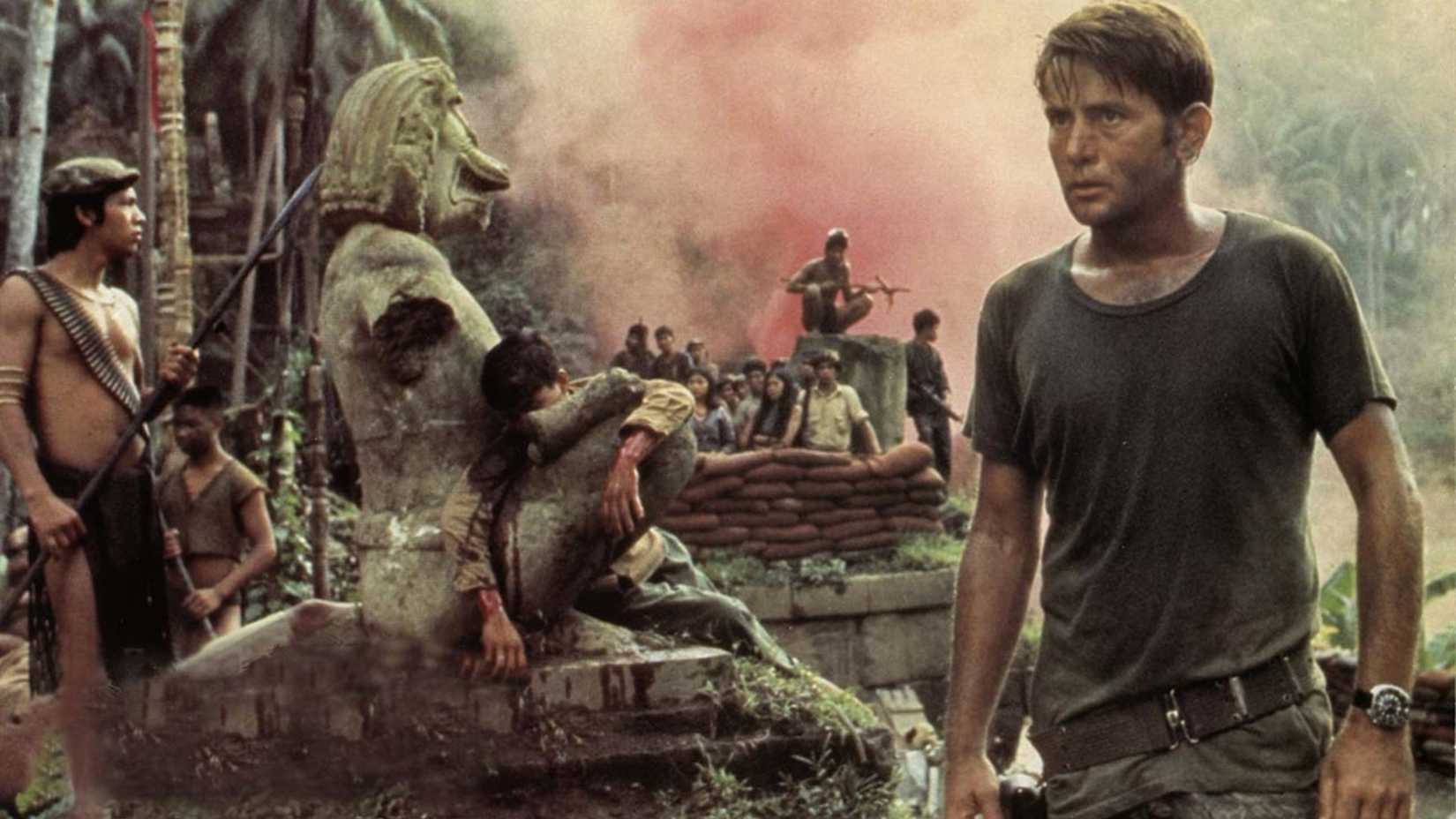
Duvall had earlier starred in the black comedy M*A*S*H*, which became famous for its spin-off TV series of the same name. His own thoughts on Apocalypse Now are no laughing matter. He said the production was a struggle to get through: “It was a nightmare, but fortunately no-one was killed.”
The ending would have been very different
The biggest change involves the final confrontation between Willard and Kurtz. In Coppola’s version, Willard hacks Kurtz to death with a machete, and the Colonel utters his last, infamous words: “The horror…the horror.” Milius’ version had the two men fight a firefight. Willard would go mad and shoot down the helicopter meant to take him home.
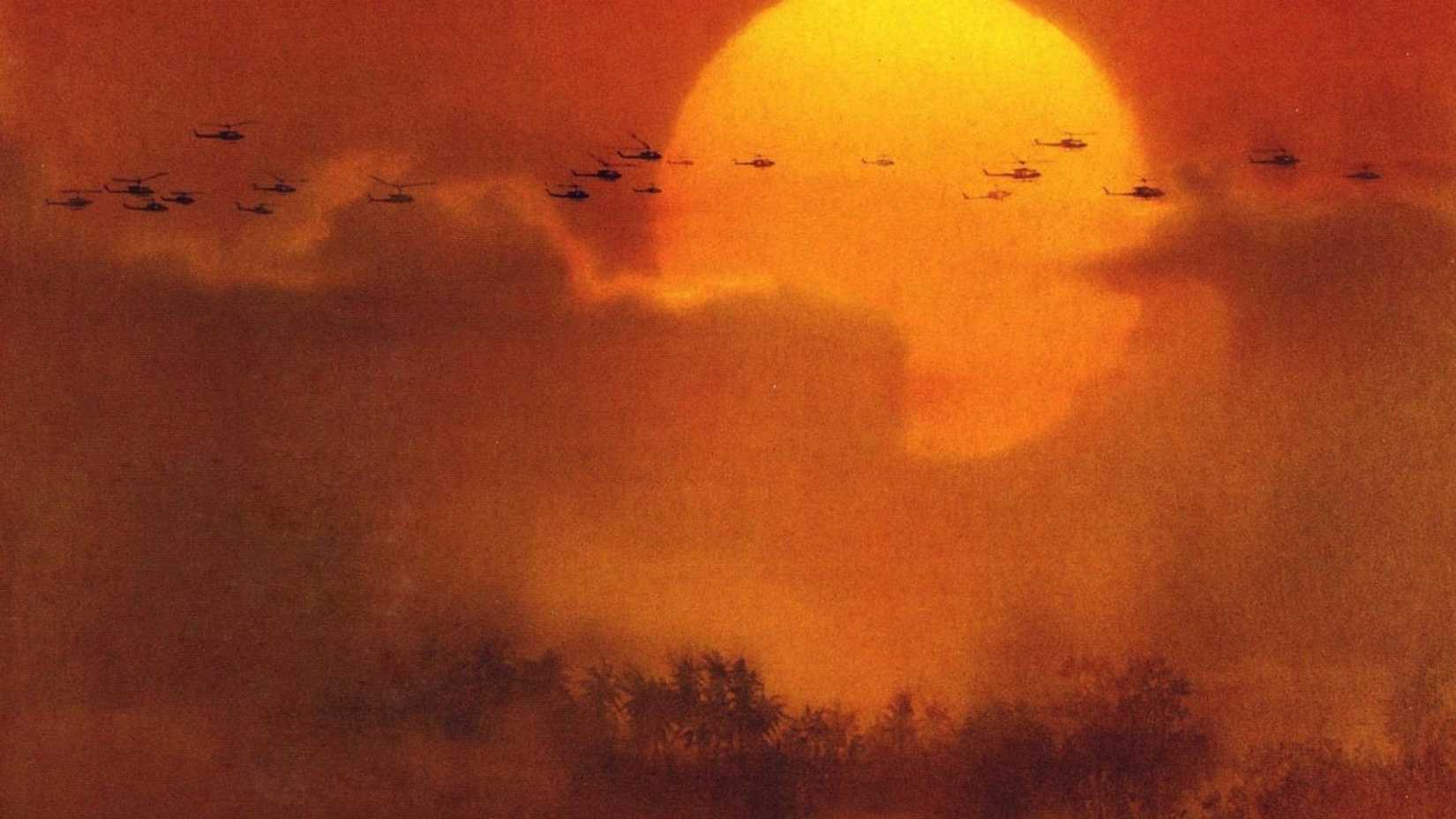
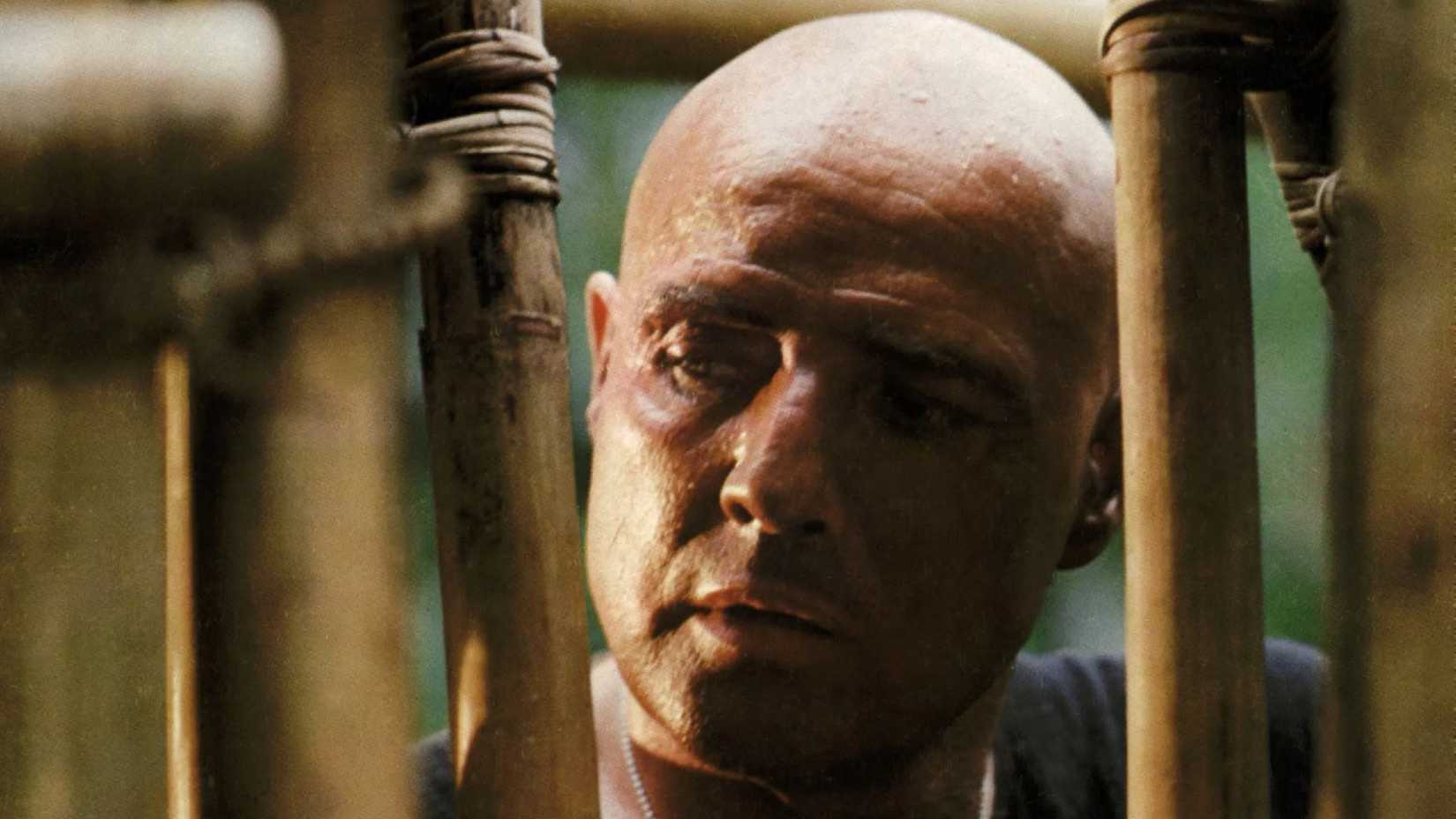
Coppola hated that ending and found it too simple. Meanwhile, Marlon Brando arrived on set completely unprepared for his role. He eventually threw himself into Kurtz and delivered an all-time performance that remains the height of his career.
George Lucas could no doubt have made an incredible version of Apocalypse Now. The result probably wouldn’t have been as impactful as Coppola’s.
Source: Polygon
Related articles
 Steven Soderbergh Steps In to Finish Principal Photography on “The Batman Part II” as Matt Reeves Steps Away
 The Blood of Dawnwalker Patch 1.1 to Remove Regional Censorship and Add New Features
 Euro Truck Simulator 2 and American Truck Simulator Launch Halloween Event Return to Brackenreach With New Rewards
 Battlefield 6 Is Temporarily Free, and a New UFO Easter Egg Has Drawn Criticism From Many Players
 Studio Behind Crime Action Game Samson Reportedly Goes Bankrupt, Leaving Employees Unpaid
 Modder Restores Cut Mass Effect 3 Multiplayer in Mass Effect Legendary Edition
 Sci-Fi Series on Netflix With Consistently Strong Runs From Start to Finish
 Video Memory Leaks Fixed in Bloodborne on PC, Improving Performance