Devilman Crybaby Is a Horror Anime Tragedy About Human Nature
Horror is one of anime’s most underappreciated corners. The medium can certainly produce depraved imagery, as Jujutsu Kaisen and Chainsaw Man show. Genuine horror beats often get buried under the industry’s focus on action, fantasy, and sprawling shonen adventures.
There are exceptions. The most striking is Satoshi Kon’s Perfect Blue. Mononoke uses surreal imagery to tell stories about human suffering. Higurashi: When They Cry turns a seemingly idyllic rural community into a place of unimaginable cruelty. Even the much-derided 2024 Uzumaki series opened with a terrifyingly bleak first episode.
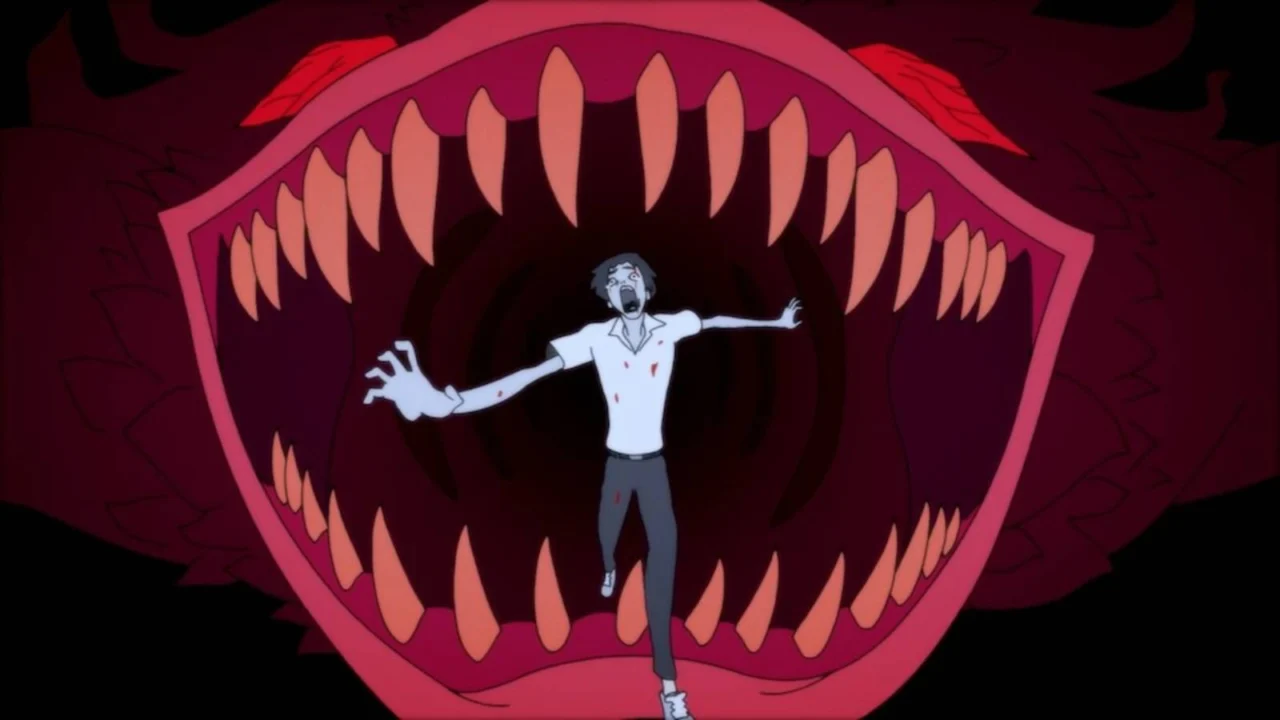
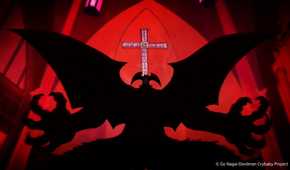
If you want an anime that understands how horror can be both visually repulsive and emotionally devastating, try Devilman Crybaby. Netflix released Masaaki Yuasa’s 10-episode adaptation of Go Nagai’s Devilman in 2018. It is a spectacularly gruesome descent into the apocalypse.
The story centers on Akira Fudo, a sensitive young man who is forced into a horrific union with a demon so he can defend humankind from an existential threat. He gains immense power without losing his empathy. Akira becomes a walking paradox, a creature born of unimaginable violence who still weeps for mankind. That tension drives the narrative and probes the fragile line between humanity and monstrosity.
Devilman Crybaby makes humanity its most frightening monster
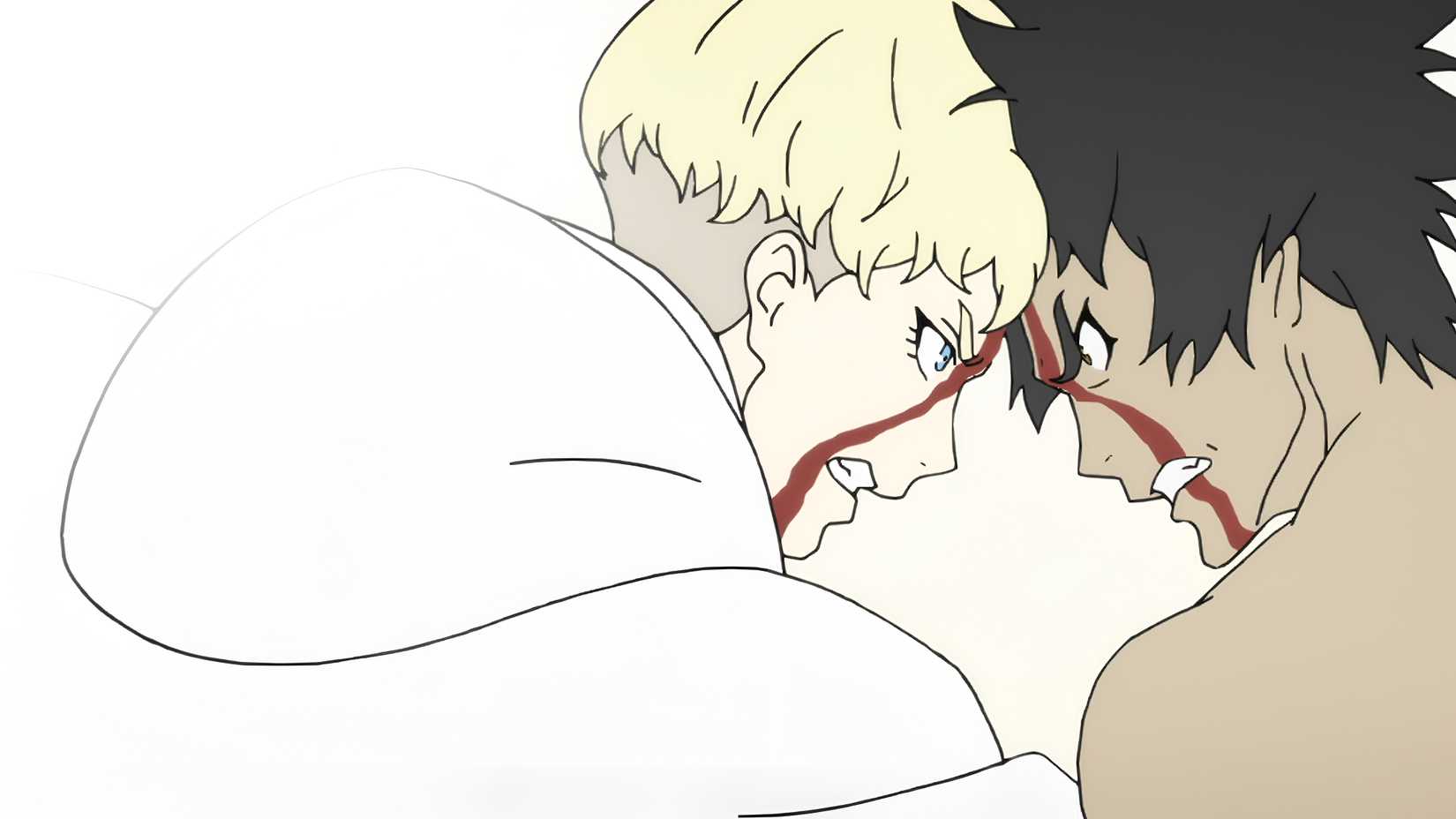
Crybaby works because its violence is never merely superficial. Yuasa focuses mainly on the collapse of human empathy. As demonic infestation spreads across the globe, humanity buckles under its own paranoia. Neighbors turn on each other in a desperate and misguided bid for survival.
Neighborhood watch groups become armed vigilantes. Public broadcasts amplify xenophobic panic. Ordinary citizens start executing anyone who shows “suspicious” behavior. The series shares a lineage with Naoki Urasawa’s Monster and Andrzej Sapkowski’s The Witcher. In those stories, literal monsters act as a mirror and reveal that human cruelty is far more terrifying than any beast’s predatory instinct.
Nagai’s 1972 manga used demonic violence to explore the horrors of war and self-destruction. Yuasa retools that dread for a modern age of social media witch hunts, sensationalism, and digital outrage.
The tabloid blogger Nagasaki is a clear example. He weaponizes shock-value footage of demon encounters posted on social media to spark viral mass panic. Then there is the star athlete Koda. His televised breakdown at a track meet turns a personal tragedy into a public spectacle after Ryo exposes him as a demon.
Demonic force alone does not trigger the apocalypse in Crybaby. It unfolds because a panicked humanity gives up empathy so eagerly when it faces what it fears most.
Devilman’s influence runs through anime’s darkest stories
Nagai’s original Devilman established a brutally pessimistic vision of humanity that helped shape generations of dark fantasy and horror. Its influence shows in works as varied as Berserk and Neon Genesis Evangelion. Both explore the terrifying consequences of power and humanity’s capacity for destruction.
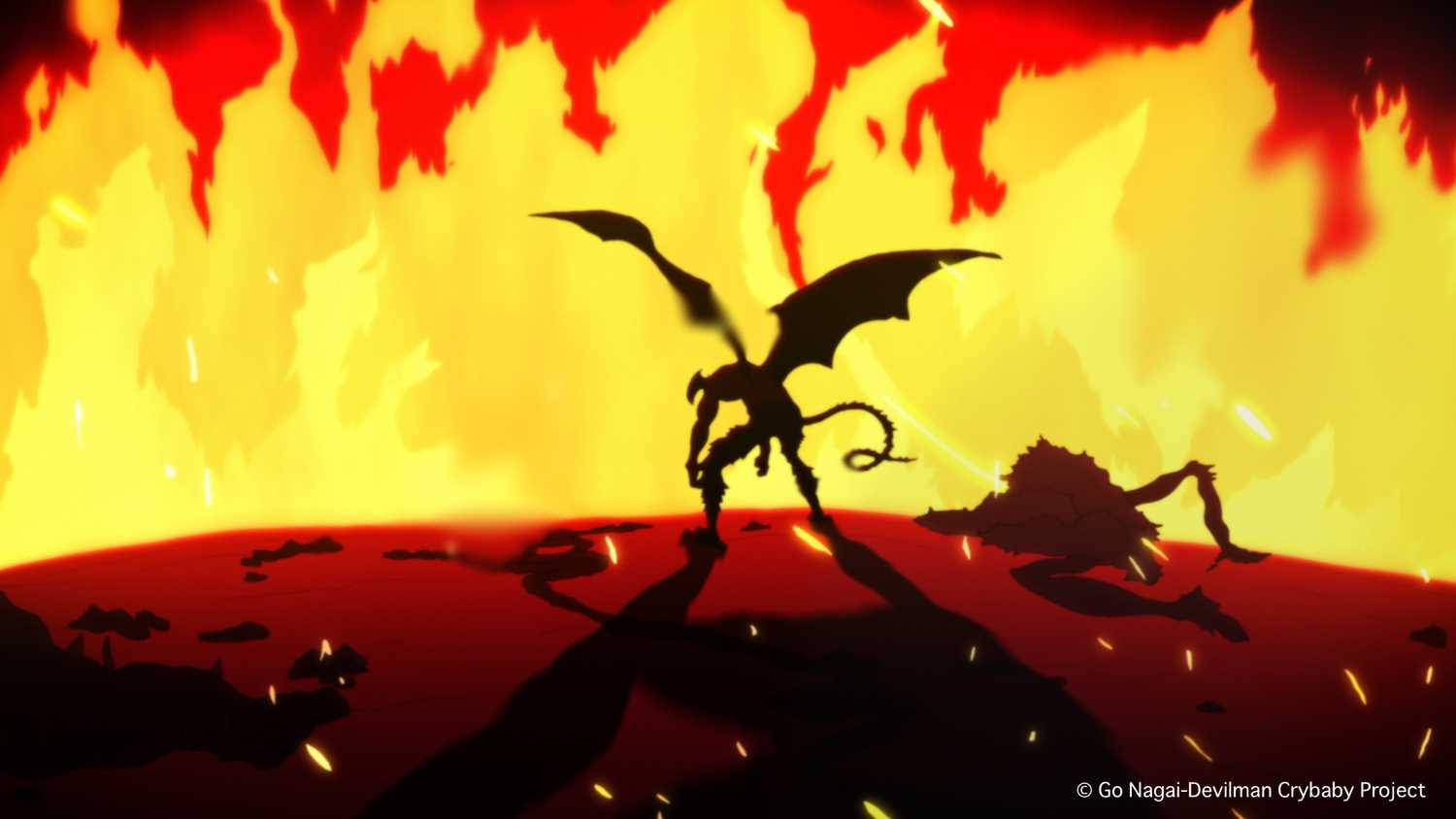

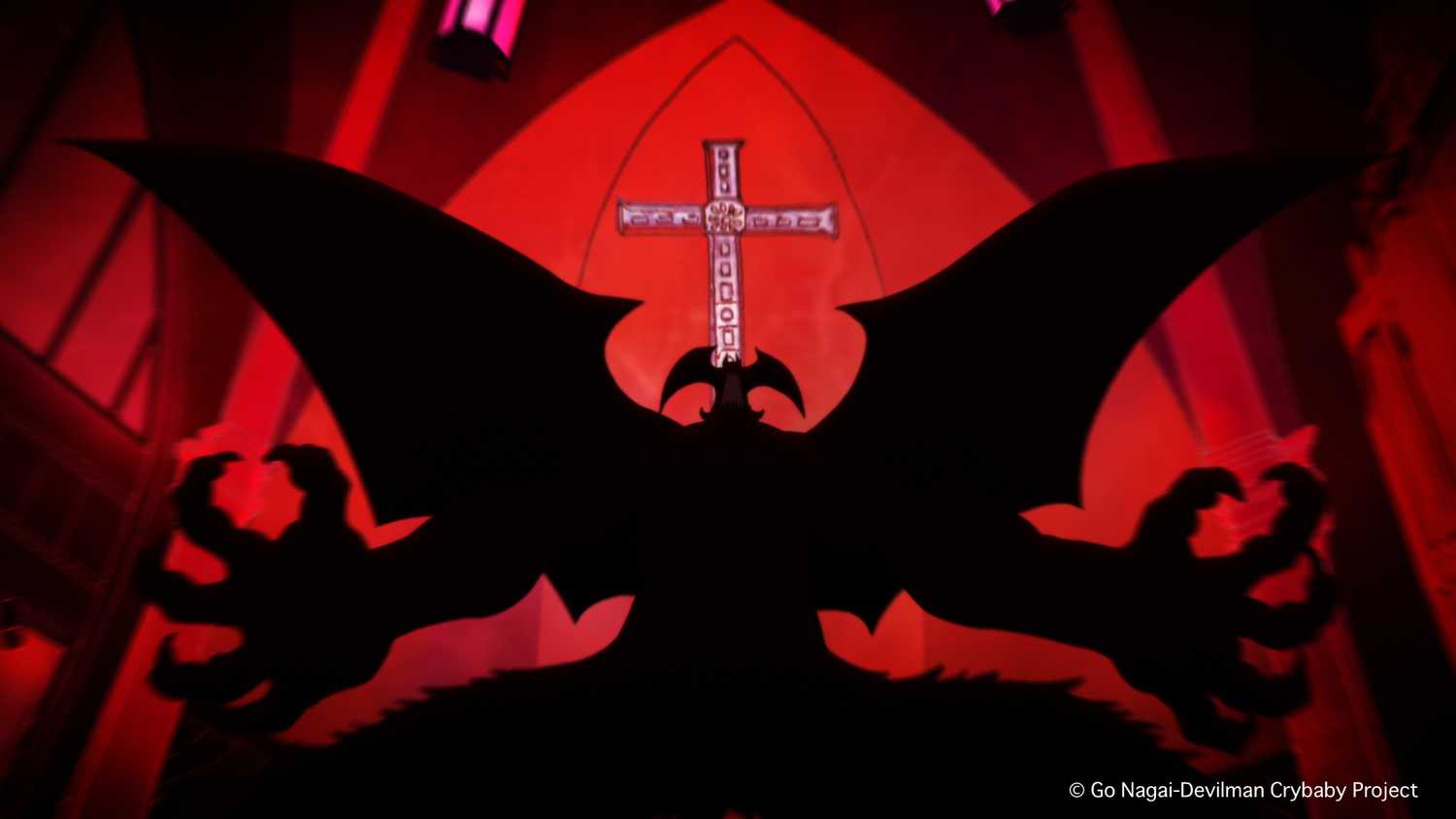
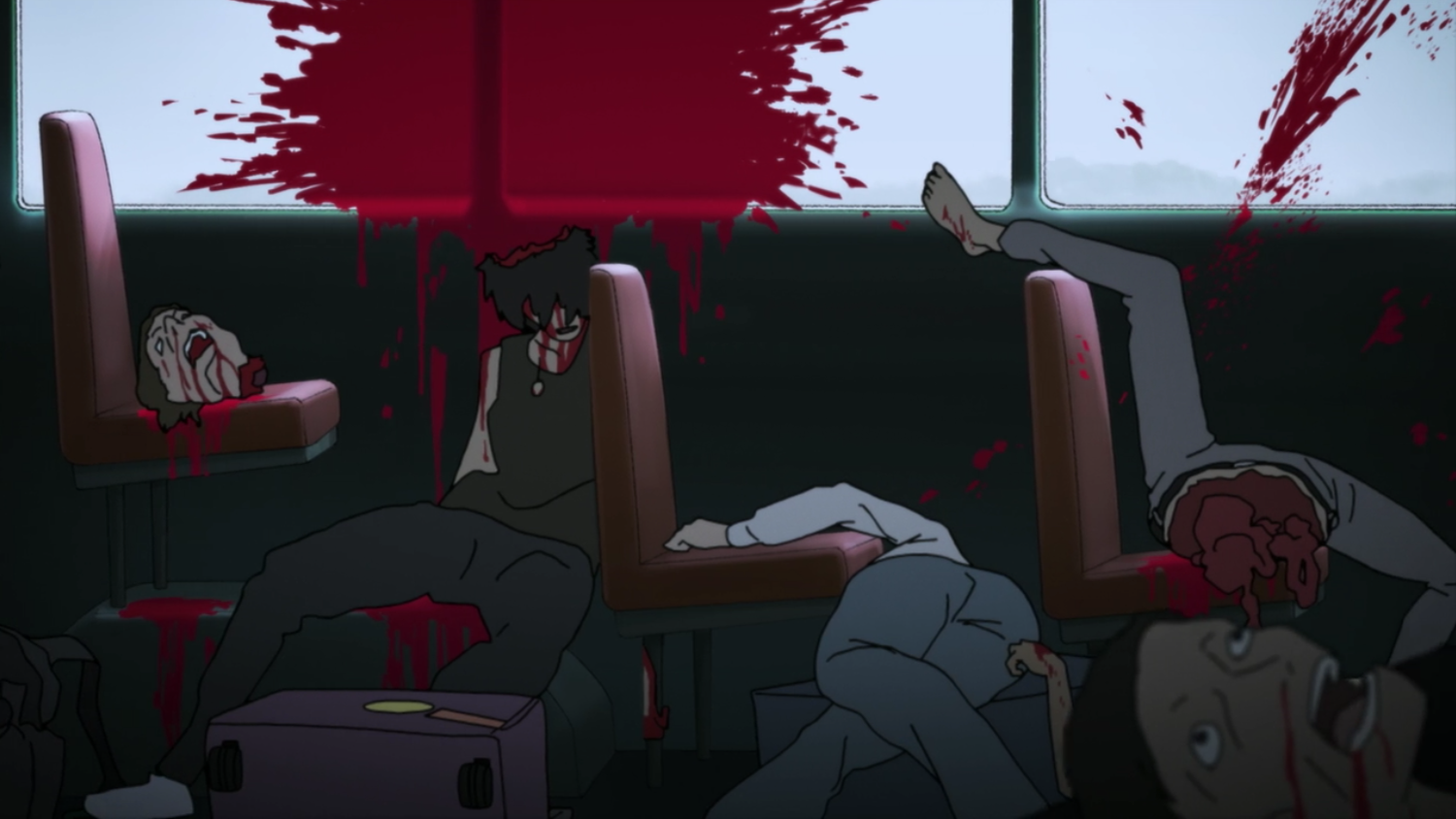
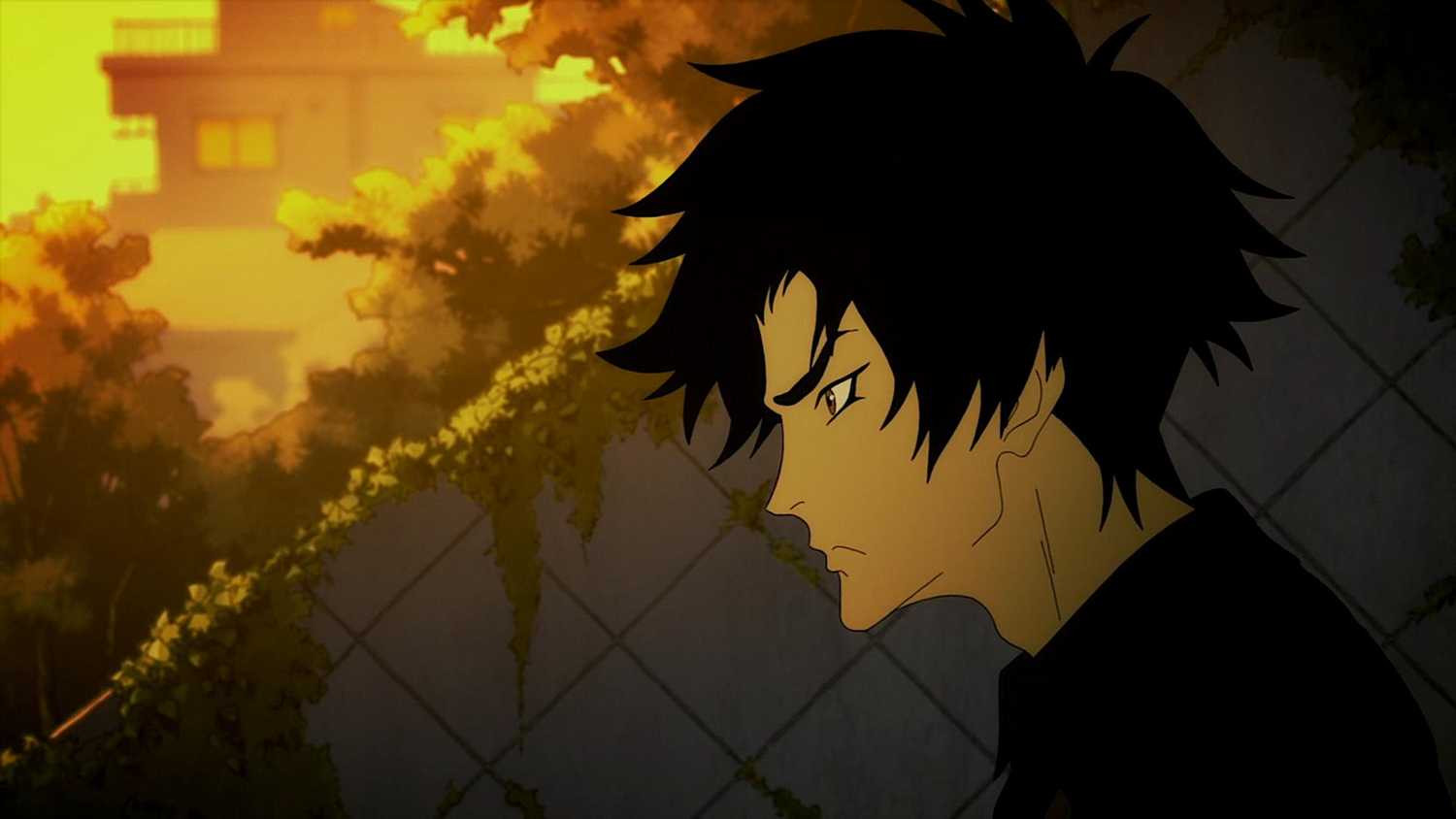
Earlier adaptations include the 1987 OVA Devilman: The Birth and its 1990 follow-up, The Demon Bird. They brought Nagai’s grotesque monster designs and apocalyptic sensibilities to the screen through some genuinely unforgettable imagery.
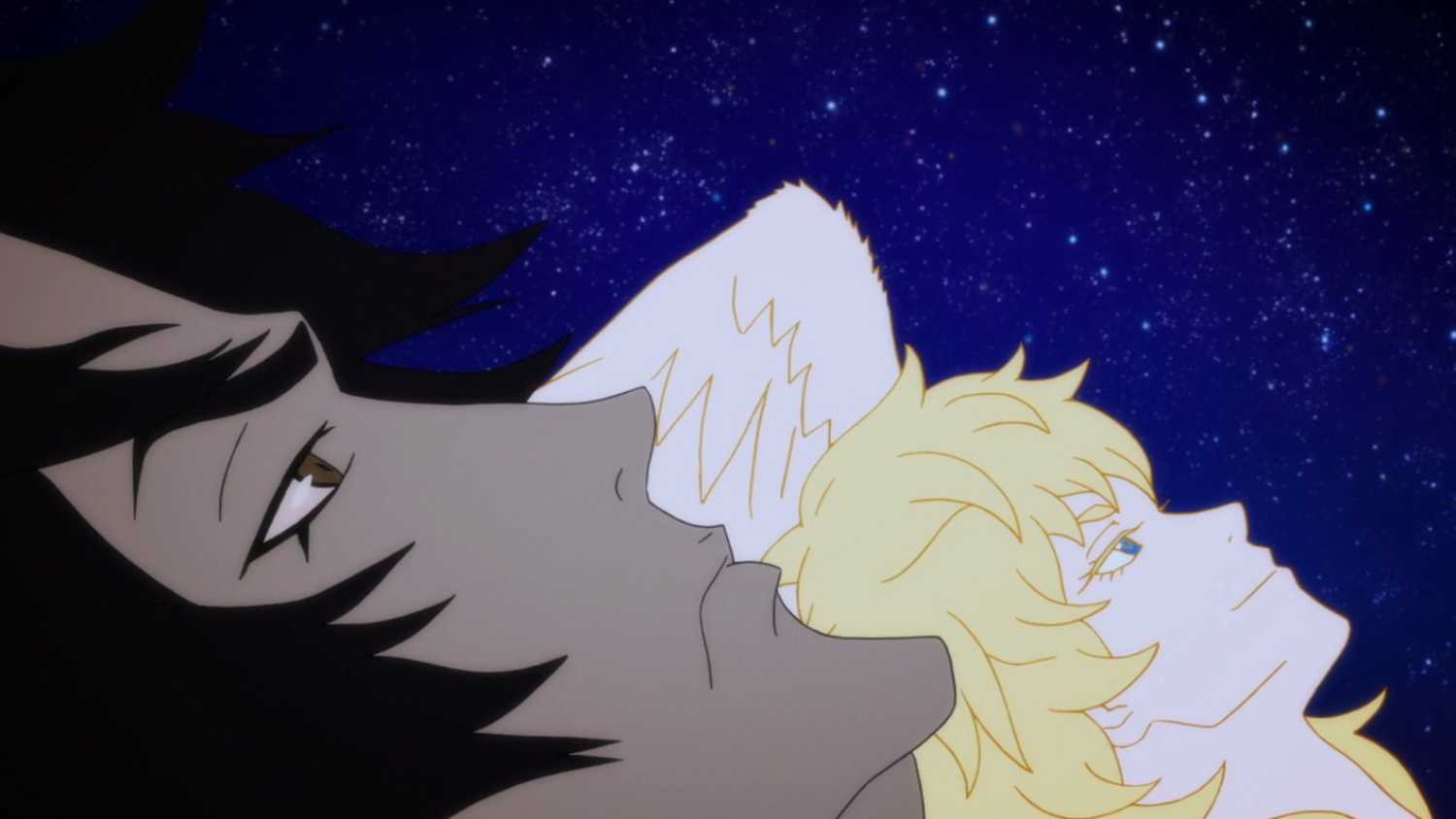
The manga remains a landmark of dark fantasy. Sirene’s duel with Devilman was revolutionary for its time, a brutal and eroticized clash of wills that redefined the genre. What lifts the fight above a simple monster-versus-hero battle is the tragic devotion beneath the carnage.


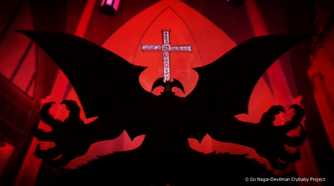
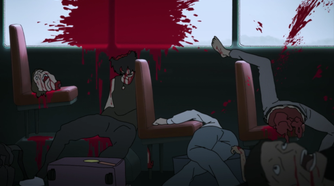

When Sirene starts losing to Akira, her companion Kaim offers his own body so she can keep fighting. He willingly sacrifices himself to help her win. The moment is startlingly tender in an otherwise brutal story. It shows that demons can feel the same fierce loyalty and selflessness we associate with humanity. In a manga so preoccupied with the blurred line between human and monster, Kaim’s sacrifice complicates that distinction even more.
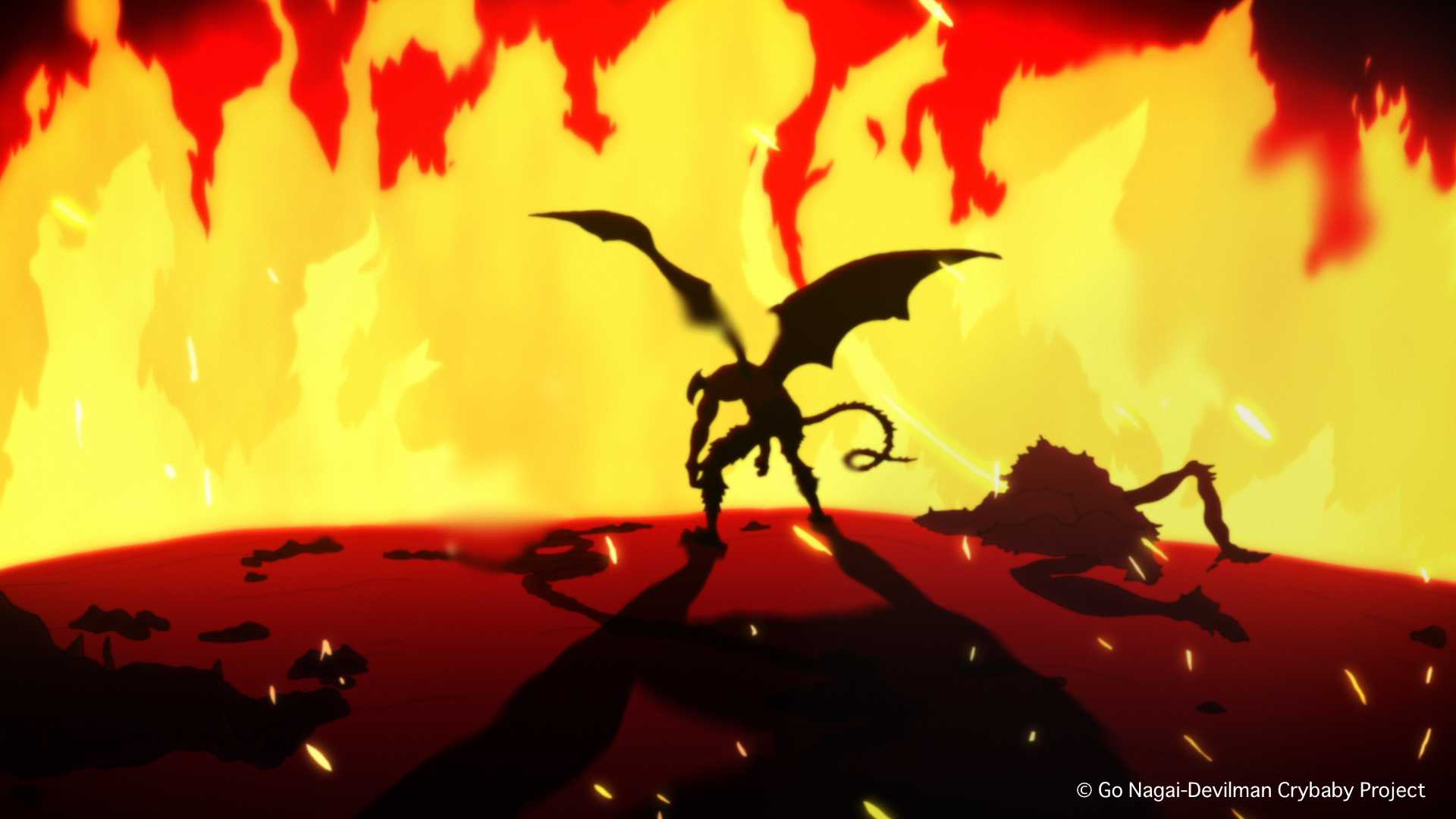

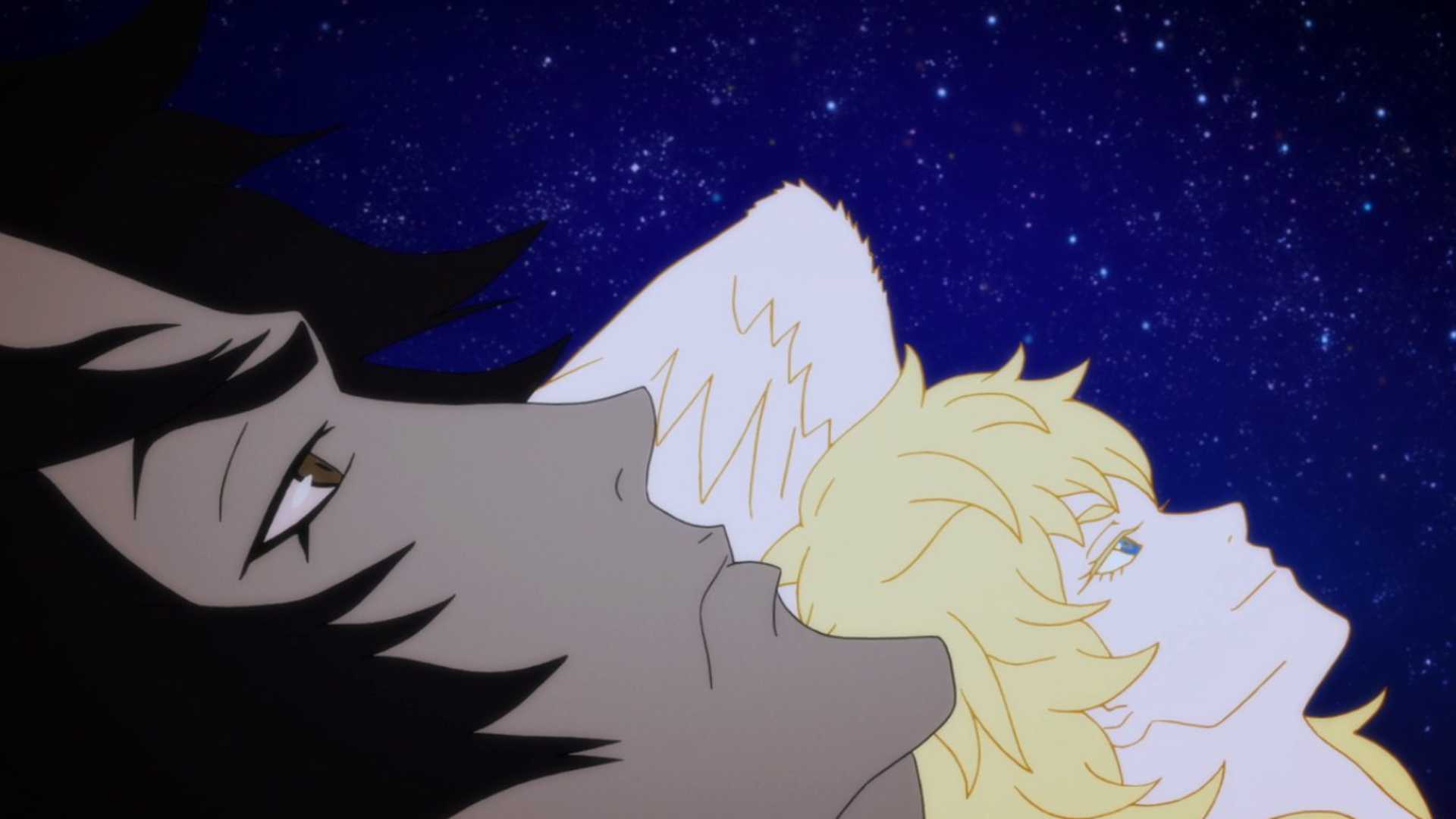
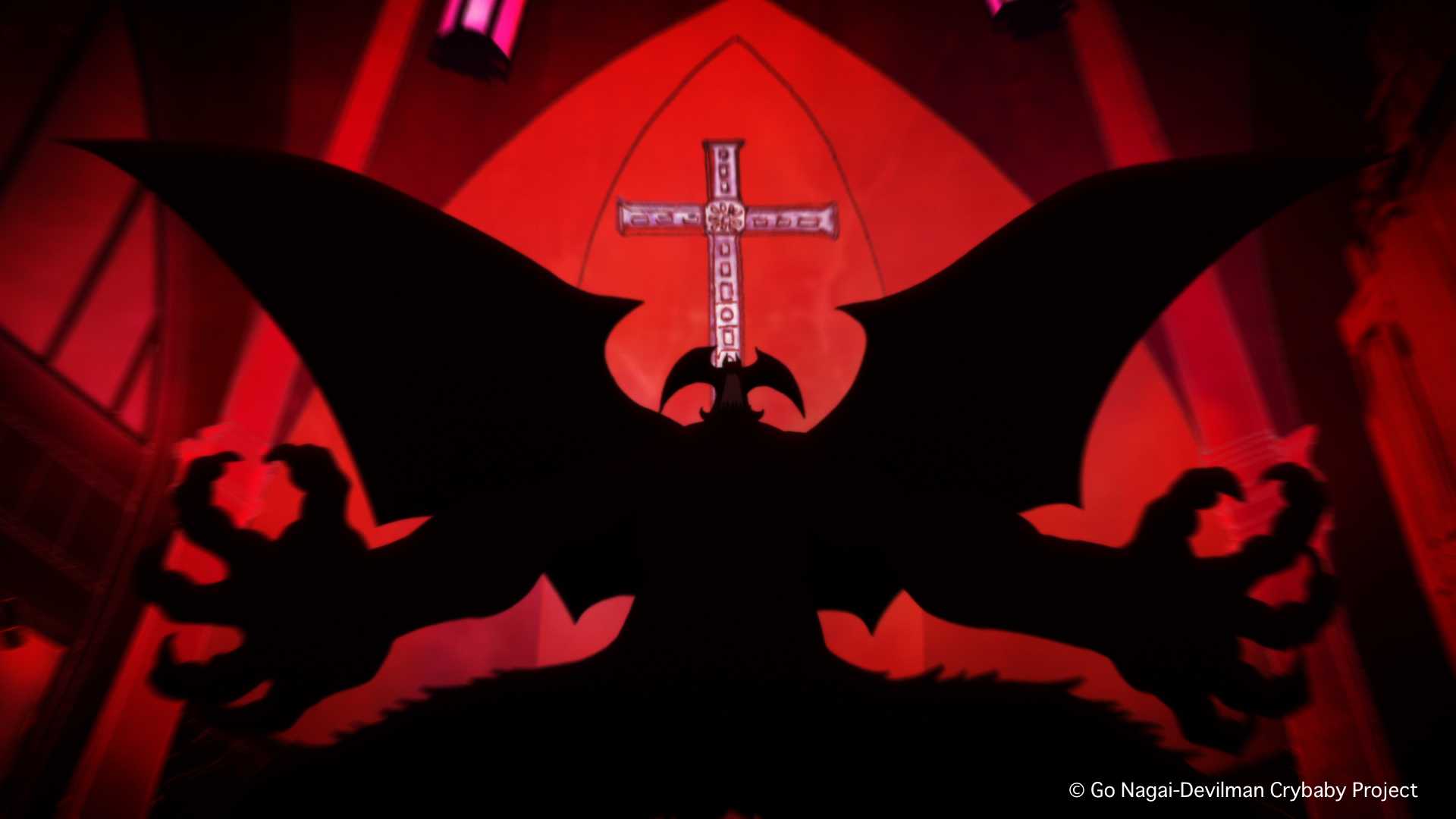
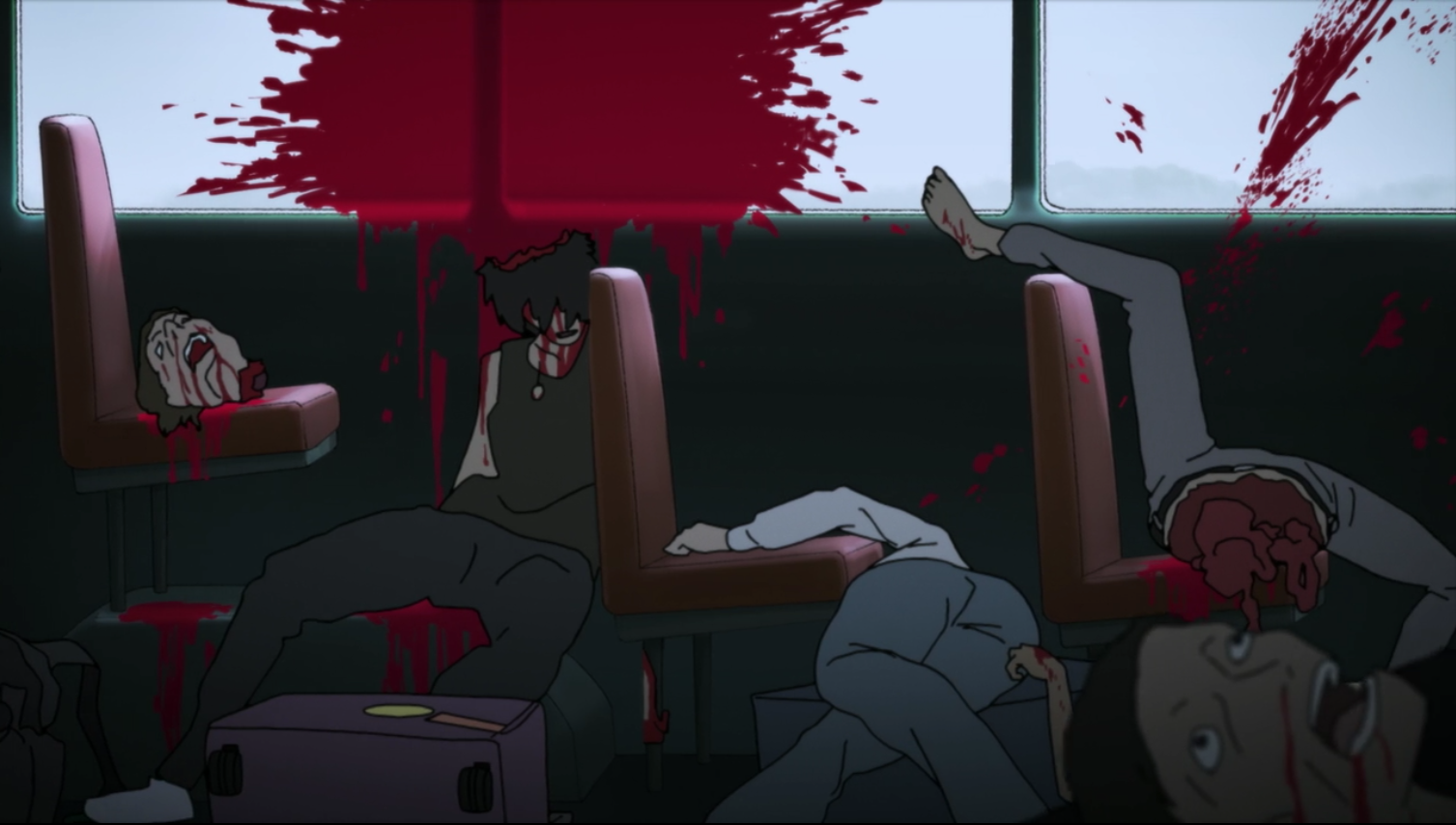
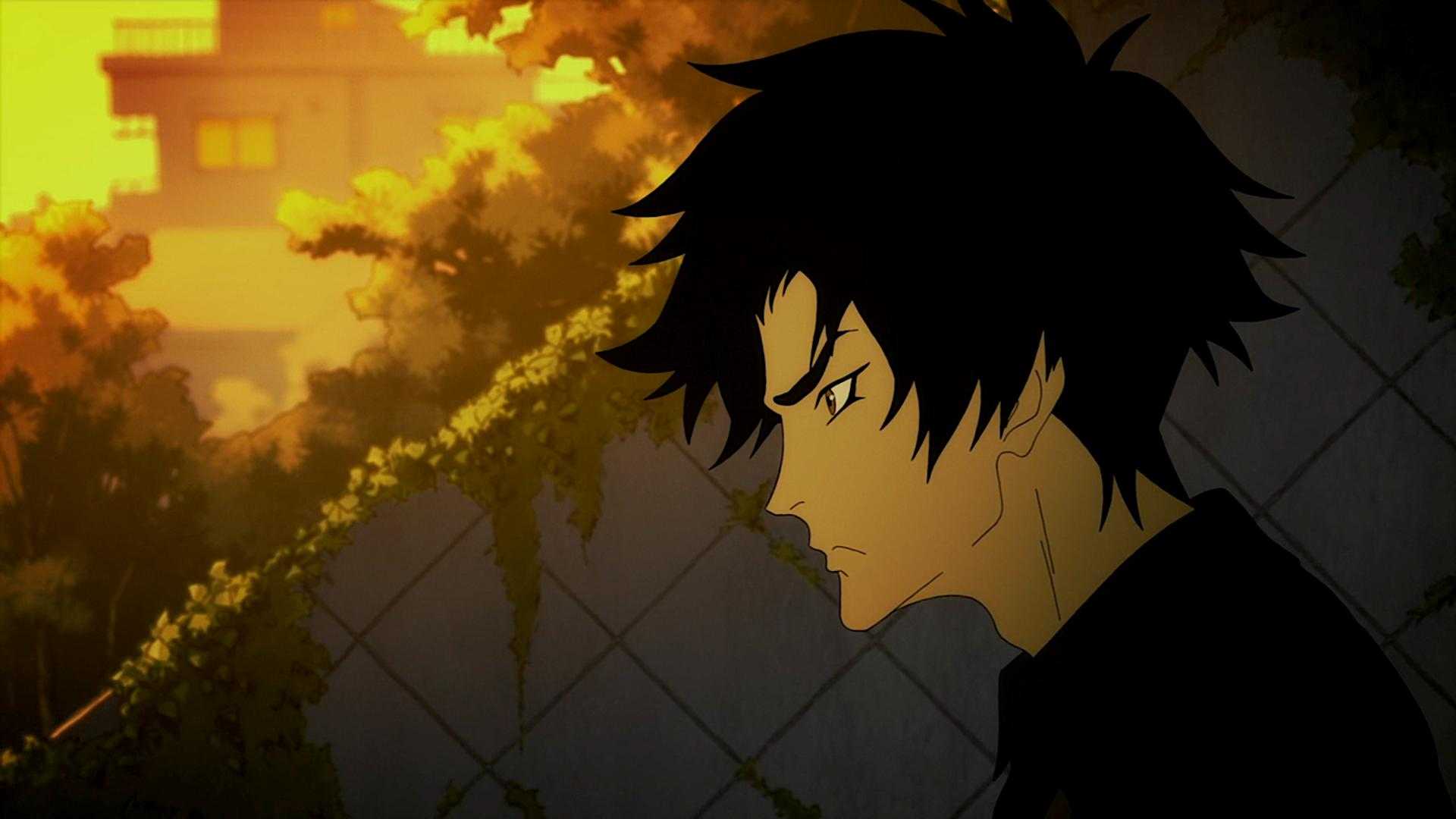
Yuasa keeps that visceral gut punch in Devilman Crybaby and deepens the tragedy with his signature hyper-fluid animation. He noted in interviews that Crybaby is ultimately a story about passing love and grief down like a baton. Sirene’s arc serves as the first spark in that relay.


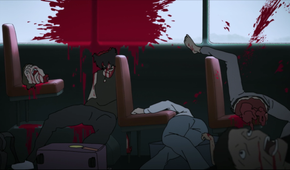

Kensuke Ushio’s propulsive electronic score accompanies the encounter. Together, the animation and music lift the scene above gore-soaked spectacle and make it play out like an unsettling poem about the tragedy of mortality.
Beneath its apocalyptic chaos, Devilman Crybaby endures as a profound meditation on love and human vulnerability. Akira’s capacity to weep becomes his most potent power. It keeps a center of empathy alive even as society surrenders to monstrous paranoia.
The conclusion is undeniably tragic. Yet it achieves something rare in modern horror by making every loss and heartbreak carry genuine weight. The series is a triumphant adaptation and one of dark fantasy’s highest benchmarks.
Source: Polygon
Related articles
 Beyond Good & Evil 2 Still in Pre-Production 18 Years After Its Announcement
 Hellraiser: Revival Developers Wanted the Game Banned in at Least One Country, but It’s Now Available Even in Australia
 Control Resonant Includes an Alan Wake Reference Unrelated to Remedy’s Next Game
 Rumor: Xbox Plans Three More Rounds of Layoffs
 CD Projekt Red Reveals Cyberpunk 2077 Update 2.5 Patch Notes With New Edgerunners 2 Quest, Dual-Wielding and Mod Support
 Phantom Blade Zero Will Get a Physical Release, But There’s a Catch
 Helldivers 2 Receives Thousands of Negative Reviews After Update Breaks Popular Mod
 The Rings of Power Season 3 Gets a New Trailer