D&D’s Arcana Unleashed Officially Solves One of the Game’s Most Frustrating Problems
Imagine Kellnor, a hulking, Conan-esque Barbarian with a formidable weapon in each fist. In one hand is a demonic blade he seized from the Cult of Asmodeus. In the other is Azuredge, a radiant battleaxe forged by the legendary archwizard Ahghairon. A sentient weapon, it houses the spirit of Lady Lauroun, a celebrated hero of Waterdeep. It follows rules strikingly close to those of Thor’s Mjolnir. It grows impossibly heavy in the grip of anyone unworthy, and it can be hurled across the battlefield before flying back to its master’s hand.
Sadly for Kellnor, Azuredge insists that its bearer stay virtuous. Sharing a wielder with a wicked sword was out of the question.
The numbers made his decision all but certain anyway. The demon blade offered a +2 bonus, while Azuredge offered +3. Once Kellnor pried the Eye of Golorr from the sword’s hilt, he simply abandoned the weapon outside the cult’s hideout and walked away. The other do-gooders in the party wanted nothing to do with it either.
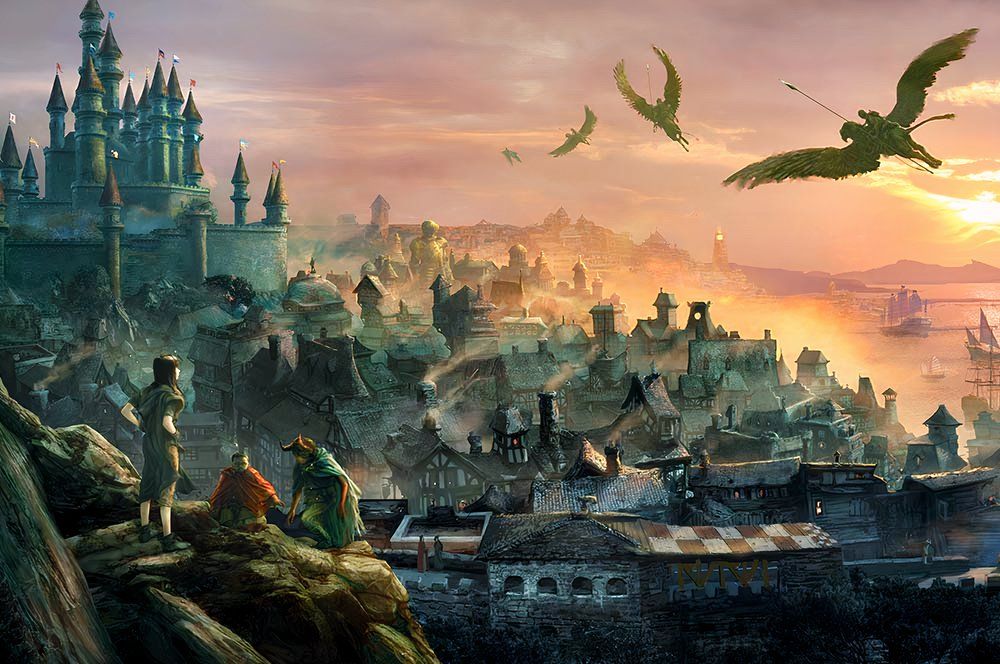
All of this unfolded in a heavily customized run of Waterdeep: Dragon Heist that I ran for my Dungeons & Dragons group years ago. The adventure has the heroes weaving between rival factions as they hunt for three Eyes of Golorr, which together unlock a vast treasure hidden somewhere in the city. I had personally hidden one of those Eyes inside the sword, making it a key thread in the campaign’s central mystery. By introducing Azuredge as well, I ended that thread before it had a chance to develop.
What if Kellnor had kept the blade? Would the Cult of Asmodeus have pursued him for the rest of his days? Could the sword have gradually twisted him until he joined the cult, perhaps even rising to lead it? Those story possibilities disappeared the moment a stronger weapon arrived.
This is one of D&D’s most stubborn problems. Characters grow more powerful, but the items they carry mostly do not. A sword might hold years of history, recall a bond with a mentor, or commemorate a hard-won victory. Sooner or later, though, its owner finds something with a bigger bonus and better abilities, and sentiment gets stuffed into the backpack.
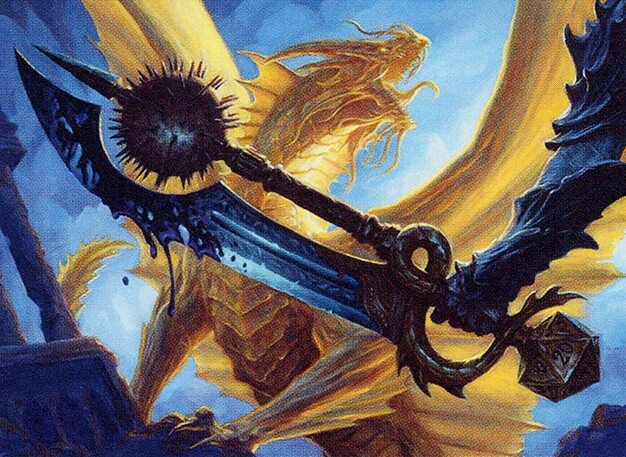
The newest D&D book, Arcana Unleashed, offers an official fix. Its new Evolving Magic Item system lets gear climb in rarity and unlock new features as its wielder hits major milestones. A plain, uncommon item can eventually become a legendary relic.
“Do you want to keep using your less-good item, or do you want a more powerful item, and you just keep your incredibly important-to-you heirloom in your backpack?” Arcana Unleashed lead designer Amanda Hamon asked Polygon in a video interview. “That’s a decision that we don’t necessarily want players to have to make. That’s what this is solving.”
Magic items can level up alongside their heroes
Evolving magic items have existed in D&D before. An early form appeared in the 3.5e book Weapons of Legacy, where mundane “legacy items” earned experience points and gained levels with their owners. Fifth Edition has its own narrower takes as well. The Vestiges of Divergence from Critical Role’s Explorer’s Guide to Wildemount awaken into increasingly potent forms. The Dragon’s Wrath Weapons in Fizban’s Treasury of Dragons also grow stronger, but only through long exposure to a dragon’s hoard.
The catch is that those items are tied to specific settings, histories, circumstances, or an earlier edition’s rules. Arcana Unleashed turns the concept into a flexible system that fits nearly any campaign or object.
“This is a little bit more setting- and context-agnostic,” Hamon said. According to her, the item doesn’t need to come from a dragon’s hoard, and it doesn’t need to be bound to a particular campaign or storyline.
The system grew out of an early brainstorming session about which new rules the book might introduce. Designer Carl Sibley pitched evolving magic items, and the idea grabbed Hamon right away. The two shaped the concept together. Sibley drafted the rules and the book’s pre-built evolving items, and designer Makenzie De Armas then reviewed an early draft.
The finished framework scales to different levels of complexity. Its simplest option formalizes a trick many DMs already use. Rather than swapping a character’s beloved +1 longsword for an unrelated +2 longsword, the original weapon just becomes +2.
Hamon suspects plenty of DMs have done this for years. Instead of going through the hassle of explaining that the sword was lost and another found, she said, they simply level the weapon up.
Random progression or deliberate evolution
Arcana Unleashed supplies a clean progression system that can take even a humble +1 sword and develop it over time. It includes tables of properties for Rare, Very Rare, and Legendary items. DMs can roll on the tables or choose specific properties to shape the weapon’s character. A low-level Paladin’s ordinary sword might gain “Crusading” and become rare, letting its wielder cast Crusader’s Mantle to fill allies’ attacks with radiant damage. At very rare, it might pick up Paralyzing, which grants access to Hold Monster. At legendary, the Heliacal property lets the user cast Sunburst, unleashing a blast of radiant light that deals tremendous damage.
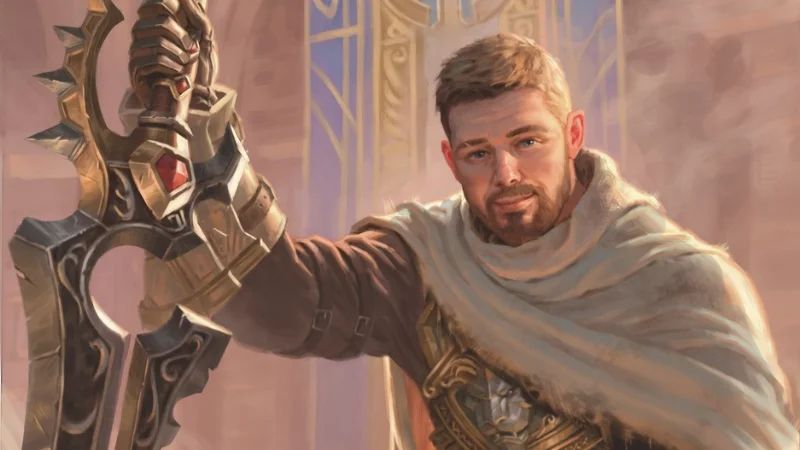
Other property choices could turn that same sword into something that terrifies enemies, conjures frost, or even reverses gravity. Rolling randomly is certainly in the spirit of the game. Still, I find it more compelling for the DM to choose properties in response to what the player actually does. If that same hypothetical Paladin slays a vampire, perhaps the sword gains the Withering property, allowing its wielder to cast Blight or Vampiric Touch.
Hamon said the hardest part to fine-tune was presenting a balanced way for these items to rise in rarity. The team had to create options that were mechanically equivalent without being identical, and that still carried real flavor.
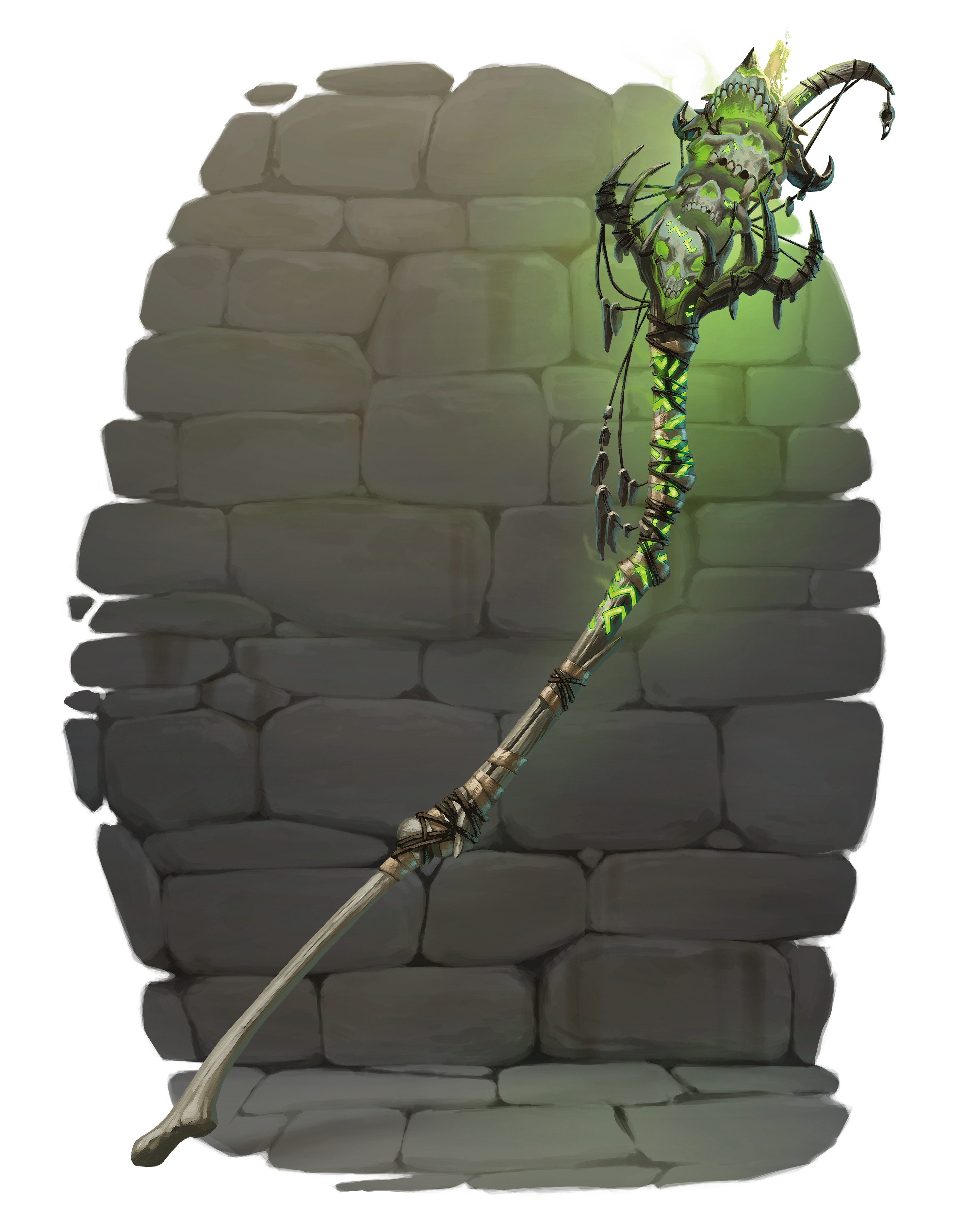
For anyone who’d rather not build a whole progression, Arcana Unleashed also includes five ready-made evolving items: the Blossom Rod, Idol of Good Fortune, Keyholes Dagger, Staff of Skulls, and Waveswept Weapon. Each keeps its core identity as it grows stronger, and each stage has an evocative name.
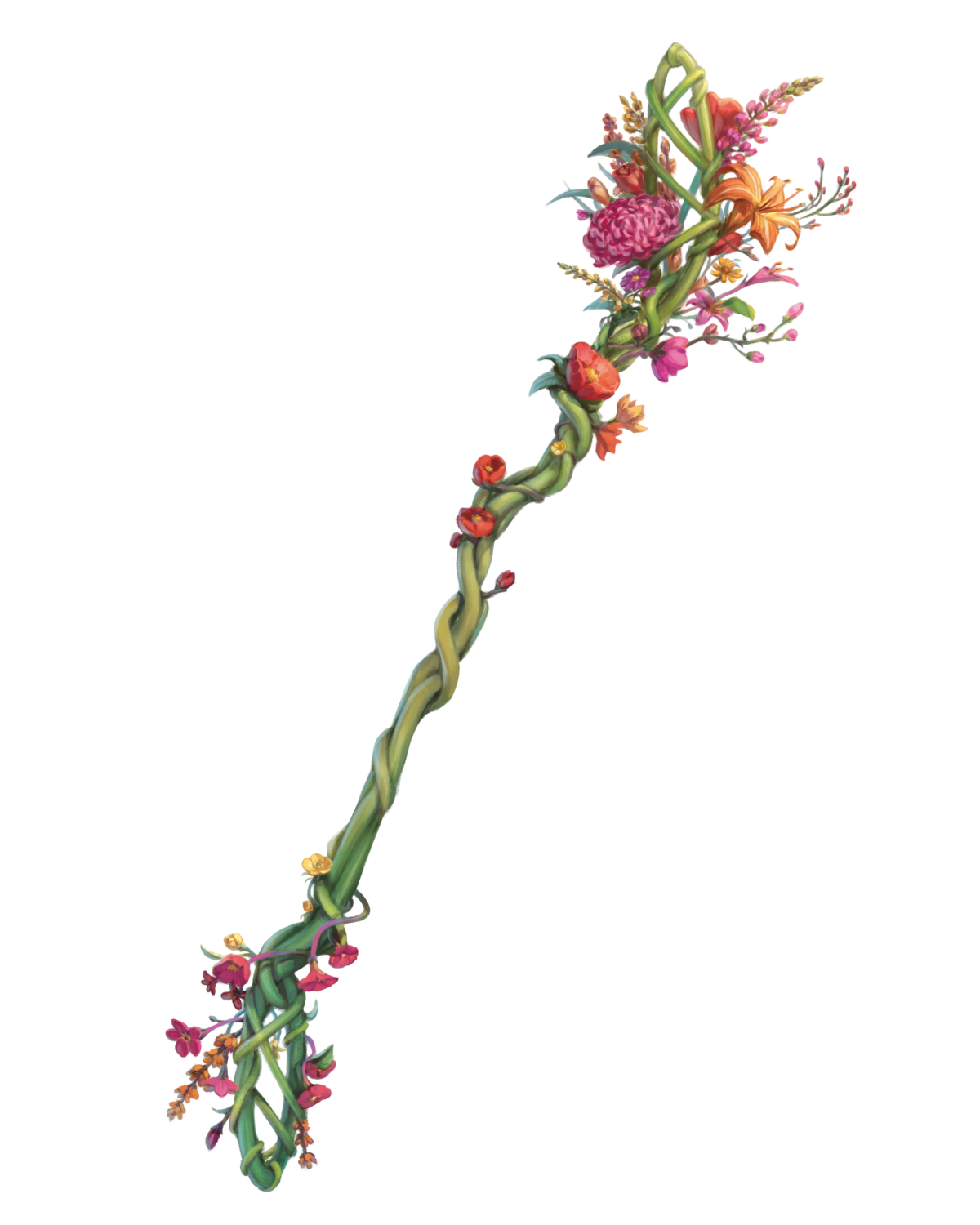
The Blossom Rod advances from “Budding” to “Flowering” and finally “Somniferous.” Along the way, it goes from restoring plants to summoning a swarm of bumblebees and releasing sleep-inducing pollen.
An evolving item can also help a player explore a side of their character that their class doesn’t cover. Hamon suggested giving the Blossom Rod to a Paladin who loves the wilderness. Its progression could support a simple hobby or interest, nudge the character toward multiclassing as a Druid or Ranger, or just let them develop abilities no conventional Paladin would have.
Hamon called it a great way to support that kind of exploration during play, or to lean into something the player wanted to do from the very beginning.
Another intriguing ready-made option is the Staff of Skulls, which has unmistakable necromancer vibes. It doesn’t suddenly hand its wielder a broad menu of dark magic, though. It pairs naturally with a Wizard focused on necromancy. But the party might just as easily defeat a real necromancer, after which the Rogue or Monk could walk off with the staff. At first, they can use it to cast Chill Touch. In time, they can aim it at an enemy and crush them from within with necrotic damage. No magical aptitude required.
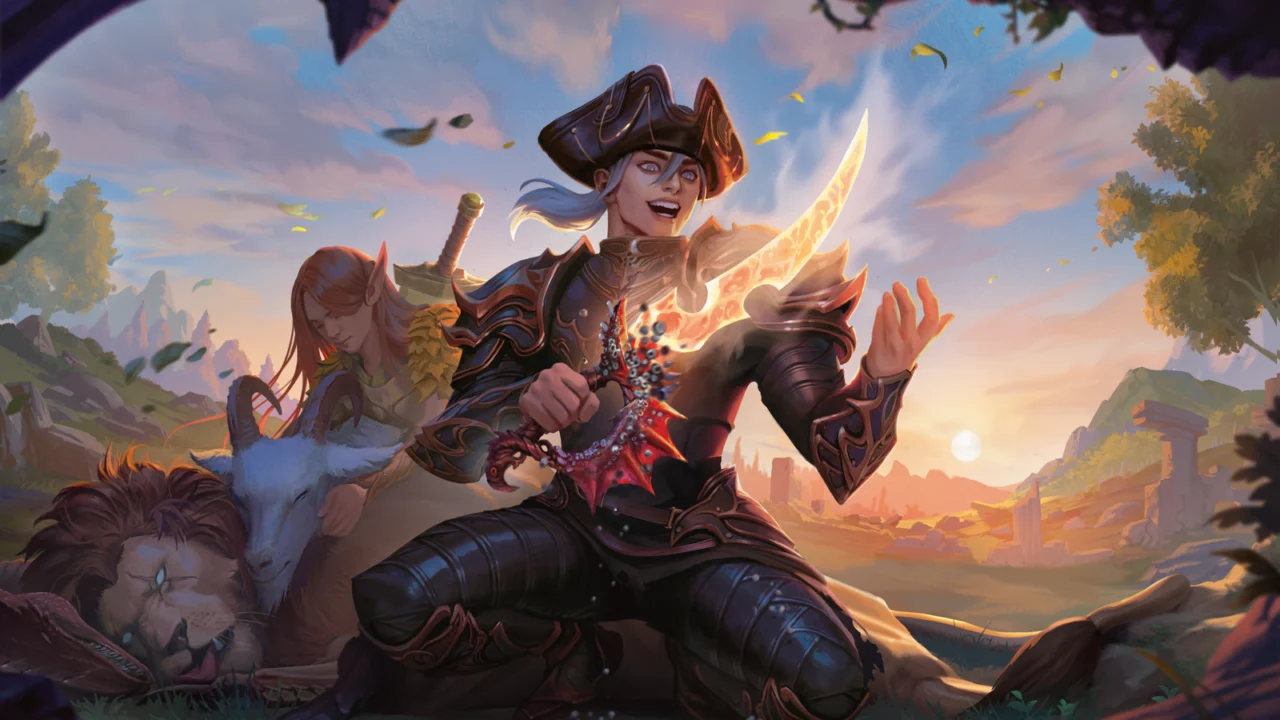
The Waveswept Weapon looks ideal for any pirate-themed adventure on the high seas. It begins with a goofy party trick, turning fresh water into saltwater. Later forms let its owner breathe underwater, swim faster than normal, and ultimately soar through the sky on a briny sea breeze. That suits a young sailor who gradually grows into a mighty pirate king.
A relic should grow with its hero
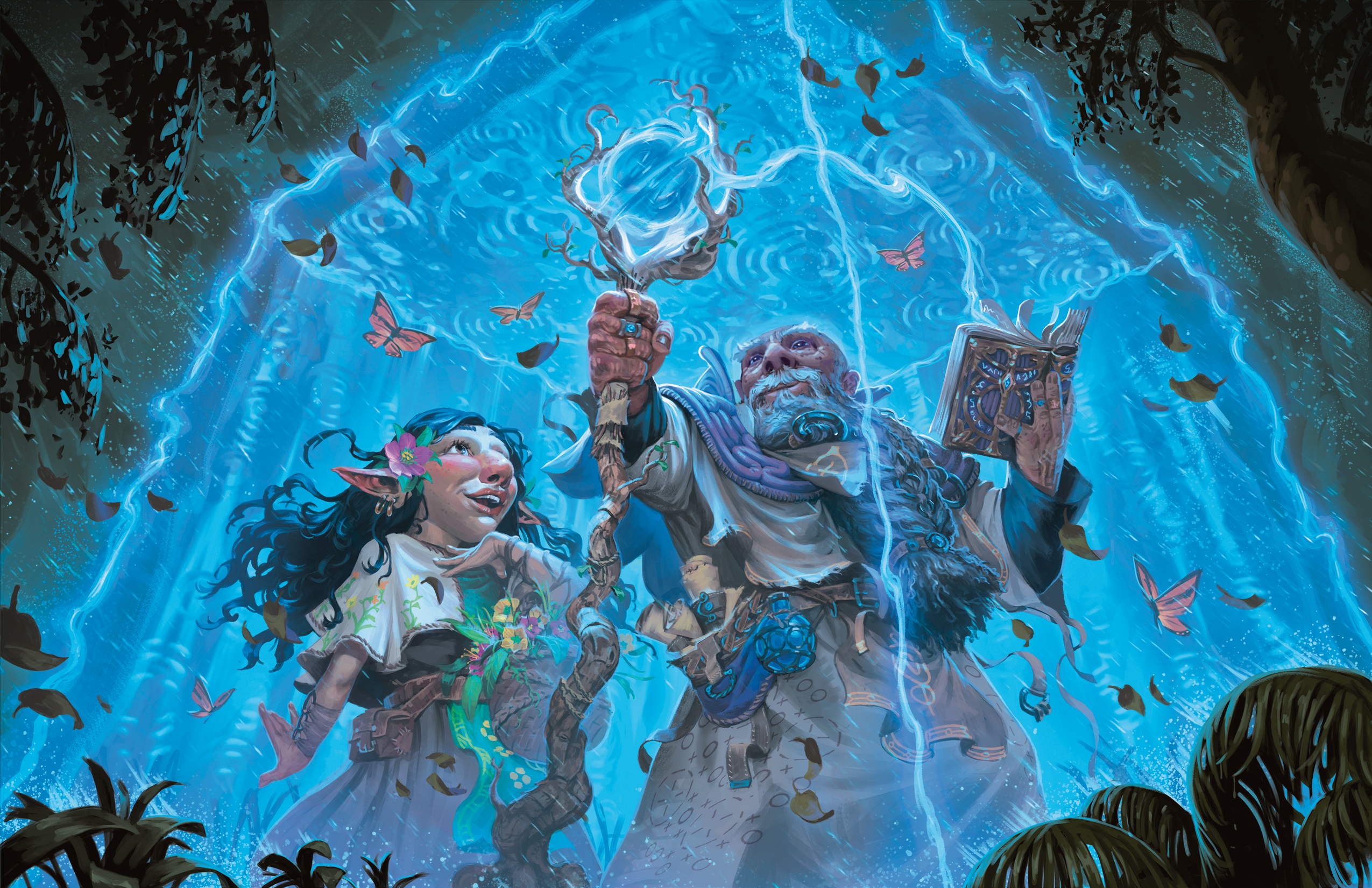
Although Arcana Unleashed loosely ties these upgrades to D&D’s traditional leveling system, evolving items aren’t meant to earn experience points or automatically strengthen every few levels. Hamon recommends linking each evolution to a significant moment in the story.
“When the characters unveil something, or when they defeat something, or when they learn something, or when they make a decision, those items would start to unlock their potential,” Hamon said.
That last trigger, a decision, may be the most interesting. A well-designed evolution doesn’t just reward a player for finishing an adventure. It asks them to define what the object, and perhaps their character, will become.
In the campaign I’m running now, the characters have been steadily recovering a set of ancient objects called the Relics of Anur. One of them, the Arm of Daro, is a magical prosthetic wielded by a Ranger named Iona. (Yes, it’s loosely inspired by the Eye and Hand of Vecna.) After the party finished a notable stretch of the adventure, the arm was ready to evolve. I offered Iona’s player four possible Aspects based on the relic’s previous wielders, an idea I borrowed from the video game Hades: Miroku, Khan, Elric, and Aran. I’m not sure the player caught every reference, and I don’t hold that against them, but they chose Elric.

The Aspect of Elric, inspired by Edward Elric from Fullmetal Alchemist, lets its wielder manifest an armblade that raises AC and enables a reaction counterattack. It also grants several useful transmutation spells, along with Shatter at touch range, a nod to the FMA villain Scar and his alchemy that destroys rather than creates. Iona’s player could instead have ended up with an overpowered vortex in their palm like the lecherous monk from Inuyasha, the powers of Ms. Marvel, or Samus Aran’s arm cannon. But they made their choice.
As with any Evolving Magic Item, there are no objectively correct upgrades. A touch of randomness may be all it takes to keep a player invested in whatever new direction their character takes. Yet an upgrade can just as easily play a meaningful role in a campaign’s wider narrative. That’s what separates an evolving item from conventional treasure. Finding a stronger sword changes a character’s stats. Watching the same sword transform in response to a discovery, a victory, or a moral decision makes it part of that character’s arc.
“The underlying concept of these evolving magic items is that they are actually very, very powerful,” Hamon said. In her words, the character just can’t unlock the full potential until they keep uncovering story elements or reaching narrative milestones.
Had these rules existed when I ran Dragon Heist, Kellnor’s sword might have outlasted its meeting with Azuredge. The player would still have faced a choice, but it would have been between two possible stories rather than a +2 and a +3 bonus. That’s the promise of evolving magic items. A great weapon no longer has to be thrown aside just because the adventure has outgrown it. Instead, it can grow into the next adventure beside its owner.
Source: Polygon
Related articles
 Native PS5 Game Launch on PC May Be a Month Away as Enthusiasts Near Finishing Decryption
 Microsoft Turns Windows 11 Into an Xbox and Speeds Up PC Games
 Nintendo to Raise Switch 2 Repair Prices
 Windows 11 Runs Faster in Games After 26H2 Update, but Not for Everyone
 Saros Beats Major Game Brands in Three Categories
 PlayStation Developing Technology to Predict Players’ Movements, Sony Says
 US Lawmaker Proposes Plan to Protect Digital Game Ownership
 Ghost of Yotei Nearly Matches Ghost of Tsushima in Revenue Despite Fewer Copies Sold