
Critical Role Campaign 4 Just Made D&D’s Most Tedious Activity Exciting
Critical Role has long been celebrated for its narrative versatility. The show oscillates seamlessly between grueling multi-hour boss encounters, the exploration of perilous frontiers, and unexpectedly deep dives into arcane lore within quiet libraries. It has even embraced the absurd—such as Campaign 3’s infamous moment where Bells Hells attempted to distract an air elemental with a highly questionable theatrical production. Yet, there is one staple of Dungeons & Dragons that the series has historically struggled to make compelling: the dreaded shopping trip. That is, until Campaign 4 arrived.
Throughout its history, the show has featured numerous “shopping episodes” with varying degrees of success. Campaign 1’s 14th episode, “Shopping and Shipping,” remains a notable early example of Vox Machina prepping for the road. However, that was eclipsed by the notoriety of Episode 27, “The Path to Whitestone,” where former cast member Orion Acaba spent an agonizing amount of time bartering for mirrors and negotiating for a private army. This session became a cautionary tale in the community about how logistical errands can stall a campaign’s momentum. Even Travis Willingham has a well-documented disdain for these slow-paced excursions.
While the series has since refined its approach to commerce, keeping such interludes brief and punchy, Campaign 4 has completely reimagined the concept under the guidance of Dungeon Master Brennan Lee Mulligan.
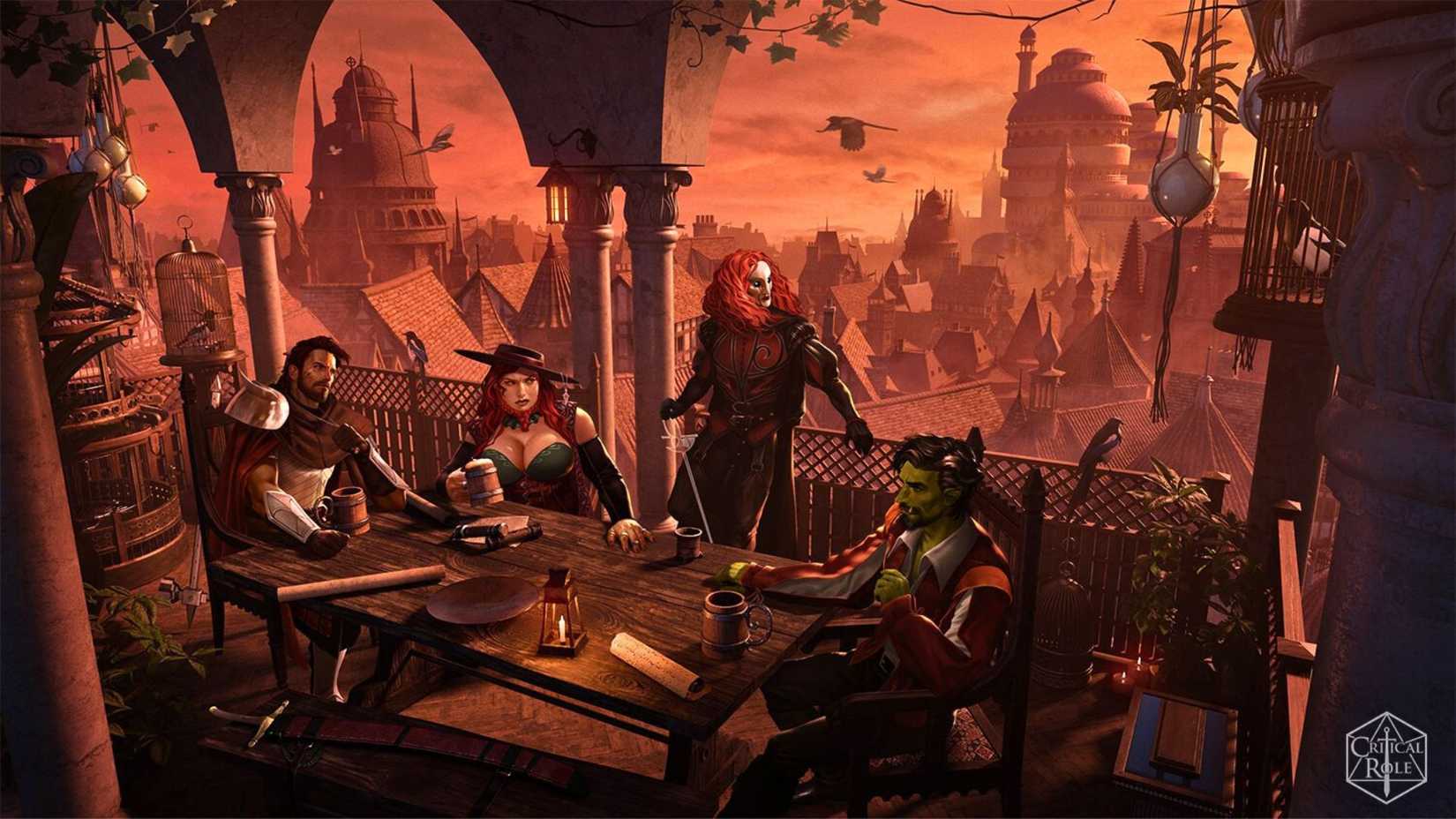
During a recent installment of the post-show discussion Cooldown, the Schemers table reflected on a paradox: they felt they had accomplished a massive amount of narrative heavy lifting despite very little actually “happening.” The party spent the majority of the session navigating Dol-Makjar to recruit allies and leverage faction contacts. Taliesin Jaffe, portraying the curator Bolaire Lathalia, astutely observed that the group had essentially “gone shopping.”
“Rather than browsing for gear, this is NPC shopping,” Jaffe remarked. Instead of purchasing swords or potions, the characters spent their social capital. Murray (Marisha Ray) swallowed her pride to repair a relationship with a high-ranking academic, aiming to funnel revolutionary-minded students into internships. Meanwhile, Azune utilized his authority as an arcane marshal to sway his platoon’s loyalty away from the corrupt influence of the Sundered Houses.
Every veteran D&D player acknowledges that preparation is the difference between survival and a total party kill. However, that necessity doesn’t make the process of tallying gold and gear any less tedious. For the Schemers—a group defined by political maneuvering and interpersonal intrigue—the gameplay has shifted from fiscal management to “social acquisition.” They aren’t spending gold; they are choosing which non-player characters will become the architecture of their rebellion.
The brilliance of this “NPC shopping” lies in how it mirrors traditional mechanics. Players still engage in the familiar rhythm of “haggling,” but they use Persuasion, Deception, and Intimidation instead of coin. The stakes are just as high: Murray’s successful social maneuvering secured vital assets, while Azune’s less fortunate rolls left him feeling isolated within his own military ranks. These interactions serve to “purchase” the future loyalty of the city’s population.
This approach elevates the mundane into something vital for world-building. While a legendary sword might change a combat encounter, the Schemers’ choice of allies reshapes the social fabric of Aramán. If Azune cannot count on his fellow soldiers in the Revolutionary Guard, the party’s standing in the upcoming conflict will be significantly diminished. Every “purchase” they make—or fail to make—directly alters the political landscape of Dol-Makjar.
Furthermore, this sandbox style is perfectly aligned with Mulligan’s improvisational mastery. Brennan is known for his “toy box” philosophy, allowing players to wander and interact with a world that feels lived-in and reactive. Because the Schemers’ backstories are so deeply woven into the city’s history, Brennan can conjure NPCs on the fly that resonate personally with the players, turning a simple recruitment drive into a series of emotionally charged vignettes.

This dynamic creates a feedback loop of mutual discovery. Brennan cannot predict which characters the players will seek out, and the players cannot predict how those NPCs will respond to their overtures. It is a high-wire act of storytelling that empowers the cast to define their own objectives. While the Soldiers and Seekers have clear missions, the Schemers are effectively building their own campaign through the people they choose to trust.
Ultimately, Campaign 4 has transformed a tired tabletop trope into an engine for drama. By replacing inventory management with high-stakes networking, the Schemers have made “shopping” the most unpredictable and exciting part of the week. Viewers aren’t tuning in to see what gear they buy—they’re tuning in to see which of Brennan’s improvised citizens will join the fight next.
Source: Polygon
Related articles
 Modders Port Bloodborne to Android While Sony Omits PC Release
 Capcom Shows Gameplay of Resident Evil 3 Remake on Nintendo Switch 2
 World of Warcraft Ported to Android and Runs at 60 FPS
 Ubisoft Plans to Downsize Trials Developer and Ubisoft Singapore
 How to Reach the Top of the Prison Tower in Castlevania: Dracula’s Curse
 Epic Games Claims Its Launcher Starts Faster Than Steam
 Marvel Star Confirms Absence in Doctor Doom Movie
 Blizzard Explains World of Warcraft Forever Development Approach and Community Relations