Control’s Resonant Hides Its Best Part 15 Hours Into the Game
Control Resonant is brimming with unforgettable highlights. Whether you are gazing upon the warped, cotton-candy-mold-choked avenues of Manhattan for the first time or enduring a jarring boss battle against a levitating cephalic anomaly, there is plenty to admire, even if the moment-to-moment combat doesn’t entirely land for everyone. Yet, my absolute favorite stretch of the game eschews these bombastic, awe-inspiring set-pieces entirely in favor of its most austere environment.
Light spoilers for the second half of Control Resonant follow.
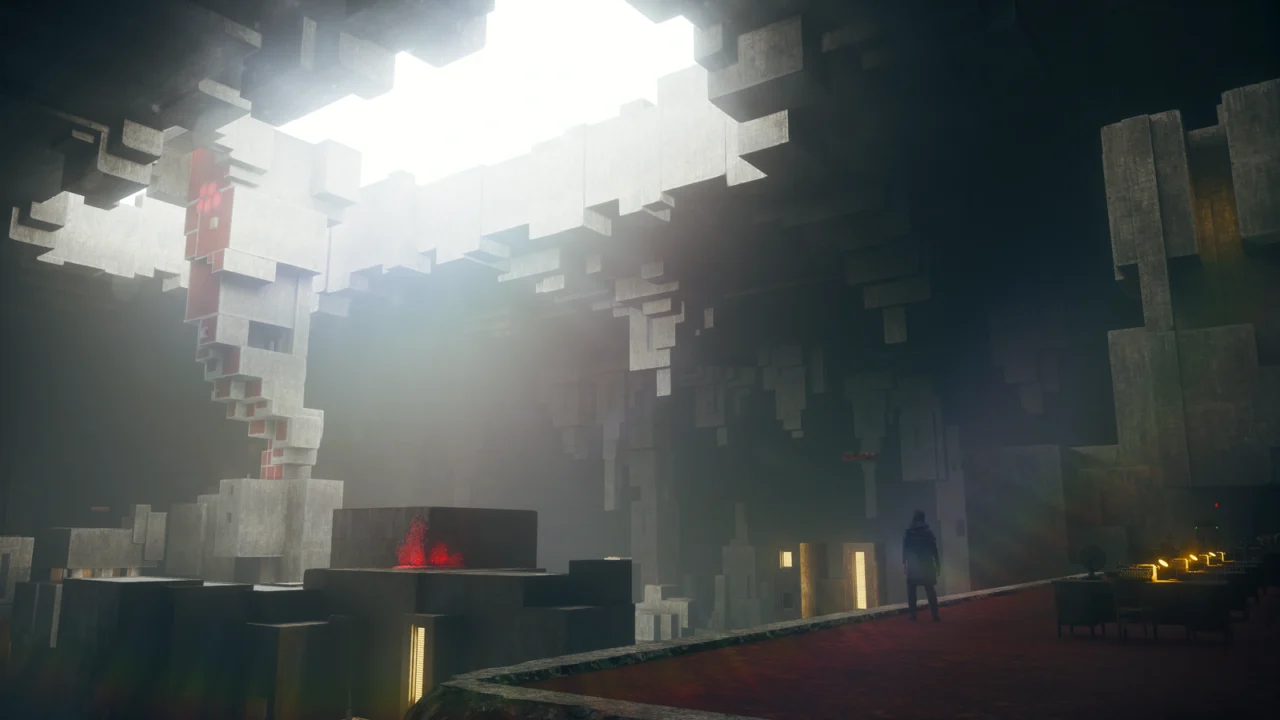
After a dozen or so hours spent navigating the sprawling surface of Manhattan, Resonant descends into the subterranean depths. Dylan Faden plunges far past the derelict subway infrastructure and cavernous sinkholes, eventually discovering an eerie subterranean expanse known simply as The Underpass. Rather than derailing the narrative momentum, this subterranean shift births some of the campaign’s finest hours, revealing that Remedy Entertainment might actually be more proficient at crafting exceptional platformers than conventional action titles.
Upon initial inspection, The Underpass is profoundly unsettling. By this point, players have grown accustomed to the visually chaotic open world of Resonant, which is perpetually cluttered with towering structures, vivid billboards, and dense waves of aggressive combatants. Virtually all of that clutter evaporates the moment you step into The Underpass, leaving you to gaze endlessly into a surreal, pitch-black void.
Essentially, The Underpass functions as a deconstructed metropolis. It consists of little more than fragmented stone platforms and rusted industrial piping suspended in absolute nothingness. Enveloped by an oppressive, endless black, you instantly lose any familiar sense of geography and orientation cultivated on the surface. It feels like an impossible space—a rejected blueprint of Manhattan crumpled up and cast into a cosmic wastebasket. Remedy frequently experiments with liminal architecture throughout Resonant, but it is here, amidst the stripped-down aesthetics, that the design team truly hits its stride.
Beyond its deeply unsettling atmosphere, this desolate zone harbors some of the most compelling narrative beats in the game. Stumbling upon a floating platform housing a clandestine FBC testing installation provides a strange sense of comfort—a tangible anchor to humanity within an otherwise alien labyrinth. This discovery drives the primary objectives of the area, shedding light on the reckless, clandestine experiments the Federal Bureau of Control has been conducting right beneath the city’s feet. While we previously witnessed the devastating fallout of this bureaucratic negligence in The Oldest House, The Underpass starkly illustrates how the bureau’s scientists are actively unraveling the fundamental laws of reality.
Perhaps it is entirely unsurprising that I resonated so deeply with The Underpass, given that it minimizes frantic combat in favor of pure traversal. Frenetic skirmishes take a back seat as Dylan must thoughtfully chain together his supernatural abilities to leap across treacherous chasms. Remedy deserves immense praise here: the movement mechanics in Resonant are nothing short of phenomenal. Seamlessly combining mid-air dashes, grappling hooks, and hovering lets Dylan effortlessly traverse vast distances with a fluidity that makes the game feel wonderfully boundless. The Underpass is tailor-made to showcase this kinetic freedom, plunging you into a hypnotic, Super Mario Odyssey-esque flow state across a surreal playground. Who could have guessed Remedy had a masterclass in 3D platforming within them?
Ultimately, The Underpass marks a pivotal turning point for Resonant, and quite possibly for the trajectory of the broader *Control* franchise. It is the exact moment when the conventional, by-the-numbers open-world exploration of the early acts yields to something vastly more imaginative and daring. The urban setting, already structurally fragile, finally fractures completely, unleashing a pervasive sense of unreality that bleeds into every subsequent encounter. This escalation is vital for grounding the breathtaking surprises awaiting players in the game’s final hours, including one jaw-dropping sequence that fundamentally redefines what is possible within this fractured universe. Wherever Remedy decides to take us next, consider me completely invested.
Source: Polygon
Related articles
 Hacked PlayStation 5 consoles begin running PlayStation 2 games in 4K at 60 FPS
 Analysts Estimate Free Witcher 3 Remaster Could Earn CDPR Millions
 Path of Exile Co-Creator Criticizes Blizzard Following Diablo V Announcement
 Inart Reveals Lord Voldemort and Nagini Figure from Harry Potter
 Resident Evil Meets Little Nightmares in Terrifying New Horror Game
 The Witcher 3 Sets New Steam Concurrent Player Record Following Remaster Launch
 Polygon Review: Amazon Thriller Verity Falls Flat Despite Anne Hathaway
 Ubisoft Names New Generative AI Initiative Motherbrain