Clair Obscur Drives Record Growth in Mid-Priced Game Sales
Only a year ago, the industry was bracing for the $80 video game to become a mandatory standard. Before Nintendo even shattered the status quo with its pricing for the next Mario Kart, the shift felt like a foregone conclusion. Publishers were grappling with a perfect storm of soaring development costs, global inflation, and a market that had remained stagnant for a decade. The traditional blockbuster model was beginning to look like a house of cards, making a price hike seem less like a choice and more like a survival tactic.
However, that drastic shift hasn’t truly materialized. While the gaming world remains on edge to see if Rockstar Games will finally pull the trigger with Grand Theft Auto 6, most other major players have retreated. Even Microsoft, which initially signaled a move toward $80 retail points, eventually shelved those plans. It turns out that consumer resistance was more formidable than anticipated, and publishers were the first to blink.
As we move through 2025, a fresh narrative is taking hold. Rather than finding ways to charge more, the industry is suddenly obsessed with how to make games more affordable to produce and purchase.

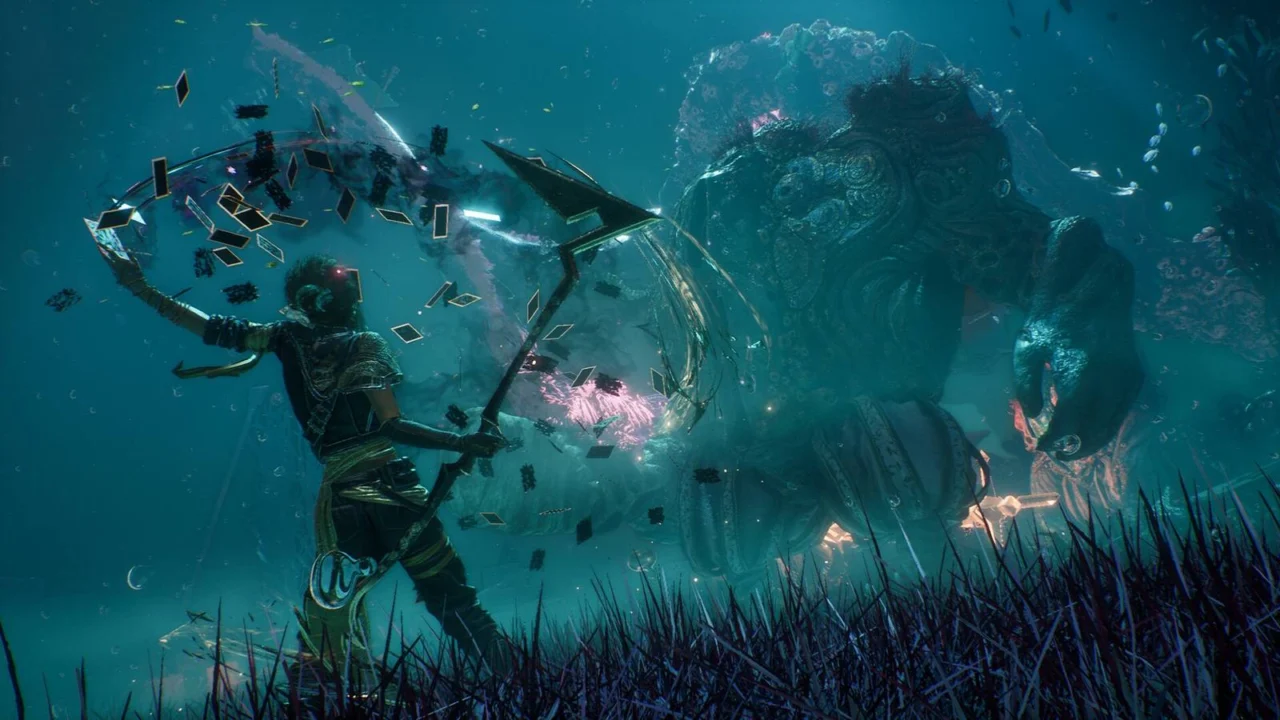
The catalyst for this industry-wide soul-searching is Clair Obscur: Expedition 33. Sandfall Interactive’s turn-based RPG has become a phenomenon, not just for its visual fidelity and critical acclaim—sweeping various Game of the Year honors—but for its price tag. Despite looking every bit like a premium blockbuster, it launched at $50.
Industry analyst Jason Schreier noted that Clair Obscur dominated conversations at the DICE summit this year. Executives were reportedly baffled by how a team could deliver such high production values on a modest $10 million budget. The takeaway was unmistakable: the path forward involves creating “cheaper” games—a distinction that implies leaner, smarter development rather than lower quality.
The data supports this pivot. A comprehensive report from Newzoo highlights that the $30-$50 “mid-price” bracket is currently the fastest-growing sector in premium gaming. This trend spans across Xbox, PlayStation, and PC, suggesting that mid-tier pricing has become the new industry “sweet spot.”

The growth figures are staggering. Xbox revenue for games in this price range jumped 45% between 2022 and 2025—a number that would likely be higher if titles like Clair Obscur weren’t launching directly into Game Pass. On PC, the growth hit 60%, while PlayStation saw a massive 99% surge in mid-priced game revenue over the same three-year window.
While the back catalogs of older titles remain a steady revenue stream, the real growth is being driven by new, highly focused releases. From the narrative weight of Mafia: The Old Country to the tactical intensity of Arc Raiders and Helldivers 2, these mid-priced experiences are outperforming bloated, free-to-play live services that are currently struggling to maintain player interest.

Context is still necessary: $70 blockbusters still generate the lion’s share of revenue on consoles, accounting for nearly 90% of premium earnings. However, that dominance is slowly eroding as sub-$50 games chip away at their territory. On PC, the landscape is even more balanced. In 2025, revenue was split almost evenly between three tiers: sub-$30 games, mid-priced titles, and $50+ blockbusters. Steam’s influence is so profound that Newzoo predicts PC software revenue will eclipse all console platforms combined by 2028.
The consumer message is crystal clear: gamers are eager to pay for quality, but they are increasingly wary of the $70-$80 price tag. The decline of free-to-play engagement suggests a return to traditional ownership, provided the price is right. Publishers who attempted to push past $70 found a ceiling they couldn’t break without risking massive backlash.

There are still outliers. Amazon recently listed physical copies of Pokémon Pokopia at $80, exploiting scarcity and collector demand. Sony is also experimenting with dynamic pricing models in international markets—a move that suggests if base prices can’t rise, companies will find more creative ways to extract value.
For now, the $70 cap remains the line in the sand. This reality makes the traditional AAA model increasingly difficult to sustain, turning the $30-$50 “AA” space into the industry’s most vital frontier. Transitioning to this model requires more than just lower prices; it demands a fundamental shift in how games are designed and produced. It is a slow, difficult pivot, but for the health of the industry, it is one that must be made.
Source: Polygon
Related articles
 Musicians Talk About Vampire: The Masquerade – Bloodlines Remake, but Fans Remain Skeptical
 Battlefield 6 Developers Respond to Memes About Paid “AI Slop” Skins and Explain Design Choices
 SPINE Gets New Trailer Focused on Main Character Customization
 Unofficial Android Port of Call of Duty 4: Modern Warfare Reportedly Runs at 60 FPS in Gameplay Videos
 Cyberpunk 2077 Co-Op Mod in Development, Gameplay Trailer Released
 Toxic Arc Raiders Players Found a Way to Harass Others in PvE Mode
 First Look at Drova II Torn Lands, Sequel to the Pixel Art Gothic-Like RPG
 CDPR Didn’t Expect Such Big Interest in The Witcher 3 Remaster, Which Set a New Record