Avatar: Seven Havens Producers Offer Evasive Answer on Anomaly’s Possible Vaatu Link
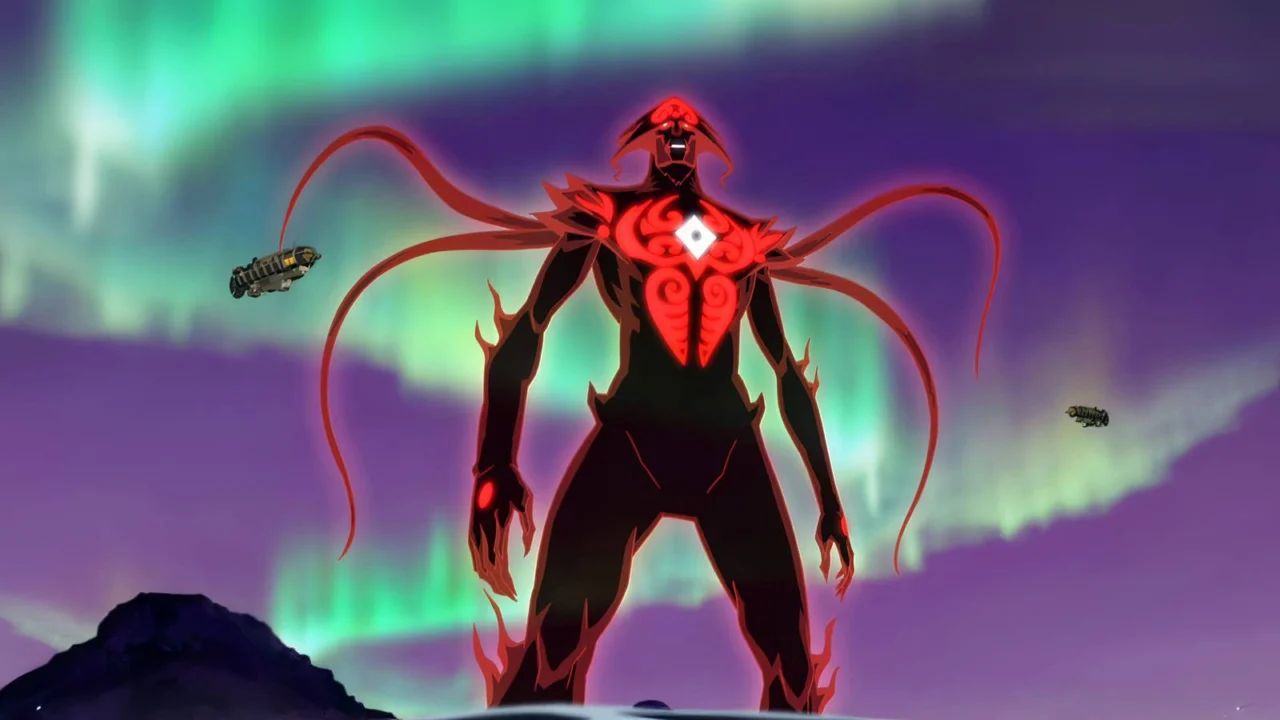
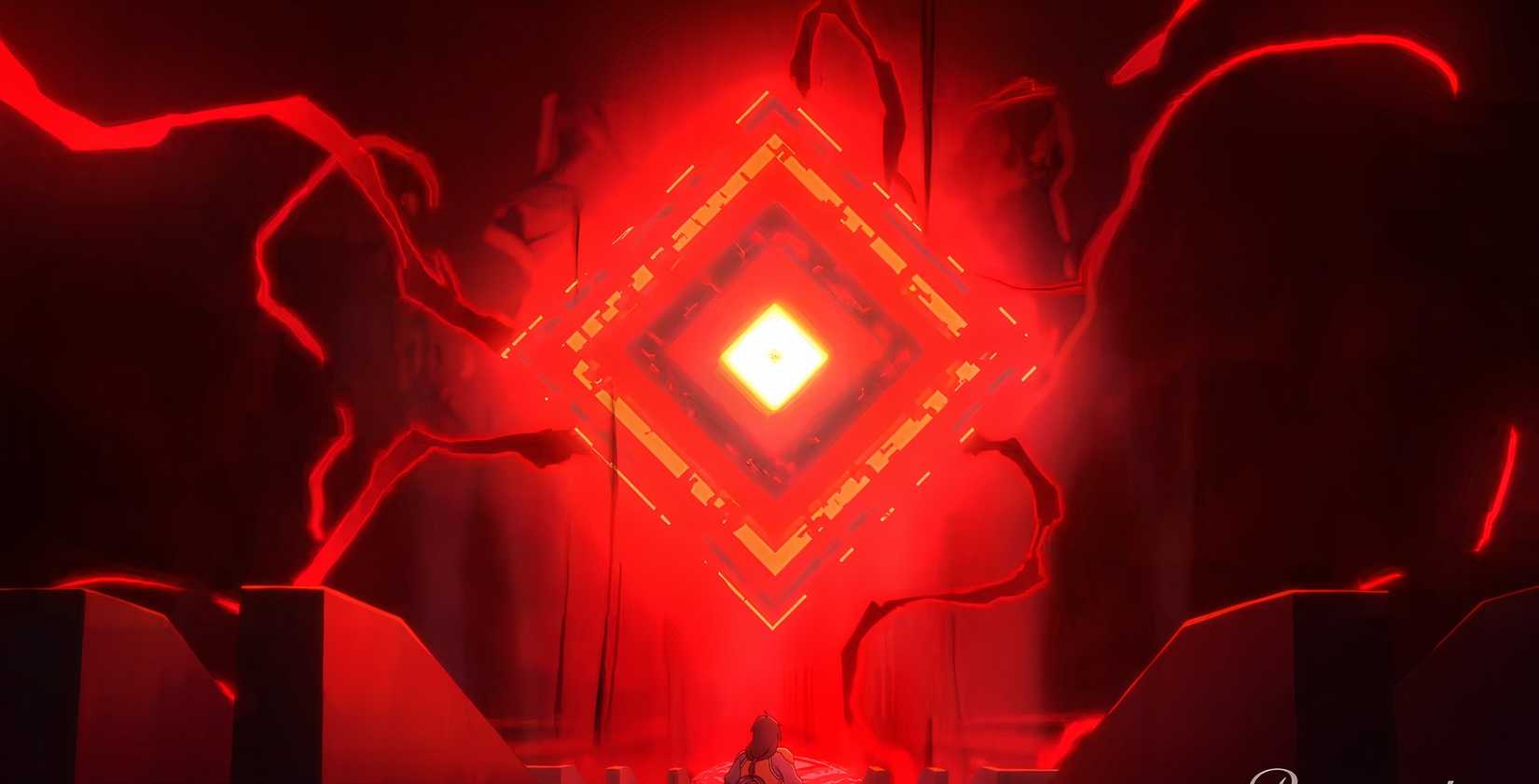
Ever since a mysterious diamond-shaped entity rose out of the ground in one of the Avatar: Seven Havens trailers, fans have been pointing out that it resembles Vaatu. Vaatu is the spirit of darkness and chaos at the center of the Avatar franchise‘s cosmology.
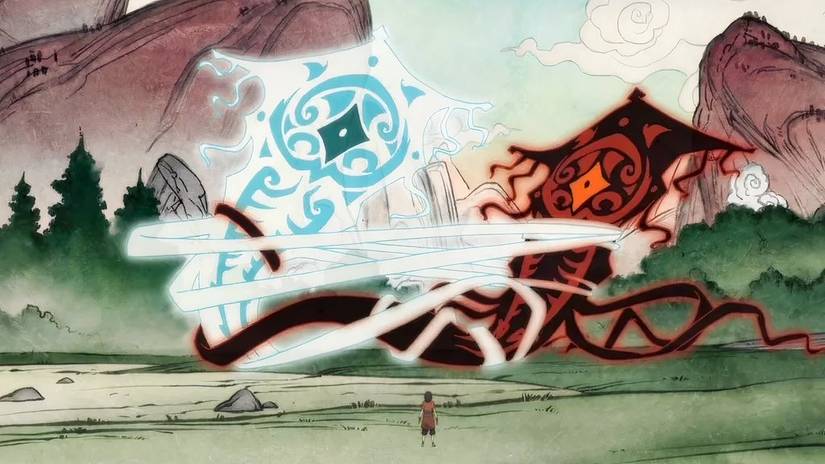
Vaatu and his light counterpart, Raava, look like kites or manta rays with long tendrils, though their bodies constantly shift in fluid ways. Vaatu is mostly black, while Raava is white. The red patterns on his body mirror Raava’s blue markings.
A very similar shade of red keeps showing up in Seven Havens through the Anomaly plaguing Ellora. During a massive storm earlier this season, a diamond-shaped spiritual entity rose from the ground amid tendrils of red lightning. It seems to draw power from fear, and it fills anyone who gets too close with overwhelming terror. Pavi (Saheli Khan) and Nisha (Aishu Devan) are the only apparent exceptions. Instead of turning into violent, fearful Afflicted, they find that their encounters with the Anomaly unlock fragments of their buried memories.
So is the Anomaly meant to evoke Vaatu? Polygon put that question directly to Seven Havens executive producers Sehaj Sethi and Ethan Spaulding at New York Comic Con 2026. Neither would dismiss the theory outright.
“Maybe,” Sethi said with a laugh. Spaulding quickly echoed that response.
“We’re leaving that up to you guys for now,” Sethi added.
That doesn’t confirm the Anomaly is Vaatu. Still, it’s a conspicuous non-denial, especially since The Legend of Korra left behind a very specific explanation for how the spirit of darkness could return.
Vaatu can never be permanently destroyed
In The Legend of Korra Book 2, Korra’s uncle Unalaq freed Vaatu from the Tree of Time and fused with him during Harmonic Convergence. The result was a Dark Avatar commonly called Unavaatu. Unavaatu tore Raava out of Korra and seemingly destroyed her, which severed Korra’s connection to Aang and every Avatar before him.
But Raava and Vaatu cannot permanently destroy each other. Each carries the seed of the other, and that seed eventually grows whenever its counterpart is destroyed. The 10,000-year cycle of Harmonic Convergence is tied to their resurrection and renewed conflict.
In the final fight, a massive Unavaatu faced an equally gargantuan astral projection of Korra. She discovered a small remnant of Raava already regenerating inside Vaatu. She used spiritbending to destroy Unavaatu and reunited with Raava shortly afterward.
The same rule should work in reverse. Korra destroyed Vaatu’s physical form, but a fragment of him would have started regenerating inside Raava. Raava lives within the Avatar, so Korra must have carried the embryonic spirit of darkness inside her for the rest of her life.
Vaatu ordinarily wouldn’t return to full strength until the next Harmonic Convergence, thousands of years later. But something catastrophic happened during Korra’s lifetime that fundamentally changed the world. If the Cataclysm disrupted the boundary between the physical and Spirit Worlds, or affected Korra and Raava directly, it could have released Vaatu’s energy long before his natural return.
The Anomaly might not literally be Vaatu
The visual similarities are hard to ignore. Vaatu and the Anomaly both radiate red spiritual energy. Both are also linked to negative emotions that destabilize the world around them.
The differences are just as clear. The Anomaly moves with an almost robotic intent. Vaatu has a distinct personality and speaks directly to humans. He also pursues a specific goal, which is to escape Raava’s influence and plunge the world into 10,000 years of darkness. The Anomaly simply appears where fear has become concentrated, attacks those nearby and leaves behind crystalline red growths that keep spreading.
Fear was also never established as Vaatu’s power source. He grew stronger amid chaos and conflict, and he could corrupt spirits into dark forms. The Anomaly’s ability to turn human fear into hallucinations looks far more nuanced and rooted in emotion than an outright transformation.
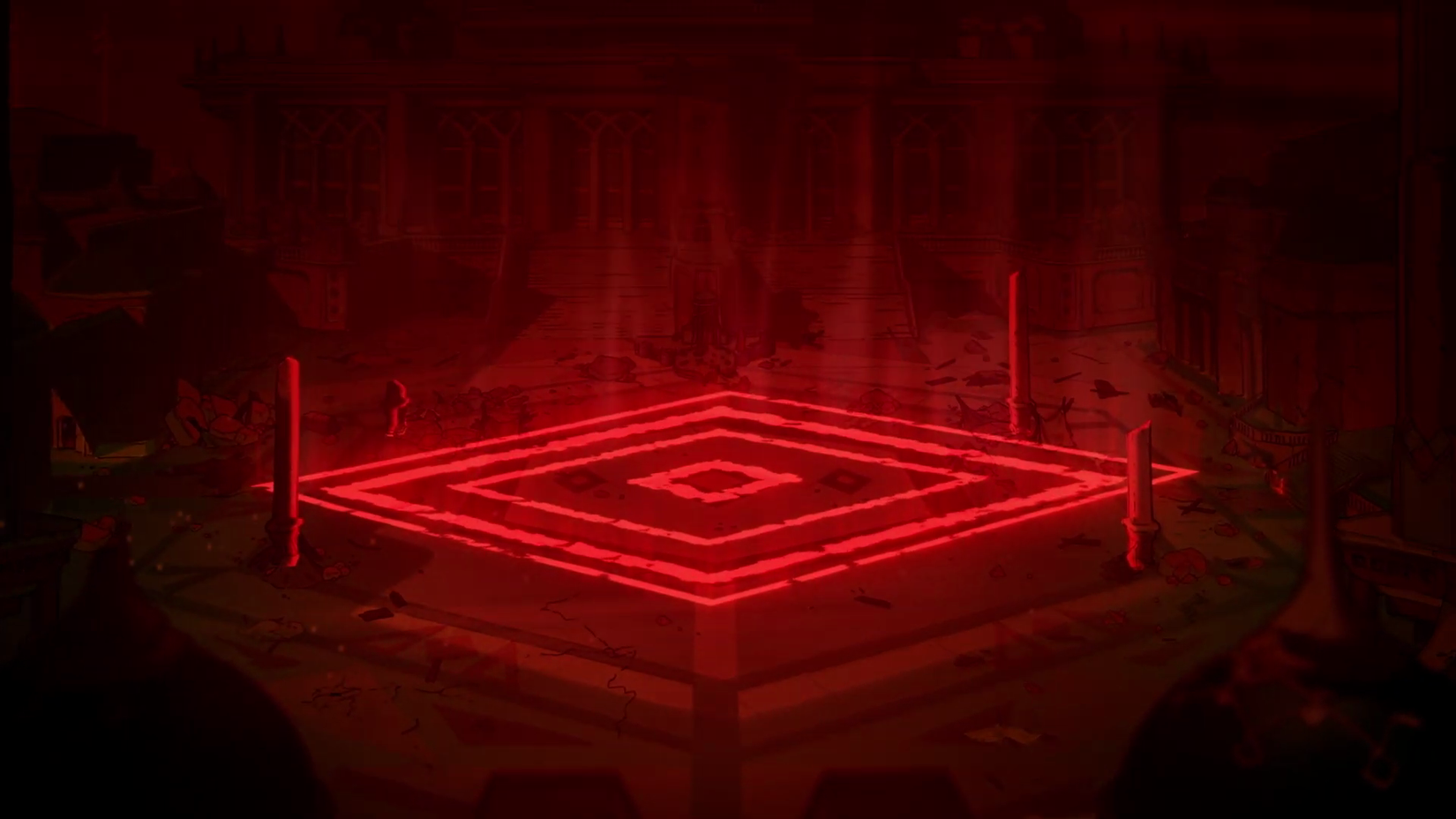
The entity might be a fragment of Vaatu’s power rather than Vaatu himself. It could be a manifestation or spiritual infection connected to the Cataclysm in some way. Maybe the Anomaly has no personality because it represents Vaatu’s raw energy without his consciousness.
The twins’ reaction adds to the intrigue. The Anomaly turns everyone else into Afflicted, yet it is drawn to Pavi and Nisha and restores their memories. An entity that recognizes and resonates with the Avatar suggests some kind of intrinsic connection. Vaatu looks like the obvious answer, though a very complicated one.
Sethi and Spaulding’s answer leaves plenty of room between “the Anomaly is Vaatu” and “the Anomaly has nothing to do with Vaatu.” For now, the safest theory sits somewhere in the middle. The diamond entity may be a distorted manifestation of Vaatu’s spiritual energy. Or it may be the planet itself crying out for help from the only being capable of giving it. Either way, we probably haven’t seen the last of Vaatu.
Source: Polygon
Related articles
 Half-Life 2 RTX Update Adds Improved Frame Generation and ARM Support
 Dead by Daylight Developers to Pull Chucky Chapter From Sale Soon as Farewell Discount Begins
 Steam Offers Free Play of Low-Poly Zombie Apocalypse Survival Game
 The Sims 4 Big Update to Fix Infinite Loading Issue and More Than 100 Bugs
 Payday 2 H3H3 DLC Review-Bombed on Steam After Ethan Klein Affair Disclosure
 Valve Launches Personal Release Calendar in Steam
 Classic Resident Evil Outbreak Now Playable for Free in Web Browsers
 Flying Hopper Enemies From the Film Added to Starship Troopers: Extermination