
Avatar has surpassed Star Wars in one significant area

James Cameron’s visually arrestive sci-fi epic, Avatar, has officially evolved into a full-fledged trilogy. With the arrival of The Way of Water and Fire and Ash, the odyssey of Jake Sully (Sam Worthington)—the human soldier turned Na’vi champion—has expanded into a sprawling generational saga featuring a vast ensemble of characters. Naturally, any blockbuster sci-fi trilogy faces comparisons to Star Wars. Critics often argue that Cameron’s world lacks the immediate cultural footprint or the recognizable archetypes of legends like Princess Leia or Darth Vader. However, Avatar manages to outclass Star Wars in one vital arena: it delivers a far more authentic and nuanced exploration of family.
The branding of the primary nine *Star Wars* films as “the Skywalker Saga”—a title emphasized toward the conclusion of the sequel trilogy—has always felt somewhat forced. Granted, the iconic revelation in The Empire Strikes Back reframes the narrative as a son’s quest to redeem a villainous father. It creates a tragic cycle where Anakin’s fall, fueled by grief over his mother, is eventually balanced by Luke’s unwavering empathy.
The sequel trilogy attempted to mirror this by introducing Kylo Ren, the conflicted grandson of Vader. Yet, the strongest emotional beats in the Star Wars universe rarely stem from blood relations.
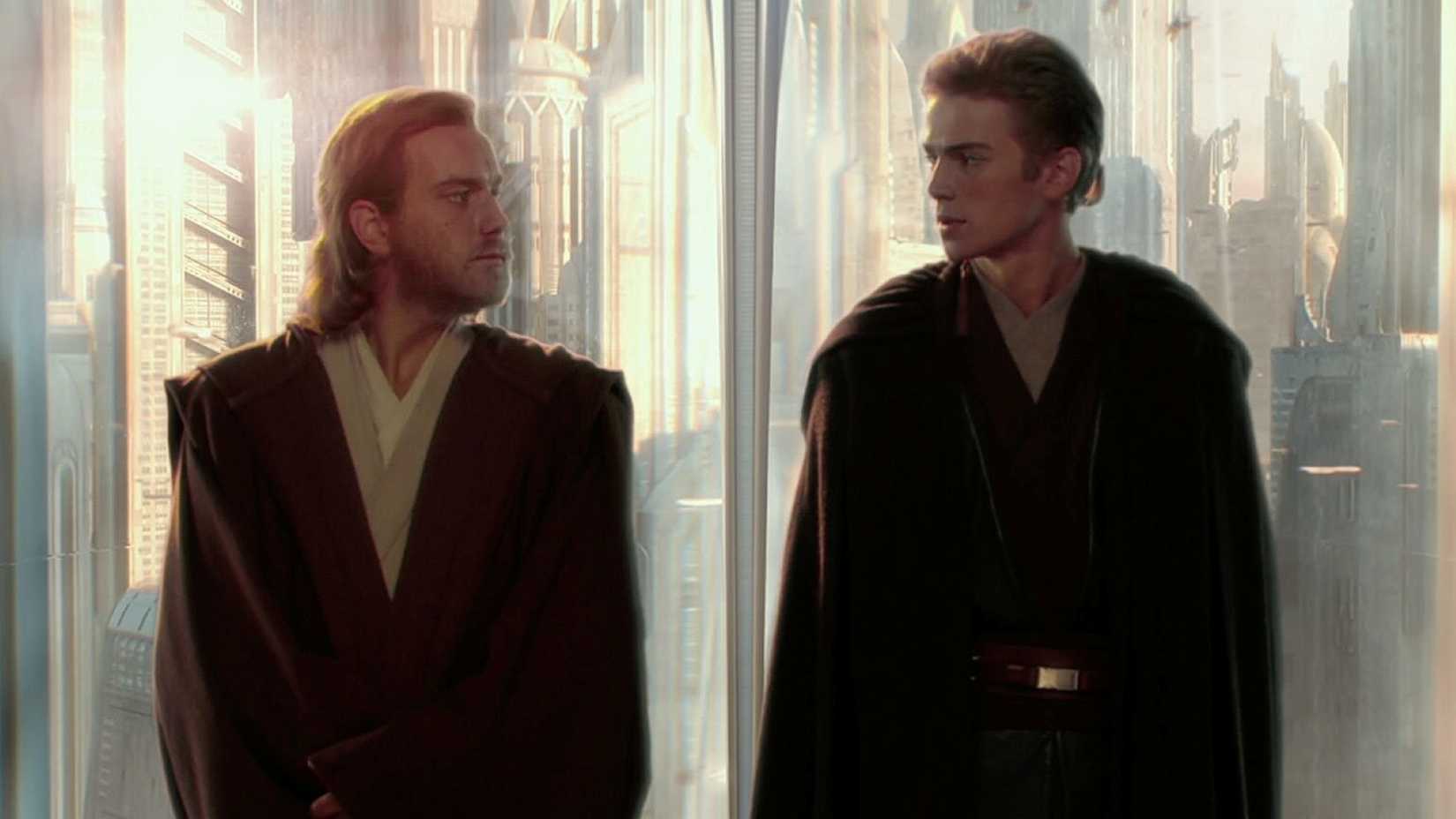
Image: Lucasfilm/Disney
Luke’s formative father figures are his mentors, Yoda and Obi-Wan, whom he eventually surpasses. In the prequels, the bond between Anakin and Obi-Wan is defined by the friction of a teacher-student dynamic, oscillating between brotherhood and paternal guidance. Even Rey’s journey was arguably more compelling when she was a “nobody” seeking belonging, rather than the belatedly revealed granddaughter of Emperor Palpatine—a plot choice that felt more like a desperate narrative echo than a natural progression.
In Star Wars, heroism often requires characters to actively reject their lineage. Luke refuses to follow Vader’s path, and Rey denounces her Sith heritage. While Luke honors his father in his final moments, his strength is derived from his chosen family—his friends and mentors. It’s a powerful cinematic theme, but it doesn’t quite constitute a “family saga” in the traditional sense.
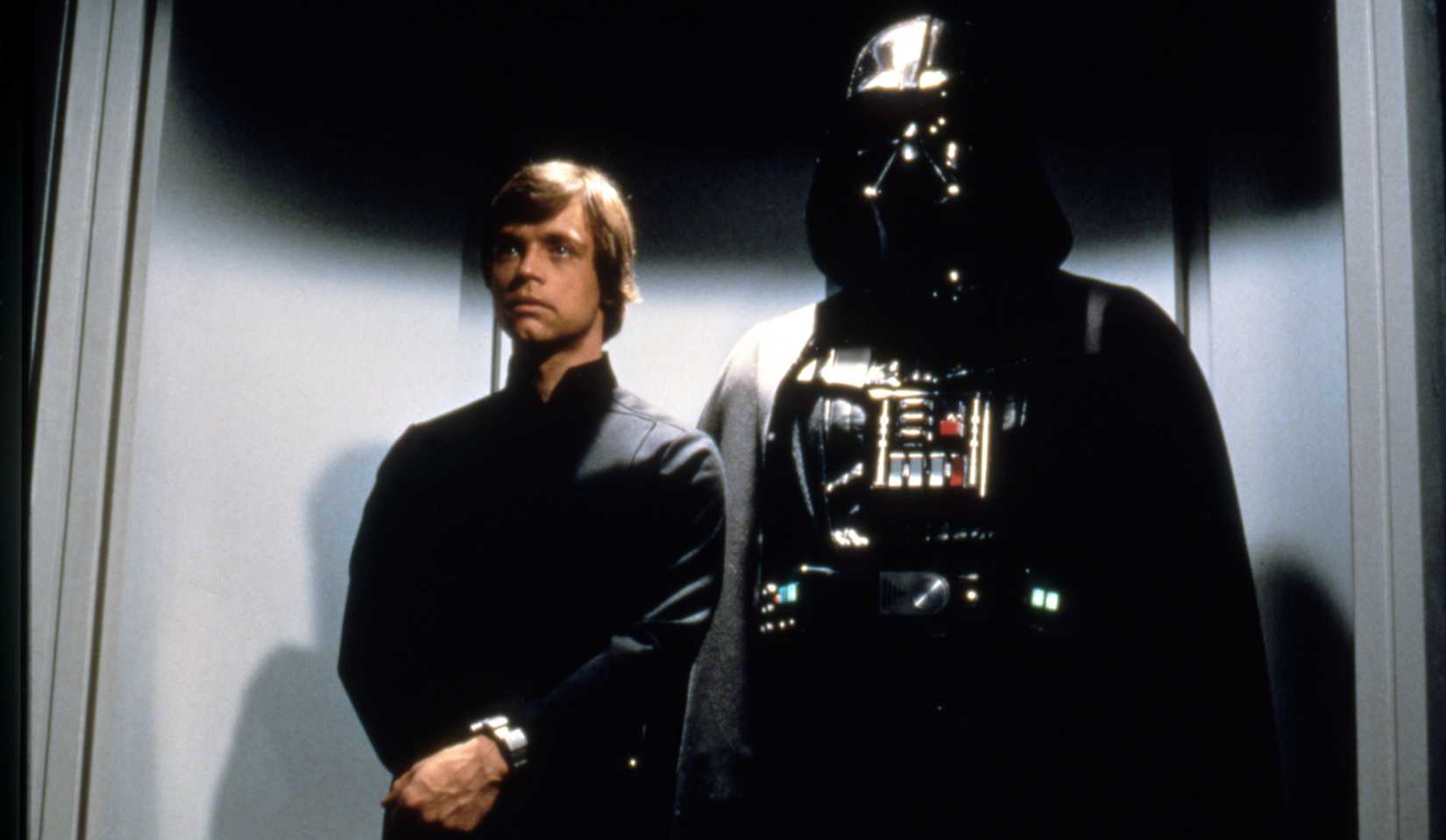
Image: Lucasfilm/Disney
In contrast, Avatar pivots toward domestic complexity with its second installment. While the original film followed a standard hero’s journey—Jake Sully discovering a new culture and choosing a side—the sequels leap forward to show the messy reality of his new life. Jake and Neytiri (Zoe Saldaña) are now parents to a diverse, blended brood: three biological children, an adopted daughter born from Grace Augustine’s avatar, and Spider, a human child left behind on Pandora.
What makes The Way of Water and Fire and Ash resonate is Cameron’s commitment to the family dynamic. It isn’t just a backdrop for action; it is the heart of the conflict. Jake’s mantra—“This family is our fortress”—reflects his shift from a lone warrior to a man whose world begins and ends with his household. He isn’t a distant, symbolic figurehead; he is an exhausted, often overbearing father trying to lead a “miniature platoon” of children.
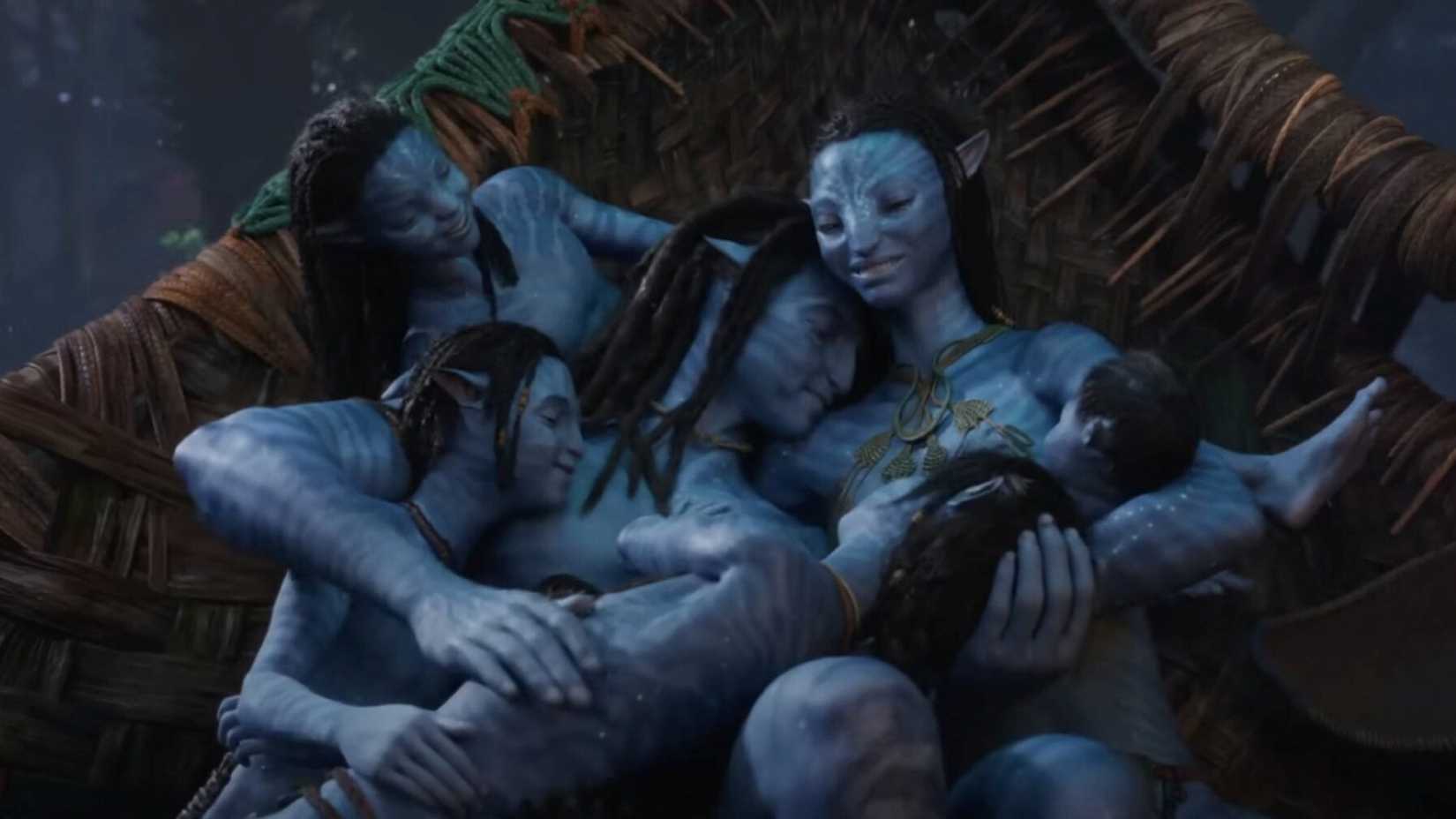
Image: 20th Century Studios
The Sully children face realistic struggles. They aren’t wrestling with ancient prophecies or galactic destinies; they are wrestling with their father’s expectations and their own identities as “half-breeds” in a world at war. Unlike Star Wars, where motherhood is often synonymous with tragedy or absence, Neytiri is a fierce, present force. In The Way of Water, her protection is primal, while Fire and Ash explores her darker, more complicated emotions—specifically her resentment toward Spider following the loss of her eldest son.

Image: 20th Century Studios
The Avatar sequels may lack the clean, mythic archetypes that Star Wars relies on, but they offer something more tangible. Every motivation—from Lo’ak’s desperation to prove his worth to Kiri’s connection to the planet—is rooted in the internal politics of the Sully family. Cameron has managed to build a narrative where the spectacle serves the family drama, rather than the other way around.
While the Skywalkers have become a weight that Star Wars is only now starting to shed, Cameron has successfully constructed a genuine family saga. Pandora might not be as vast as a galaxy far, far away, but the emotional roots of its inhabitants run much deeper.
Source: Polygon
Related articles
 Netflix Sets Avatar: The Last Airbender Season 3 for 2027 Release and Reveals Fire Lord Ozai
 FX Releases First Behind-the-Scenes Video for Season 2 of Alien: Earth
 CDPR Reveals Number of Developers Working on The Witcher 3 Expansion
 Experts Explain How Ray Tracing Impacts GTA VI Visual Quality
 CD Projekt Red Begins Development on New Game Outside The Witcher and Cyberpunk Franchises
 The Video Games and More You Should Play This Weekend – September 4, 2026
 Dragon’s Dogma 2 Receives Performance Boost From 25 to 60 FPS
 Devil May Cry Creator Reveals His Biggest Fear Beyond the Death of Physical Discs