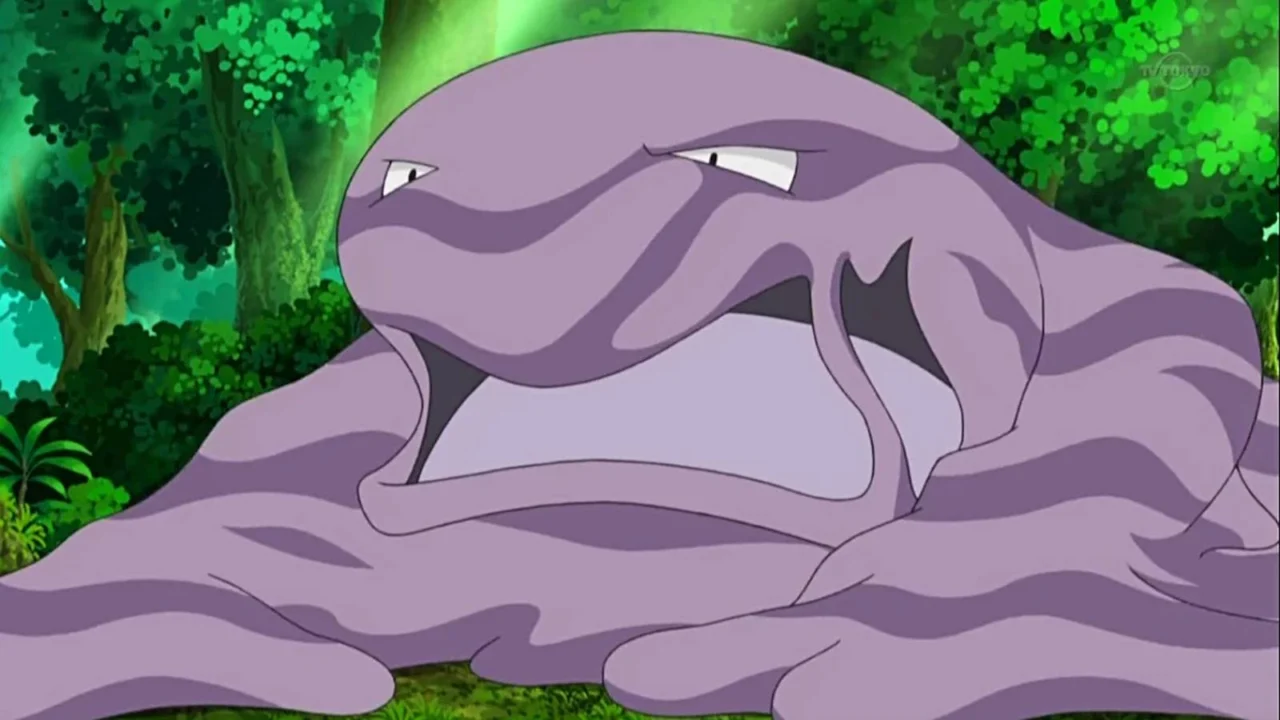
An Ode to the Underdogs: Celebrating the World’s Common Pokémon
I have a profound affection for the “trash” Pokémon. I’m not referring to the vacuous, smiling ice cream cones or the whimsical pastry dogs of recent generations. I mean the literal manifestations of refuse—the creatures forged from industrial sludge, discarded waste, and civic neglect. These entities fascinated me upon our first encounter and remain a primary reason why the Pokémon franchise captured my childhood imagination so vividly.
Most Pokémon inhabit familiar categories: animal, vegetable, or mineral. A small subset ventures into the uncanny, such as the humanoid enigmas like Mewtwo or the Hitmon duo. However, there exists an even more exclusive and bizarre collective—not merely inanimate objects like Klefki or Magnemite, but entities that defy biological classification entirely. These androgynous anomalies include:
A cursory glance at their Pokédex entries highlights their departure from natural order. Take Trubbish in Pokémon White: “The combination of garbage bags and industrial waste caused the chemical reaction that created this Pokémon.” Or the Pokémon Yellow description of Grimer: “Made of hardened sludge. It smells too putrid to touch. Even weeds won’t grow in its path.” Even Koffing, long regarded as a simple floating orb of gas, was eventually revealed in Alpha Sapphire to be a product of human error: “Koffing embodies toxic substances… it mixes toxins with raw garbage to set off a chemical reaction.”
They are the accidental offspring of natural forces colliding with anthropogenic pollutants. Through a strange, digital alchemy, life is sparked from the things we discard—a phenomenon that would make Victor Frankenstein envious. There is truly nothing else like them in the series’ history, spanning from the original 151 to the modern landscapes of Scarlet and Violet, or even the urban-centric Legends Z-A.
This mystical “in-between” state mesmerized my seven-year-old self when I first loaded Pokémon Blue in the late ’90s. The gritty synthesis of the organic and the industrial was unlike any media I had consumed. While I eventually realized that themes of environmental decay were prevalent in works like Nausicaä of the Valley of the Wind, my only reference point at the time was FernGully: The Last Rainforest. Yet, unlike the villainous, sentient smog of that film, these Pokémon felt like neutral, fascinating accidents of a changing world. This imaginative approach to biology is what indelibly etched the series into my psyche.
While Game Freak has pivoted toward sentient food and ancient monoliths in recent years, largely abandoning the concept of living pollutants, my appreciation for these sludge-born creatures remains unchanged. My enthusiasm for the franchise may have tempered over the decades, but I will always hold a special affinity for the discarded and the defiled—the true trash Pokémon.
Source: Polygon
Related articles
 Amazon’s Mass Effect TV Series Reportedly Still in Production Despite BioWare Closure
 Shadow of the Tomb Raider Unexpectedly Launches on Switch 2, Making Full Trilogy Available
 Nintendo’s Shigeru Miyamoto Selected as First Game Developer to Receive Japan’s Order of Culture
 Best DMZ Traits in Modern Warfare 4
 BioWare Veteran Explains Who Was Actually Responsible for Controversial Dragon Age Decisions
 PS5 Sales Jump Sharply in US as Xbox Hits New Record Low
 EA Could Sell Mass Effect After BioWare Closure, Former Producer Says
 6 Best Upcoming Steam Games Worth Adding to Your Wishlist