8 Best BioWare Games That Aged Like Fine Wine
A rogue wolf pack can abruptly shatter a Baldur’s Gate 1 journey mere moments after the tutorial concludes. A neglected squadmate in Mass Effect 2 can perish permanently during an overlooked mission. Meanwhile, a forgotten Nintendo DS Sonic RPG wraps up its narrative with the heroes saving the universe—only to return home and discover that Dr. Eggman has conquered Earth in their absence. While most gamers recognize BioWare primarily as the legendary studio behind Mass Effect, that perception barely scratches the surface of their astonishingly diverse design history.
Intricate dungeon crawlers, companion approval mechanics that modern role-playing games still emulate, fluid martial arts combat, and even a heavily criticized title concealing a magnificent flight engine—all of this and more resides within BioWare’s expansive repertoire. These eight titles remain remarkably compelling today, whether you seek an engrossing narrative, robust mechanics, or unexpected narrative twists that linger in your memory long after the credits fade.
8
Mass Effect 2 (2010)
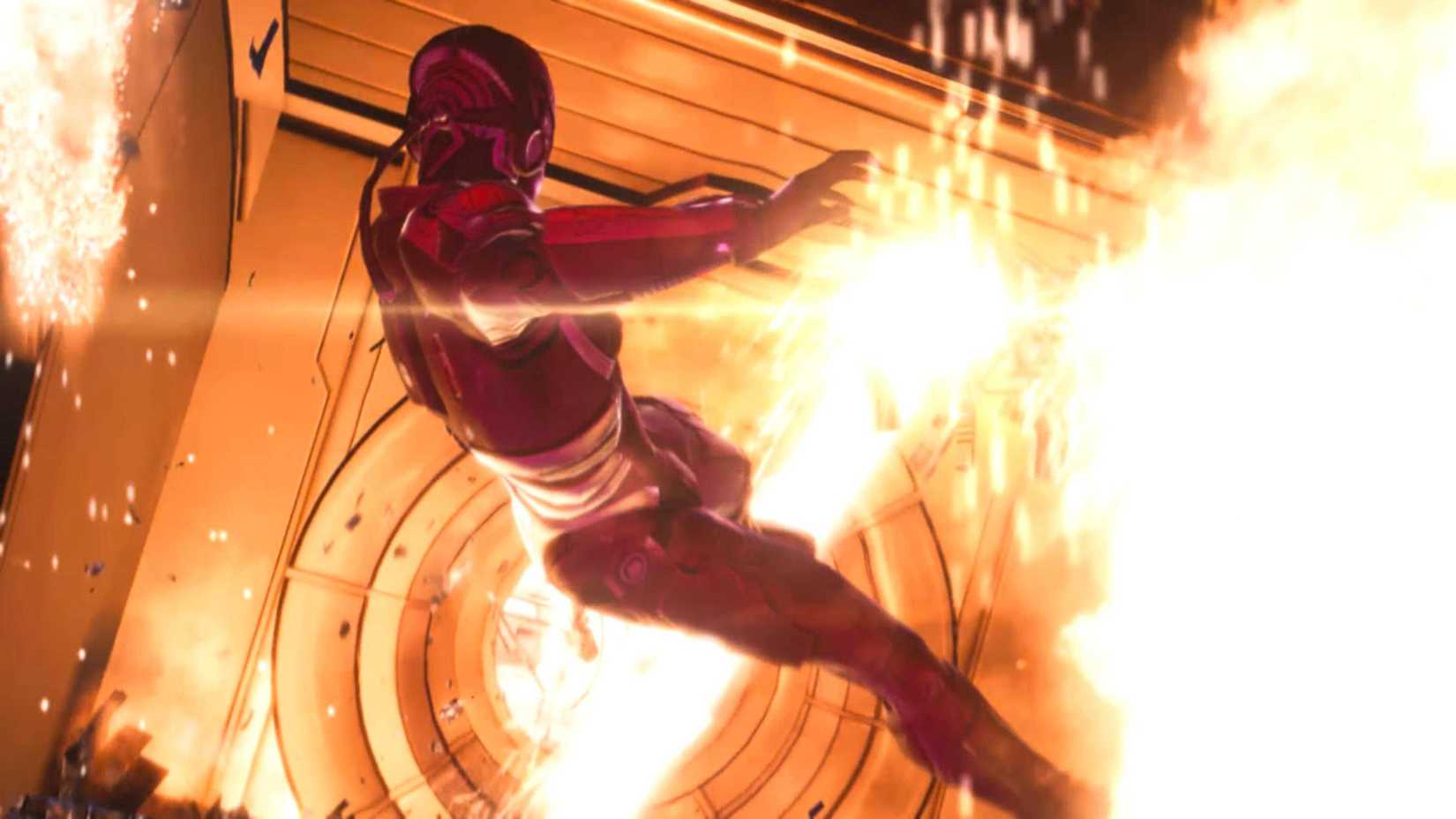 Image: BioWare/EA via Polygon
Why it still holds up: Neglecting a teammate’s loyalty mission can result in their permanent demise during the harrowing finale.
Disregard a companion’s personal struggles, and the consequences materialize not as simple numerical penalties, but as permanent vacancies in your roster during the endgame. In Mass Effect 2, Commander Shepard spends the campaign assembling an elite squad of specialists to combat the Collectors—an operation where survival is far from guaranteed for everyone involved. The roster features compelling personalities like Mordin, a salarian scientist burdened by a profound moral debt; Legion, a geth striving to understand its own consciousness; and Thane, a terminally ill assassin seeking quiet closure. Every hour invested in earning their allegiance yields tangible narrative dividends during the climactic assault on the Collector base. Mercy is entirely absent here; a single misjudged conversation or poor tactical decision under duress means a beloved character simply perishes, leaving an irreplaceable void for the remainder of the trilogy.
7
Dragon Age: Origins (2009)
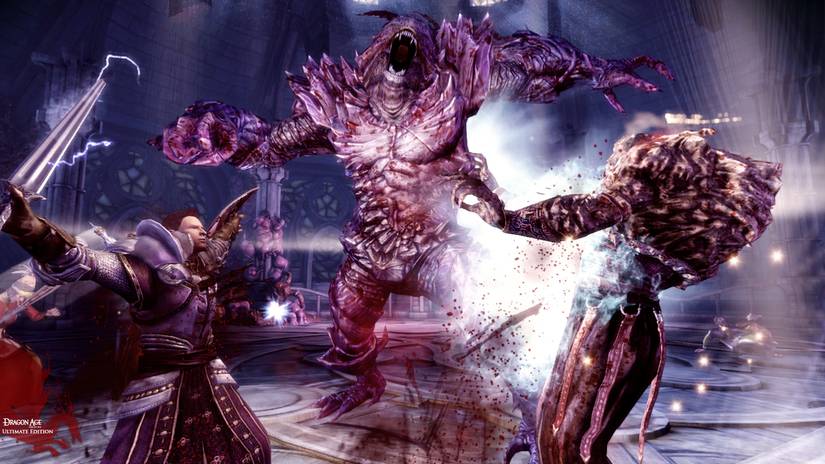 Image: BioWare/Electronic Arts
Why it still holds up: Dynamic companion reactions evaluate your behavior in real-time, standing as one of the genre’s finest implementation frameworks.
Six distinct prologue experiences—ranging from a human noble to an elven mage or dwarven commoner—ultimately converge upon the overarching struggle against the apocalyptic Blight. Choosing a different origin grants a uniquely tailored perspective on the universe of Dragon Age: Origins, alongside radically varied interpersonal dynamics. Your party members actively evaluate your background, dialogue choices, and actions dynamically rather than at rigid narrative milestones, imbuing them with genuine life. Morrigan openly favors ruthlessness, whereas Alistair fiercely condemns it. Overstep boundaries, and companions may abandon your cause entirely. Avoiding excessive spoilers, the game culminates in a deeply unsettling Faustian bargain with a witch to ensure survival—a bizarre ritual that enthusiasts still passionately debate years later, representing one of the most morally complex dilemmas ever conceived in role-playing history.
6
Knights of the Old Republic (2003)
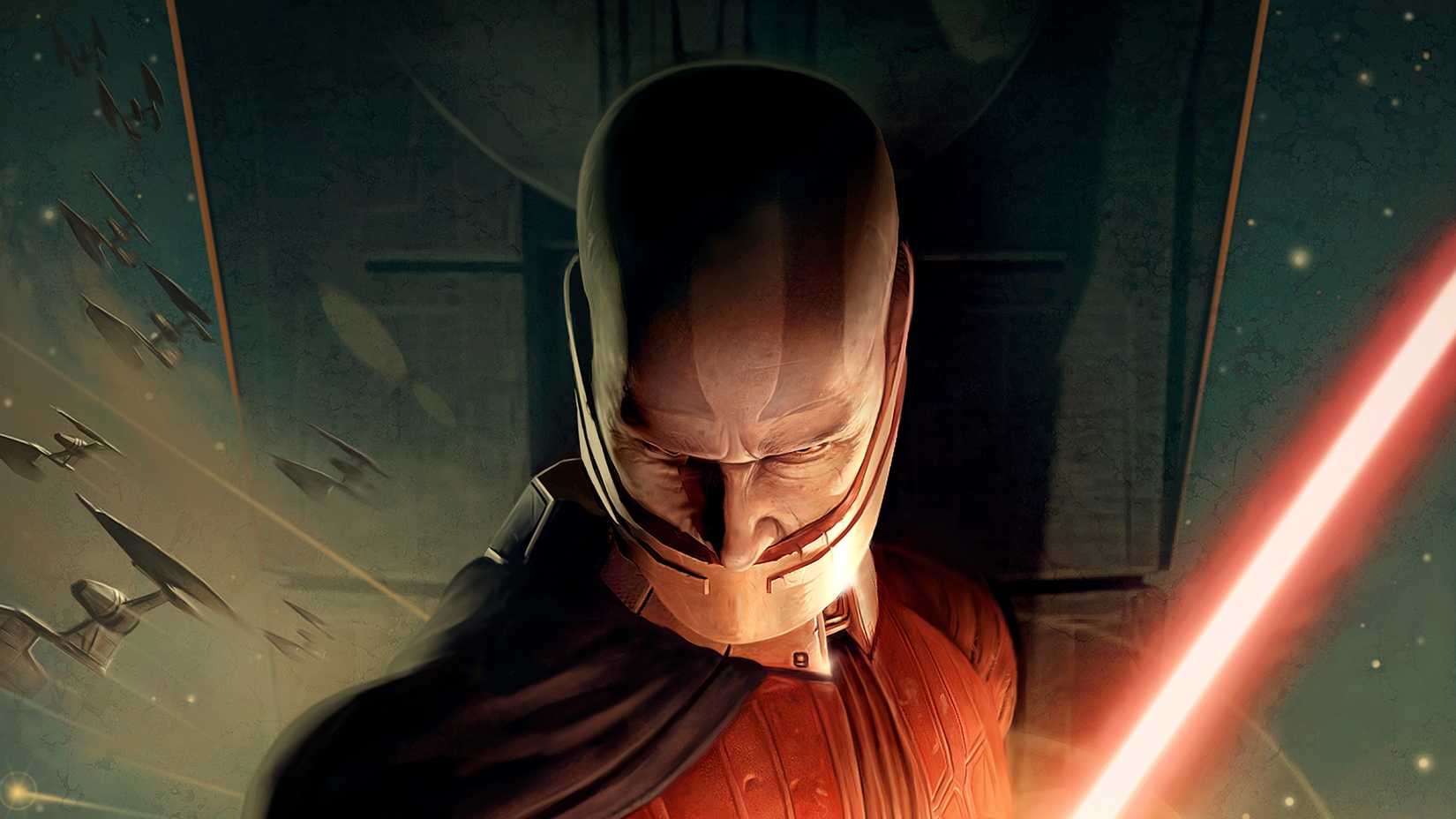 Image: BioWare/LucasArts
Why it still holds up: Its moral alignment framework evaluates accumulated actions rather than isolated dialogue prompts, setting a standard few successors have matched.
At the midpoint of Star Wars: Knights of the Old Republic, a routine narrative recovery mission transforms into one of the most celebrated plot twists in interactive entertainment. The revelation resonates so profoundly precisely because the game’s morality system monitors concrete player behavior throughout the campaign rather than relying on superficial conversation selections. Consequently, descending toward the dark side—or striving to remain a paragon of virtue—feels genuinely earned rather than artificially imposed. It remains a benchmark narrative twist to which contemporary role-playing games are frequently compared.
5
Baldur’s Gate (1998)
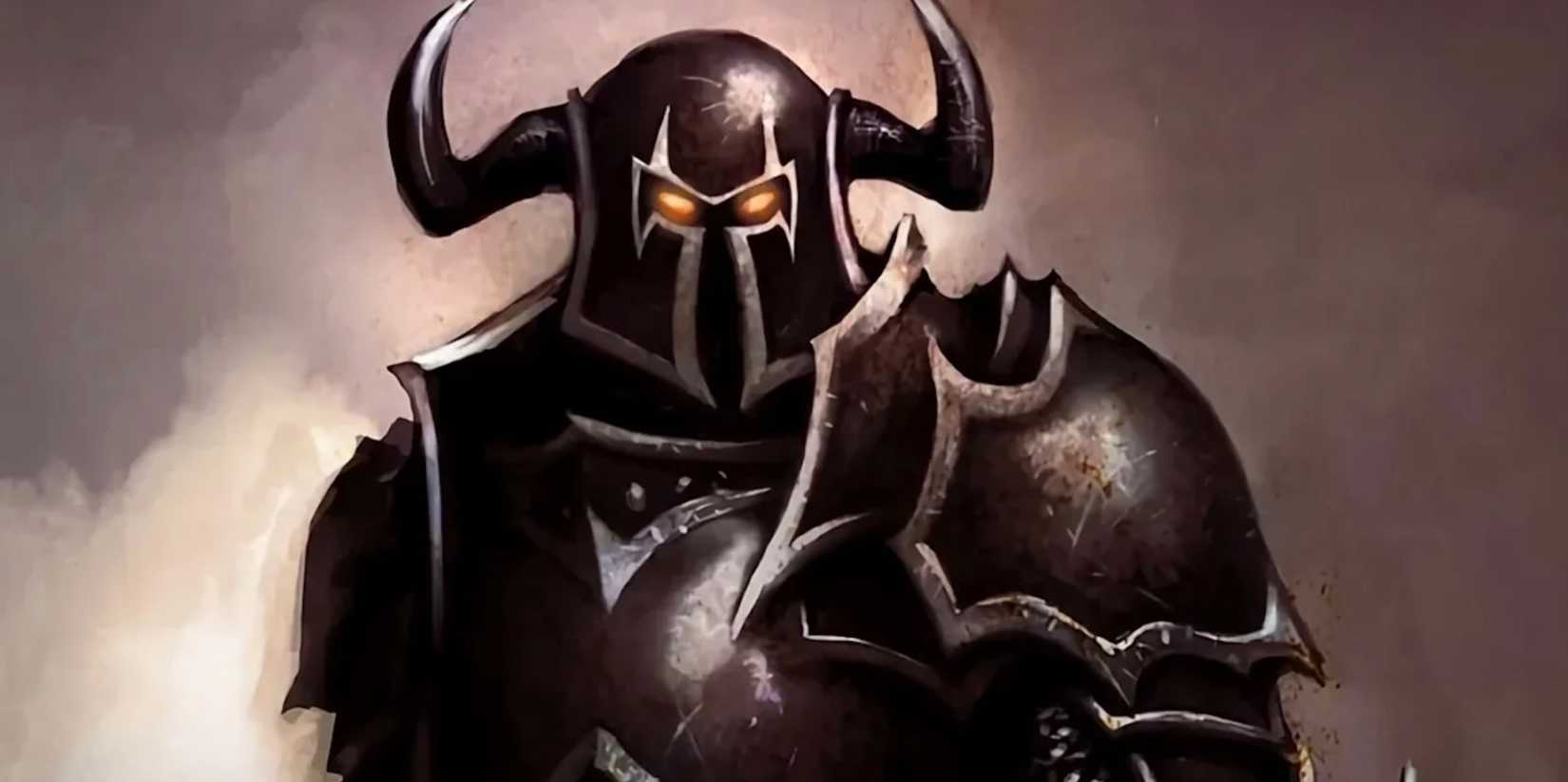 Image: BioWare
Why it still holds up: A sophisticated real-time-with-pause tactical system unforgiving enough that a pack of wolves can still obliterate an unprepared party.
Long preceding the triumph of Baldur’s Gate 3—and even BioWare’s own acclaimed sequel—a modest band of adventurers stepped out of Candlekeep only to be swiftly devoured by wolves within their first hour of exploration. BioWare engineered the tactical real-time-with-pause combat directly around the intricate Advanced Dungeons & Dragons 2nd Edition ruleset—an infamously complex tabletop framework, notoriously epitomized by THAC0—refusing to water down the mechanics for mainstream appeal. This seminal project proved that computer role-playing games could support genuine tactical depth on personal computers rather than merely simulating hidden dice rolls. Furthermore, the proprietary Infinity Engine established the technological foundation for BioWare’s subsequent masterpieces.
4
Jade Empire (2005)
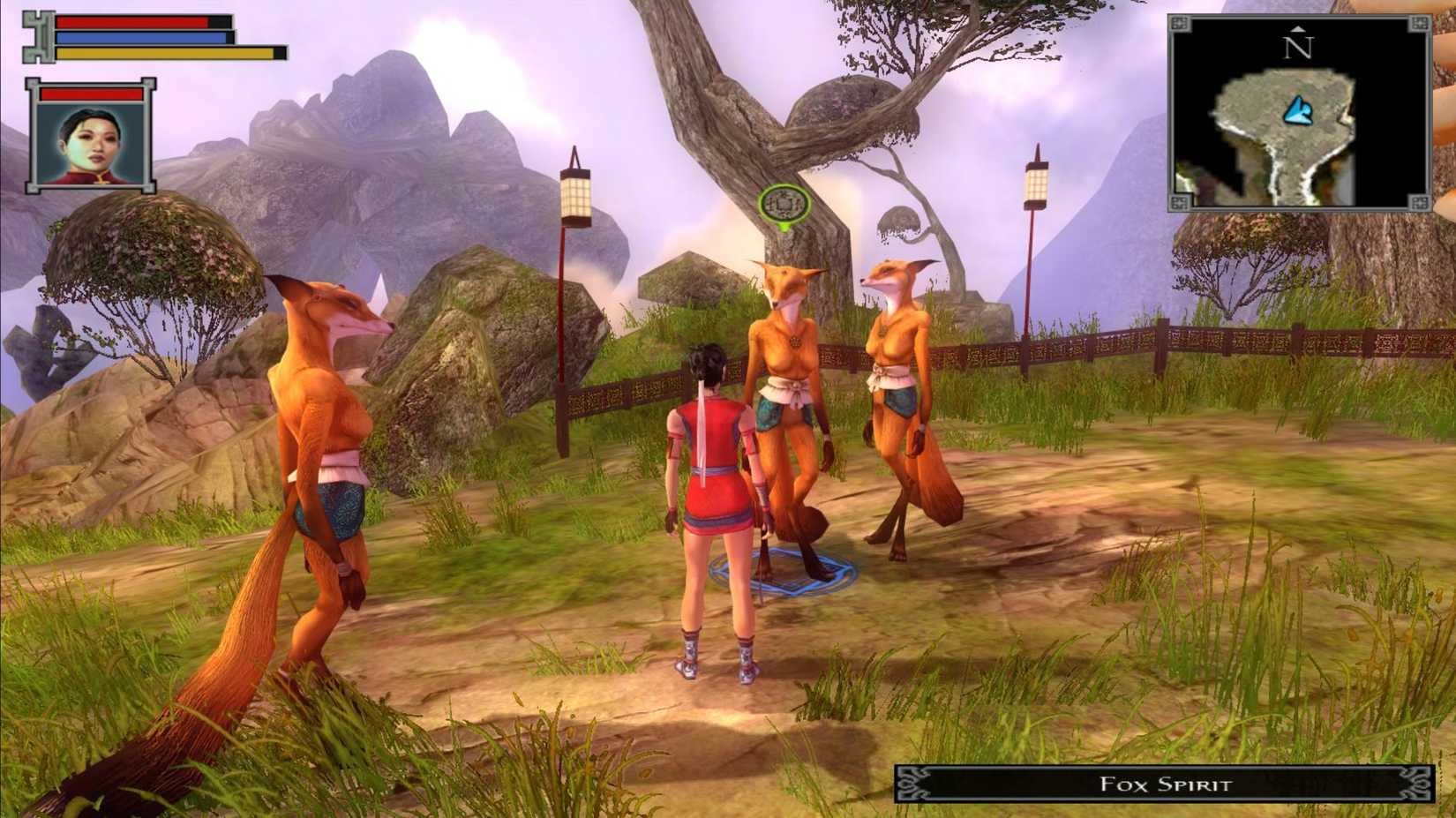 Image: BioWare
Why it still holds up: Seamless mid-combo style switching lets you transition instantly from martial arts brawling to elemental sorcery or demonic transformation.
Immersed in a mythological interpretation of ancient China, Jade Empire allows players to fluidly interchange combat disciplines mid-combo—shifting from bare-handed strikes to elemental mysticism and supernatural transformations into towering fiends on the fly. Its philosophical alignment framework, divided between the disciplined Open Palm and uncompromising Closed Fist, evaluated tangible actions rather than merely tracking dialogue tree intentions years before such design choices became commonplace. Although Jade Empire never received the intended sequel, its innovative combat mechanics remain remarkably advanced compared to contemporary encounter design.

Free sign-up
Get Polygon’s Wishlister newsletter
A weekly cheat sheet to what you’ll eventually love to play. No buying, no
commitment — just saving for later.
Sign up free
Free. Unsubscribe anytime.
3
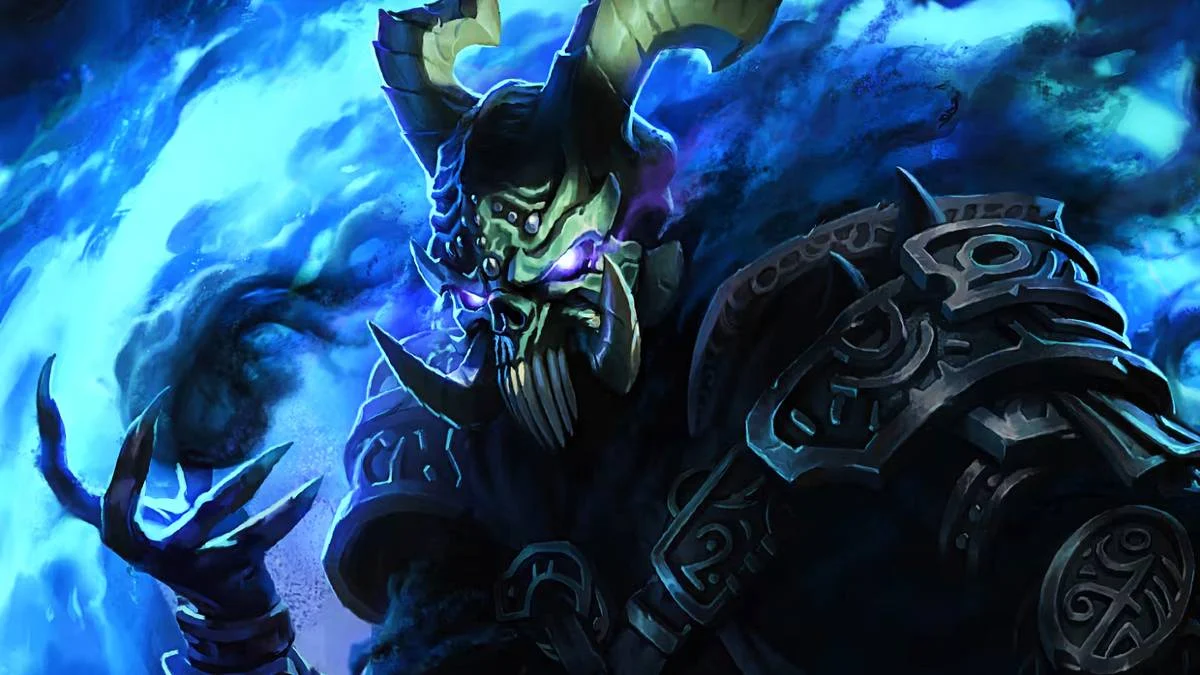
Neverwinter Nights 2: Mask of the Betrayer (2007)
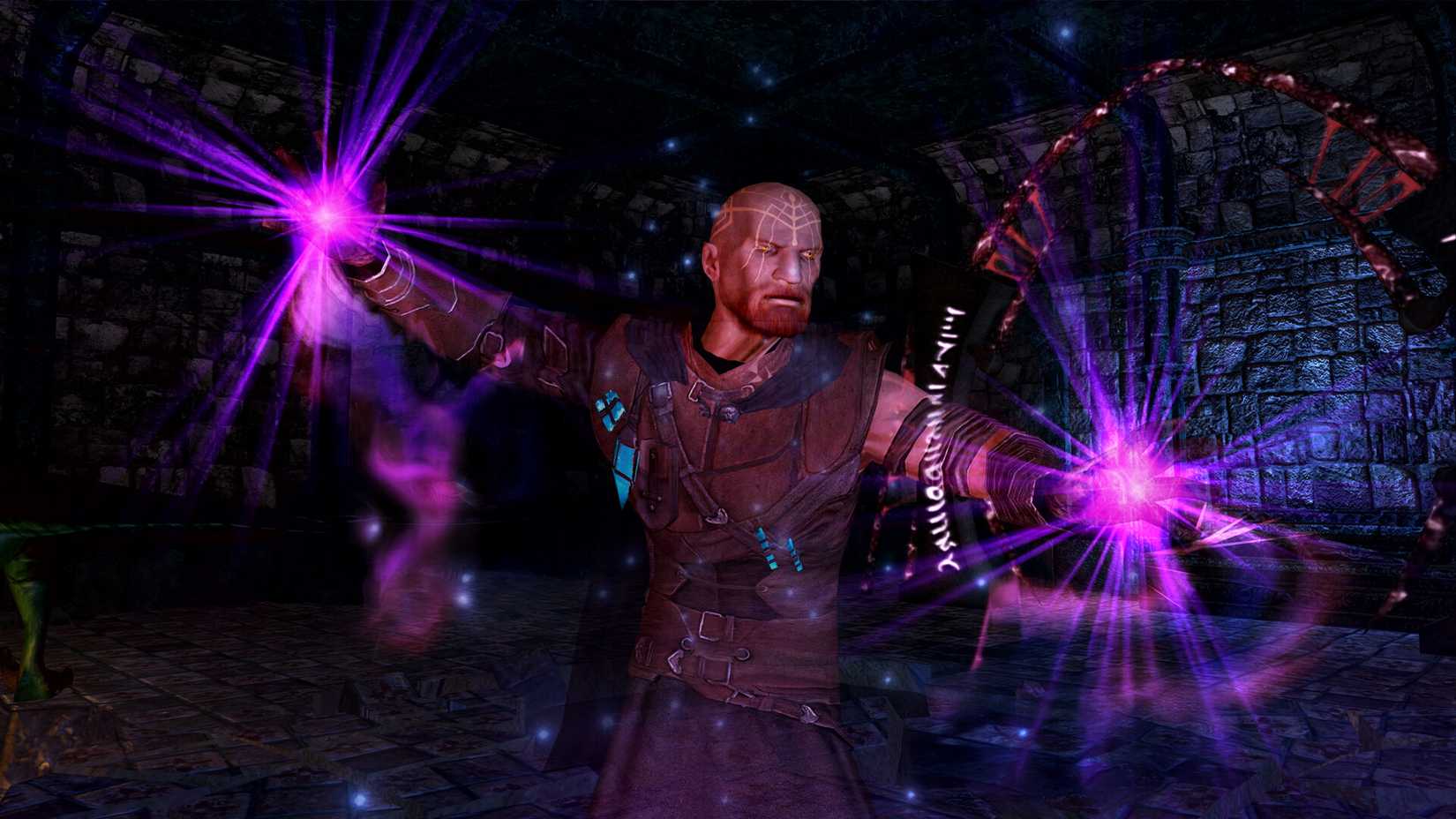 Image: Aspyr Media
Why it still holds up: An innovative hunger mechanic transforms morality into an ongoing survival imperative rather than abstract dialogue options.
Rooted in BioWare’s Neverwinter Nights framework and crafted by Obsidian Entertainment, Mask of the Betrayer is frequently celebrated as one of the finest narratives born from that creative partnership. Regrettably, it suffered from sparse commercial recognition upon release, making it an essential hidden gem to experience today. The narrative premise is devastating: the protagonist awakens afflicted by a supernatural hunger that demands consuming other souls to sustain existence, transforming fundamental survival into a harrowing moral dilemma instead of a routine resource meter. Compelling companions like the ursine spirit Okku and the exiled priestess Safiya articulate deep philosophical examinations concerning faith and divinity. While Neverwinter Nights 2 provided a phenomenal foundation, this expansion continues to captivate passionate discussions nearly two decades later, offering the rewarding sensation of unearthing buried treasure.
2
Sonic Chronicles: The Dark Brotherhood (2008)
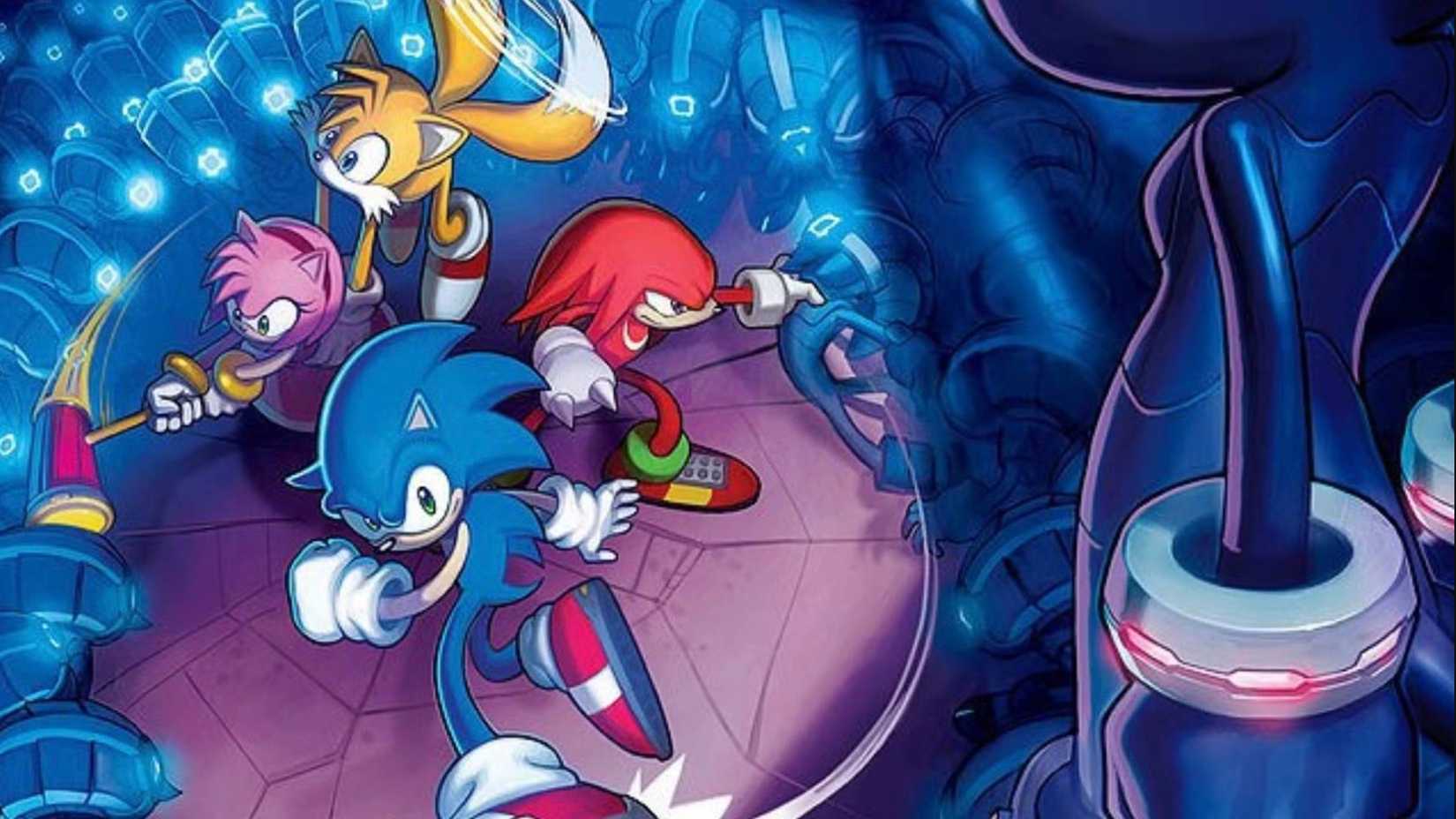 Image: BioWare
Why it still holds up: Yes, BioWare actually developed a Sonic role-playing game—and yes, it genuinely succeeded.
Amidst the development of Mass Effect and Dragon Age, BioWare surprised the industry by producing a turn-based Nintendo DS RPG starring Sonic the Hedgehog, featuring contributions from future Dragon Age lead writer Mike Laidlaw. Combat utilized the DS touchscreen, swapping standard button tapping for rhythmic stylus inputs. The storyline embraced unexpected narrative complexity far surpassing expectations for what could have easily been a superficial licensed tie-in. Midway through the adventure, the leader of the Nocturnus Clan betrays his second-in-command by casting her off a floating island, triggering a catastrophic descent that sends Angel Island crashing directly into a metropolis.
While it may not qualify as a lost masterpiece, it stands as a thoroughly competent role-playing game that unexpectedly featured Sonic, crafted by a studio incapable of phoning in their creative endeavors regardless of the subject matter.
1
Anthem (2019)
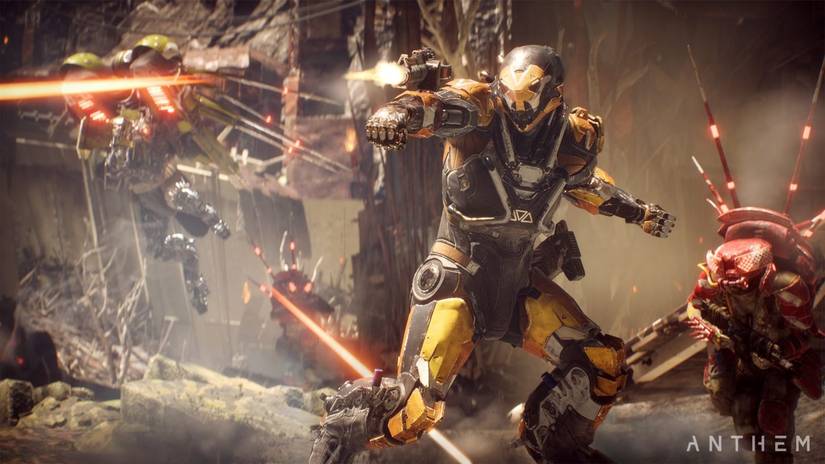 Image: BioWare/Electronic Arts
Why it still holds up: Exquisite flight mechanics that enable seamless free-falls from the upper atmosphere directly into subterranean aquatic caverns without a single loading screen.
Anthem remains, by virtually all accounts, one of BioWare’s most notable missteps—a critically panned live-service shooter that Electronic Arts ultimately abandoned in 2021 after canceled overhaul plans. Yet, even the most severe reviews universally lauded a singular triumphant element: flight. Tom’s Guide specifically highlighted the exceptional flight handling as a core redeeming quality. Piloting a Javelin exosuit—diving gracefully from open skies into hidden underwater grottos with zero loading interruptions while executing sharp banks and boosts—delivered a visceral sense of kinetic momentum that few subsequent games have managed to replicate.
Admittedly, not every project in BioWare’s catalog achieved timeless status. Dragon Age 2’s accelerated production schedule remains a textbook illustration of the perils of rushing a talented development team. However, these missteps only serve to heighten the brilliance of BioWare’s undisputed masterworks. These pioneering titles transformed the gaming landscape—and influenced generations of players—permanently. Whether your preference lies with CRPGs, sweeping space operas, or a high-speed blue hedgehog, each of these experiences merits your attention today.
Related articles
 Tekken 8 Character Reina Coming to Fatal Fury: City of the Wolves in December
 Paul Verhoeven Joins New RoboCop Series as Producer
 Developers Find Method to Run PS5 Games on PC Without Emulation
 Crunchyroll Reveals Title and Plot Details for The Apothecary Diaries Anime Film
 Ghost of Tsushima Legends Anime Delayed to 2028
 Charlie Cox Addresses Future as Daredevil After Series Finale
 50 Cent and Noah Centineo Fight in Times Square Arcade Stunt
 Disney World and Disneyland Raise Ticket and Parking Prices