
6 Essential Terms for Navigating the Complex World of Anime

Quick Navigation
If you’ve found yourself scrolling through anime discussions only to be stumped by terms like “Shonen” or “Isekai,” you aren’t alone. As Japanese animation continues its ascent into the cultural mainstream, the vocabulary surrounding it has become increasingly vital for viewers. Whether you’re a curious newcomer or a seasoned fan looking for precision, this glossary serves as your roadmap through the medium’s diverse landscape.
Decoding the world of anime can feel daunting, particularly for those who weren’t part of the Toonami generation. The medium utilizes a unique classification system that often prioritizes target demographics over traditional Western genre tropes. Understanding these foundational pillars is the first step toward a deeper appreciation of the stories you consume. As the industry expands, these basic demographic distinctions are becoming essential household terms.
Below, we break down six essential categories that define the anime experience. If there’s a specific term or sub-genre you feel we’ve missed, feel free to drop a suggestion in the comments, and we may expand our guide in the future.
Shonen

Shonen is arguably the most recognizable pillar of the anime world, housing global icons like One Piece, Dragon Ball Z, and Jujutsu Kaisen. Translated literally as “young boy,” the category traditionally targets a male audience between 12 and 18. However, its reach is far more universal, captivating fans of all ages and genders through its emphasis on kinetic action and high-stakes drama.
The core of Shonen lies in themes of self-improvement, the “power of friendship,” and the relentless pursuit of one’s dreams against impossible odds. Most series follow a high-energy protagonist who matures through rigorous training, intense tournaments, or epic battles. Whether it’s the lighthearted adventure of Dragon Ball or the grim, philosophical weight of Attack on Titan, Shonen remains the industry’s most powerful engine—much of which is fueled by the legendary Weekly Shonen Jump magazine.
Shojo

While Shonen targets young men, Shojo focuses on “young girls,” typically those aged 10 to 18. This demographic gave birth to masterpieces like Sailor Moon and Fruits Basket. Rather than focusing solely on physical combat, Shojo prioritizes emotional intelligence, intricate interpersonal relationships, and the complexities of the heart. These stories often blend “magical girl” fantasy with relatable high-school drama or poignant romance.
Visually, Shojo is known for its evocative art style, using expressive eyes and flowery backgrounds to mirror a character’s internal state. The protagonists are often young women discovering their self-worth or navigating the turbulent waters of first love. It is a genre that celebrates vulnerability as a strength, proving that emotional growth is just as heroic as winning a fight.
Seinen

Seinen, meaning “young man,” is the grittier, more sophisticated counterpart to Shonen. Aimed at adult men (roughly ages 18 to 40), Seinen permits a level of violence, psychological depth, and thematic complexity that Shonen often avoids. Influential works like Berserk, Vinland Saga, and Ghost in the Shell dwell in these shadows.
In Seinen, the line between hero and villain is frequently blurred. The storytelling is often more cinematic and experimental, tackling mature subjects like political corruption, existential dread, and the crushing weight of trauma. While it can be visceral and bloody, Seinen is equally capable of being quiet and contemplative, offering a “prestige drama” experience within the medium of animation.
Josei
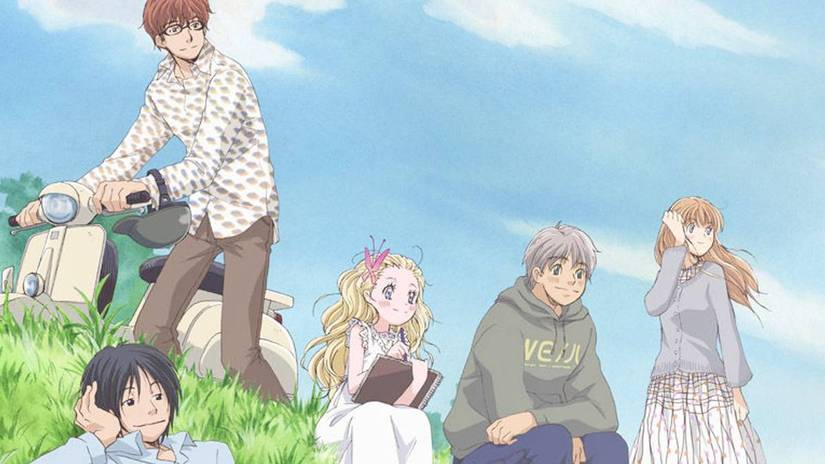
Just as Seinen matures beyond Shonen, Josei serves as the adult evolution of Shojo. Targeted toward women from their late teens through adulthood, Josei strips away the “fairytale” lens often found in younger demographics. It offers a grounded, sometimes painfully honest look at the realities of modern life, including career struggles, sexual relationships, and the breakdown of friendships.
In Josei titles like Nana or Honey and Clover, problems aren’t solved by magic or simple speeches. The characters feel like real people—flawed, messy, and navigating a world that doesn’t always provide a happy ending. It is a genre defined by its authenticity and its willingness to explore the nuance of the adult female experience.
Kodomomuke
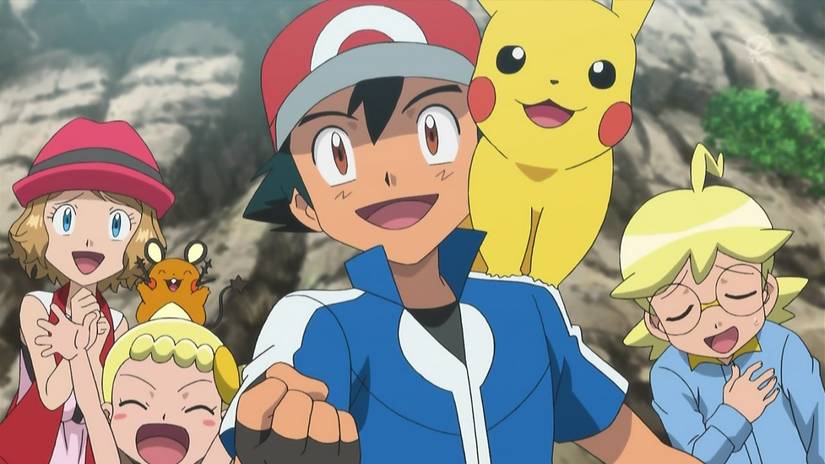
Kodomomuke is anime specifically designed for children, typically those between 3 and 10 years old. These series are the cultural equivalent of Western educational programming, focusing on core values like kindness, sharing, and teamwork. While Shonen can occasionally venture into darker territory, Kodomomuke maintains a bright, optimistic tone throughout.
Iconic examples include Pokémon and Doraemon. These shows often utilize episodic structures that are easy for young minds to follow, teaching moral lessons through imaginative adventures. While primarily for kids, many adults find a sense of comfort and nostalgia in the wholesome, stress-free nature of the genre.
Isekai

Unlike the demographic terms above, Isekai (meaning “another world”) is a specific sub-genre that has exploded in popularity over the last decade. The premise is simple: a person from our mundane world is transported, reincarnated, or trapped in a parallel universe—usually one steeped in fantasy or RPG mechanics. It is the ultimate form of escapism, often featuring long, descriptive titles like That Time I Got Reincarnated as a Slime.
The hook of Isekai is watching an average individual utilize their modern knowledge or newfound “cheat” abilities to thrive in a foreign land. Whether it’s the dark psychological loops of Re:Zero or the satirical comedy of KonoSuba, Isekai remains a dominant force in modern anime storytelling, building on the legacy of classics like InuYasha.
Source: Polygon
Related articles
 Sony Lawyer Responds to Lawsuit Over Digital PlayStation Game Ownership
 Microsoft Announces Upcoming Xbox Game Releases
 Square Enix Shares Details on Kingdom Hearts IV and a Controversial Compromise
 How Counter-Strike: Global Offensive Began as an Xbox 360 Port
 Cyberpunk 2077 Leaving Xbox Game Pass This Month
 Rhythm Heaven Groove Returns to Number One in Japan as Sales Approach One Million
 Gate Zero Resembles Mix of Assassin’s Creed and Sci-Fi
 Exclusive Preview Released for The Art of KPop Demon Hunters Ahead of Launch