25 Years On, GTA 3 Remains the Most Fascinating Open-World Experiment
It’s October 2001, and you’re standing in a dimly lit game store. Row after row of boxes wait on the shelves while you scan the titles, unsure which one will go home with you. You can only afford one. Your eyes keep bouncing between Devil May Cry, Silent Hill 2 and Ico, all of which suit the pre-Halloween mood. The clerk sees you dithering (and your mother’s growing impatience), walks over, and puts a game in your hands that you had never heard of until that moment.
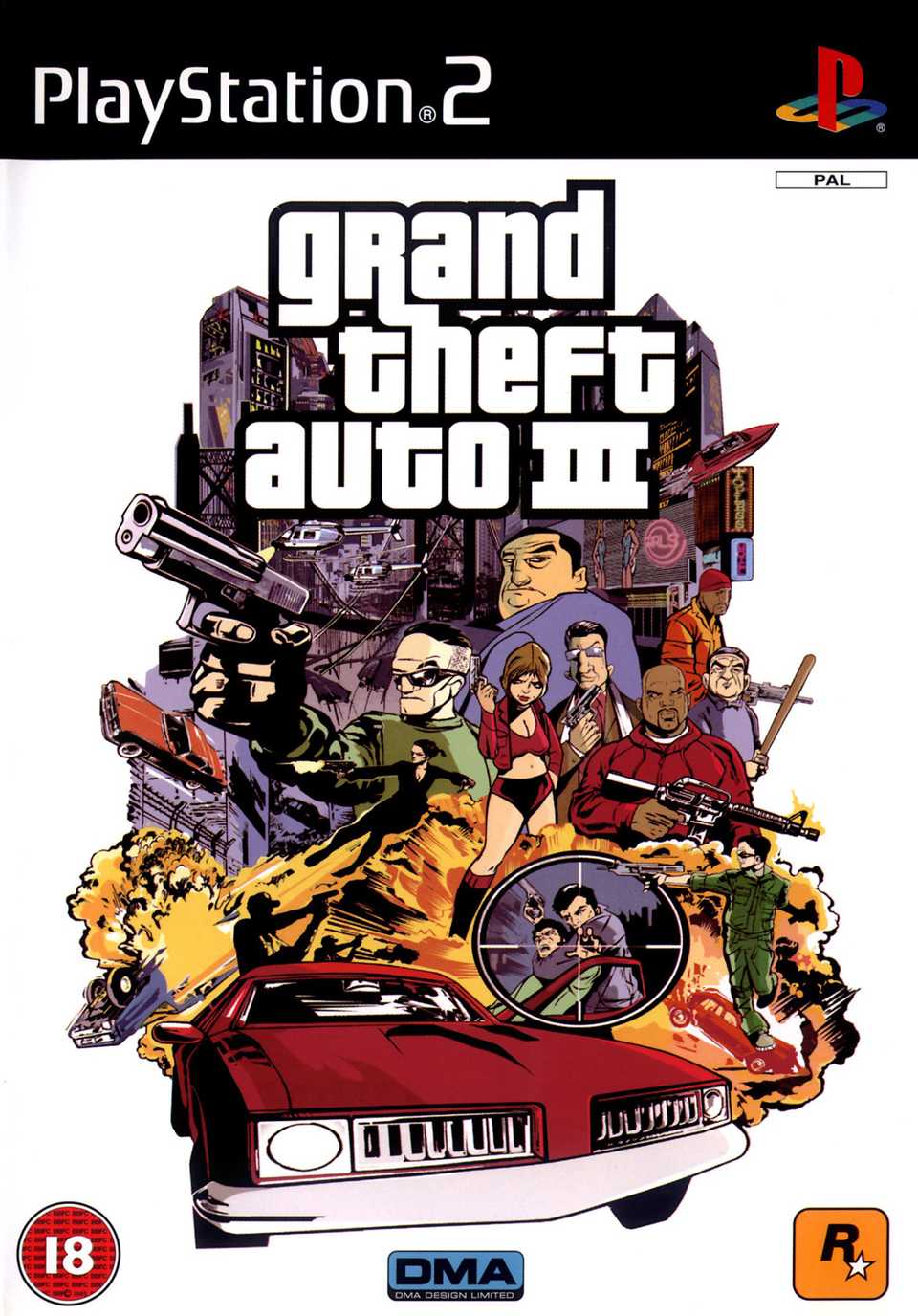
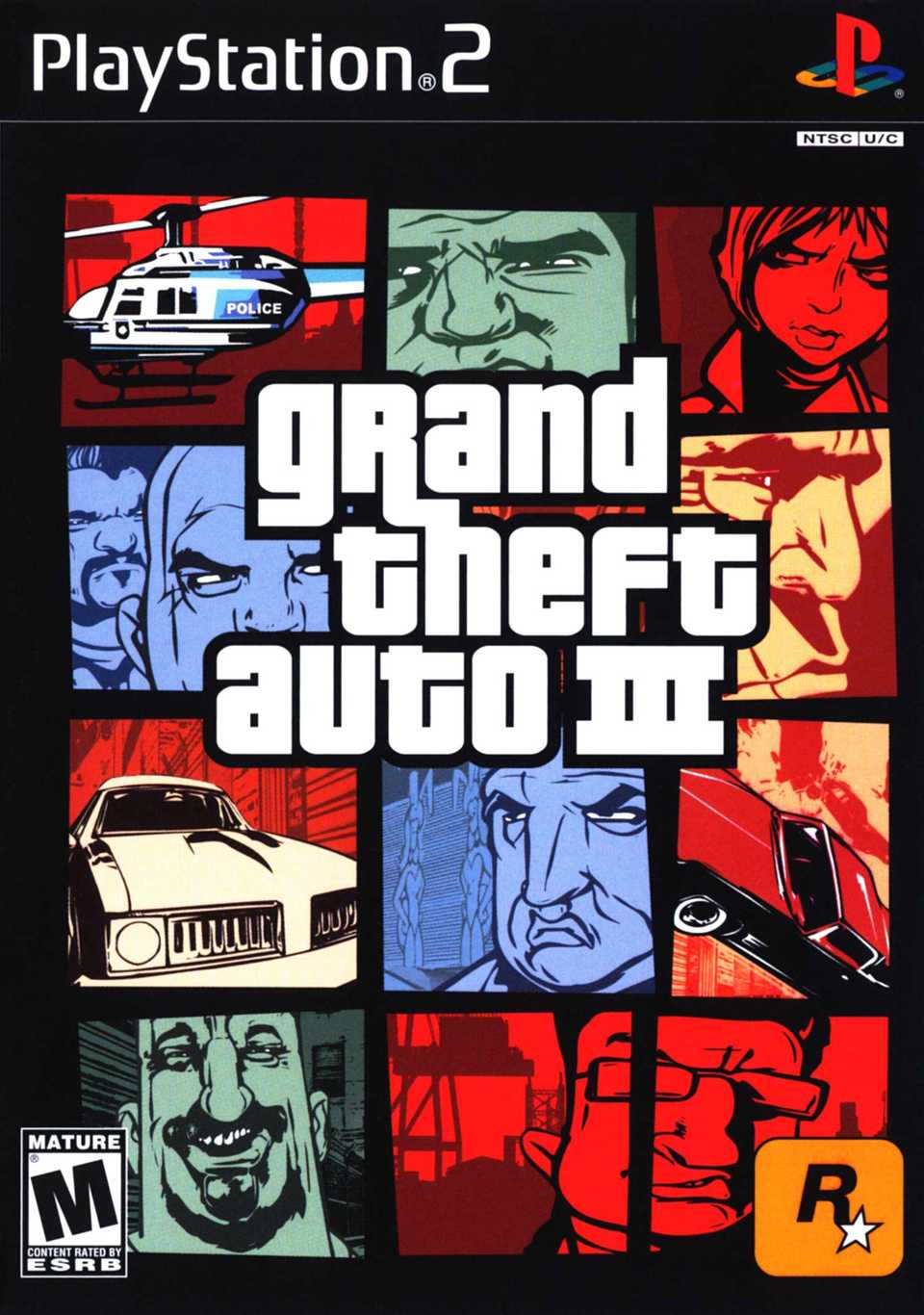
The cover is nothing special: a collage of faces, a police helicopter and a burning car, all washed in red, blue and green. Your gut says to stick with Silent Hill 2, the game you came for. Something nags at you, though. Maybe it’s the clerk’s talk of an open world, or maybe the name simply rings a bell. Whatever the reason, you make the call. You have no idea that you’re carrying home one of the greatest achievements in the history of video games.
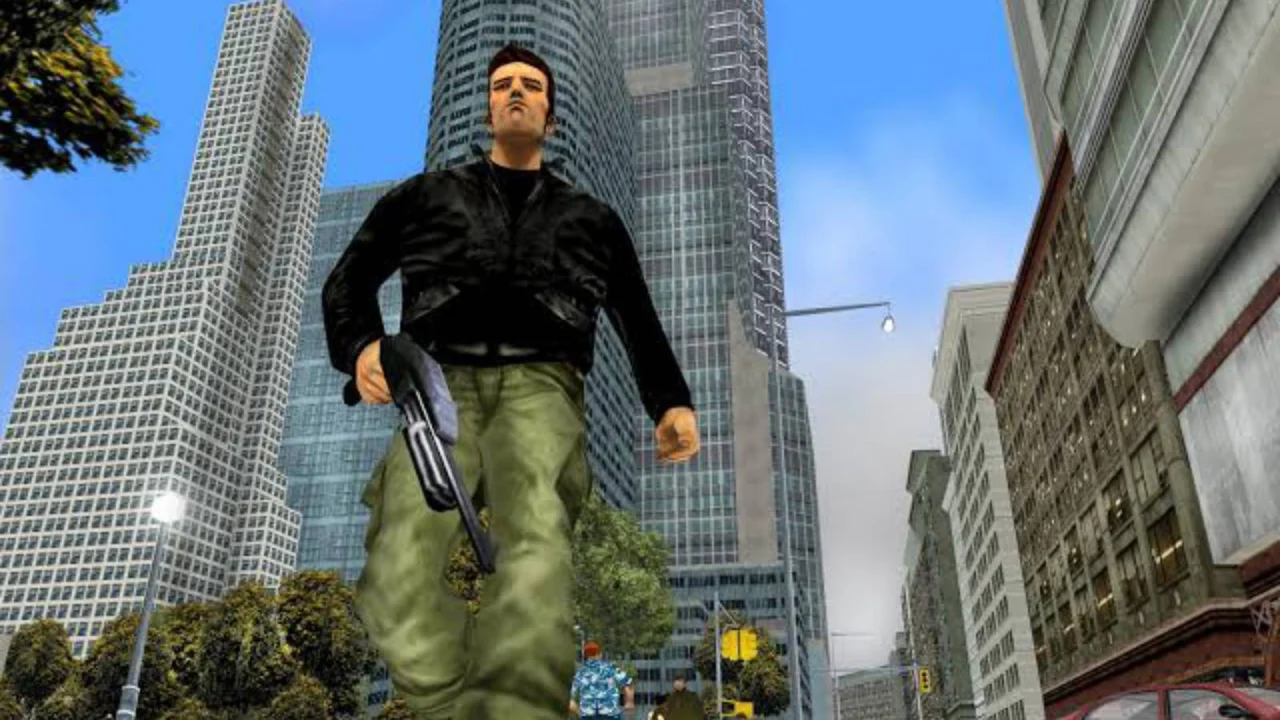
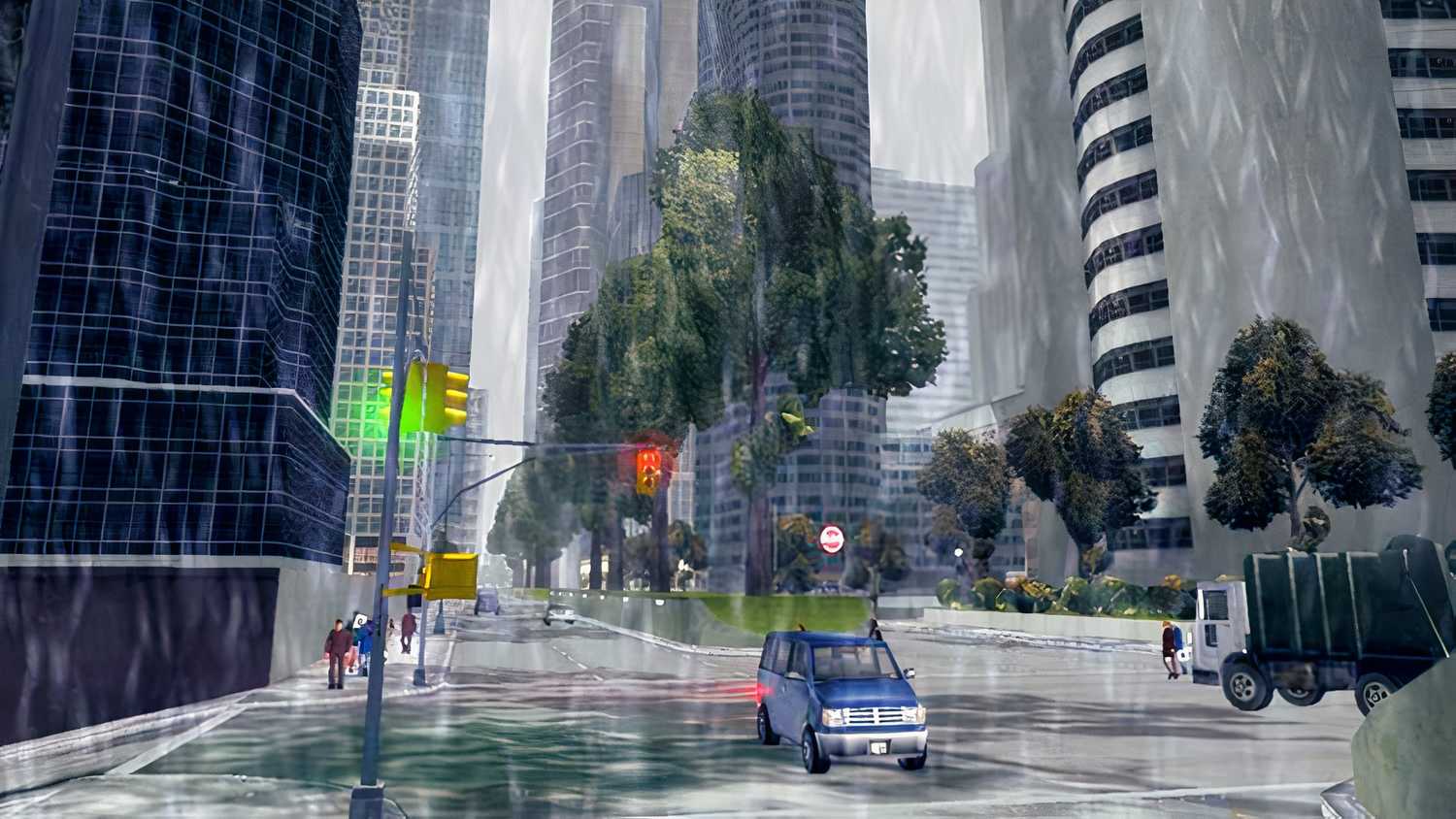
Grand Theft Auto 3 hit like a shot of pure adrenaline. It redrew the map of what 3D open-world design could be and made its possibilities feel nearly endless. Rockstar co-founder Dan Houser described the setting as “an old, post-industrial American city.” It blended Chicago, Pittsburgh, Detroit, Philadelphia and, above all, New York. Grim alleyways, crowded sidewalks and skyscrapers that scraped the clouds made it dwarf many of the celebrated worlds before it, from The Legend of Zelda: Ocarina of Time to Driver. The city was called Liberty City. No game had ever packed that much vertical scale into a 3D space that behaved like a living ecosystem, with people and surroundings reacting to your every move. Many believed it couldn’t be done on the hardware of the day, and Rockstar pulled it off with almost no loading screens.
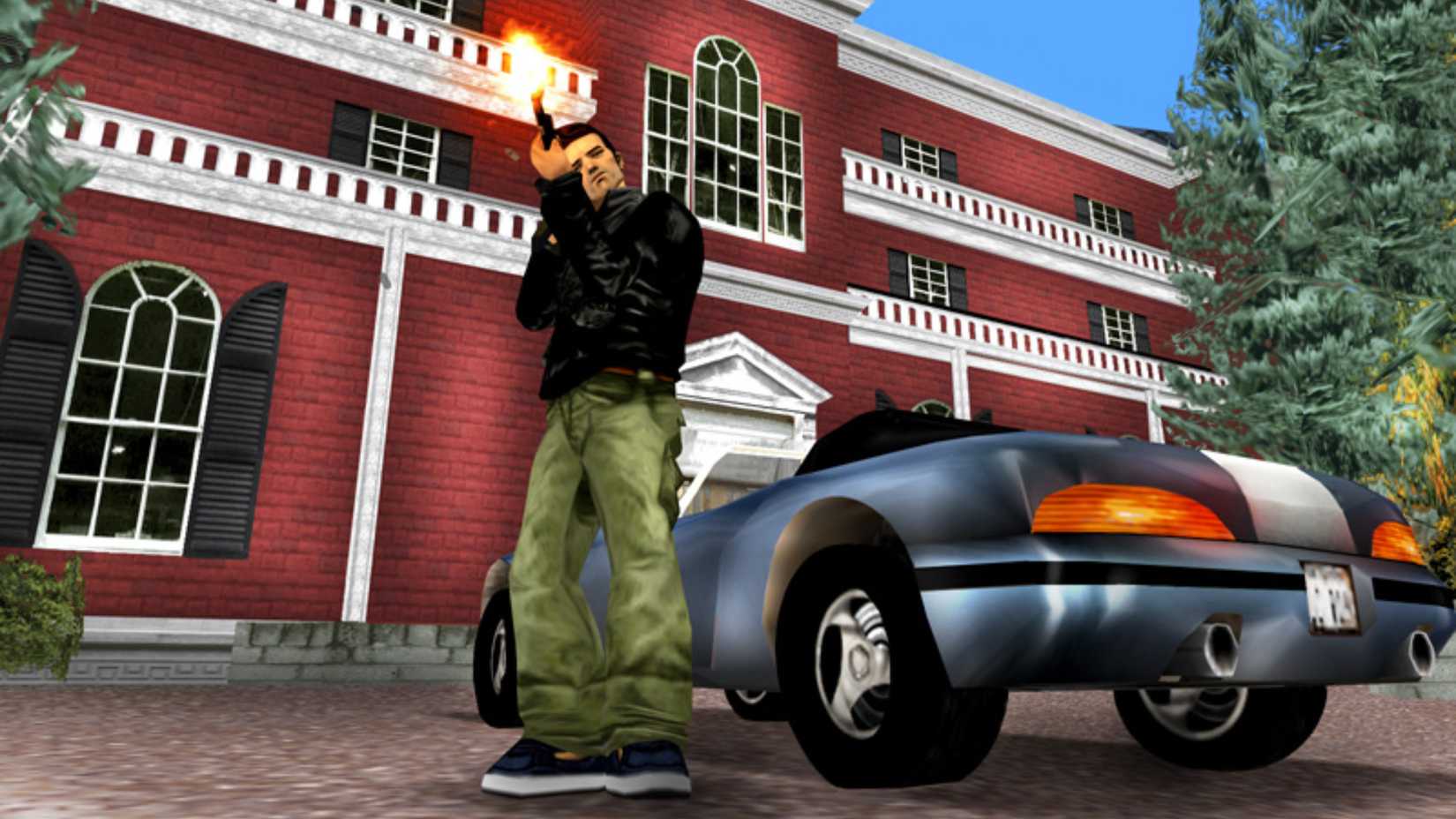
Like almost everything the studio made for the platform, GTA 3 squeezed the PlayStation 2 for every last drop of power. The developers at DMA Design (now Rockstar North) had to funnel roughly 130MB of animations, textures, models and audio through the console’s mere 32MB of system memory. A single Liberty City island alone accounted for about 50MB of static geometry. The solution was a dynamic streaming system that loaded sections of the map ahead of the player and discarded the ones left behind. That’s why buildings and streets sometimes materialized before your eyes if you glanced back while speeding along. Where code fell short, the team improvised: they bent roads into curves to tame fast cars, added a touch of aerodynamic drag so vehicles couldn’t outrun the disc reader, and limited active traffic to eight models. What technical leads Adam Fowler, Obbe Vermeij and their colleagues achieved was close to sorcery.
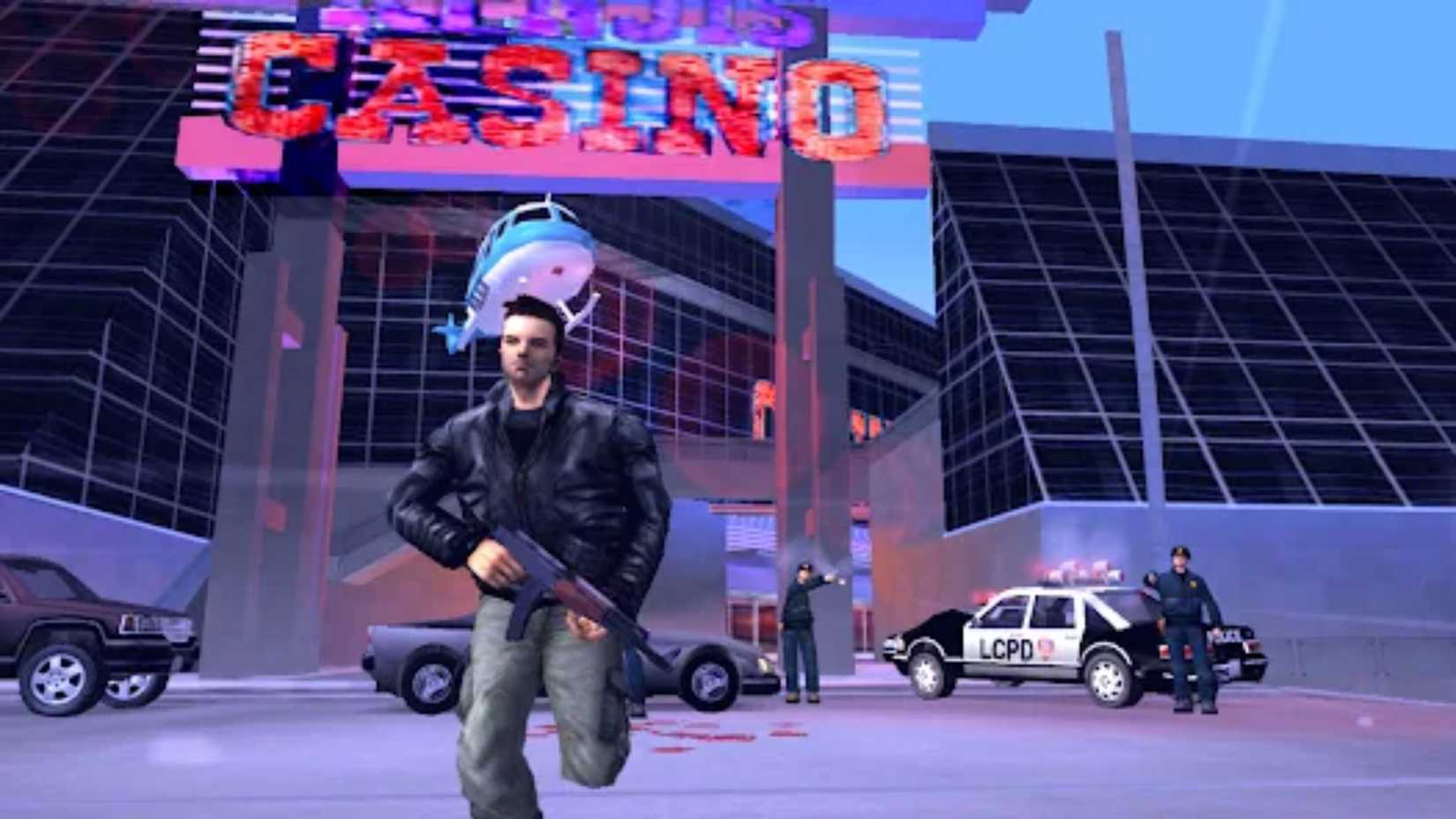
Hardware wasn’t the only obstacle. After GTA 2, whose non-linear structure Houser felt left it short on narrative drive, he resolved to give GTA 3 a much richer story. Working alongside co-writer James Worrall, he built local character “hubs” around mission-givers such as Joey Leone, Toni Cipriani and Salvatore Leone. Instead of pitting freedom against story, these webs of contacts joined the two, tying each mission arc to a particular district and its turf wars. The story therefore taught players the city and its mechanics naturally. You worked through Portland’s industrial side with Toni, moved through the Leone family’s criminal empire with Salvatore, and eventually reached the political corruption and corporate rot of Staunton Island. Every new contact drew Claude further into Liberty City’s underworld, opening fresh territory and exposing another strand of its tangled network. Combined with Claude’s silence, the hub structure let players choose their own route without losing the momentum of a tight crime saga.
The radio stations added another layer of immersion. Before Rockstar could afford the biggest names in music, the developers had to make do with entirely original material. Audio directors Craig Conner and Stuart Ross led a team that wrote and recorded genre-specific tracks under invented names such as “Lucy,” “The Mudds,” “Marydances” and “Da Shootaz.” Ross and Conner also composed the GTA 3 Main Theme, a brooding “dark jazz” piece inspired by The Sopranos and Goodfellas that remains among the best in the series. Mixing underground hip-hop, drum & bass and licensed cuts from Giorgio Moroder’s Scarface score, the team gave Liberty City a gritty, believable sound. That resourcefulness has a spiritual heir in GTA 6, which features original music by the French electronic duo Justice. The tools have changed, but the principle hasn’t: original music can give a fictional city a personality of its own.
Chatterbox FM lifted the stations higher still, showcasing the series’ signature humor in its earliest, yet already hilarious, form. Houser wrote the scripts and Lazlow Jones hosted. With its absurd caller tirades and SNL-style commercial spoofs, the talk station gave Liberty City a lived-in feel before you’d even climbed out of your (probably stolen) car. One blunt example is a first-time caller, a mother who complains about raising kids in the video game era: “I let my kid play video games, and now he runs around the house looking for gold coins. This is teaching our children to go chase money!” A personal favorite features a thoroughly redneck-sounding caller insisting that “guns don’t kill people, death kills people.” He continues that a bullet can’t kill you, only cardiac arrest, organ failure or major hemorrhage, and that a little piece of metal isn’t the problem. It’s no surprise that Chatterbox is still regarded as some of the funniest and sharpest satire in the whole franchise, although GTA 6 will hopefully give GTA 3 some real competition on the comedy front.
GTA 3 also endures as an odd time capsule. It arrived just 41 days after the September 11 attacks. Rockstar pushed the release back by a few weeks to carefully remove dialogue and a mission that referenced terrorism, and it repainted the city’s police cars from blue-and-white NYPD lookalikes to generic black-and-whites. The original North American box art was scrapped too, which led to the now-iconic grid layout that has graced every sequel’s cover since. Beyond those surface changes, the game took on a surreal gravity in the wake of the tragedy. I grew up just across the river in New Jersey, so the attacks are woven into my life, even though much of that period is a blur. What I do remember are the long nights spent cruising Liberty City in the shadow of such devastation. Driving through those dark, rain-slicked streets felt hauntingly poignant: a digital New York alive with activity just as the real one had come to a sudden, painful standstill.
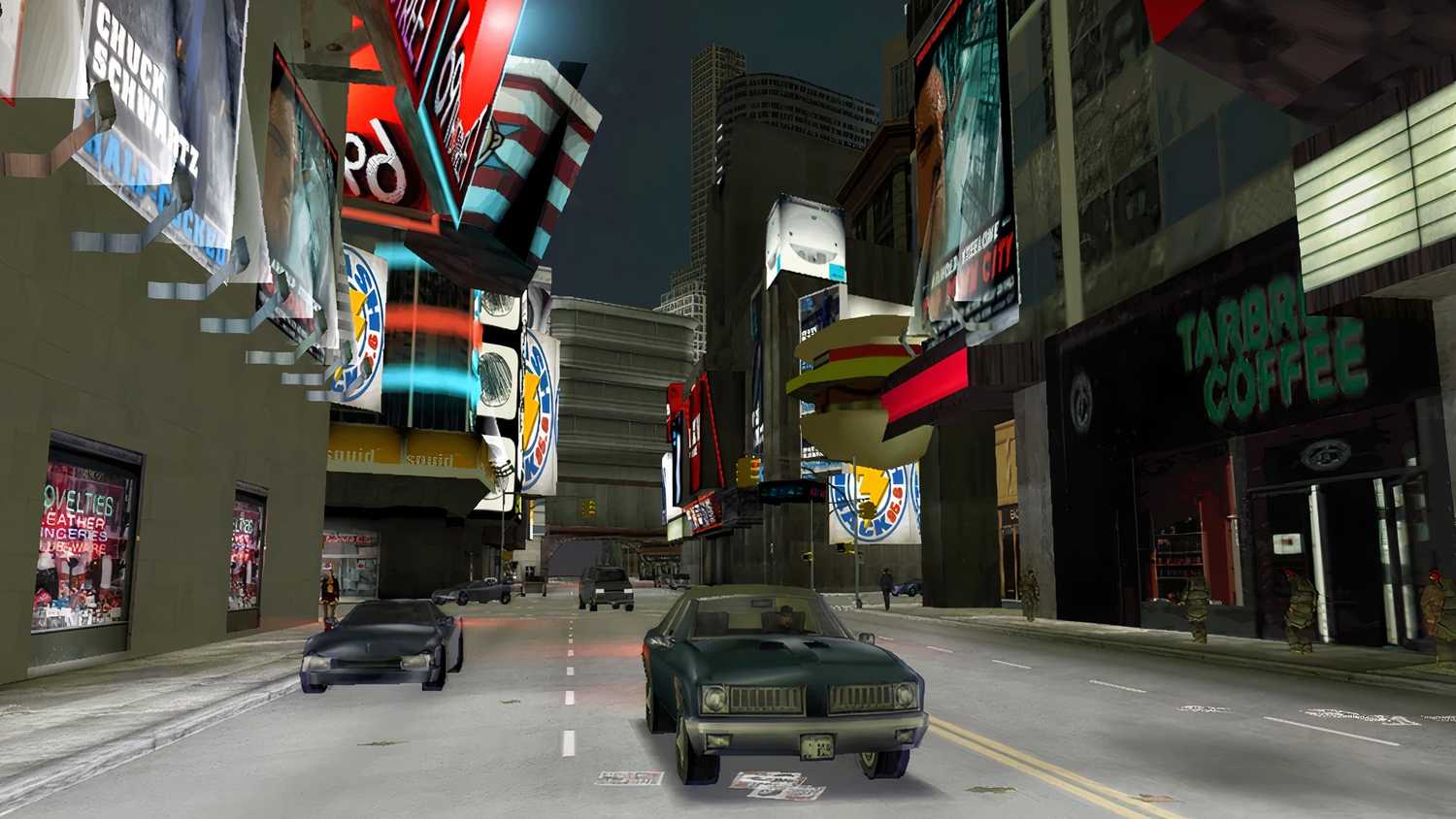
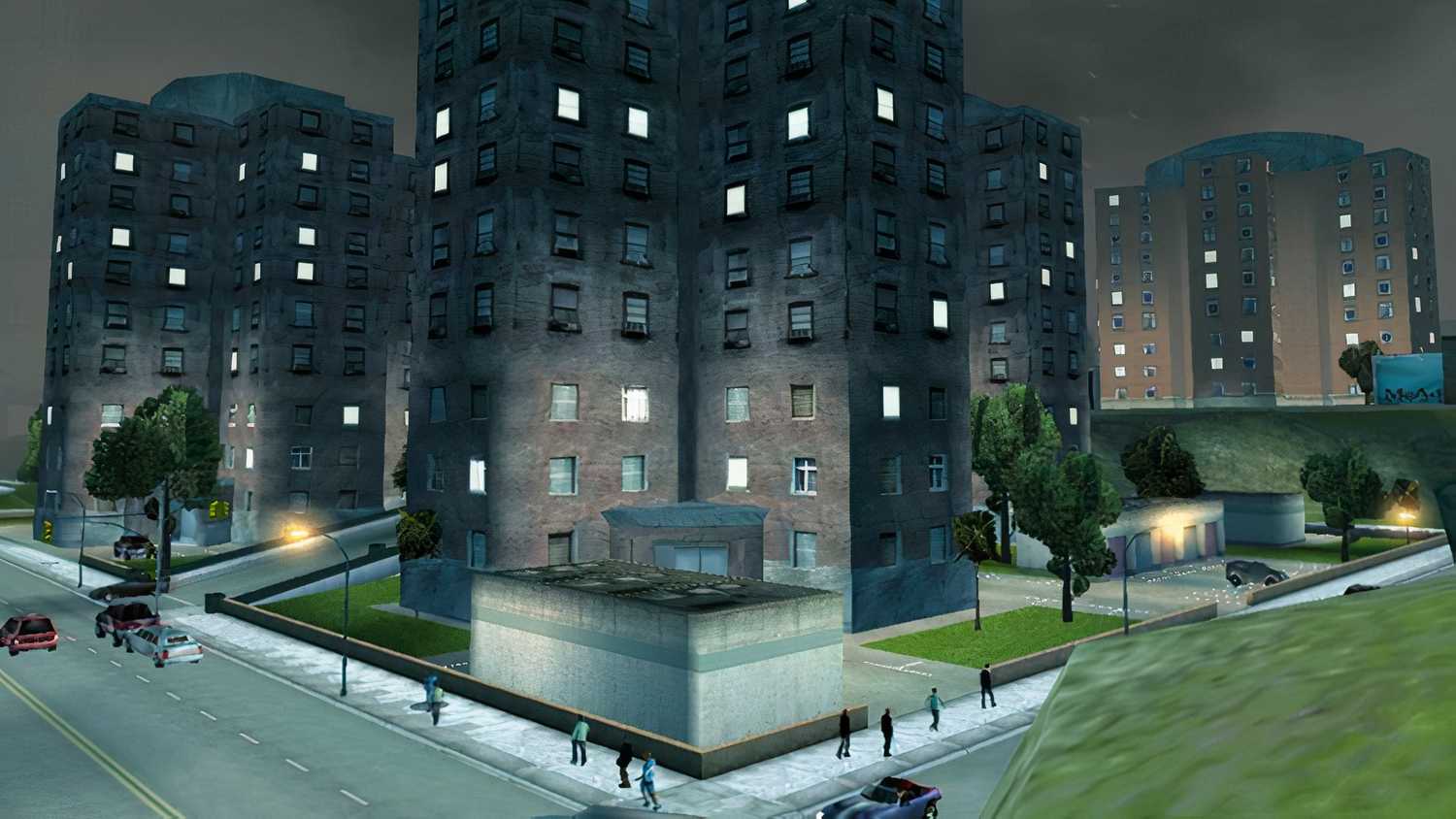
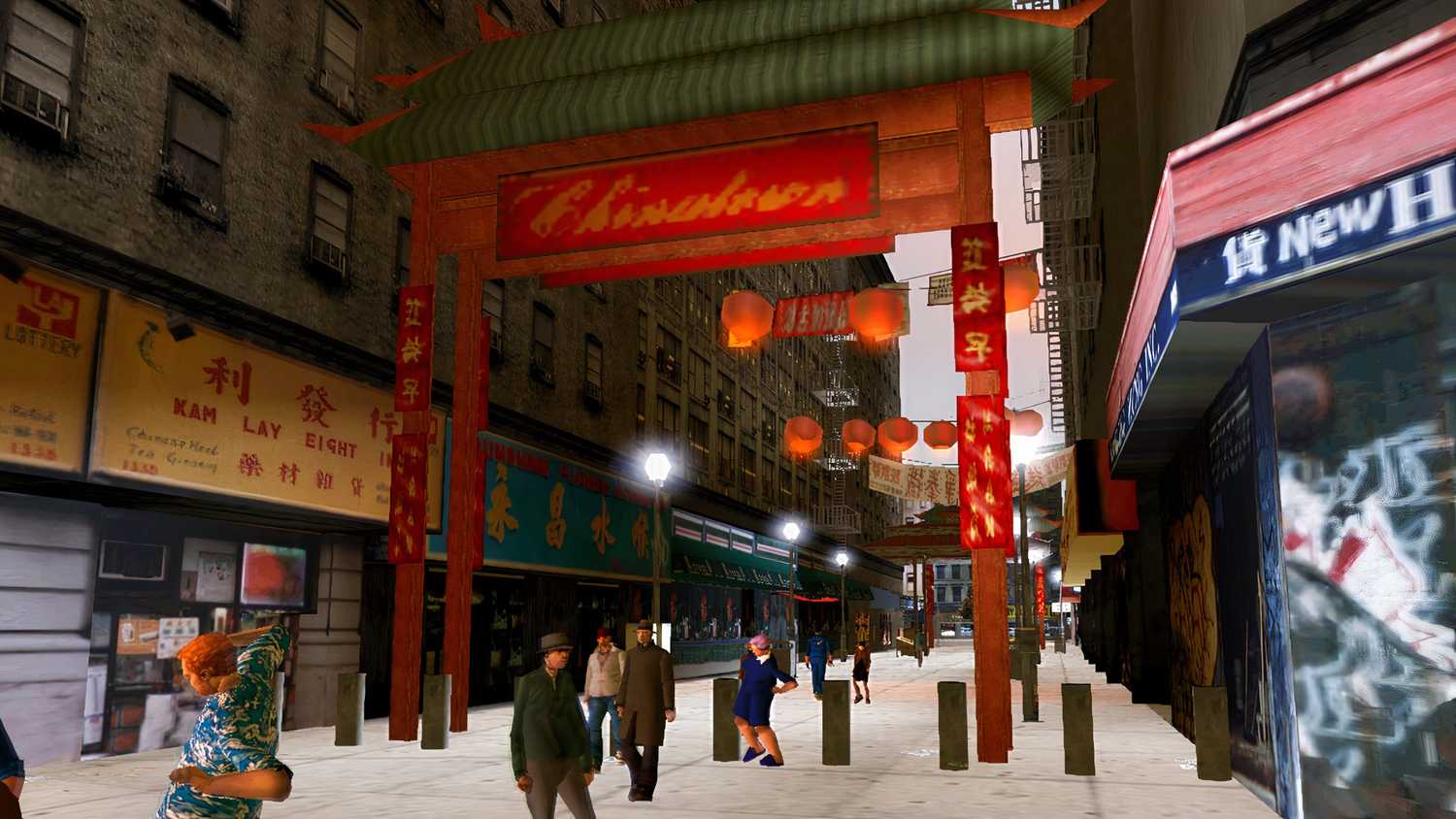
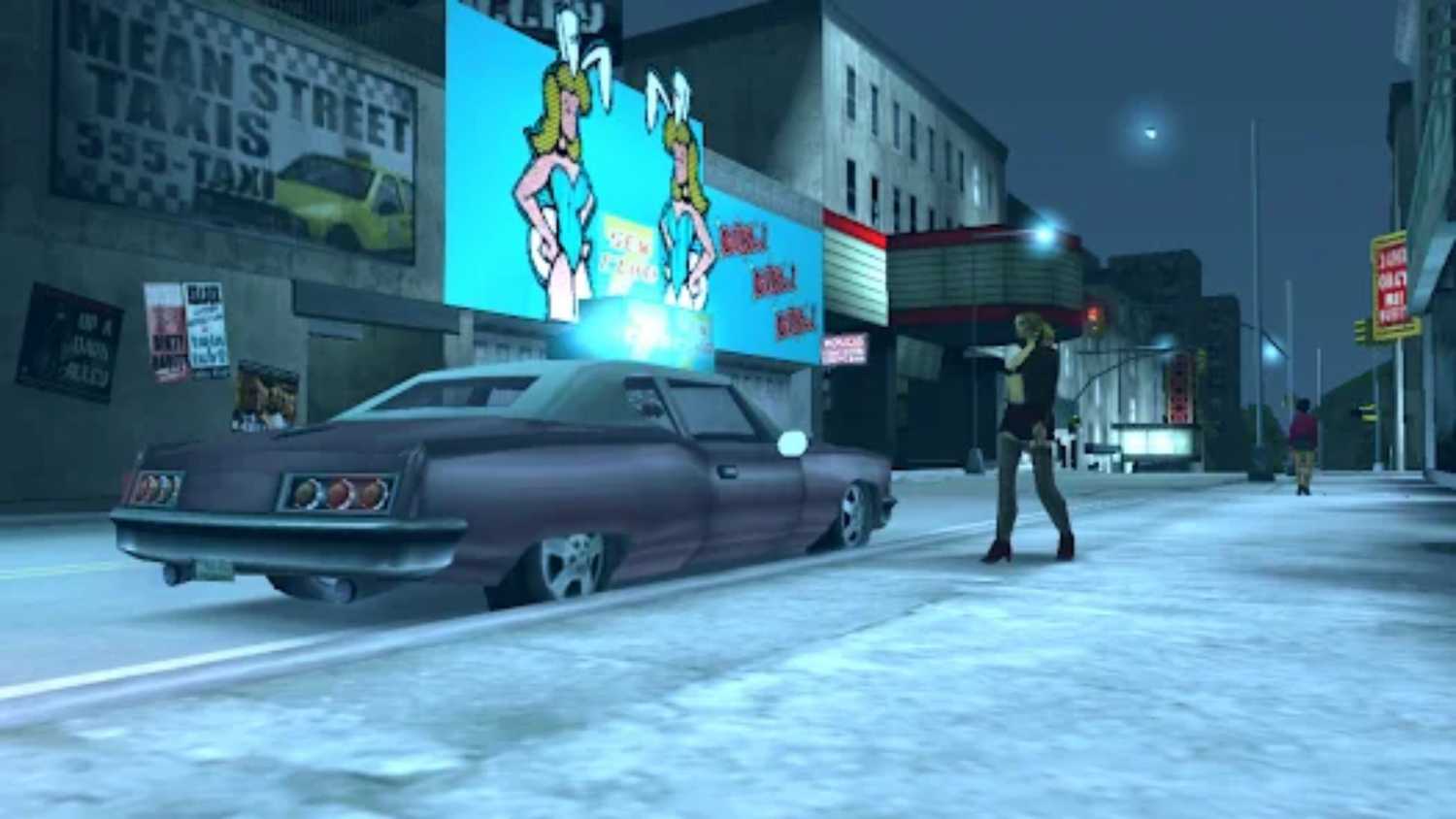
GTA 3 struck the games industry like a baseball bat to the face, and it did so at a moment when that industry was thriving. It shared a release year with Ico, Silent Hill 2, Halo: Combat Evolved, Final Fantasy 10 and Metal Gear Solid 2. Even against that company, Grand Theft Auto 3 stands alone in ambition, pairing some of the most sophisticated world design yet attempted with a custom narrative engine that changed gaming for good. Sam Houser put it best when he told IGN in 2001 that the game has a personality unlike anything he’d seen before, one that becomes part of the gameplay itself.
Personality. That quality has always set Grand Theft Auto apart as one of the most compelling entertainment properties in the world, and GTA 3 is where it first came into its own. Twenty-five years on, with Rockstar’s next open-world epic approaching, Liberty City still shows how bold ambition and clever design can reshape an entire medium.
Source: Polygon
Related articles
 Nintendo’s Shigeru Miyamoto Selected as First Game Developer to Receive Japan’s Order of Culture
 BioWare Veteran Explains Who Was Actually Responsible for Controversial Dragon Age Decisions
 PS5 Sales Jump Sharply in US as Xbox Hits New Record Low
 EA Could Sell Mass Effect After BioWare Closure, Former Producer Says
 6 Best Upcoming Steam Games Worth Adding to Your Wishlist
 Square Enix Releases Trailer for Retro RPG Final Fantasy Resonance
 Co-Op Horror Game Escape From Playtime Enters Early Access With New Threats
 Five Sci-Fi Novels Noted for Their Exceptional Prose Writing