
25 Years Later, Charlie’s Angels Feels Like the Quintessential Year-2000 Movie

When one decade melts into the next, popular culture often needs a few years to settle on what the new era will look and feel like. The 1990s, for instance, only began to read as distinctly ’90s after Nirvana’s Nevermind surged to the top of the charts in January 1992, nudging aside Michael Jackson and reframing the soundtrack of a generation. Early-’90s films and songs still wear the ’80s’ imprint; later-’90s touchstones like alternative radio, The X-Files, and stars such as Drew Barrymore gradually gave way as the millennium approached. Occasionally a single film arrives that crystallizes the mood of a specific cultural moment — and among movies released in 2000, none feels more unequivocally of its time than Charlie’s Angels.
Studios spent much of the 1990s mining older television for big-screen material; while many adaptations misfired, a few — notably Mission: Impossible (1996) — proved profitable and helped justify further revivals. That climate likely paved the way for a new Charlie’s Angels, though the finished movie bears signs of a rushed, patchwork production: multiple credited screenwriters, episodic set pieces that don’t always cohere, and a brisk runtime that barely clears the ninety-minute mark. Later accounts also recalled on-set tensions, including an acknowledged clash between Lucy Liu and Bill Murray. Read more.

Regardless of its behind-the-scenes chaos, Charlie’s Angels’ biggest advantage is its refusal to take itself too gravely. That tone is established immediately: an ostentatious tracking shot through an airplane cabin (complete with a cheeky nod to the mile-high-club trope) and a meta gag about on-flight movies set the film’s winking register. The opening credits function like a TV intro condensed into montage, rapidly sketching the backgrounds of Natalie (Cameron Diaz), Dylan (Drew Barrymore), and Alex (Lucy Liu) while teasing a series of unseen exploits.
The plot itself is thin and intentionally unserious. The Angels, aided by Bosley (Bill Murray) and guided by the disembodied voice of Charlie (John Forsythe reprising the TV role), are tasked with rescuing software wunderkind Eric Knox (Sam Rockwell) — a mission that devolves into a convoluted scheme involving satellite access and a threat to Charlie’s anonymity. The film’s stakes are deliberately cartoonish, which frees it to borrow shamelessly from contemporaneous pop-culture phenomena: Mission: Impossible–style masks, Matrix-inspired wire work and slow-motion, and a soundtrack that pillages the late-’90s radio landscape. That hyper-saturated visual palette and rapid-fire costume play often make the movie feel like it’s been shot through a neon filter.
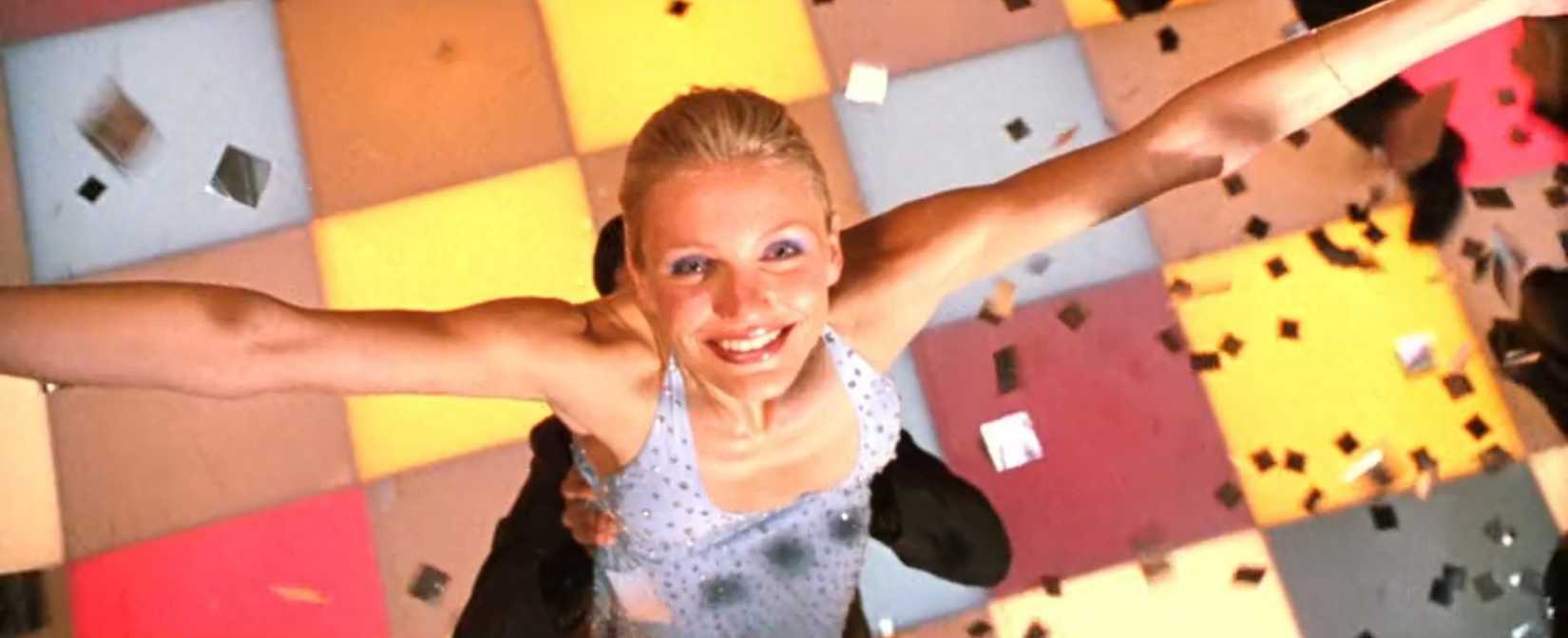
The film’s aesthetic is unmistakably MTV-era: director Joseph McGinty (credited as McG) arrived from the music-video world, having helmed clips for Sugar Ray, Korn, The Offspring and others, and he brings that video sensibility wholesale to the feature. The movie’s soundtrack behaves like a greatest-hits mixtape, layering pop hooks and familiar needle-drops until the soundtrack itself reads as a character. The finale doubles down on that impulse, closing with a tongue-in-cheek music-video sequence that plays over the credits.
In retrospect, McG was a fitting choice for this material: he relishes surface pleasures — the cast, the saturated colors, the glossy song selections — while never pretending the film aspires to gravity. A 2019 reboot directed by Elizabeth Banks attempted to recast the franchise with a clearer feminist framing; while serviceable, that version often feels closer to a low-budget TV sketch than the delirious hyperpop blast of McG’s original. McG’s own 2003 follow-up, Full Throttle, felt like diminishing returns; once you push beyond the outrageous, it’s hard to top yourself. See the 2019 take.
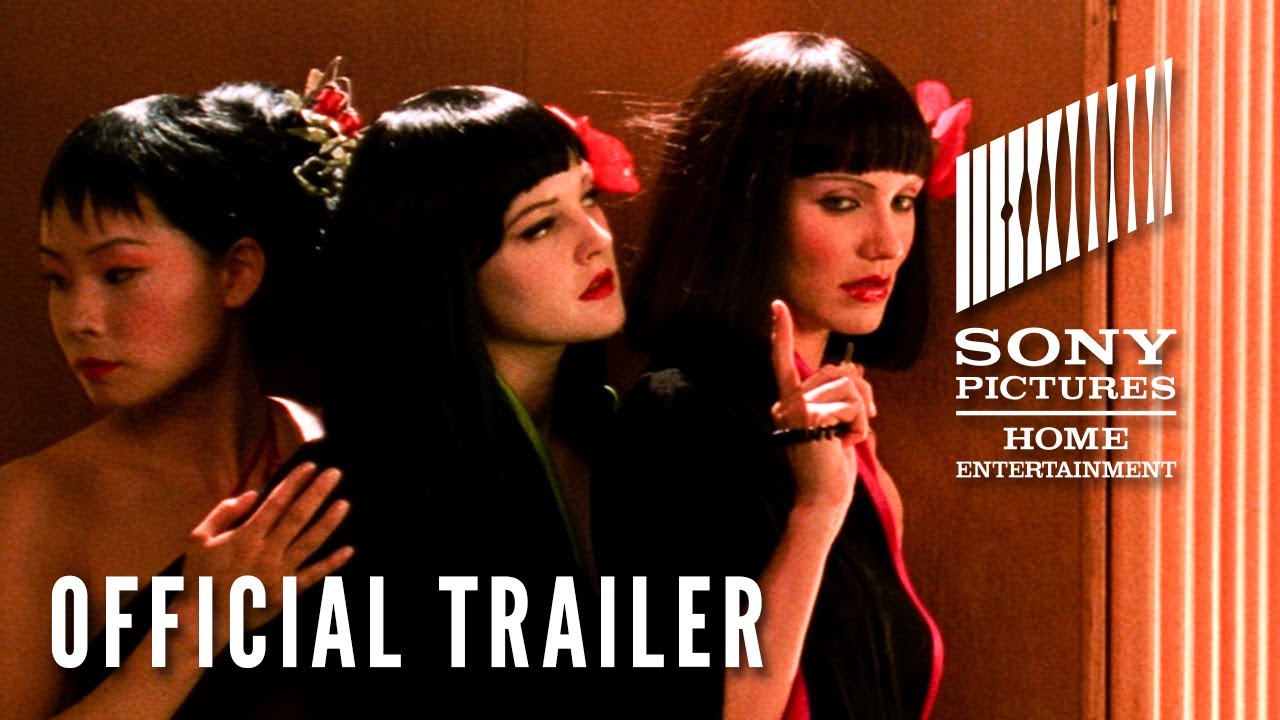
Viewed through the lens of 2000, Charlie’s Angels also reads as oddly foresighted about the merging of poptimism and celebrity culture. Teen-pop’s resurgence and the rise of glossy men’s magazines made the film feel attuned to a culture eager to package sensuality as empowerment; its cast’s celebrity-making machinery only reinforced that impression. (Lucy Liu’s placement in early magazine lists and the Angels’ later collective rankings underscored how the movie operated as a star-making vehicle as much as an action comedy.)
McG’s approach occasionally stumbles into clumsy pastiche: a Soul Train sequence has Diaz doing a comic, over-the-top routine while the film explains each dance move aloud, as if the audience might miss the joke. Yet the Angels themselves — buoyed by charming performances and clear physical commitment — sell the film’s silliness. Diaz’s energy, Barrymore’s goofiness, and Liu’s sly timing (including a memorable heist scene in which she toggles between domineering and coquettish with comic precision) lift material that otherwise could have been only style and no substance.
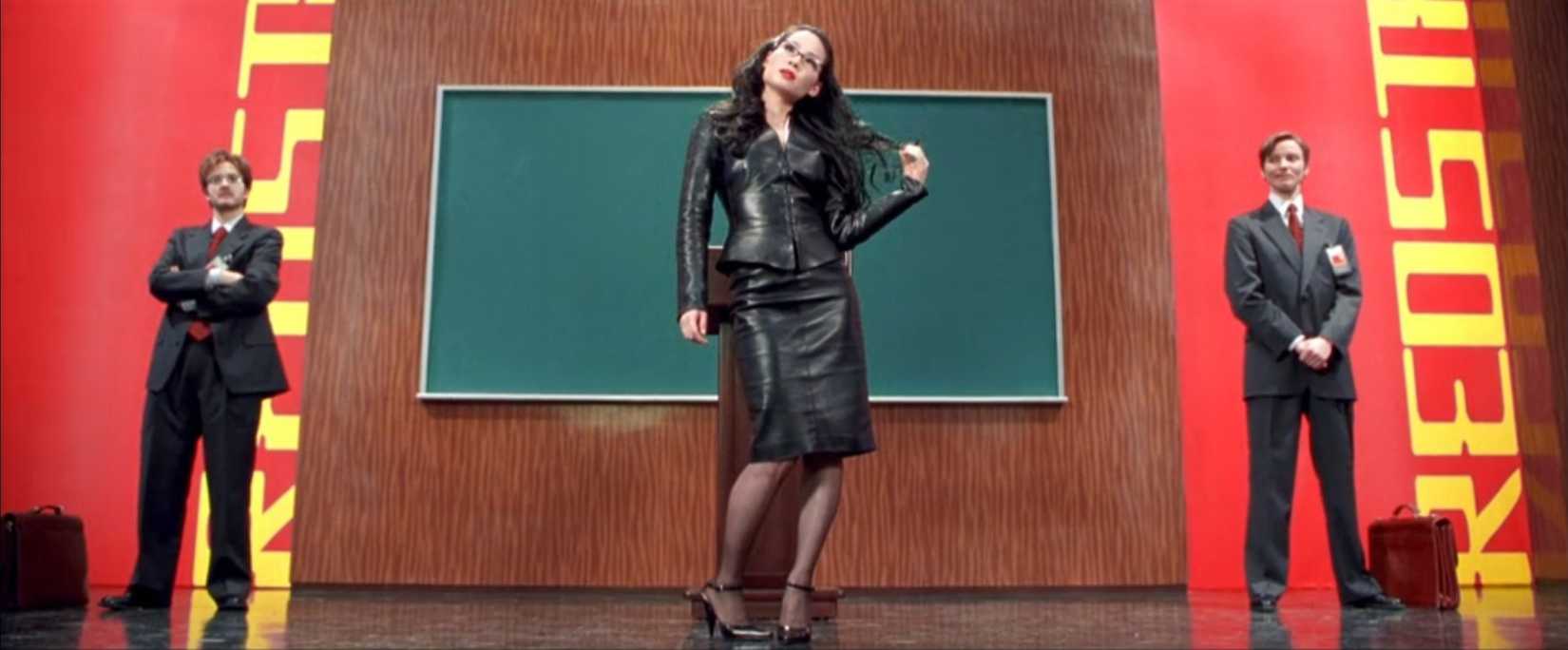
Still, the film’s glossy veneer can’t entirely conceal a thin storyline inherited from a 1970s “jiggle” television format — a structure that places three talented women in perpetual service to an unseen patriarchal figure and frames their exploits more as spectacle than mission. In that sense the Angels are untethered: they aren’t soldiers of state nor agents of high-minded espionage; they exist as celebrity-era entertainers whose labor is always partially performance and partially commodity. That ambivalence makes Charlie’s Angels a strangely honest artifact of its moment — not quite ironic enough to belong to the ’90s, and not quite cynical enough to predict the nastier infotainment of later years. It is, simultaneously, exuberant and vacuous: an extravagance that says a lot precisely because it says very little.
Source: Polygon
Related articles
 Ryan Reynolds’ “Mayday” receives positive reviews from critics
 Michael Keaton to Direct Western Starring Morgan Freeman
 “Daddy’s Daughters” wedding sequel to be released in 2027
 Halle Berry and Colin Firth to Star in New Rom-Com
 Netflix Begins Filming New Dan Brown Adaptation
 Spider-Noir series canceled after first season
 Actors cast as Dobby and Tom Riddle for Harry Potter season two
 International “Doker” Film Festival Kicks Off in Moscow