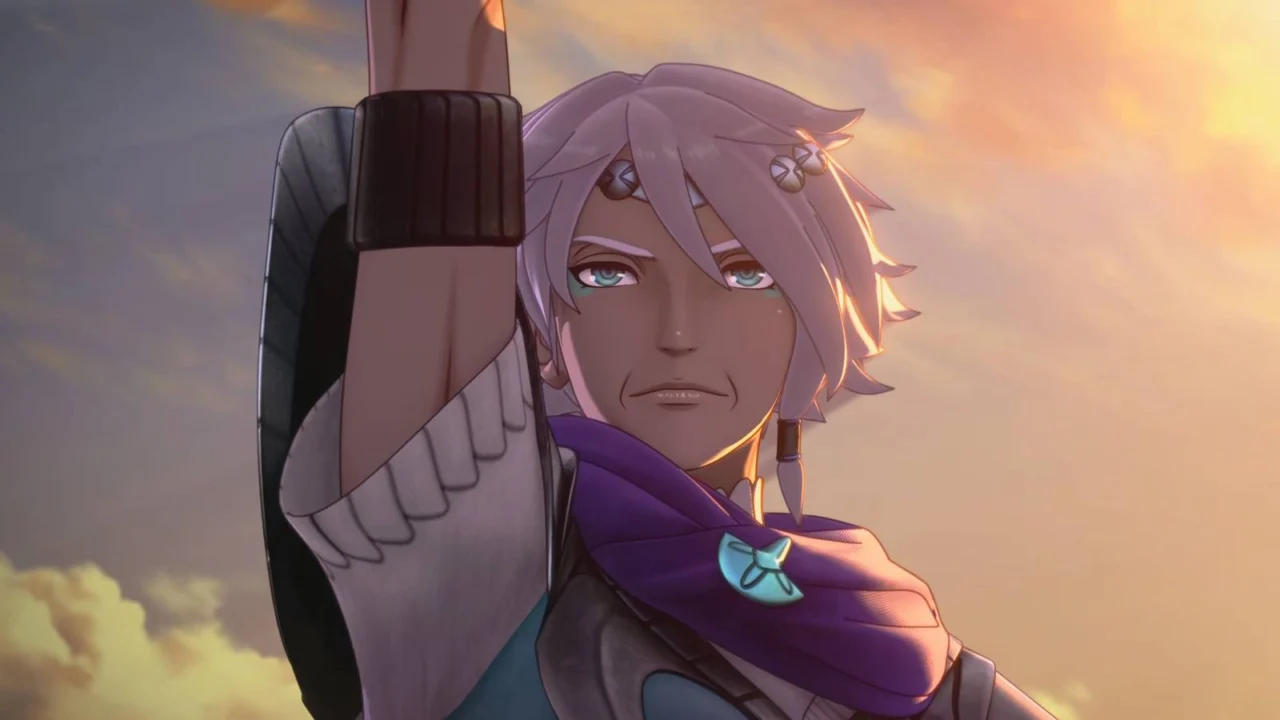
Why Every Tactics Game Needs a Rewind Button
The rewind and blessing mechanics in Fire Emblem: Fortune’s Weave have firmly convinced me that modern tactical RPGs need to rethink how they approach difficulty. Rather than serving as crutches that dilute a game’s identity, these systems provide much-needed breathing room—allowing players to experiment, adapt, and learn at their own pace without compromising the core design.
When Intelligent Systems introduced the Divine Pulse rewind mechanic in 2019’s Three Houses, and carried it over to Engage in 2023, the feature came with strict limitations. Those tight caps suggested developers were hesitant, perhaps worried that softening the blow would brand Fire Emblem as overly casual. Fortune’s Weave completely abandons that caution, offering generous rewind allowances: unlimited uses on normal difficulty and up to 20 on hard mode. On the tougher setting, however, rewinds consume Divine Sand, creating a thoughtful resource management loop when balanced against other available blessings.
Purists may lament the inclusion of rewinds, but they overlook a fundamental truth: nobody is obligated to use them. Critics arguing that infinite turns undo tactical tension are usually playing on normal difficulty anyway, where concessions are expected. For everyone else, these tools are nothing short of liberating. When a single grand skirmish can easily demand an hour or more of your evening, having player-friendly safety nets isn’t just a luxury—it’s essential for respect of the player’s time.
That realization hits hardest once you push past the introductory chapters. While early encounters are relatively forgiving outside of specific narrative routes, the mid-game spikes the challenge significantly. On hard mode, late-campaign battles routinely stretched to ninety minutes, while standard playthroughs still required a solid hour of careful execution.
Part 2, Chapter 3 serves as a masterclass in this high-stakes design. You carve your path through a densely packed urban center, fending off flanking cavalry on one flank and heavy infantry on the other, all while distant spellcasters rain down magic. As roaring fires engulf the streets and relentless reinforcements flood narrow alleyways, the tension peaks. Having exhausted my Divine Sand reserves and precious blessings, I was left leaning entirely on a single mid-battle save file—fully aware that past tactical blunders could still force a complete restart. Far from being stressful, it was exhilarating. It delivered some of the most engaging gameplay I’ve experienced in the franchise. Without these modern safety measures, however, I likely would have abandoned the campaign in frustration, unwilling to endure another punishing two-hour slog with no guarantee of success.
While I generally advocate for flexible difficulty parameters, jumping into Fortune’s Weave right after titles like Star Wars Zero Company highlighted just how stagnant some tactical design remains. While Zero Company has merits, its rigid adherence to traditional punishment often adds little genuine strategic depth. It isn’t a critique of that game alone, but rather an observation that the wider genre still struggles with accessibility. When multi-phase missions offer zero progress tracking and prevent you from undoing a simple misclick or errant movement, the experience crosses the line from strategic depth into tedious penalization.
Why shouldn’t players be allowed to correct minor positioning errors in games like Mario + Rabbids? Conversely, sprawling adventures like Final Fantasy Tactics demand massive time investments, yet forcing a total replay over a minor oversight doesn’t cultivate smarter planning—it simply breeds fatigue. Even classic Fire Emblem entries carry unnecessary friction. Later maps in The Blazing Blade drag on endlessly, offering little more than a rudimentary suspend feature designed merely to preserve handheld battery life. Indeed, revisiting Path of Radiance recently was only palatable thanks to modern emulation conveniences like “save anywhere” functionality.
In contrast, Fortune’s Weave uses its helpful systems to broaden tactical horizons. Knowing you have a safety net encourages you to take calculated risks without dreading an evening wasted on accidental blunders. You learn to experiment with unit positioning, discover creative team synergies, and deploy combat arts with confidence, ultimately mastering the game on its own terms.
That freedom expands exponentially when you factor in divine blessings. Making an aggressive push but fearing the counterattack? Aurora’s protective boon halves incoming damage to keep your vanguard intact. Stretched too thin across a sprawling battlefield? A direct line to Kalla, the goddess of evasion, helps preserve vital unit health. Or perhaps you simply want a notoriously unreliable unit to finally connect with a crucial strike—blessings make those dream scenarios possible.
Of course, these boons are far from guaranteed victories. Mismanaging your Divine Sand through reckless play can still land you in dire straits, making the return of reliable mid-battle saves a welcome safety net. However, by introducing these dynamic options, the developers have successfully modernized the franchise. Having followed Fire Emblem since its official international debut in 2003, Fortune’s Weave is the first entry in over two decades where I’ve felt completely untethered, free to strategize inventively without constantly fighting the interface. Much of that credit goes to an exceptionally versatile class system and standout personal abilities, but it ultimately stems from giving players the flexible tools needed to bring those mechanics to life.
Not everyone needs to like you
Source: Polygon
Related articles
 Blossom Tales: The Sleeping King Released on Android and iOS
 Agents of S.H.I.E.L.D. Star Addresses Rumors of Return
 Mike Colter Compares Returning to Luke Cage Role to Temporal Anomaly
 I Discovered the Best Game Soundtrack of 2026, and It Is Super Woden: Rally Edge
 The Best Quote From It’s the Great Pumpkin, Charlie Brown Still Resonates After 60 Years
 New Paranormal Activity Movie to Return Franchise to its Roots
 Microsoft Admits It Is Too Difficult to Release Games on Xbox
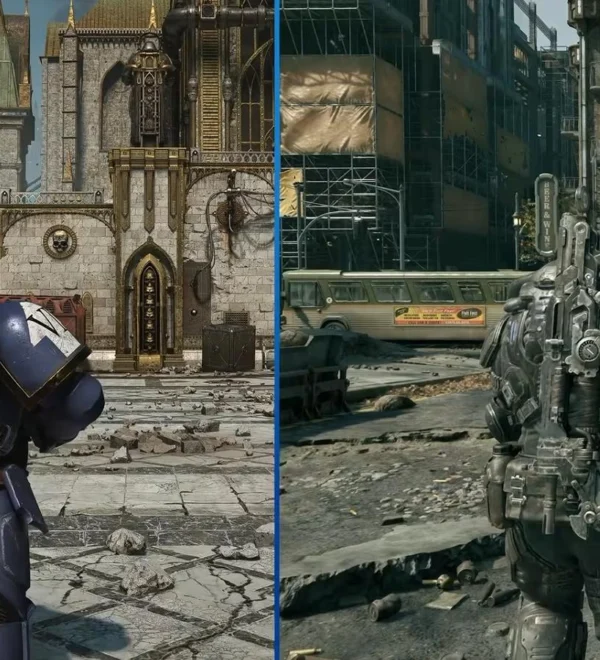 Space Marine 2 vs. Gears of War: E-Day Graphics and Performance Comparison