

Subscribe to our newsletter for indie game deep dives

 |
Polygon 2026 Summer Preview Your essential guide to the next three months in gaming, cinema, television, and beyond. |
| Explore the issue→ | |
It is not every day that Sherlock Holmes, P.G. Wodehouse, and the claymation charm of Wallace and Gromit collide in a single creative vision. Yet, that is exactly the landscape Pascal Cammisotto, writer and director at Draw Me A Pixel, has cultivated for his upcoming time-travel romp, Crushed in Time. Building on the foundation of his previous hit, There Is No Game: Wrong Dimension, Cammisotto has crafted a meta-narrative that mirrors the chaotic reality of game development. It sounds inherently surreal, but after spending 45 minutes with a demo, I found the experience delightfully addictive.
The premise is grimly comedic: the game-within-a-game has just launched to a landslide of scathing reviews, sending the fictional development team into a tailspin. Your objective is to salvage the situation by playing detective. Naturally, you enlist Arthur Conan Doyle’s most iconic sleuth, though in Crushed in Time, Sherlock is remarkably disheveled, and Watson is equally prone to incompetence. Watching them struggle with pedestrian tasks like checking the mail or opening a door highlights Cammisotto’s intentional nods to the slapstick antics of Wallace and Gromit. The game masterfully blends the ridiculous with the mundane, evoking the witty, well-balanced absurdity found in a Wodehouse novel. Crucially, the writing maintains a light, whimsical touch, ensuring the humor never feels forced.
Solving these dilemmas requires operating within the strict, often illogical rules of a glitchy video game. Lacking a traditional inventory, you must interact with the world by physically tugging, poking, and stretching objects. It is a brilliant, tactile interpretation of the development process. For instance, to wake Sherlock, I had to maneuver a door handle across the room, slot it into a jammed drawer, and then manually ring a phone to force him to shift his position. The process is intuitive once you grasp the game’s unique physics, leaving me eager for the full release.
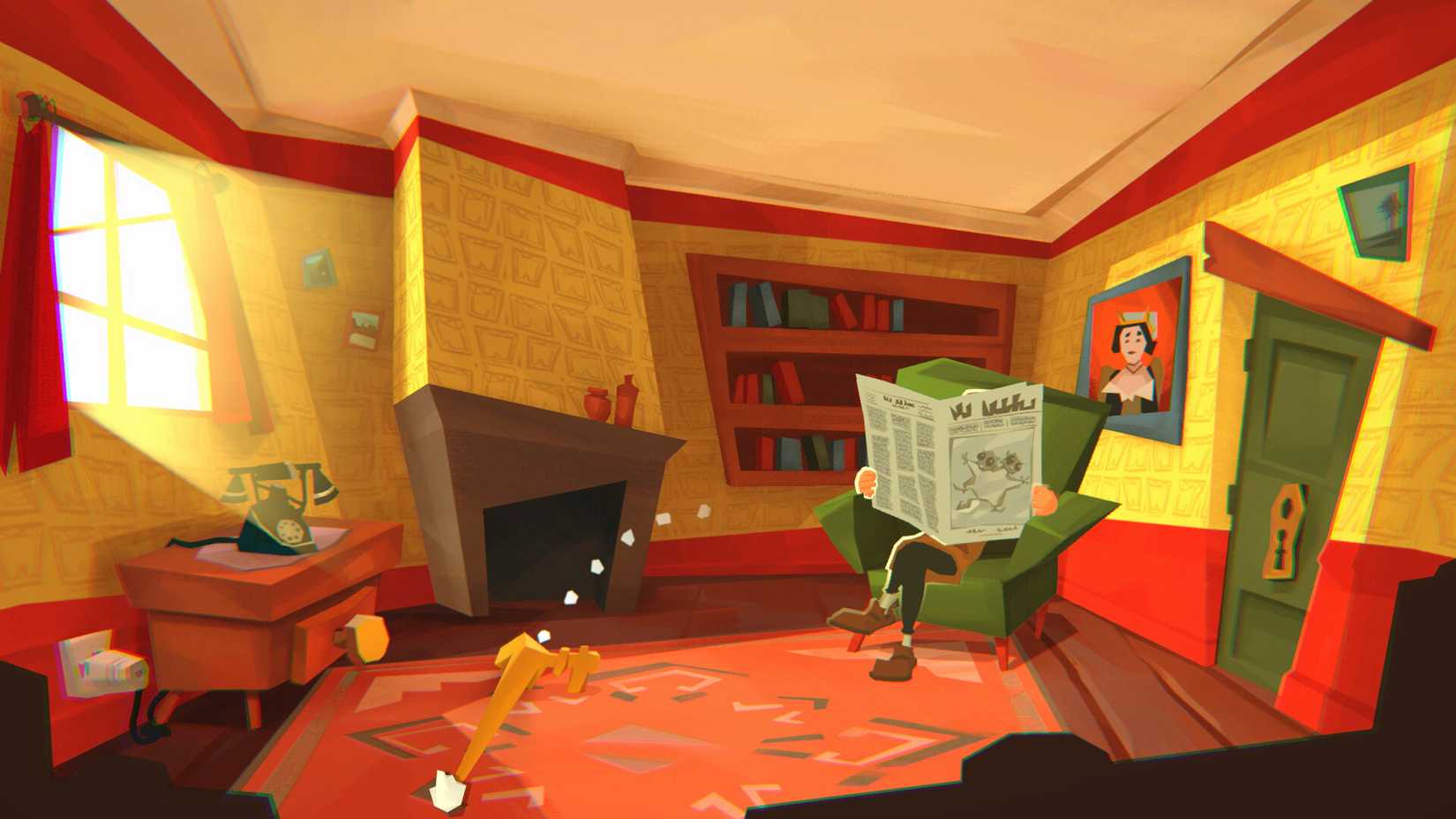
Image: Draw Me A Pixel
What was your inspiration behind this specific iteration of Holmes and Watson?
We wanted a parodic, comedic take on the duo. Their deductions are consistently the worst imaginable, yet they remain endearingly funny. Capturing that “lightness” of tone, similar to Wallace and Gromit, was essential to making the meta-narrative work.
The “elastic” interaction mechanic is quite unique. How did that evolve?
We asked ourselves: “How would Nintendo simplify a point-and-click game for a mass audience?” The elasticity concept was born from that. It’s visual, tactile, and simple. However, implementing it was a technical hurdle. We spent a year refining the stretching shaders to handle perspective and depth correctly.
What draws you to the meta-narrative genre?
Breaking the fourth wall is a powerful tool for connection between the game and the player. In Crushed in Time, we’re exploring the actual production timeline as a setting. The possibilities for absurdity are endless, and I’m delighted to say that even our most “delirious” ideas made the cut.
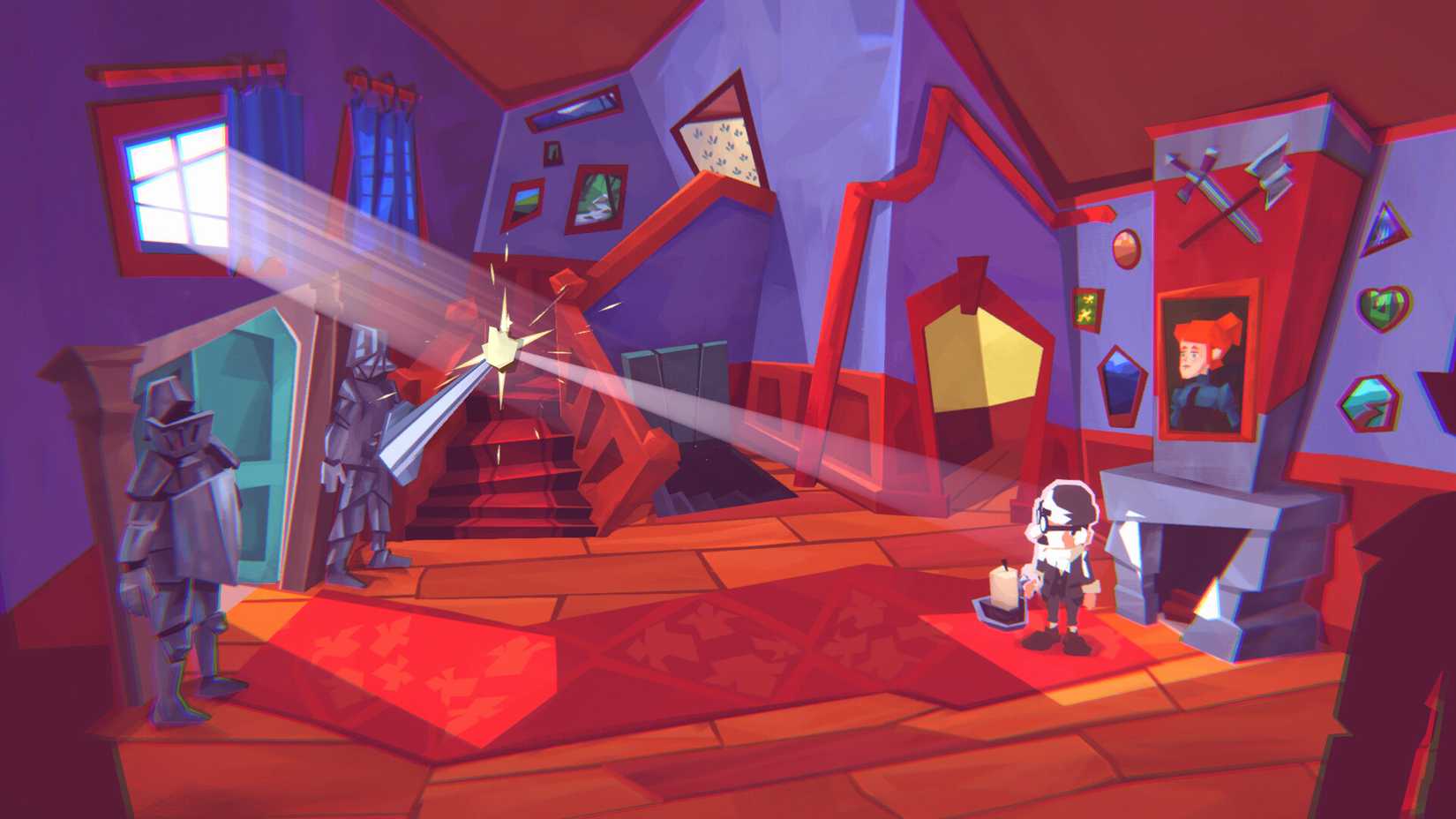
Image: Draw Me A Pixel
Which comedic influences shaped the game’s tone?
British humor is the primary anchor here—absurdist, witty, and perfectly paced. I aim for that burlesque, animated film feeling where anyone can find joy in the chaos.
What visual inspirations guided the game’s look?
Day of the Tentacle is my absolute favorite point-and-click title; its twisted, stylized design is a primary influence. Bringing that aesthetic into a 3D space with broken perspectives was a challenging but rewarding process that distinguishes our “worlds” from one another.
Where do you see the point-and-click genre heading?
Frankly, it remains a niche compared to genres like roguelikes. My goal with the unique interaction mechanics in Crushed in Time is to strip away the “old-school” label and make the genre accessible, inviting, and inherently fun for everyone.
Source: Polygon
 2K Warns Players As One of the Best Basketball Simulators Is Removed From Steam and Other Stores
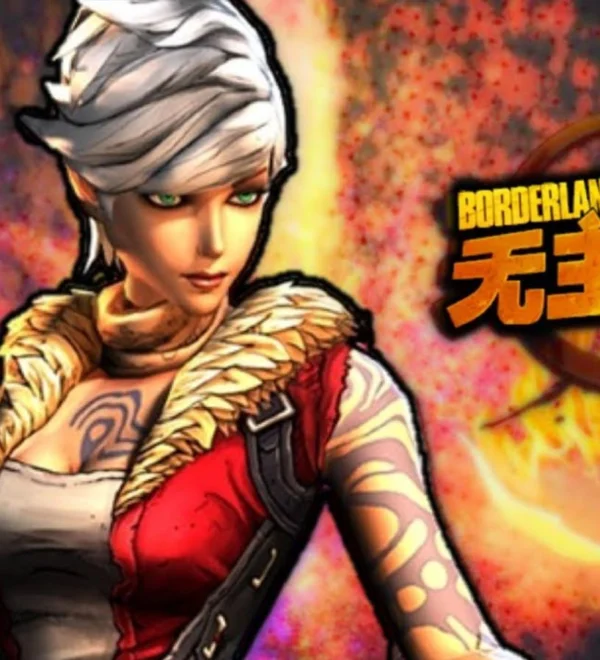 Fans Release Remaster of Canceled Borderlands Online After 11 Years
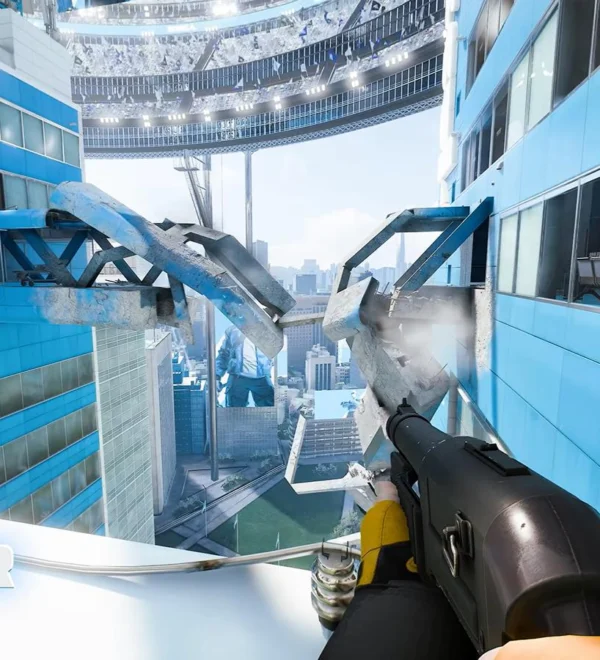 Roman Smirnov Demonstrates Improved Destruction System in The Finals Ahead of Major Update
 Modders Convert Diablo II Resurrected into Virtual Reality First Person Game
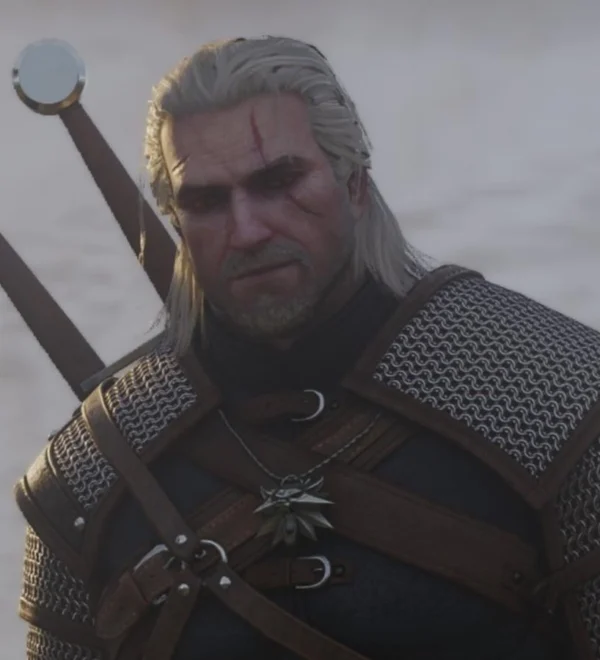 Modder Ports Quest Overhaul Mod for The Witcher 3 Remaster
 Dan Houser Calls GTA Comparisons a Compliment but Wants New Games to Stand on Their Own
 Fan creates 3D first-person version of Terraria
 Amazon Prime Members Can Officially Claim 10 Free Games in October