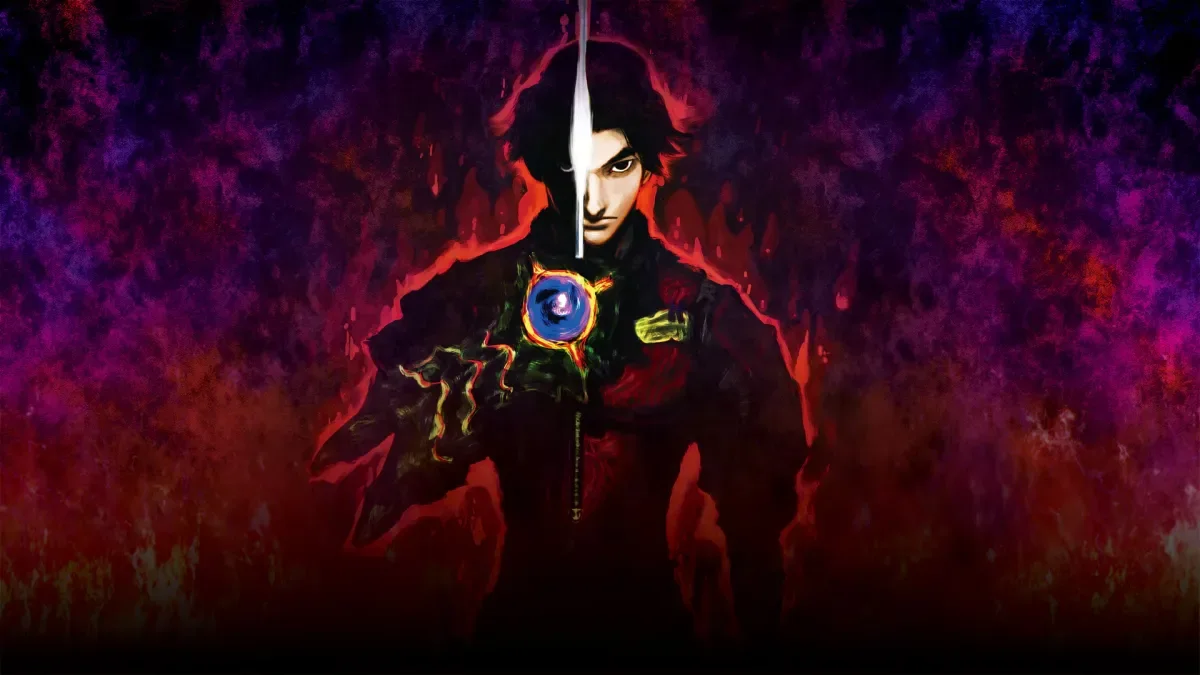
Looking Back At The First Two Onimusha Games With Planner And Director Motohide Eshiro

<div class="article-content-body">
    <p>Marking Capcom's triumphant resurrection of its legendary samurai action franchise after a <a href="https://gameinformer.com/exclusive-interview/2026/07/20/why-2026-was-the-year-to-bring-onimusha-back-after-a-20-year-gap">two-decade hiatus</a>, <a href="https://gameinformer.com/Onimusha">Onimusha: Way of the Sword</a> stands proudly as <a href="https://gameinformer.com/cover-reveal/2026/07/16/cover-reveal-onimusha-way-of-the-sword">the latest title to grace the cover of <em>Game Informer</em></a>. During an extended trip to Capcom's headquarters in Osaka, I spent hours hands-on with the game, interviewed key development leaders, and wandered through historic <a href="https://gameinformer.com/exclusive-interview/2026/07/22/why-kyoto-was-the-perfect-setting-for-onimusha-way-of-the-sword">Kyoto</a> to understand how its ancient streets heavily influenced the design philosophy. I also had the privilege of sitting down with Motohide Eshiro, director of the celebrated <a href="https://gameinformer.com/product/onimusha-2-samurais-destiny">Onimusha 2: Samurai’s Destiny</a> and its <a href="https://gameinformer.com/interview/2025/04/22/onimusha-2s-director-on-remastering-the-playstation-2-game-and-the-state-of">recent remaster</a>.</p>

    <p>Though currently detached from the day-to-day development of <em>Way of the Sword</em>, Eshiro explained that his modern role within the company centers on production mentorship, guiding and nurturing a new generation of producers across various projects. Before helming <em>Onimusha 2</em>—which originally debuted in 2002—he cut his teeth as a planner on the inaugural 2001 release, <em>Onimusha: Warlords</em>.</p>

    <figure class="wp-block-image aligncenter">
        <picture>
            <source srcset="https://gameinformer.com/sites/default/files/styles/body_default/public/2026/07/23/db966a7e/Eshiro%20Header.jpg.webp 1x" media="all and (min-width: 851px)" type="image/webp" width="800" height="450">
            <img alt="Capcom producer Motohide Eshiro" loading="lazy" width="800" height="450" src="https://gameinformer.com/sites/default/files/styles/body_default/public/2026/07/23/db966a7e/Eshiro%20Header.jpg.webp">
        </picture>
        <figcaption>Capcom producer Motohide Eshiro</figcaption>
    </figure>

    <p>Reflecting on the past twenty years, Eshiro confessed that he remains deeply astonished and gratified by how far video game graphics have progressed hand-in-hand with the evolution of the action genre.</p>

    <p>Having recently replayed the remasters of both <em>Warlords</em> and its sequel ahead of my journey to Japan, I was eager to unpack the franchise's roots as a self-described "Sengoku Biohazard." Even today, the original game's DNA—essentially <em>Resident Evil</em> wrapped in feudal samurai armor—remains remarkably potent and engaging.</p>

    <p>"Back then, one of the leading producers on the <em>Resident Evil</em> team admired what they had accomplished with pre-rendered backgrounds tailored for gunplay and long-range engagement," Eshiro recalled. "They began wondering how those techniques might translate into a close-quarters action experience. That fundamental curiosity sparked the entire concept. Setting the adventure during the turbulent Sengoku period provided the ultimate backdrop for intimate sword combat, which ultimately shaped both the setting and our original working title."</p>

    <p>Eshiro joined the development cycle of <em>Onimusha: Warlords</em> midway through production, meaning many foundational elements were already locked in. However, stepping into the director's chair for <em>Onimusha 2</em> gave him the creative liberty to dramatically broaden the game's overall scope.</p>

    <div class="wp-block-embed is-type-video wp-block-embed-youtube">
        <div class="wp-block-embed__wrapper">
            <iframe width="640" height="360" src="https://www.youtube.com/embed/U3HxjcqgkRc" title="Onimusha 2 Trailer" frameborder="0" allowfullscreen></iframe>
        </div>
    </div>

    <p>"While the first game was a wonderfully cohesive and complete experience, it was mechanically straightforward," Eshiro explained. "When approaching the sequel, our primary ambition was to scale up the world and infuse it with a tangible, living atmosphere. That drove our decision to implement a relationship system and compelling companions, injecting human drama that allowed players to forge deeper bonds with the cast. Naturally, we also aimed for a massive visual leap forward."</p>

    <p>While modern AAA blockbusters have largely abandoned pre-rendered backgrounds in favor of full camera control, the indie sphere still finds artistic merit in the style. Eshiro noted that while fixed camera angles were initially born out of technical hardware limitations, full freedom of movement undeniably elevates contemporary immersion. The aesthetic compromise, however, lies in deliberate artistic curation. "With pre-rendered environments, developers can meticulously frame every single scene and vista, meaning there is undeniable artistic value in both approaches," he observed. Satoru Nihei, director of <em>Onimusha: Way of the Sword</em>, chimed in: "Unrestricted camera movement offers wonderful gameplay freedom, but the downside is that players might completely ignore historic marvels—like the stunning Kiyomizu-dera Temple—that you desperately want them to appreciate."</p>

    <p>In the climax of <em>Warlords</em>, protagonist Samanosuke briefly taps into his demonic Oni Form during a cinematic sequence. Seeking to elevate the spectacle in the sequel, the team enabled players to trigger Jubei's transformation at will. Recognizing how deeply fans resonated with the concept of the Oni Form, Capcom collaborated with acclaimed Japanese filmmaker, screenwriter, and character designer Keita Amemiya to craft Jubei's striking visual evolution.</p>

    <figure class="wp-block-image aligncenter">
        <picture>
            <source srcset="https://gameinformer.com/sites/default/files/styles/body_default/public/2025/04/22/ccadce96/aonimusha-2-nobunaga-army.jpg.webp 1x" media="all and (min-width: 851px)" type="image/webp" width="800" height="450">
            <img alt="Nobunaga's army in Onimusha 2" loading="lazy" width="800" height="450" src="https://gameinformer.com/sites/default/files/styles/body_default/public/2025/04/22/ccadce96/aonimusha-2-nobunaga-army.jpg.webp">
        </picture>
    </figure>

    <p>Naturally, I had to ask the question on every fan's mind: Did the <em>Resident Evil 4</em> team subtly borrow the iconic jet-ski escape sequence from <em>Onimusha 2</em>?</p>

    <p>"I sincerely doubt it," Eshiro chuckled with diplomatic professionalism, though his expression hinted at a very different private conviction.</p>

    <p>We also touched upon the delightfully eccentric inclusion of futuristic robots and modern television sets within <em>Onimusha 2</em>'s feudal landscape. Eshiro explained that these surreal design choices stemmed from Amemiya's unique artistic vision, pushed forward to lean heavily into dark fantasy while playfully experimenting with anachronistic realism. (Fans of the upcoming release can rest easy: Nihei confirmed that televisions, automatons, and similar anomalies will be entirely absent from <em>Way of the Sword</em>.)</p>

    <p>Concluding our conversation, I asked Eshiro what truly propelled <em>Onimusha</em> to such stratospheric heights in the early 2000s. He credited the pioneering use of real-world celebrity likenesses.</p>

    <p>"Several key ingredients contributed, but utilizing authentic cinematic actors as the digital faces of our protagonists was exceedingly rare back then, serving as a massive marketing pillar for <em>Warlords</em>," Eshiro noted. "Beyond that, the mechanics were wonderfully distinct. Soul absorption and precision counter-attacks like the *Issen*—which we later expanded into the *Chain Issen* and *Charge Issen* in the sequel—offered something genuinely fresh. While skeptical critics initially dismissed the pre-rendered backgrounds as a mere clone of <em>Resident Evil</em>, players quickly realized our unique integration of lightning-fast swordplay and historical dark fantasy forged a wholly distinct identity."</p>

    <figure class="wp-block-image aligncenter">
        <picture>
            <source srcset="https://gameinformer.com/sites/default/files/styles/body_default/public/2026/07/23/e97a2be2/onimusha_warlords.jpg.webp 1x" media="all and (min-width: 851px)" type="image/webp" width="800" height="450">
            <img alt="Onimusha Warlords retrospective" loading="lazy" width="800" height="450" src="https://gameinformer.com/sites/default/files/styles/body_default/public/2026/07/23/e97a2be2/onimusha_warlords.jpg.webp">
        </picture>
    </figure>

    <p>For those interested, you can read more about how Capcom successfully secured the likeness of the legendary late actor Toshirō Mifune to bring Musashi to life in <a href="https://gameinformer.com/exclusive-feature/2026/07/23/heres-how-the-late-japanese-actor-toshiro-mifune-became-the-face-of">this dedicated feature</a>.</p>

    <p>Since the franchise's inception in 2001, the series has accumulated over 9 million copies sold worldwide—a milestone that <em>Onimusha: Way of the Sword</em> is poised to shatter when it arrives this September.</p>

    <p>Stay tuned as <em>Game Informer</em> continues its month-long deep dive into Capcom's grand revival. We will be rolling out exclusive gameplay showcases, developer retrospectives, and rapid-fire interviews over on the official <a href="https://www.youtube.com/@gameinformer"><em>Game Informer</em> YouTube channel</a>. Be sure to bookmark the <a href="https://gameinformer.com/Onimusha">Onimusha: Way of the Sword coverage hub</a> so you never miss a beat.</p>

    <div class="wp-block-embed is-type-video wp-block-embed-youtube">
        <div class="wp-block-embed__wrapper">
            <iframe width="640" height="360" src="https://www.youtube.com/embed/4ItkEMIC8aU" title="Onimusha Feature Video" frameborder="0" allowfullscreen></iframe>
        </div>
    </div>

    <h3>Further Reading on Onimusha: Way of the Sword</h3>
    <ul class="wp-block-list">
        <li><a href="https://gameinformer.com/exclusive-feature/2026/07/23/heres-how-the-late-japanese-actor-toshiro-mifune-became-the-face-of">How the Legendary Toshirō Mifune Became the Face of Musashi in Onimusha: Way of the Sword</a></li>
        <li><a href="https://gameinformer.com/exclusive-feature/2026/07/23/capcom-says-onimusha-way-of-the-sword-being-the-pinnacle-of-swordplay">Capcom Aims for the Ultimate 'Pinnacle of Swordplay' After a 20-Year Absence</a></li>
        <li><a href="https://gameinformer.com/exclusive-interview/2026/07/22/there-are-no-minigames-in-onimusha-way-of-the-sword-but-it-sounds">There Are No Minigames in Way of the Sword, But the Phantom Realm Appears to Return</a></li>
        <li><a href="https://gameinformer.com/exclusive-interview/2026/07/22/puzzle-boxes-are-gone-in-onimusha-way-of-the-sword-but-bigger">Puzzle Boxes Are Gone, Replaced by Grand Environmental Riddles</a></li>
        <li><a href="https://gameinformer.com/exclusive-interview/2026/07/22/onimusha-way-of-the-sword-isnt-connected-to-previous-games-but-there">Way of the Sword Stands Alone, Yet Teems With Subtle Series Homages</a></li>
        <li><a href="https://gameinformer.com/exclusive-interview/2026/07/22/how-capcom-decided-on-miyamoto-musashi-for-its-onimusha-way-of-the">Choosing Miyamoto Musashi as the Protagonist of Way of the Sword</a></li>
        <li><a href="https://gameinformer.com/exclusive-interview/2026/07/20/why-2026-was-the-year-to-bring-onimusha-back-after-a-20-year-gap">Why 2026 Was the Perfect Moment to Revive Onimusha</a></li>
        <li><a href="https://gameinformer.com/exclusive-interview/2026/07/20/why-kyoto-was-the-perfect-setting-for-onimusha-way-of-the-sword">Why Kyoto Provided the Ultimate Backdrop for Way of the Sword</a></li>
    </ul>

    <hr class="wp-block-separator">

    <p class="article-callout"><em>Have you experienced the classic adventures of Onimusha 1 and 2? Let us know which entry reigns supreme in the comments below!</em></p>
</div>Related articles
 Resident Evil Fan Poll Names Top 10 Characters as Voice Actor Hints at Solo Project
 Assassin’s Creed Mirage Performance Compared With and Without Denuvo
 Ralph Fiennes Movie The Return Begins Streaming on Paramount Plus
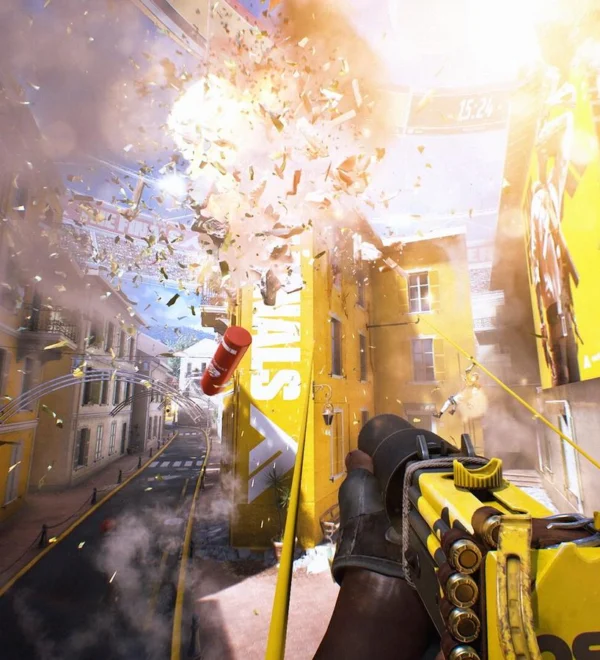 The Finals Developers Preparing Major Update With Destructibility and Arena Enhancements
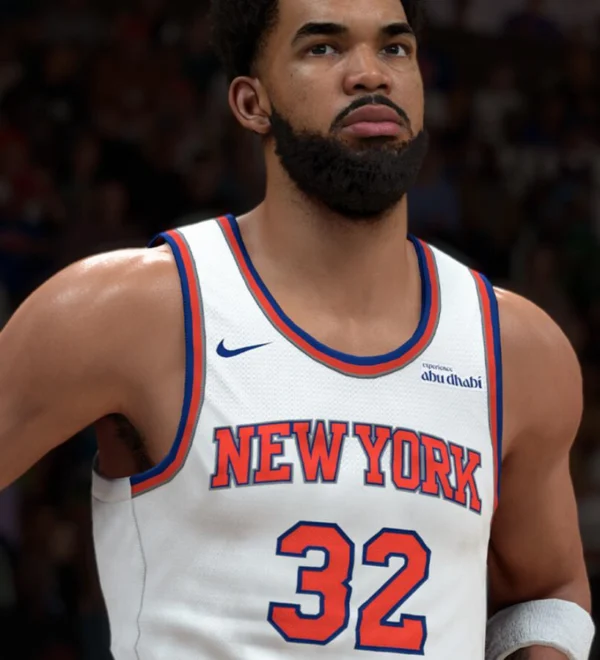 Take-Two Explains Decision Not to Carry Over NBA 2K Virtual Currency
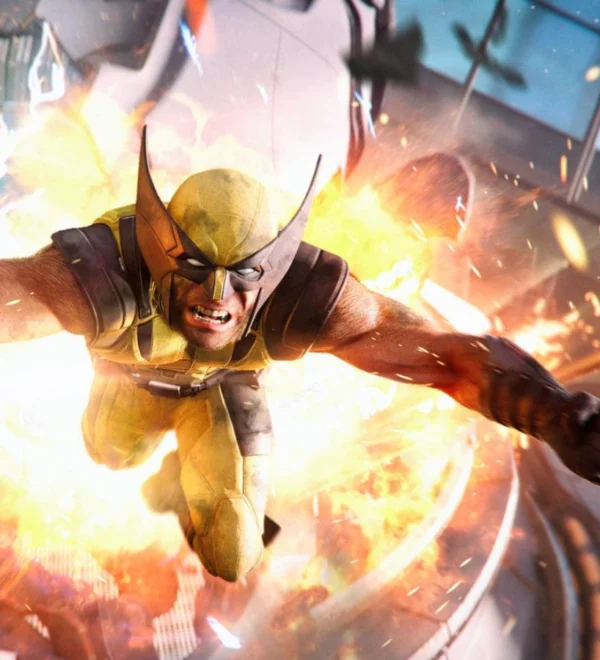 Insomniac Games Denies Using AI in Marvel’s Wolverine and Considers Making Smell Trail Optional
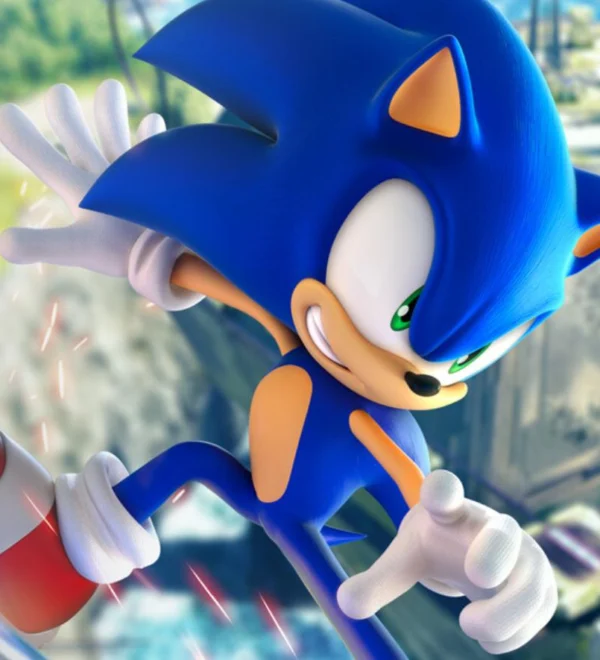 Sega Reveals Early Prototype of Darker Sonic Frontiers Without Floating Platforms
 Dying Light: The Beast Getting Physical Editions for PlayStation 5 Only After a Year