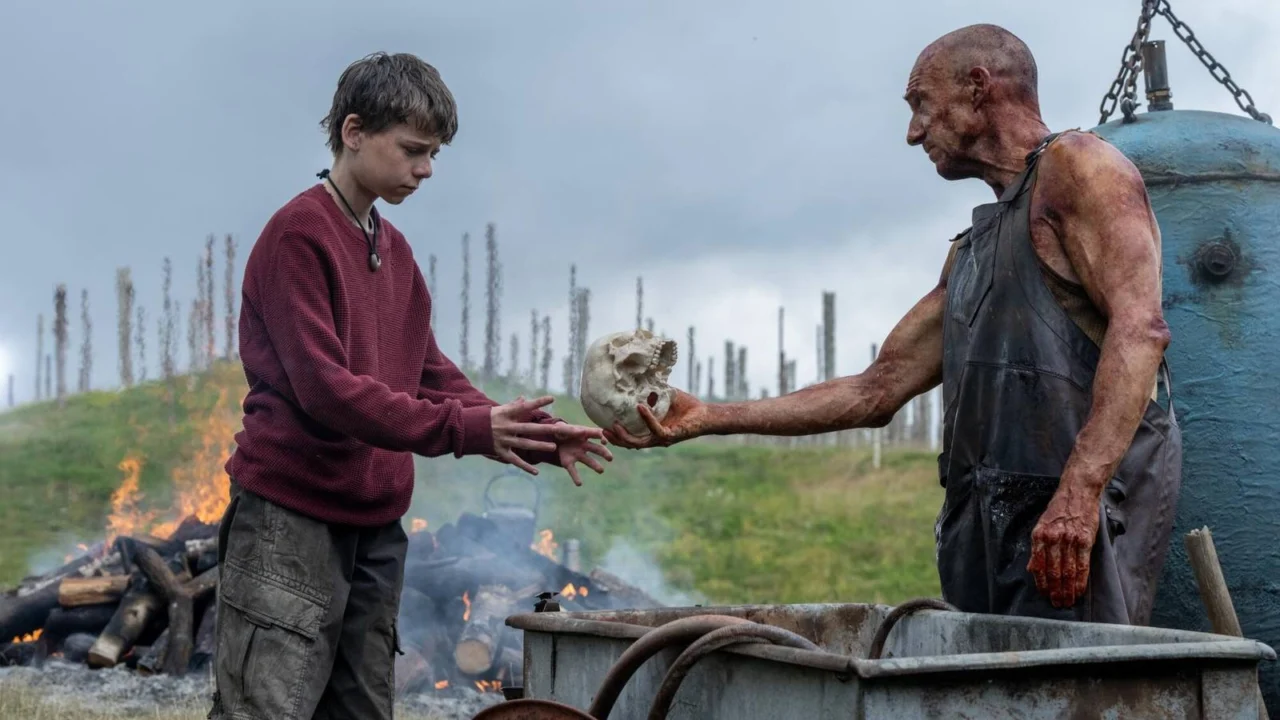
This Year’s Best Zombie Movie Is Now Streaming on Netflix

What often proves most revealing about zombie cinema isn’t the outbreak itself but the aftermath. George Romero’s Night of the Living Dead redefined the risen-dead archetype, and its endurance owes as much to Romero’s willingness to revisit and reshape the mythology over time as to the original’s ingenuity. That same impulse informs the return of 28 Years Later — Danny Boyle and Alex Garland’s long-anticipated continuation, now arriving on Netflix after its summer 2025 theatrical run — which reframes the franchise for a new era. 28 Years Later feels simultaneously faithful and restless.
Sequels in horror are almost inevitable; the genre is full of follow-ups, spin-offs, and legacy continuations. Boyle’s new film already has a sequel slated, with 28 Years Later: The Bone Temple scheduled for January 2026, and another project planned depending on its reception. Romero’s approach to sequels was once less conventional. In 1978, with Dawn of the Dead, he shifted tone and scope: moving from the stark black-and-white of Night of the Living Dead to lurid color, satirical set pieces, and survivors holed up in a shopping mall whose undead lingered like shoppers trapped in muscle memory. By 1985’s Day of the Dead, Romero had pivoted again, turning the camera squarely on human failure and institutional collapse.
28 Years Later unsettled some viewers precisely because it doesn’t traffic in simple nostalgia. The original 28 Days Later — released in Britain in 2002 and in the U.S. in 2003 — gained influence through its raw, documentary-adjacent aesthetic: early digital video granted the film a startling immediacy and an occasionally stark beauty. A 2007 follow-up, 28 Weeks Later, took a different tack with new characters and a different visual language. In reuniting Boyle and Garland, 28 Years Later feels like an authentic creative continuation: it isn’t about bringing back familiar faces so much as exploring the long shadow of the original film’s world.

The new film opens on an island commune that has preserved a carefully ordered life after Britain’s long years of quarantine. The community’s discipline protects children like twelve-year-old Spike, who lives with his father Jamie and his ailing mother, Isla. Boyle and Garland center the story on Spike: what begins as a father-son rite of passage — a trip ashore where island youth practice their defensive skills and partake in a ceremonial “first kill” — quickly spirals into something far darker and more ambiguous than tradition dictates.
Boyle and Garland continually reconfigure expectations across the film, steering from harrowing set pieces to quieter, more introspective moments, and ultimately toward an ending that both flirts with sequel setup and lands with culturally specific echoes. Some viewers found the tonal shifts disorienting, but the film’s unpredictability is part of its design: it resists being a straightforward homage to Romero’s templates while still conversing with them.
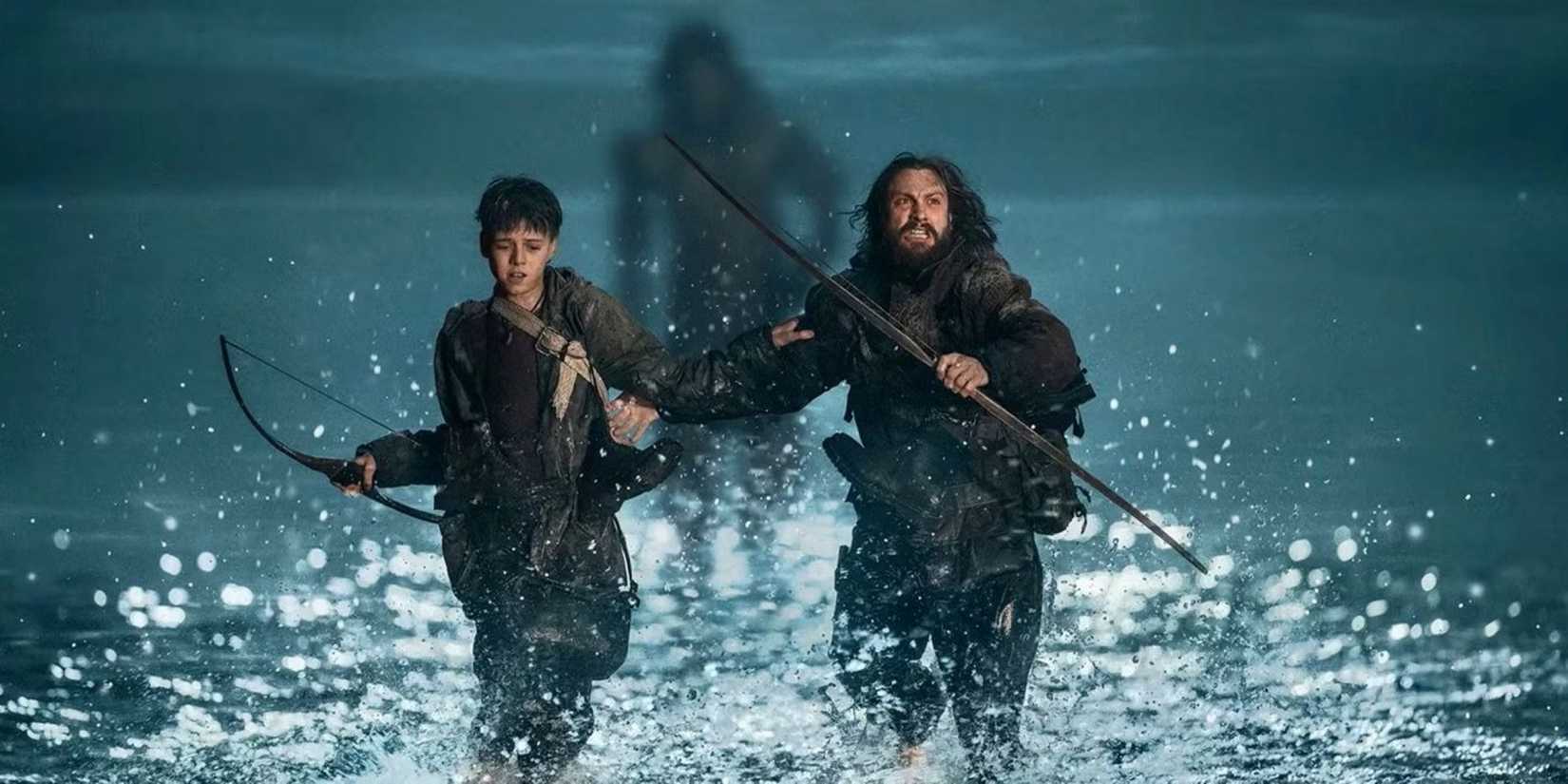
There are thematic overlaps with Romero’s later revival, Land of the Dead, which depicted attempts to rebuild society atop stark social divisions. Boyle and Garland aren’t primarily mining economic allegory, but they do probe whether the infected themselves might be changing — a provocative turn illustrated when Spike and others encounter a pregnant infected woman who gives birth to an uninfected child. Moments like that shift the film from genre set pieces to speculative inquiry about what “humanity” might mean in this world.
At times 28 Years Later can feel like a patchwork of ideas accrued during the franchise’s long dormancy, but those pieces cohere into a moving coming-of-age narrative: an account of adolescence in shards and flashes, where grief, curiosity, and moral confusion collide. That’s territory Romero’s classics seldom explored — the particular way growing up reshapes one’s relationship to death and to strangers in an unforgiving landscape.
Technically, the movie’s vivid, hyperreal photography complements that adolescent intensity. Where 28 Days Later used early digital formats to create a grainy, verité immediacy, the new film leverages contemporary smartphone imaging and bold color grading to produce a sharper, sometimes dizzying sensory impact. The result is a film that feels both modern and emotionally intimate.
In the end, 28 Years Later is unexpectedly tender. Romero’s films could be trenchant and misanthropic, but they also contained dry humor and human absurdity. Boyle and Garland’s sequel channels some of that moral curiosity while offering a more personal, heartfelt point of view — a reminder that zombie stories can still surprise, unsettle, and even console.
Source: Polygon
Related articles
 The Librarians: The Next Chapter Season 2 Has Concluded
 “The Mummy 4” filming has begun
 Urfin Jus Movie Announced
 Ellen Burstyn Receives Honorary Golden Lion
 Danny Boyle used artificial intelligence in his new film “Inks”
 Gary Oldman Reveals the Name of the New Bond
 Summer 2026 Becomes the Highest-Grossing Season in U.S. Box Office History
 Shadow Movie Screenings in Russia Face Shutdown