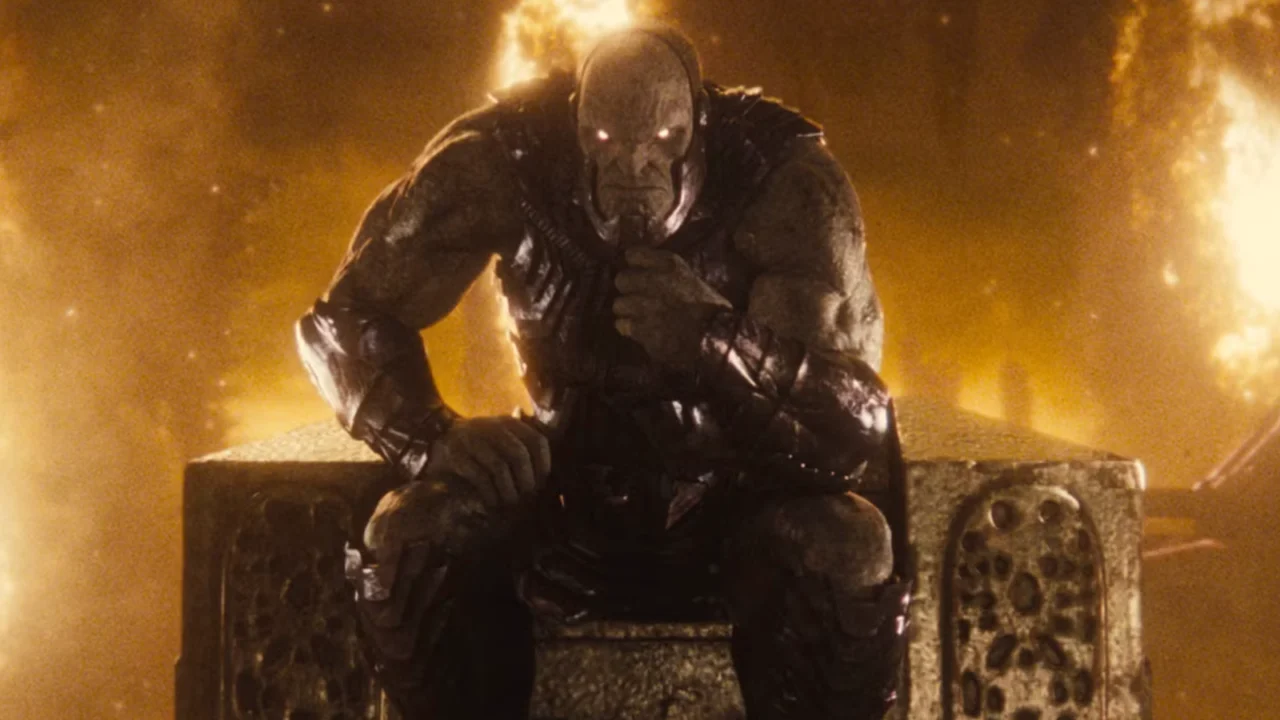
The Snyder Cut: Five Years Since the Movie That Was Meant to Change Everything
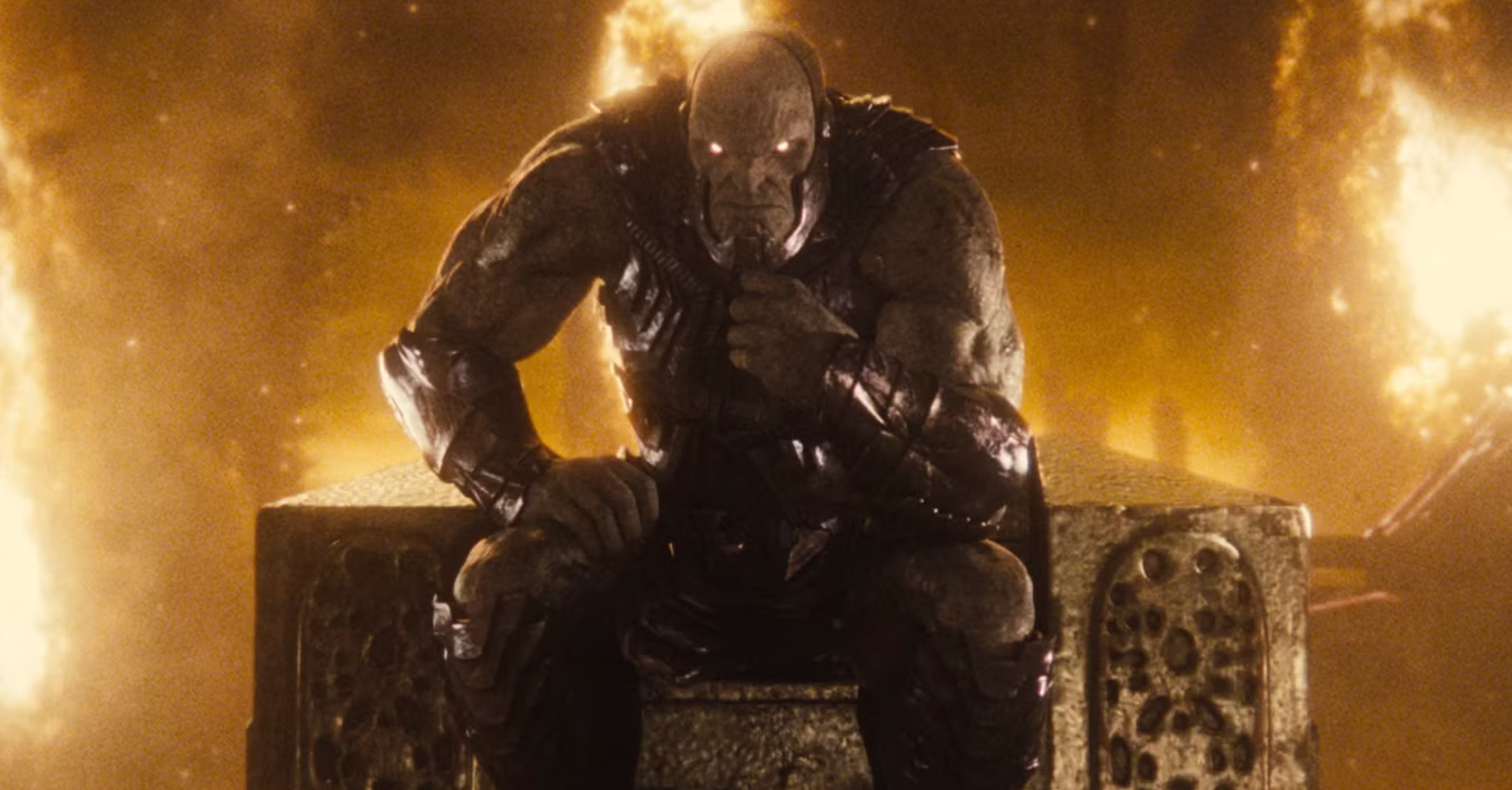
Clocking in at a staggering 242 minutes, Zack Snyder’s Justice League is an epic whose production history is arguably more complex than its plot. Five years removed from its high-profile debut, it is becoming increasingly clear that neither the film nor the digital crusade that birthed it triggered the industry-wide revolution many expected.
The genesis of this definitive cut is rooted in profound personal loss. Following the tragic passing of his daughter, DC Extended Universe architect Zack Snyder stepped away from the superhero crossover. In his stead, Warner Bros. recruited Avengers director Joss Whedon to shepherd the project to completion. The result was a tonally dissonant, quip-heavy feature that bore little resemblance to the somber, mythic aesthetic Snyder had established. When the 2017 theatrical version arrived to tepid box office returns and critical derision, a vocal segment of the audience immediately began clamoring for the director’s original vision.

What followed was the birth of a cultural phenomenon. For years, the #ReleaseTheSnyderCut hashtag dominated social discourse, fueled by a mixture of genuine fans and, as later investigations suggested, a significant presence of automated bots. This movement was multifaceted: supporters funded massive billboards in Times Square and raised over $500,000 for suicide prevention charities. Conversely, the campaign was often overshadowed by a toxic element that targeted critics and studio executives with relentless online vitriol.
The campaign reached its zenith in May 2020 when HBO Max announced that Snyder would finally be allowed to complete his version. Released nearly a year later, the “Snyder Cut” proved to be a largely rewarding experience for the faithful. While its massive runtime was undeniably indulgent, the replacement of the underwhelming Steppenwolf with the cosmic threat of Darkseid added much-needed gravity to the stakes. Furthermore, a newly filmed epilogue—set in a dystopian future where Batman and the Joker form a desperate alliance—gave audiences a tantalizing look at the narrative trajectory Snyder had originally intended.

In the immediate aftermath of its release, two outcomes seemed inevitable: the continuation of the “SnyderVerse” and a new era of director-driven restorations across the industry. Neither came to pass. Warner Bros. ultimately tapped James Gunn to spearhead a total reboot of the DC Universe, effectively closing the door on Snyder’s continuity. Surprisingly, the precedent set here didn’t lead to other studio restorations. Despite public lobbying from director David Ayer for his original cut of Suicide Squad, those efforts have stalled. Similarly, the fabled Phil Lord and Christopher Miller version of Solo: A Star Wars Story remains a ghost of a project as the duo pursues new creative ventures.

Half a decade since it arrived as a streaming event during the global pandemic, the film industry has largely reverted to its status quo. While Snyder occasionally revisits the project in interviews or on social media, the age of the blockbuster director’s cut appears to have been a brief anomaly. Reboots and legacy sequels still reign supreme, leaving the Snyder Cut as a singular, unrepeatable moment in cinema history—a legacy that is likely best left as a unique outlier.
Source: Polygon
Related articles
 GTA VI Artist Describes Aftermath of 2022 Leak: It Felt Like Someone Got Inside Your Head
 AISLPC Opens Preorders for Pocket AIS Retro Gaming Handheld
 The Witcher 4 Will Release in a Physical Edition, but with a Catch
 Survival Game Enshrouded Exits Early Access With Version 1.0 Release
 Steam to Add New Trophy System to Address Old Achievement Issue
 Steven Spielberg and Stanley Kubrick Sci-Fi Film A.I. Coming to Peacock
 PlayStation Casts Doubt on 60 FPS Support for GTA VI
 Avatar: Seven Havens Episode 6 Ending Explained