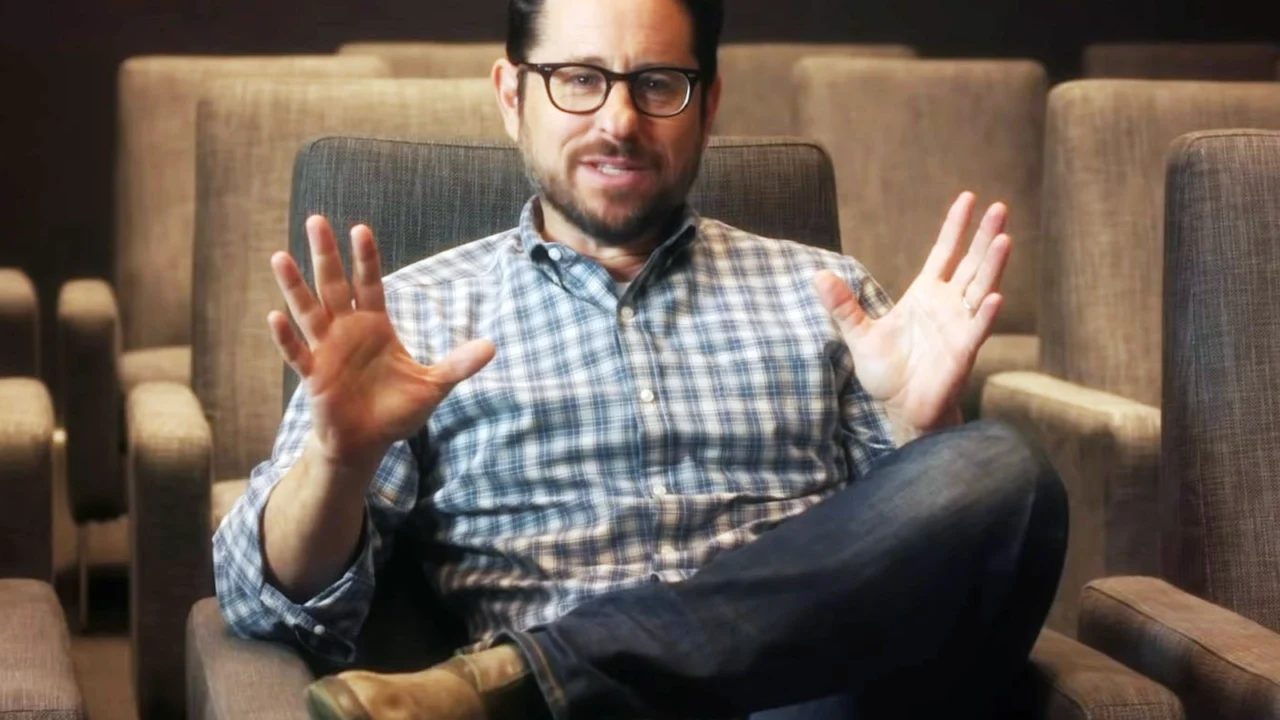
The Single Fatal Flaw of the 21st Century’s Most Successful Sci-Fi Director

During a candid 2019 profile with The New York Times, J.J. Abrams finally confessed a truth that many fans had long suspected. “I’ve never been great at endings,” the filmmaker admitted, effectively signaling the turbulence ahead for his then-imminent release, Star Wars: Episode IX — The Rise of Skywalker. He went on to self-deprecatingly claim he wasn’t “good at anything,” but doubled down on one specific talent: “I know how to begin a story. Ending a story is tough.”
Despite the monumental effort exerted by Abrams and his creative team to craft a blockbuster that could resolve nine films’ worth of lore, The Rise of Skywalker missed the mark. It was met with a lukewarm reception from critics and fans alike, failing to match the box office heights of The Force Awakens or The Last Jedi. Abrams’ own words proved prophetic: “Sticking this landing is one of the harder jobs that I could have taken.”
In the years since, Abrams has largely retreated from the spotlight, insulated by a staggering $500 million development deal with Warner Bros. that has yielded surprisingly little beyond the under-the-radar series Duster. Yet, while his struggle with finales is well-documented, his ability to spark intrigue remains unparalleled. Abrams is a virtuoso of the “Mystery Box,” a creator who can launch a franchise with such kinetic energy that audiences are instantly hooked—even if that initial promise eventually dissipates. He is, essentially, the industry’s undisputed king of the dramatic entrance.
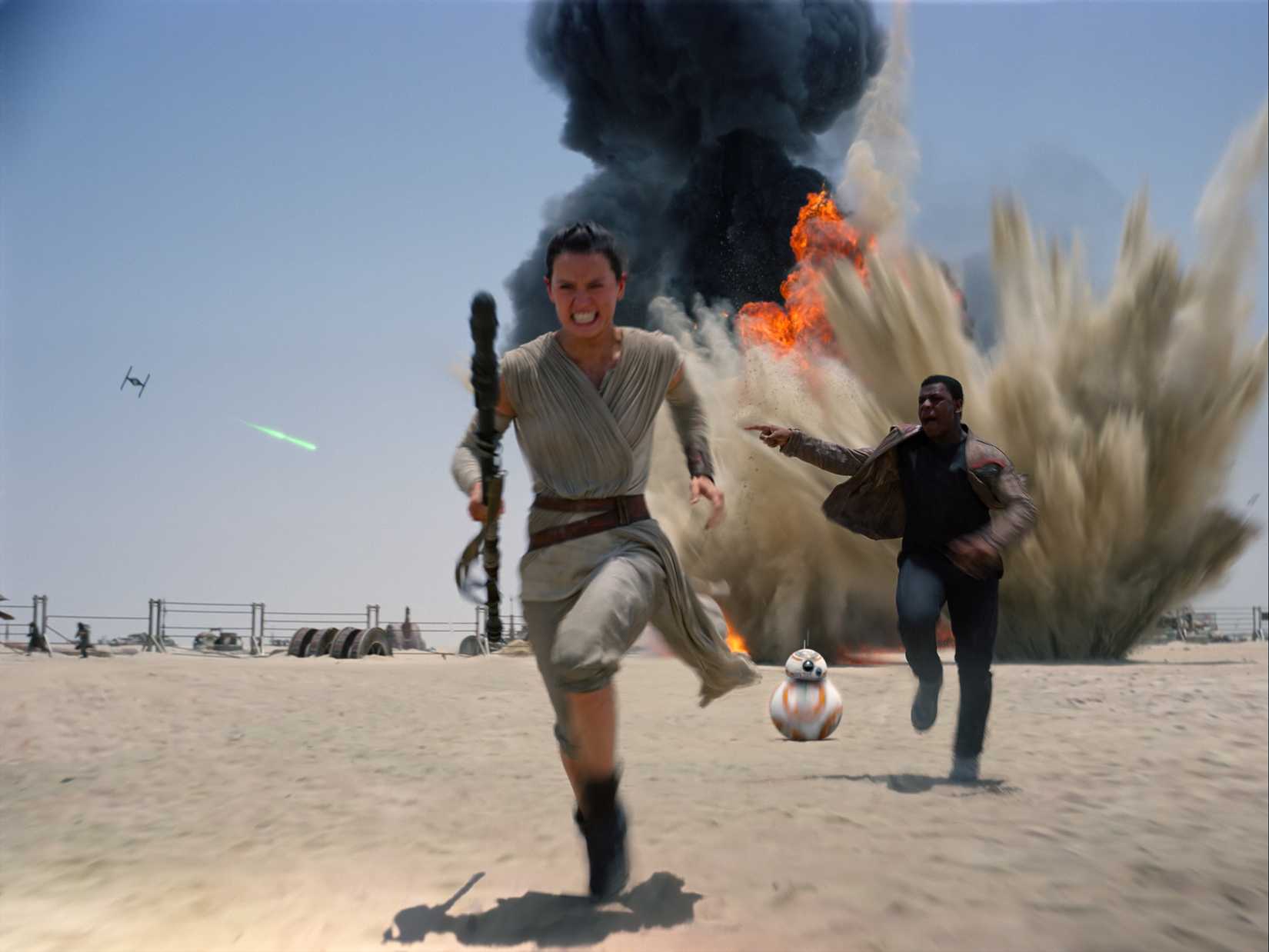
Image: Lucasfilm/Everett Collection
A retrospective of Abrams’ career highlights a consistent “ignite and exit” strategy. Before becoming a household name, he cut his teeth as a screenwriter on high-octane fare like Armageddon and contributed to the early tech demos that paved the way for Shrek. His first major breakthrough came with Felicity, a collegiate drama infused with touches of magical realism. True to form, once the show was established, Abrams pivoted to Alias, an espionage thriller starring Jennifer Garner that weaponized the cliffhanger format. After setting Alias in motion, he moved on to his most culturally significant project: Lost.
The legendary pilot of Lost remains a masterclass in hook-driven storytelling, yet Abrams largely stepped back after the first season. He left a team of collaborators to navigate the intricate web of mysteries he had spun. While his early TV ventures had mixed results in the long run—Felicity’s bizarre time-travel ending was polarizing, whereas Alias fared better—it became clear that Abrams was more interested in the setup than the resolution.
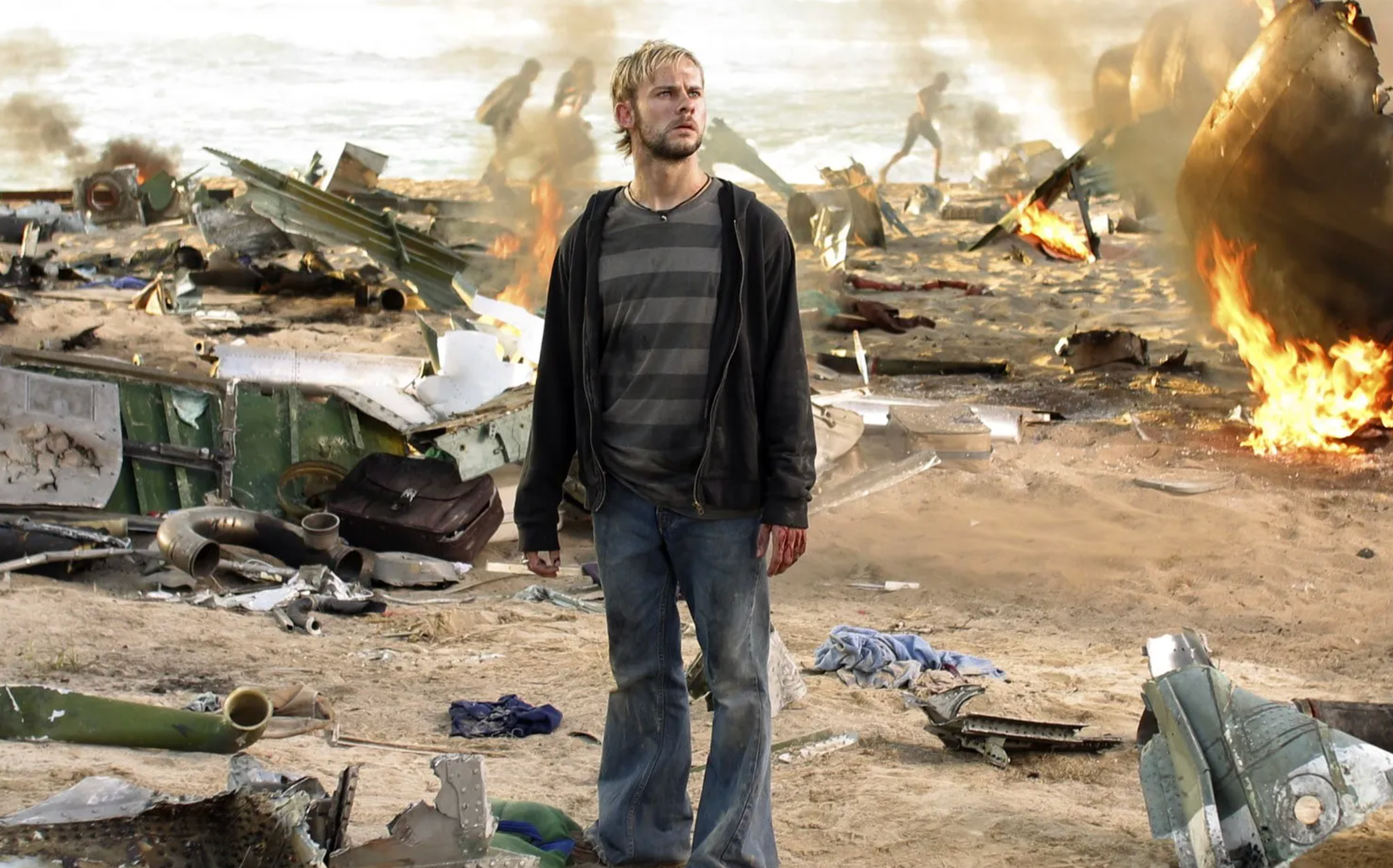
Image: ABC
In 2006, Abrams successfully transitioned to feature directing with Mission: Impossible III. While this was a rare instance of him stepping into a pre-existing franchise mid-stream, he still managed to inject a jolt of his signature energy. The film’s opening—a brutal, high-stakes interrogation featuring a terrifying Philip Seymour Hoffman—set a new, more visceral tone for Ethan Hunt’s adventures.
However, it was his 2009 Star Trek reboot that truly solidified his reputation as a franchise revitalizer. He bypassed decades of continuity by creating an alternate timeline, anchored by an emotionally resonant prologue. Witnessing the birth of James T. Kirk during a frantic starship evacuation was vintage Abrams: a perfect blend of high-concept sci-fi and human drama. It remains one of the most effective “dramatic entrances” in modern cinema.
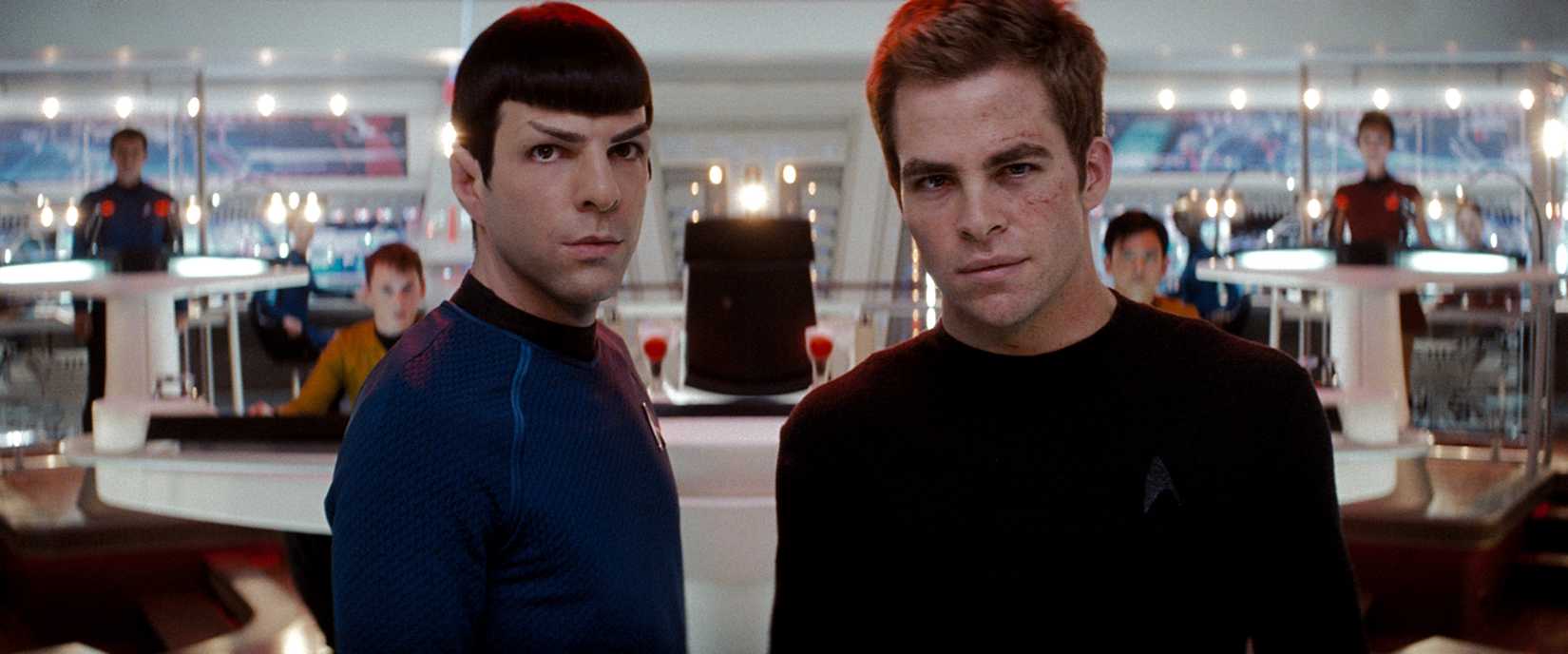
Image: Paramount Pictures/Everett Collection
Ultimately, Abrams’ career is defined by this paradox: he is the director Hollywood trusts most to breathe life into a dormant IP, even if the resulting journey often ends in frustration. The Star Trek films lost their momentum, Lost remains a lightning rod for “disappointing finale” discourse, and the Star Wars sequel trilogy struggled to find a cohesive landing. Perhaps his philosophy is best summarized by his own comment to the *Times*: “Any great ending is a new beginning on some level.”
Should Abrams re-emerge from his hiatus with another major project, history suggests it will start with a bang. Just don’t hold your breath for a satisfying conclusion. After all, the man himself warned us: he’s just not that good at endings.
Source: Polygon
Related articles
 Microsoft Announces Upcoming Xbox Game Releases
 Square Enix Shares Details on Kingdom Hearts IV and a Controversial Compromise
 How Counter-Strike: Global Offensive Began as an Xbox 360 Port
 Rhythm Heaven Groove Returns to Number One in Japan as Sales Approach One Million
 Gate Zero Resembles Mix of Assassin’s Creed and Sci-Fi
 Exclusive Preview Released for The Art of KPop Demon Hunters Ahead of Launch
 No Rest For The Wicked 1.0 Launch Delayed To March 2027
 GTA VI Faces Graphic Downgrade Accusations Before Next Reveal
3