
The One Thing I Need to See in a Life Is Strange TV Show
A television take on the time-bending adventure Life is Strange has circulated in rumors since 2016, but Prime Video confirmed on Sept. 5 that it has ordered a series based on the franchise. Charlie Covell — known for KAOS and The End of the F***ing World — will serve as executive producer and showrunner.
That announcement has prompted mixed reactions among fans. Notably, the original creators at French studio Don’t Nod won’t be involved in the adaptation — a common occurrence for cross-medium projects, but still a disappointment to some. Other players worry about how a TV series can honor a game built around player choice without designating one path as definitive. The game’s sequel, Life is Strange: Double Exposure, handled branching options gracefully because it remained interactive. Translating that ethos to a linear format will be a central creative challenge.
For me, the priority isn’t whether TV can mimic the game’s mechanics. It’s whether the adaptation centers the emotional core: the bond between protagonist Max Caulfield and her best friend, Chloe Price.
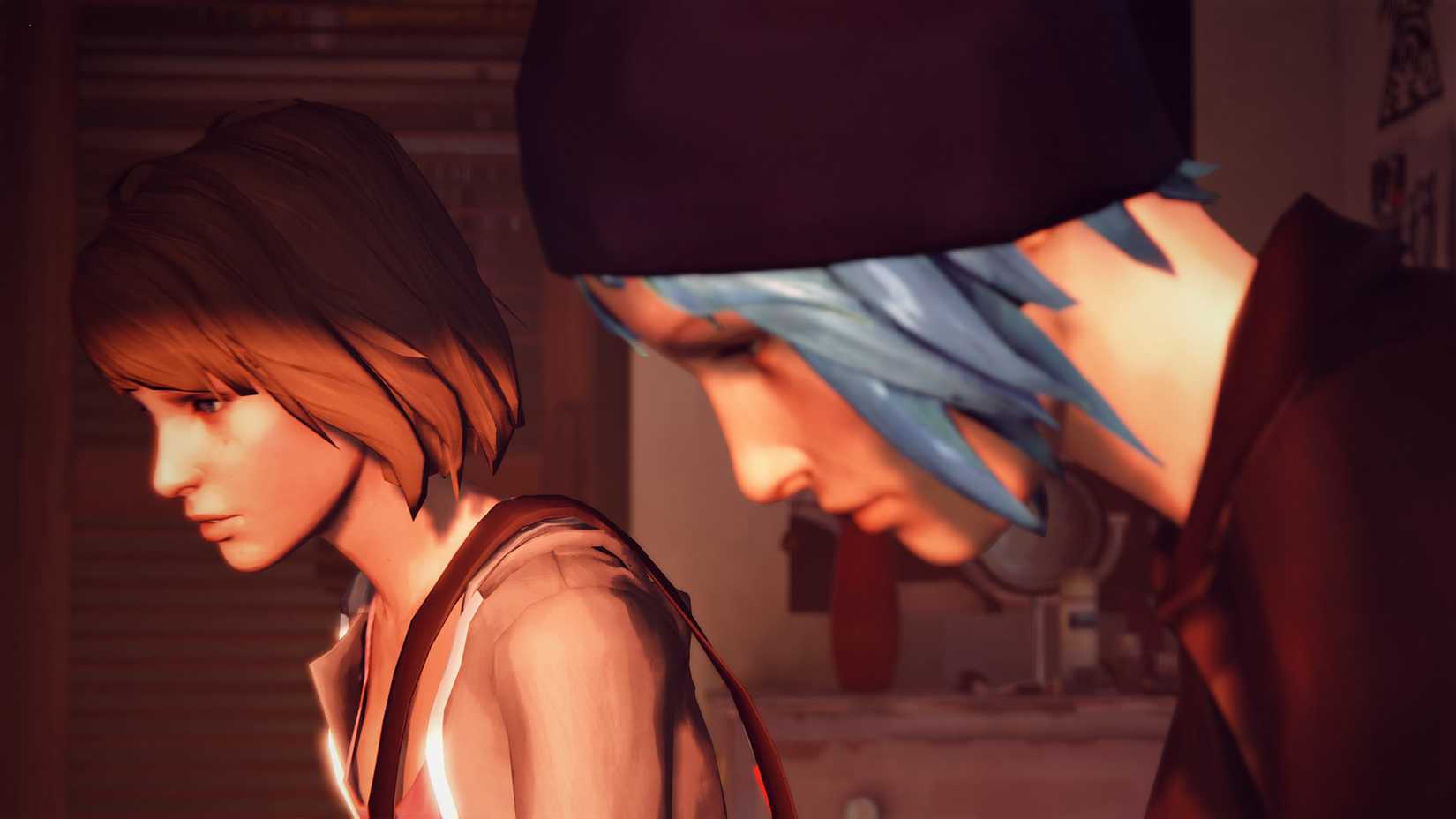
Image: Dont Nod
Why Max and Chloe are the linchpin of Life is Strange
The 2015 original follows photography student Max Caulfield as she returns to Arcadia Bay for her final year at Blackwell Academy. Early on, Max witnesses a traumatic event: she sees her friend Chloe shot by classmate Nathan Prescott. In that moment Max discovers she can rewind time, and she uses that power to save Chloe — an act that sets off a cascade of consequences and gradually exposes the darker undercurrents of the town.
Ed. note: Spoilers for the 2015 Life is Strange follow.
Those consequences are personal as well as cosmic. Max’s intervention alters the timeline so drastically that it precipitates a catastrophic storm aimed at Arcadia Bay. The game culminates in an agonizing decision: sacrifice Chloe to save the town, or save Chloe and let the wider community suffer. After investing five episodes into their evolving friendship, players face a stark moral reckoning — a narrative beat that makes Max and Chloe’s relationship the story’s emotional fulcrum.
Max and Chloe’s history is complicated
Chloe’s life has been shaped by abandonment and loss. When Max’s family moved away during their childhood, the two drifted apart. Max adjusted to her new life; Chloe was left to navigate her father’s death and the failures of the adults around her. That early fracture informs Chloe’s mistrust and anger, and when Max comes back into her life, old wounds resurface.
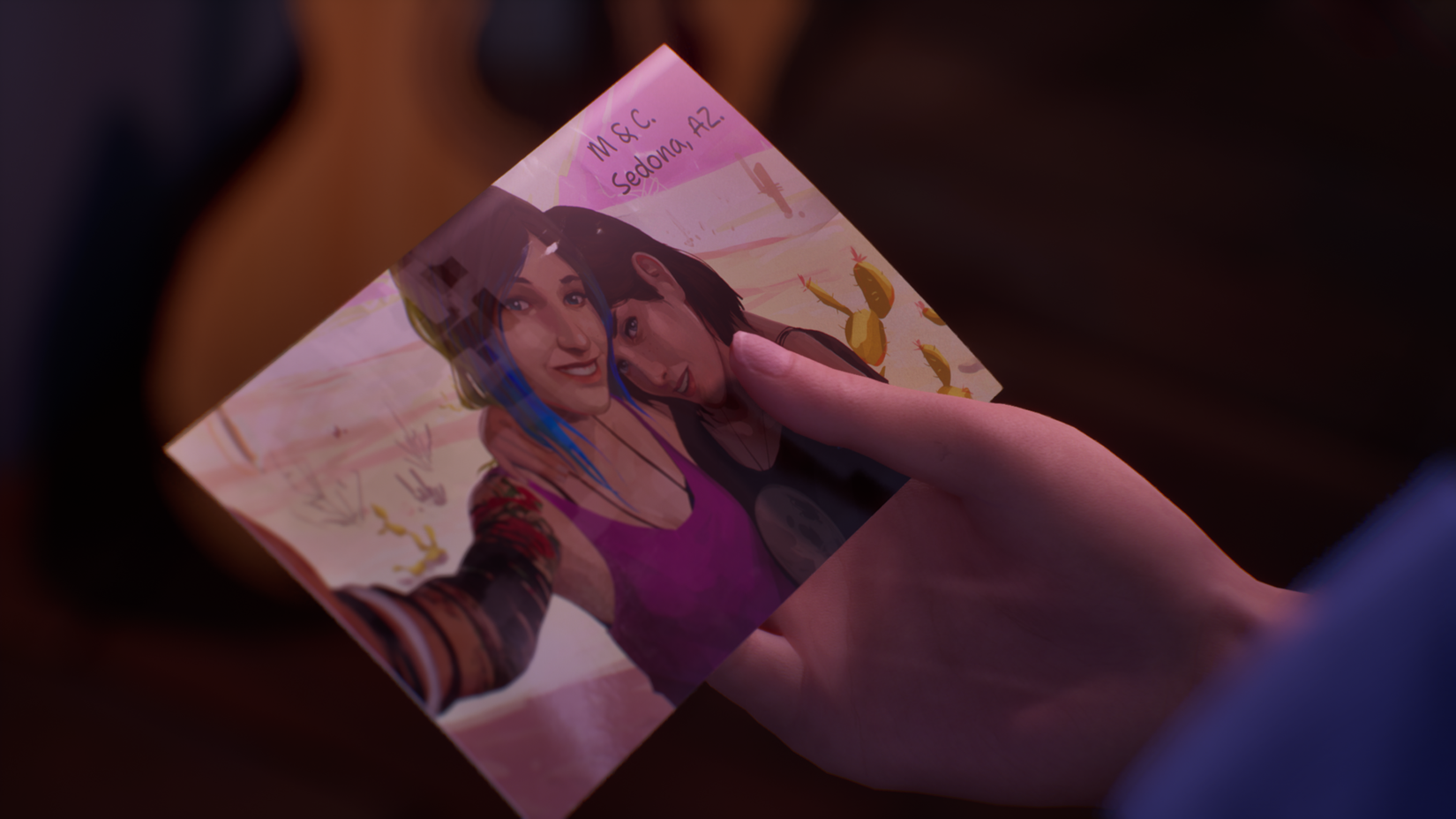
Image: Deck Nine Games/Square Enix via Polygon
In Life is Strange, Chloe relied on Rachel Amber as a close companion (their relationship is examined in the 2017 prequel Life is Strange: Before the Storm), so Rachel’s disappearance leaves Chloe devastated once again. Initially wary of Max — who left and reappeared years later — Chloe gradually opens up. Their renewed intimacy and the choices they make together propel the narrative into darker territory than either anticipated.
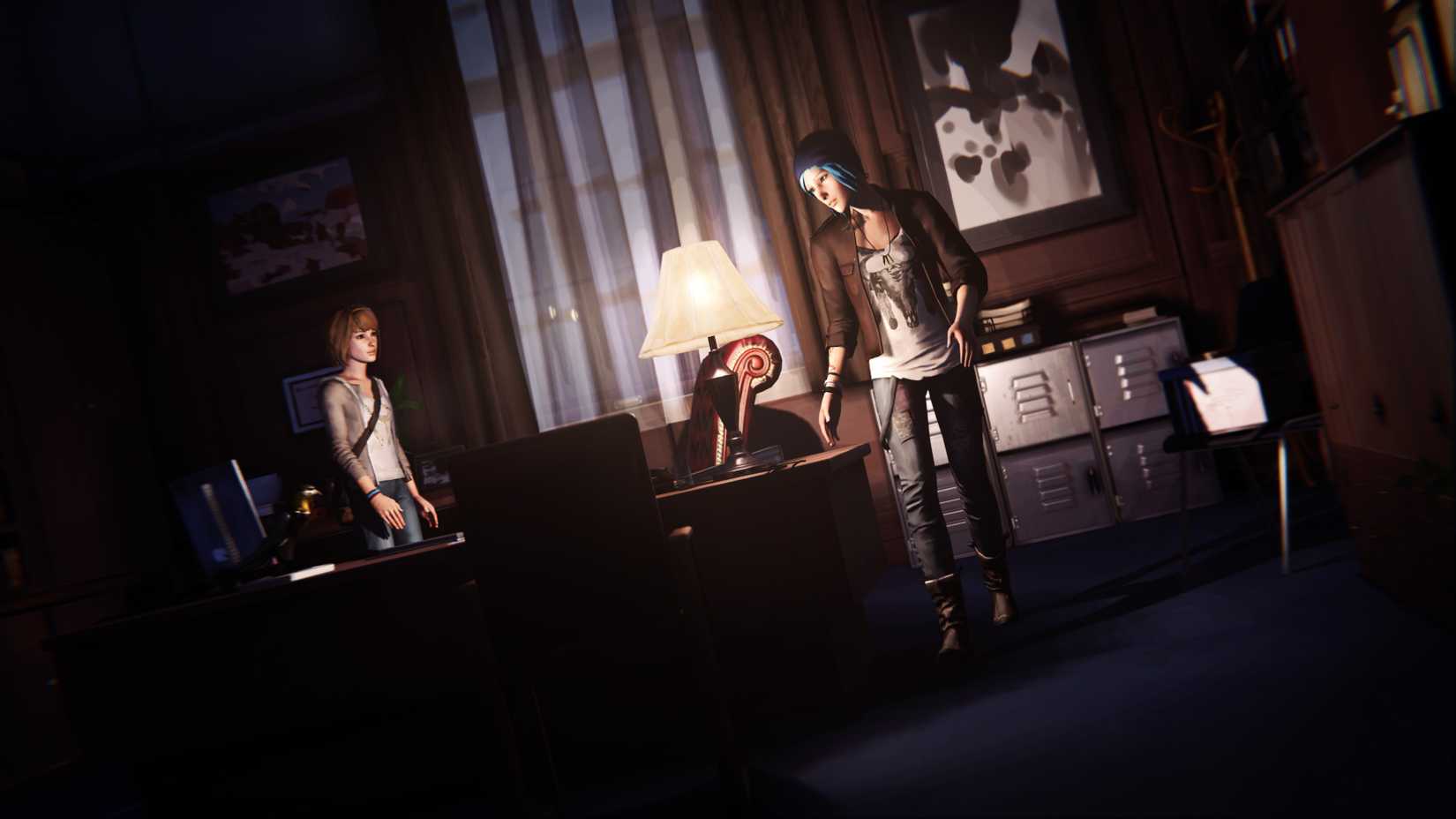
Image: Don’t Nod
Life is Strange needs its queer inclusivity
Beyond plot mechanics, the show must respect the characters’ emotional truths — including the romantic potential between Max and Chloe. In the original game players can pursue different romantic outcomes (Chloe, Warren, or none), but Max’s diary and internal monologues reveal an attraction to Chloe regardless of in-game choices. That emotional thread is intrinsic to her character and ought not be erased.
Omitting Max’s queerness would be a misstep, especially at a moment when representation in mainstream media remains crucial. The series has been an important touchstone for queer players: later entries like Life is Strange: True Colors earned recognition for their inclusive portrayals, and many fans — myself included — found validation in seeing nuanced queer characters depicted without ridicule. Ensuring the adaptation honors that legacy matters.
I’m not arguing that fans’ demands should dictate every creative decision — vocal fandoms can sour dialogue when they turn into entitlement or harassment — but ignoring the aspects of the game that resonated most with its audience would be a missed opportunity for the adaptation to connect authentically.
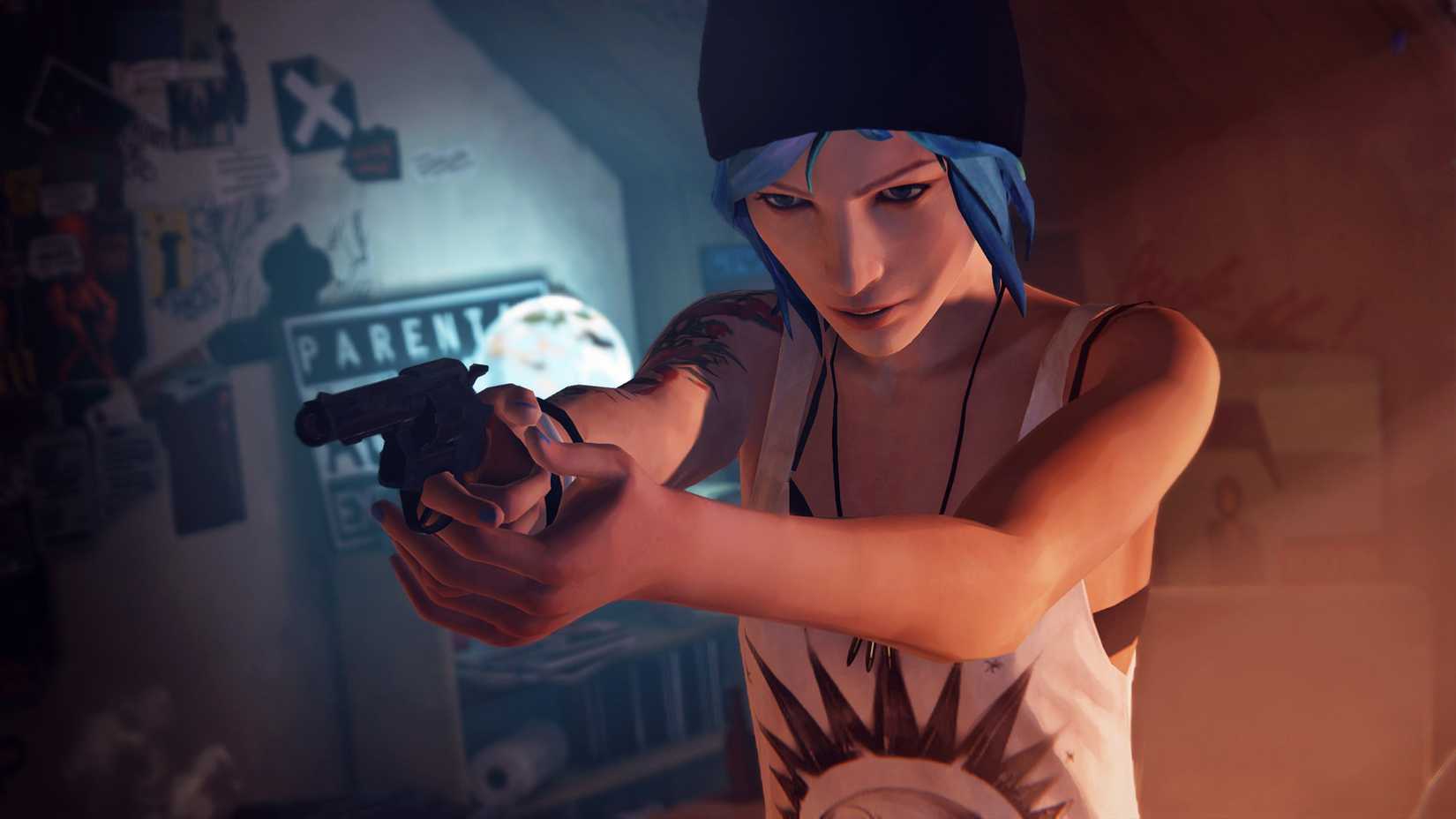
Image: Don’t Nod
Removing the social and historical context that made Max and Chloe’s relationship meaningful would undercut the source material. What sets the Life is Strange games apart is how they let moments breathe: the music, the quiet conversations, the small acts of intimacy. The franchise has always been less about spectacle and more about those human beats. If the TV adaptation reproduces that intimacy — the slow-building trust, the ordinary pauses between crises — it stands a chance of honoring what made the games special.
Source: Polygon
Related articles
 “The Bunker” starring Bardem and Cruz screened at Venice
 The Librarians: The Next Chapter Season 2 Has Concluded
 “The Mummy 4” filming has begun
 Urfin Jus Movie Announced
 Ellen Burstyn Receives Honorary Golden Lion
 Danny Boyle used artificial intelligence in his new film “Inks”
 Gary Oldman Reveals the Name of the New Bond
 Summer 2026 Becomes the Highest-Grossing Season in U.S. Box Office History