
The Lost Boys Musical Creators Discuss Key Changes From the Original Film
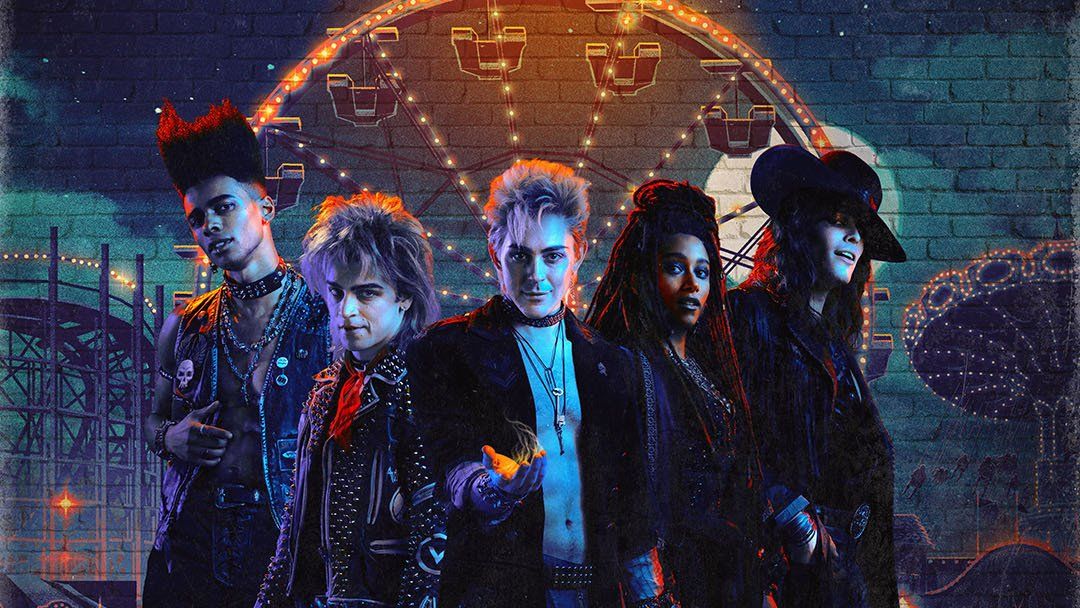
The vampire genre is currently undergoing a theatrical and cinematic renaissance. Ryan Coogler’s Sinners is already a critical heavyweight, securing 16 Oscar nominations. Meanwhile, fans of the undead are looking forward to June, when AMC debuts a fresh chapter of Interview with the Vampire, centered on the flamboyant Lestat de Lioncourt (Sam Reid) rebranding himself as a rock star. Joining this blood-soaked lineup is the highly anticipated Broadway debut of The Lost Boys, a stage adaptation of Joel Schumacher’s 1987 cult masterpiece. Previews are set to begin on March 27.
In a recent conversation, writers David Hornsby and Chris Hoch discussed their vision for the production, emphasizing their desire to honor the original’s legacy while expanding its emotional scale. “Vampire narratives serve as profound metaphors for the human experience,” Hornsby notes. “They offer the kind of high-stakes, visceral themes that naturally lend themselves to the grandeur of musical theater.”
The original film, a cornerstone of 80s horror-comedy, follows brothers Michael and Sam Emerson as they navigate the peculiar dangers of Santa Clara, California. While Michael finds himself lured into a motorcycle-riding vampire gang led by the charismatic David, Sam joins forces with the eccentric, comic-book-collecting Frog brothers to stage a rescue. Known for its queer subtext and stylish camp, the film paved the way for modern staples like Buffy the Vampire Slayer and What We Do in the Shadows.
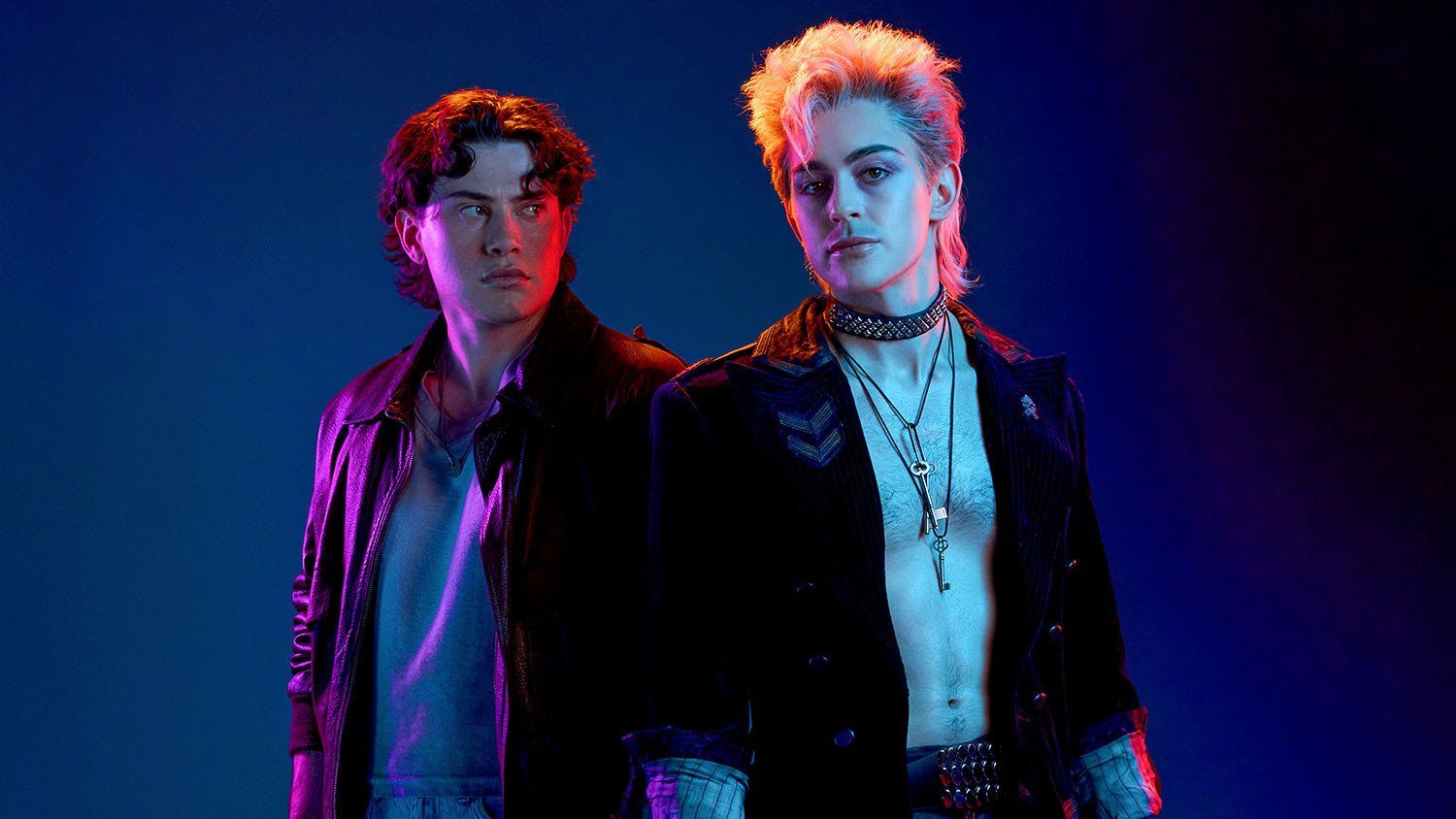
“We wanted to preserve that specific blend of adolescent angst and dark humor that made the movie a classic,” says Hornsby. For Hoch, the project is also an opportunity to avoid the tonal pitfalls of the past. Having performed in the short-lived 2004 production of Dracula, the Musical, he recalls a pivotal scene where a dramatic vampire staking inadvertently provoked fits of laughter from the audience.
“Sustaining the right atmosphere in this genre is a delicate balancing act,” Hoch explains. “While we want the audience to be swept up in the spectacle, we are also grounding the show in a sincere coming-of-age story about the need for belonging.”
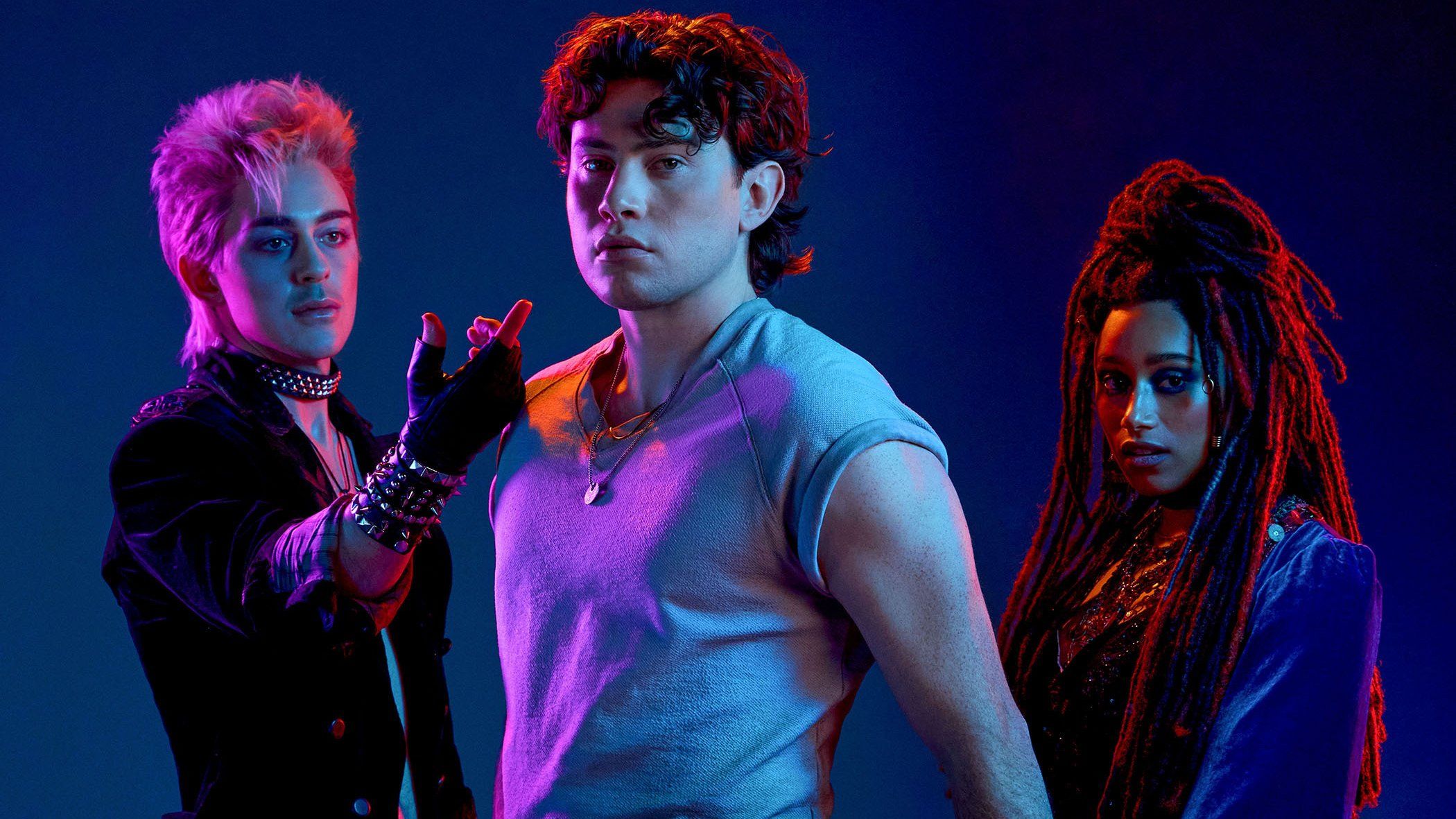
To ensure the show remains engaging, the writers are utilizing the film’s signature humor as a necessary release valve for the high-octane drama. Under the direction of Tony winner Michael Arden and scenic designer Dane Laffrey, the production is leaning heavily into ambitious stagecraft, including practical flight effects and visceral vampire encounters. “The sheer magnitude of this musical is immense,” Hornsby adds. “It required a very specific type of theater just to accommodate the technical demands.”
While the adaptation remains faithful to the core of the film, some creative adjustments were made. The character of the eccentric grandfather has been omitted, with the Emerson family instead inheriting his estate. Fans have also been curious about the return of the iconic “sax man,” though the writers remained coy about whether Tim Cappello’s legendary performance would be replicated. However, they did confirm that characters like Star and David will receive significantly more depth and musical focus.
“David is a fascinating figure,” Hornsby remarks. “In the film, Kiefer Sutherland radiated an incredible presence with relatively few lines. On stage, we had to ask ourselves what drives a person like that and give him a voice through song.”
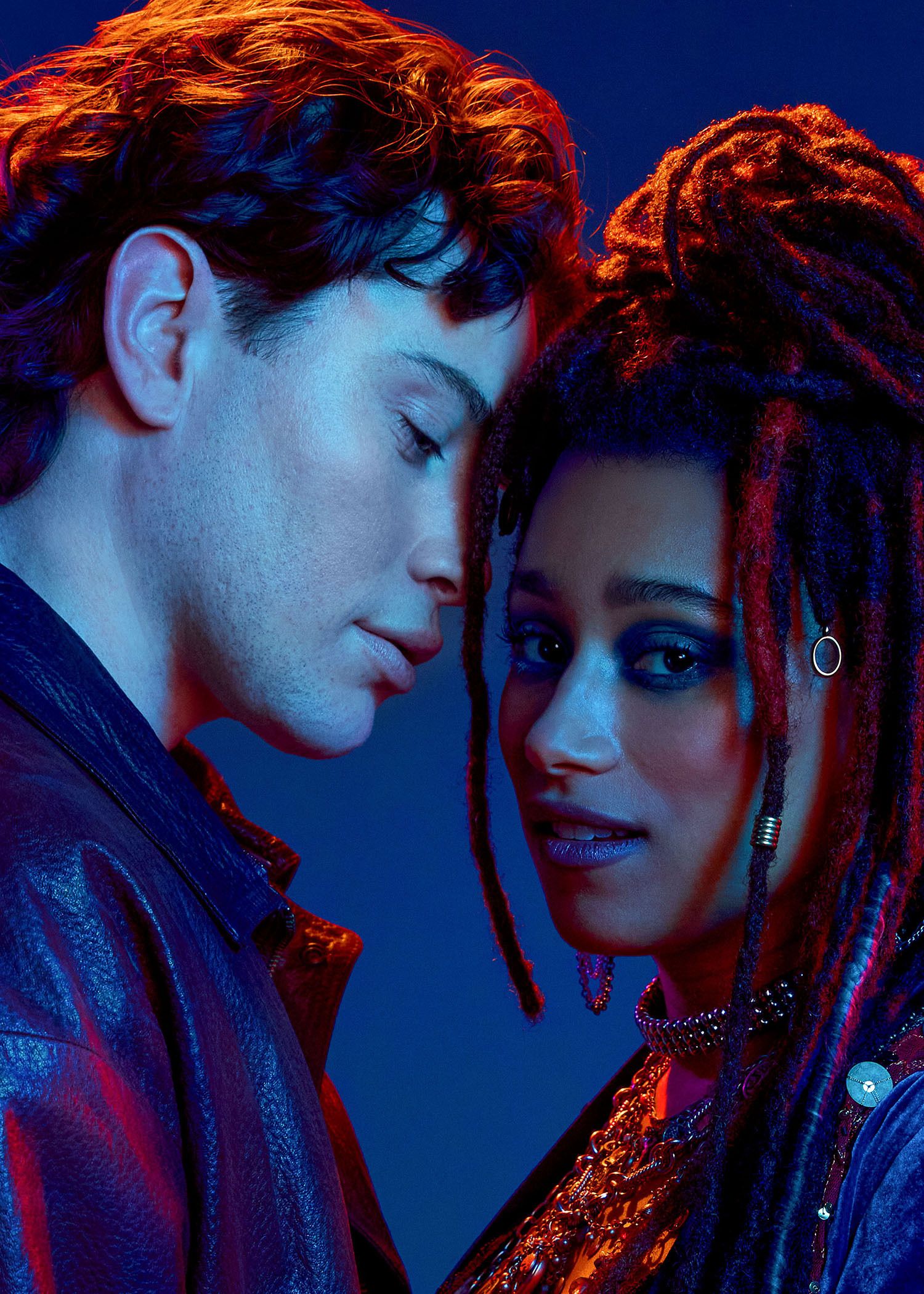
Beyond the horror and the hits, the musical explores the timeless resonance of found families and outsider culture. “Every generation finds a reflection of its own struggles in vampire lore,” Hoch concludes. “Whether it’s a metaphor for social isolation or political unrest, these stories remain incredibly seductive and dangerous. They are, quite simply, a lot of fun.”
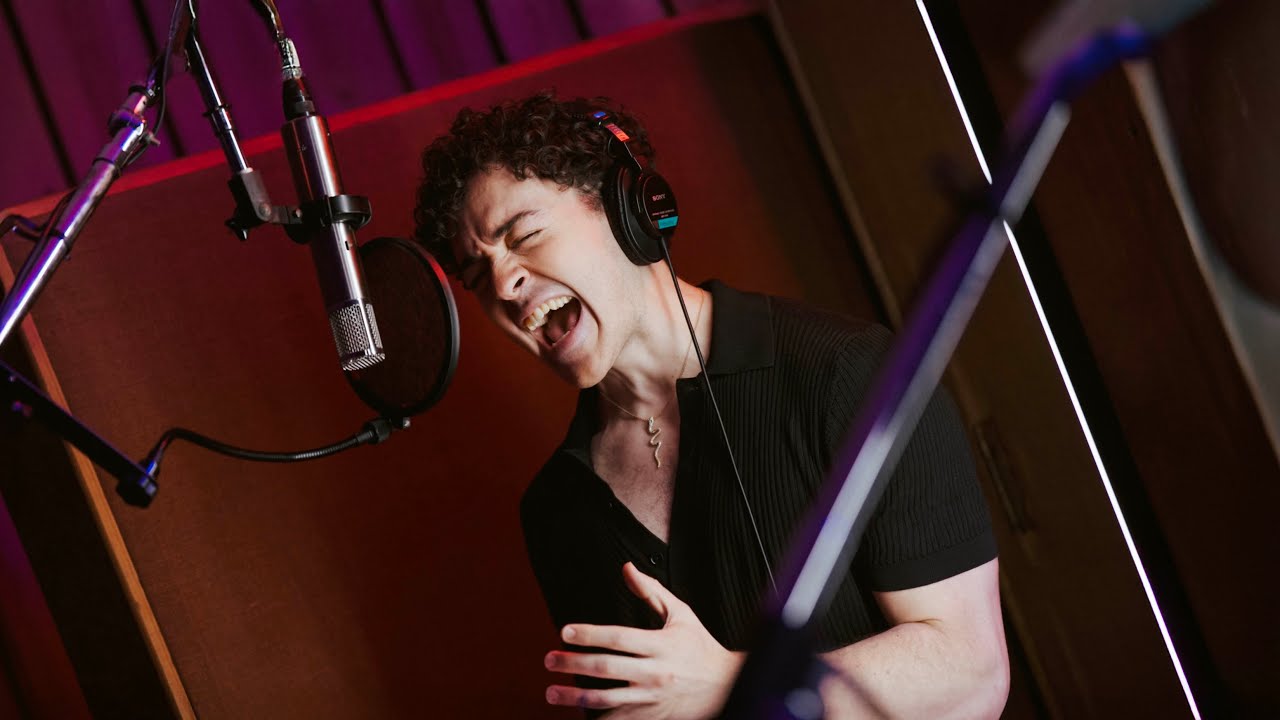
Source: Polygon
Related articles
 Battlefield 6 Developers Respond to Memes About Paid “AI Slop” Skins and Explain Design Choices
 SPINE Gets New Trailer Focused on Main Character Customization
 Unofficial Android Port of Call of Duty 4: Modern Warfare Reportedly Runs at 60 FPS in Gameplay Videos
 Cyberpunk 2077 Co-Op Mod in Development, Gameplay Trailer Released
 Toxic Arc Raiders Players Found a Way to Harass Others in PvE Mode
 First Look at Drova II Torn Lands, Sequel to the Pixel Art Gothic-Like RPG
 CDPR Didn’t Expect Such Big Interest in The Witcher 3 Remaster, Which Set a New Record
 9 Best Single-Player Zelda-Like Games Nobody Plays, Ranked