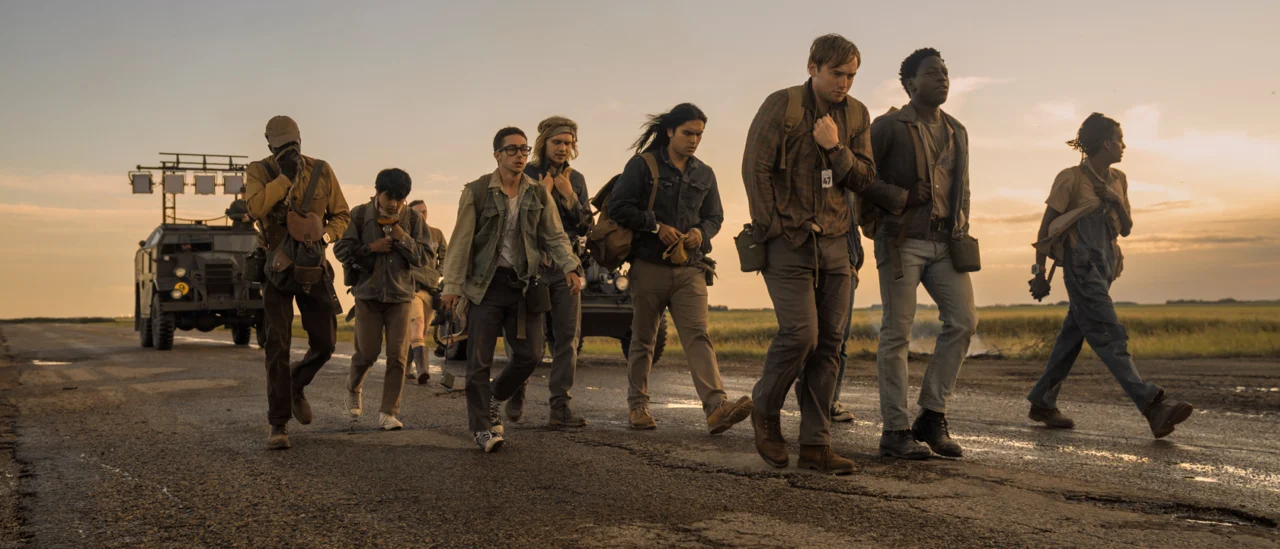
‘The Long Walk’ Review: Stephen King’s Bleakest Film Since ‘The Mist’ Delivers an Unforgettable Experience
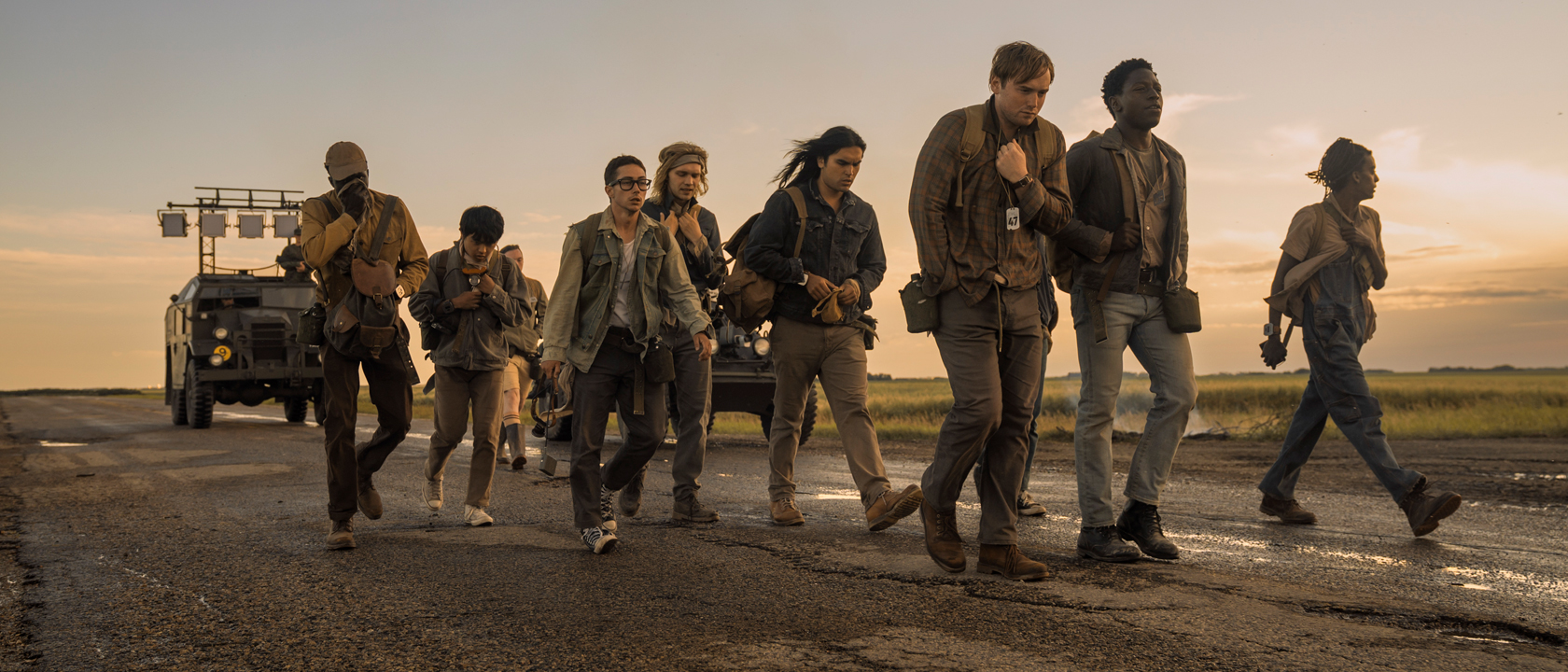
In his commentary for The Mist, Frank Darabont recounts Stephen King’s enthusiastic reaction to the film’s bleak finale—an ending far more brutal than the original novella. King reportedly emailed Darabont, noting that each generation “needs a movie like Night of the Living Dead, where nobody gets a happy ending.” After all, cinemagoers have grown accustomed to upbeat conclusions—the so-called “Hollywood ending.” Yet true art must sometimes mirror life’s harsher truths.
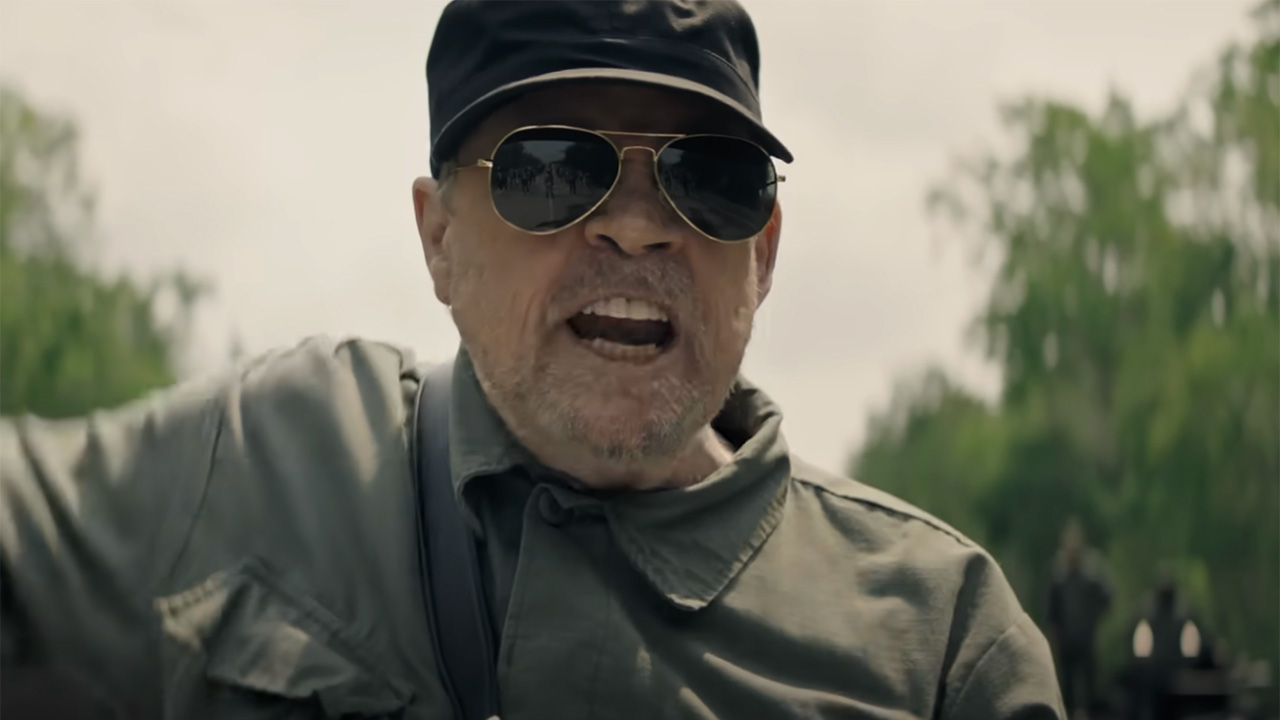
The Long Walk
- Release Date: September 12, 2025
- Director: Francis Lawrence
- Screenplay: JT Moller
- Cast: Cooper Hoffman, David Jonsson, Tut Nyuot, Ben Wang, Garrett Wareing, Charlie Plummer, Judy Greer, Mark Hamill
- Rating: R (strong bloody violence, grisly imagery, suicide references, pervasive language, sexual references)
- Runtime: 108 minutes
Nearly eighteen years after Darabont’s harrowing adaptation of King’s novella, Francis Lawrence delivers The Long Walk—another uncompromising take on the author’s darkest impulses, but one that remains faithfully tethered to its source. From the first moments, the film promises a relentless descent into desperation. Even readers familiar with Richard Bachman’s original novel will find themselves unprepared for the gut-punch emotional toll this cinematic reimagining exacts.
Viewed through a self-inflicted lens of masochism, The Long Walk realizes the once-deemed “unfilmable” narrative that King penned as his inaugural novel. Witnessing Lawrence’s vision, I questioned why I so eagerly sought the anguish this story would inflict—yet I emerged in awe of its daring execution. This is modern filmmaking at its unflinching best.
Set in a near future scarred by a devastating conflict, fifty teenagers—one representative from each state—are selected for a savage endurance trial. Contestants must sustain a brisk three-mile-per-hour pace; each slowdown earns a warning, and accruing three warnings triggers a fatal execution by vigilant soldiers. The victor claims a lavish reward and a single wish, but the cost of failure is execution.
Character development elevates a deceptively simple premise
The Long Walk’s simplicity—a continuous march without subplot diversions—is what once rendered it “unfilmable.” Mollner’s screenplay introduces only fleeting dream sequences and flashbacks, but otherwise mirrors the novel’s singular focus. And yet, the monotony of walking transforms into a riveting study of youth under unrelenting strain.
King’s storytelling mantra holds true: investment in characters fuels narrative power. Some competitors remain stoic, others sow discord, but most share their histories and hopes as they tread toward a brutal conclusion. Their camaraderie—born of shared suffering—buoys us even as the tally of warnings climbs.
David Jonsson shines amid an outstanding ensemble
An ensemble cast imbues the film with authenticity. Cooper Hoffman, following his breakthrough in Licorice Pizza, anchors the story as Ray Garraty, whose easy charm masks deeper scars. Judy Greer delivers a poignant turn in a brief yet crucial role as Garraty’s mother. Yet it’s David Jonsson’s Peter McVries who steals every scene: optimistic despite hardship, Jonsson crafts an emotional core that lingers long after the credits roll.
Francis Lawrence’s vision is as shocking as it is unflinching
The Long Walk interrogates fascistic power and the exploitation of youth with brutal honesty. Lawrence refuses to dilute the violence; when a contestant falters, no cutaway softens the moment as a bullet tears through his skull. It’s a choice that underscores the story’s themes and cements its impact.
Beyond the executions, the film’s horror stems from the march itself. The visible exhaustion—blistered feet, bloodied limbs, anguished cries—underscores the ordeal’s torturous nature. Even the most squeamish viewers cannot deny the artistry in capturing such unvarnished brutality.
For those unacquainted with King’s narrative, The Long Walk delivers the same merciless twist as Stanley Kubrick’s Paths of Glory. You assume a last-ditch rescue or moral victory awaits—only to be met with an irreversible descent into darkness. Such reminders of humanity’s capacity for cruelty are vital; without them, art becomes mere escapism.
While not as historically grounded as Kubrick’s masterpiece, Lawrence’s adaptation echoes its emotional devastation. It spotlights society’s enduring readiness to expend the young for entertainment or ideology—a potent message first voiced by King under his Bachman pseudonym and amplified here with unforgettable force.
Related articles
 “The Bunker” starring Bardem and Cruz screened at Venice
 The Librarians: The Next Chapter Season 2 Has Concluded
 “The Mummy 4” filming has begun
 Urfin Jus Movie Announced
 Ellen Burstyn Receives Honorary Golden Lion
 Danny Boyle used artificial intelligence in his new film “Inks”
 Gary Oldman Reveals the Name of the New Bond
 Summer 2026 Becomes the Highest-Grossing Season in U.S. Box Office History