The Future of Zelda: Beyond the Breath of the Wild Formula
In its formative years, Nintendo maintained a surprisingly laissez-faire attitude toward its intellectual property. It’s a concept that feels alien today, but the 1980s operated under a different set of rules. During that era, the company allowed Interplay to cast Mario in a checkers title and authorized a Donkey Kong musical record that bizarrely established the character’s foundational lore. This was a stark contrast to the modern Nintendo we’ve come to expect—a corporate titan known for guarding its lucrative mascots with unparalleled ferocity.
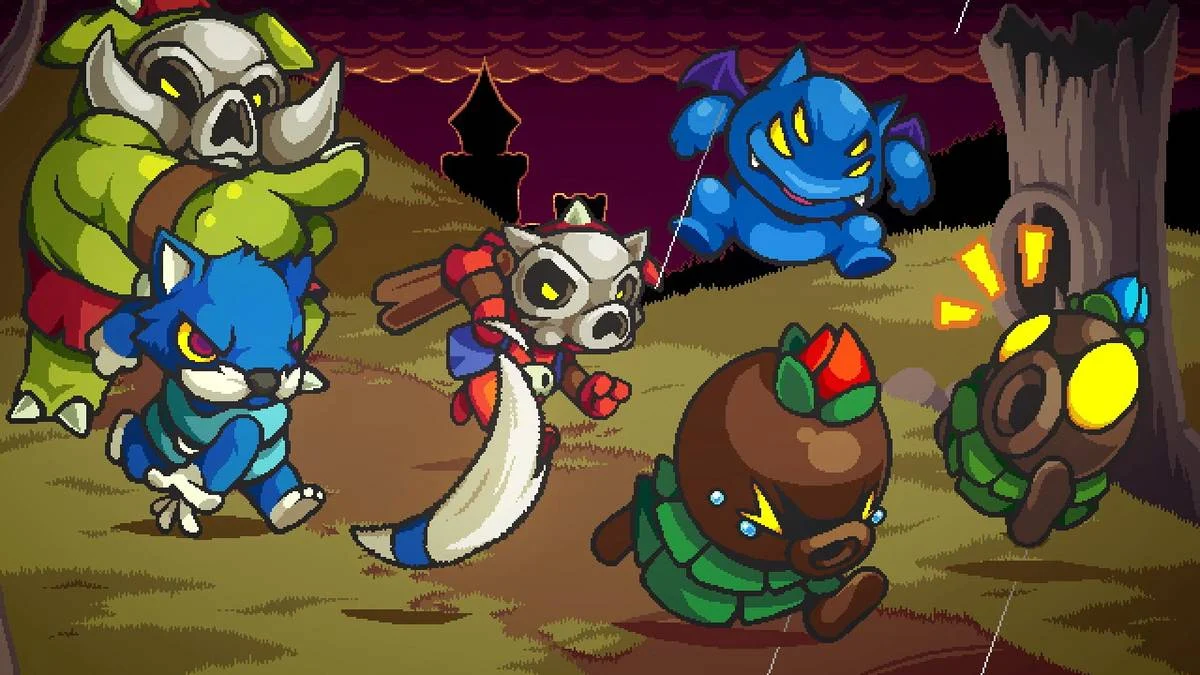
However, the ice has begun to thaw over the last several years. Nintendo has slowly embraced external collaboration, allowing Illumination to take creative liberties with the Mario cinematic universe, partnering with Koei Tecmo to reimagine Fire Emblem through the lens of Dynasty Warriors, and even granting smaller outfits like Acquire the chance to work on its titles. While these are significant milestones, none quite match the audacity of Cadence of Hyrule, a unique Zelda spin-off that served as a harbinger for a shifting industry landscape.
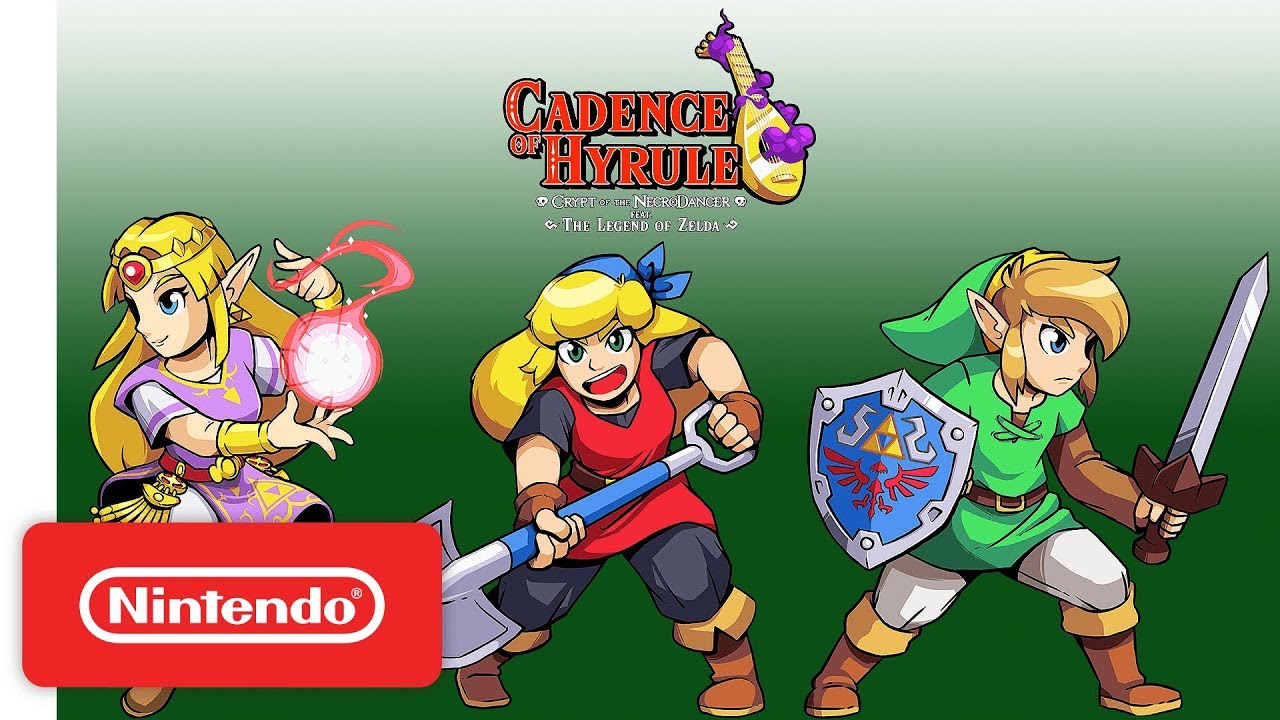
Launching in 2019, shortly after the transformative Breath of the Wild, Cadence of Hyrule remains a fascinating anomaly. It stands apart from every other entry in the Zelda canon, largely due to its pedigree. The project was helmed by Brace Yourself Games, the indie outfit behind the 2015 rhythm-action hit Crypt of the NecroDancer. In a deal that still feels slightly surreal, Nintendo invited the studio to transplant the kingdom of Hyrule into their rhythmic gameplay loop.
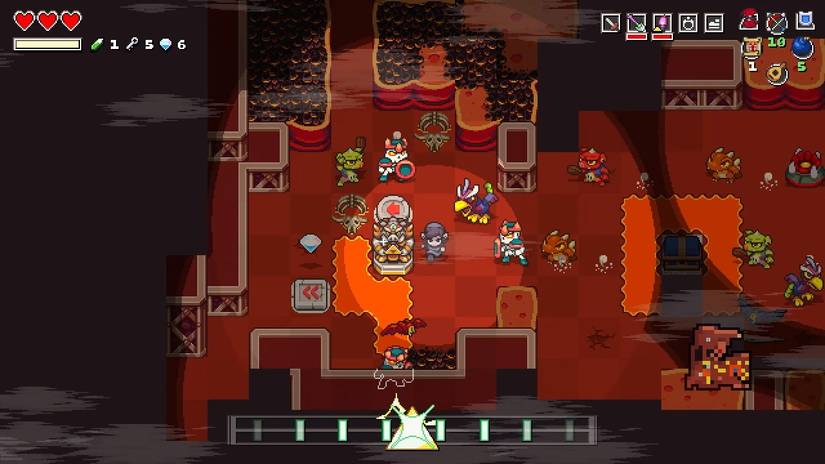
While the partnership seemed unconventional for such a protective gatekeeper, the result was a triumph. Cadence of Hyrule acts as both a nostalgic tribute to classic top-down Zelda and a masterclass in rhythm mechanics. The core loop is familiar—navigating a sprawling map, securing upgrades, and conquering dungeons—but with a sophisticated twist: every action must align with the beat of Danny Baranowsky’s electrifying Zelda remixes. Synchronizing movement with the music transforms the traditional adventure into a tactical puzzle where every heartbeat dictates your next move.
At the time of its release, it felt like a potential turning point. Many wondered if Nintendo was finally ready to delegate its crown jewels to external visionaries who could provide a fresh perspective. Yet, that total sea change never fully materialized. While we’ve seen sporadic partnerships, we haven’t reached the point where Toby Fox is directing a new Earthbound or the Pizza Tower team is revitalizing Wario Land. To this day, Cadence of Hyrule remains a singular, isolated experiment.
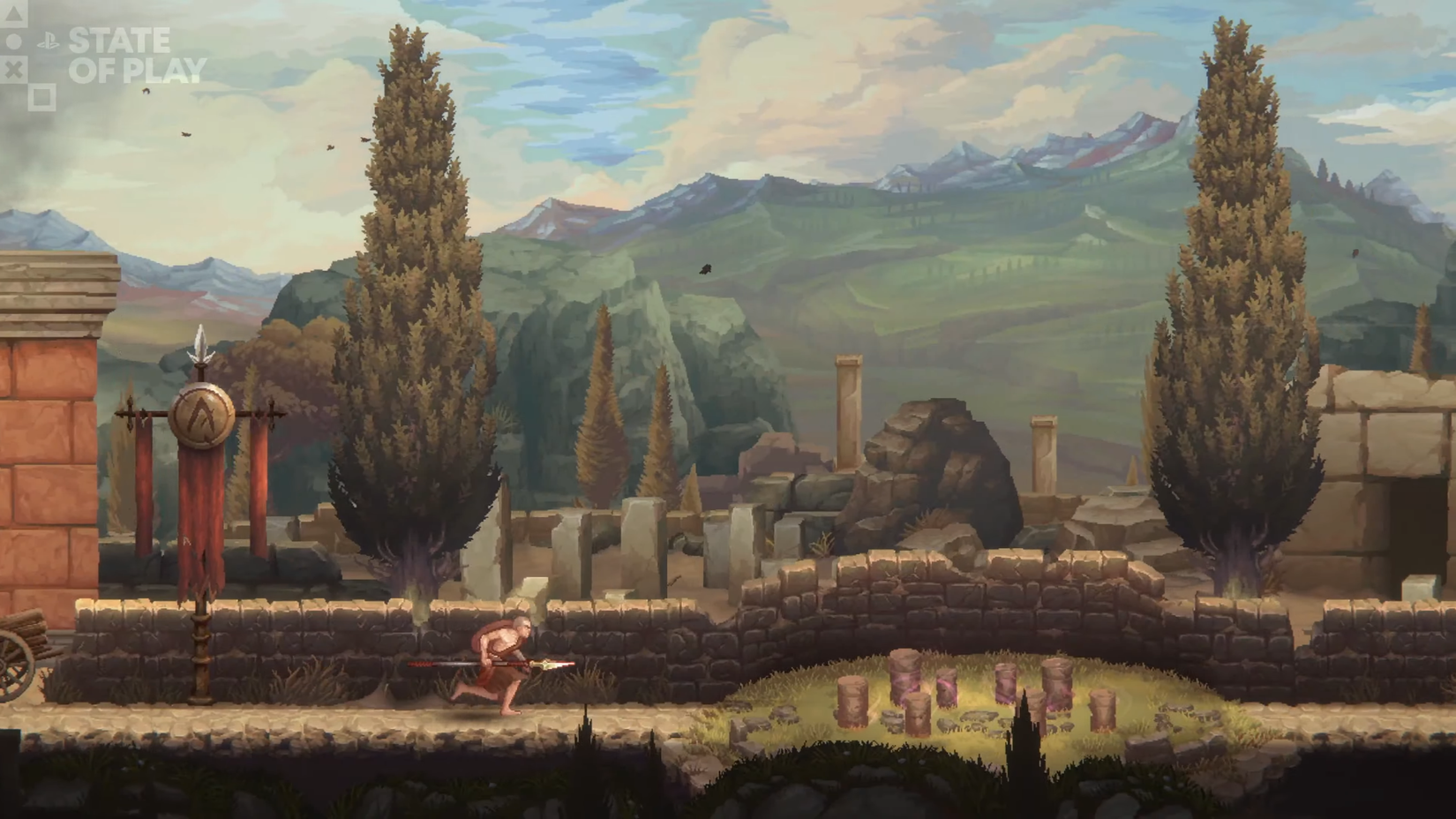
Nevertheless, it may have simply been a few years ahead of its time. As we move through 2026, the philosophy behind Cadence of Hyrule is becoming industry standard. Major publishers are increasingly entrusting indie developers with their most storied franchises. The Dead Cells creators are breathing new life into Castlevania, Screen Burn Interactive is tackling Silent Hill, and Mega Cat Studios recently launched a 2D God of War project with Sony’s blessing. The movement Nintendo teased is finally here; it’s just happening elsewhere.
One can only hope that Nintendo is observing the trend it helped ignite. Cadence of Hyrule remains a standout moment for the Zelda series precisely because Nintendo trusted a developer with a proven, unique voice. If such a collaboration could succeed with a titan like Zelda, there is immense potential for Nintendo’s more neglected franchises. The team behind Whisker Squadron: Survivor could likely work wonders with StarFox, and Fast Fusion developer Shin’en Multimedia is a natural fit for F-Zero.
Cadence of Hyrule is far too exceptional to be relegated to a footnote in gaming history. It should have served as the creative spark that defined the Switch era. At a time when fans are eager to see how the series evolves beyond the Breath of the Wild template, this rhythmic spin-off serves as a vital reminder: Zelda is at its most captivating when Nintendo is willing to take a chance. I remain optimistic that we will see that experimental spirit return, perhaps even through a Zelda-themed reimagining of Rift of the NecroDancer.
Source: Polygon
Related articles
 Xbox COO Helen Chiang leaves Microsoft after 21 years
 Pixel Body Horror Game Look Outside Is Coming to Consoles
 New Details Emerge About Marvel’s Zodiac Series, Featuring Spies Against People With Superpowers
 Fallout Day 2026: All the Major Announcements from Bethesda’s Fan Event
 Need for Speed: Underground 2 Ported to Android
 Necromunda Tabletop Team Shares Plans for 2027
 Super Mario Creator Perfectly Explains What’s Wrong With AI
 Director Peter Berg Says Call of Duty Movie Won’t Be a Mindless Action Film