Super Mario Creator Perfectly Explains What’s Wrong With AI
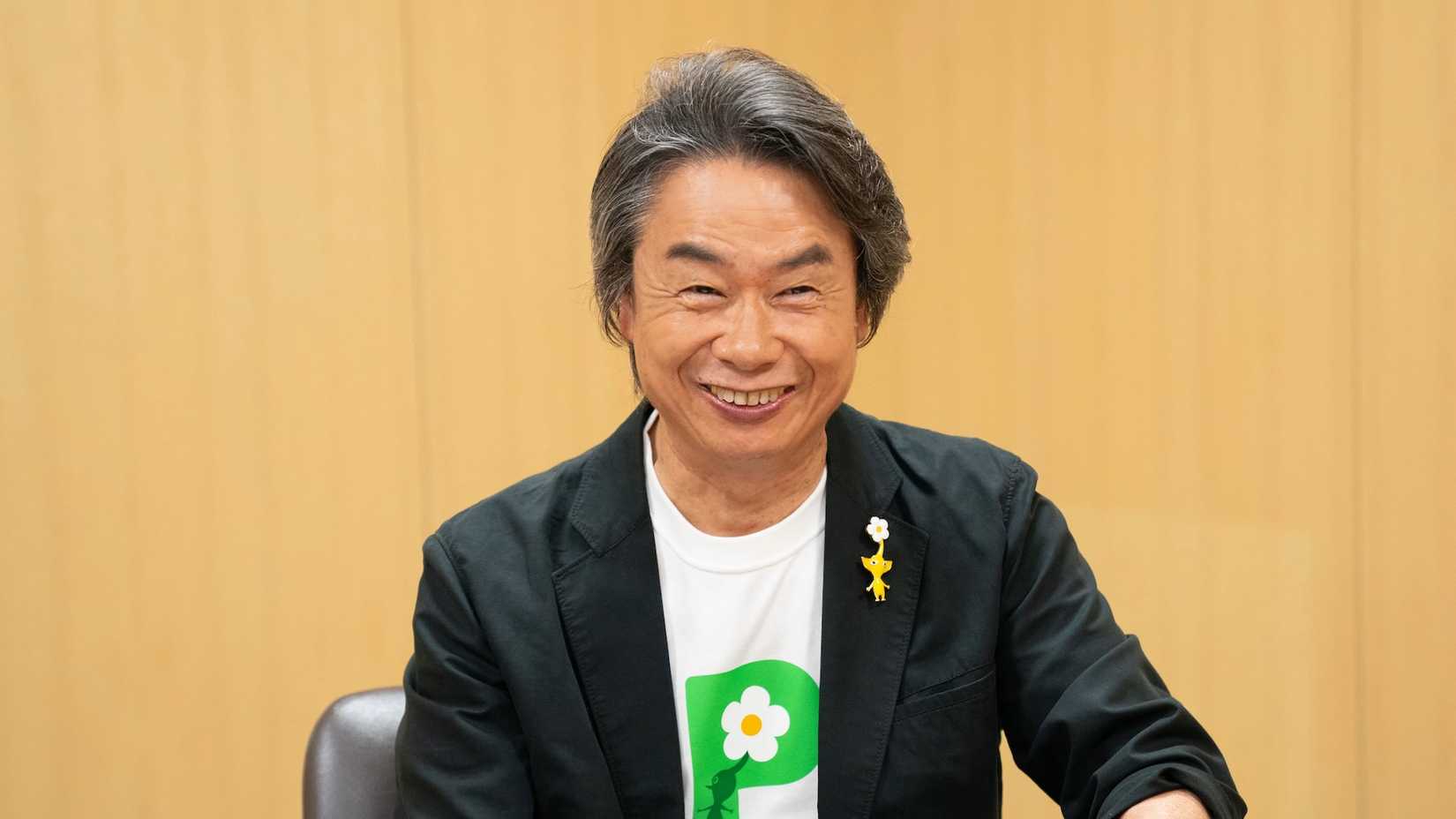
Shigeru Miyamoto, the visionary behind Nintendo’s most celebrated franchises, including The Legend of Zelda and Super Mario, has received an honor from the Japanese government that is usually bestowed on artists, athletes, and Nobel laureates. Japan’s Ministry of Education, Culture, Sports, Science and Technology named him a 2026 recipient of the Order of Culture. The press conference that followed offered a thoughtful look at the mind of a gaming icon.
After accepting the medal, Miyamoto took questions from reporters. The celebrated designer covered a broad range of subjects. He described how the countryside shaped his creative sensibility, and he explained how Nintendo keeps its originality while employing roughly 10,000 people. His answers deserve to be read in full. One remark stands out because it touches the most contentious subject in the industry today: artificial intelligence. Gaming is currently going through an enormous AI upheaval. That shift has arguably made game creation more accessible to everyone, but it has also buried the internet under a deluge of AI slop.
For Miyamoto, this kind of creative upheaval is not unprecedented. He said:
To tell you a little about the past, computers came out around the time of our generation, and tools evolved rapidly, from typewriters to word processors. For example, designers learn a technique called “lettering,” which involves writing beautiful text on posters, at school. In the past, if you could do that, you could be called a designer. Even just translating popular overseas designs into Japanese and laying them out was enough to be called a designer. However, as computers and word processors evolved, we could copy and paste text from anywhere, import images from anywhere, and even have them write neatly. It was only when these tools took over the technical aspects that a person’s individual design ability, such as a sense of layout, began to come to the forefront.
As a result, even if the husband was a designer and the wife did the housework, it often turned out that “the wife actually had superior design abilities.” That’s what it means for tools to change.
A Nintendo Legend Takes Aim at AI
Miyamoto sees real value in AI’s capacity to help people discover the joy and power of making things. Throughout the press conference, he spent considerable time describing his lifelong effort to lower the barriers that keep people from playing and building games, even if they are not gamers or trained designers.
Making art with AI is a different matter, however. Those who create with it generally use their tools to produce a broad structure in moments. They then concentrate on filling in the gaps, and they often present that stage as the real work.
Miyamoto observed, “This is the tricky part; the work itself is enjoyable. When you’re working, you get a tremendous sense of satisfaction from ‘creating’ something. But the scary thing is that you become so satisfied with the work that you mistakenly think, ‘I’ve made something pretty good.'”
The process resembles what happened in design once computers let anyone copy and paste ideas without learning how to build them. Miyamoto reflected, “There have probably been designs in the past that were created simply by copying and pasting. But those don’t last forever, do they?”
The creator of Mario admitted he cannot predict what changes AI will bring. Even so, he remains hopeful that human intention will stay at the heart of creativity.
“I think there is still plenty we can do,” Miyamoto declared.
Source: Polygon
Related articles
 Details Emerge on Canceled Mass Effect Universe, Reportedly With Hitman-Style Missions and a Setting 600 Years After Shepard
 Xbox COO Helen Chiang leaves Microsoft after 21 years
 Pixel Body Horror Game Look Outside Is Coming to Consoles
 New Details Emerge About Marvel’s Zodiac Series, Featuring Spies Against People With Superpowers
 Fallout Day 2026: All the Major Announcements from Bethesda’s Fan Event
 Need for Speed: Underground 2 Ported to Android
 Necromunda Tabletop Team Shares Plans for 2027
 Director Peter Berg Says Call of Duty Movie Won’t Be a Mindless Action Film