The Biggest Gaming Franchises Are Going Indie: Could This Save the Industry?
February’s PlayStation State of Play felt like a veritable gallery of industry titans. Iconic franchises such as God of War, Silent Hill, Castlevania, and Legacy of Kain dominated the broadcast, each revealing a fresh installment. Yet, a closer look at the credits reveals a surprising shift: these legendary IPs aren’t being forged by the monolithic studios traditionally associated with them. Konami isn’t crafting Silent Hill: Townfall in-house, nor is God of War: Sons of Sparta a solo venture from Santa Monica Studio. Instead, the creative helm has been handed to nimble, independent developers.
This phenomenon isn’t a mere quirk of scheduling; it represents the apex of a transformative trend that has been quietly reshaping the landscape for years. Major publishers are loosening their protective grip on prestigious intellectual properties, entrusting the stewardship of their crown jewels to indie teams with proven artistic pedigrees. This strategy is doing more than just resurrecting dormant series; it is offering a lifeline to an industry currently buckling under the unsustainable pressure of exponential AAA growth.
https://youtube.com/watch?v=eFhOo6NTt70%22+style%3D%22position%3A+absolute%3B+top%3A+0%3B+left%3A+0%3B+width%3A+100%25%3B+height%3A+100%25%3B+border%3A0%3B%22+allowfullscreen+title%3D%22YouTube+video+player
The developer lineup from the State of Play is particularly striking. God of War: Sons of Sparta—a surprise 2D Metroidvania—emerged as a partnership between Santa Monica Studio and Mega Cat Studios, the boutique team behind WrestleQuest. Silent Hill: Townfall is being spearheaded by Observation creator Screen Burn Interactive (formerly No Code). Meanwhile, Castlevania: Belmont’s Curse is the work of Motion Twin and Evil Empire, the architects of the Dead Cells phenomenon. Rounding out the list, Legacy of Kain: Ascendance comes from Bit Bot Media and FreakZone Games, known for their stylized 2D adaptations.
For an industry where giants like Sony typically guard their IP with fierce exclusivity, this is a radical departure. For decades, the standard operating procedure was to keep development strictly internal or within a tight circle of subsidiary studios. Take God of War: following its initial success, the series saw minor spin-offs on mobile and PSP, but for the last twelve years, it has remained the exclusive domain of Santa Monica Studio. Seeing an external, independent outfit like Mega Cat take the reins of Kratos’ legacy marks a significant pivot in corporate philosophy.
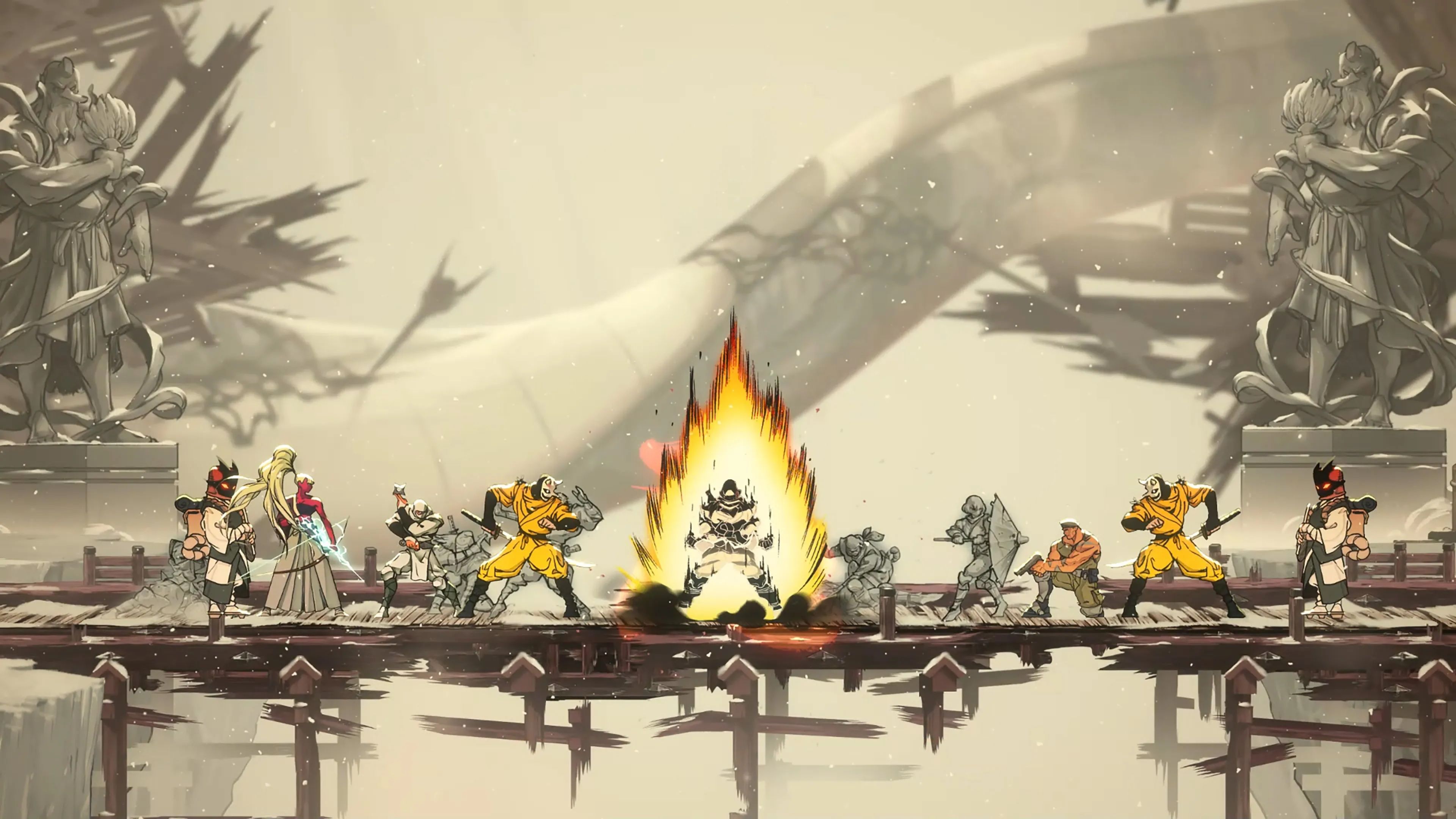
This isn’t an isolated event. We’ve seen the seeds of this “indie-fication” strategy sown elsewhere. Nintendo experimented with this in 2019 with Cadence of Hyrule, a rhythmic spin on Zelda from the Crypt of the Necrodancer team. By 2025, the floodgates opened: Sega partnered with Lizardcube for Shinobi: Art of Vengeance, Ubisoft collaborated with Evil Empire for The Rogue Prince of Persia, and The Game Kitchen brought its gothic sensibilities to Ninja Gaiden: Ragebound just months before the next major AAA entry from Xbox Game Studios.
This sea change arrives at a critical juncture. The traditional AAA model is increasingly precarious; development cycles are stretching into decades, and budgets have ballooned to astronomical levels. When a project takes seven years to complete, publishers lose the ability to be agile. If a brand experiences a sudden surge in cultural relevance—much like Fallout did following its television adaptation—a publisher without a project ready to launch misses a massive opportunity. Smaller, external projects allow these brands to remain in the public eye without the crushing overhead of a thousand-person development team.
This creates a mutually beneficial symbiosis. High-profile publishers maintain the vitality of their brands through critically acclaimed, smaller-scale releases, while independent studios find financial stability and prestige in an increasingly hostile funding environment. It is a pragmatic solution to the “blockbuster or bust” mentality, even if it carries the inherent risk of an outside team failing to capture the original’s essence.
Whether this trend defines the next era of gaming remains to be seen. Historically, this mirrors the “New Hollywood” movement of the 1960s. During that era, major film studios turned to independent, visionary directors to revitalize a medium stagnating under the weight of bloated epics. That period birthed the careers of legends like Scorsese and Spielberg. However, there is a fundamental distinction: those directors were crafting original masterpieces, whereas today’s indie game developers are often tasked with rehabilitating existing brands—a move more akin to Marvel Studios hiring indie darlings to direct superhero sequels.
While this era will undoubtedly yield exceptional franchise entries, its true success will be judged by what these indie studios do next. Silent Hill: Townfall should be a catalyst for Screen Burn Interactive to secure resources for their next original vision. We need more trajectories like that of Absolum, where the creators used the momentum of a successful IP project to launch a groundbreaking original hit. If our most talented indie minds are relegated to being perpetual caretakers of someone else’s nostalgia, the industry risks trading its future for a comfortable, but ultimately hollow, look back at the past.
Source: Polygon
Related articles
 Tim Sweeney Again Criticizes Valve Over Steam Rules Requiring Disclosure of AI Use
 Psychological Thriller Movies You Can Stream for Free Online
 Half-Life 2 RTX Update Adds Improved Frame Generation and ARM Support
 Dead by Daylight Developers to Pull Chucky Chapter From Sale Soon as Farewell Discount Begins
 Steam Offers Free Play of Low-Poly Zombie Apocalypse Survival Game
 The Sims 4 Big Update to Fix Infinite Loading Issue and More Than 100 Bugs
 Payday 2 H3H3 DLC Review-Bombed on Steam After Ethan Klein Affair Disclosure
 Valve Launches Personal Release Calendar in Steam