
The 1986 Original is the Closest Predecessor to Breath of the Wild
During the mid-1980s in Kyoto, Nintendo’s Shigeru Miyamoto and Takashi Tezuka were orchestrating two projects intended as mirror opposites. One was envisioned as a strictly linear gauntlet—a high-speed dash toward a fixed destination. The other was a convoluted labyrinth, an unpredictable realm of discovery and mystery. Diverging from the high-score-chasing arcade era, both titles prioritized narrative immersion and a sense of finality. As Miyamoto categorized each burgeoning gameplay mechanic into one of these two buckets, he wasn’t just building franchises; he was drafting the foundational blueprints of modern game design. The first project became Super Mario Bros. The second was The Legend of Zelda.
While Super Mario Bros. exploded into a global sensation and remains a cornerstone of the industry, the original Legend of Zelda was a more modest—though significant—success. In the decades that followed, it seemed almost inevitable that Zelda would adopt the more structured traits of its popular sibling. Successive entries preserved the spirit of adventure but relied on “gear-gating”—a meticulous system of locks and keys—to dictate player progress through their intricate worlds. These sequels were arguably more polished and certainly more approachable, but they traded raw freedom for controlled ceremony.
The 2017 release of Breath of the Wild acted as a radical course correction, abandoning decades of role-playing tropes to reclaim the franchise’s original, non-linear soul. Paradoxically, this return to its roots outsold every predecessor by a staggering margin, even eclipsing its contemporary Mario rival. It seemed the world was finally ready for the unguided odyssey that Miyamoto and Tezuka had imagined thirty-one years prior.
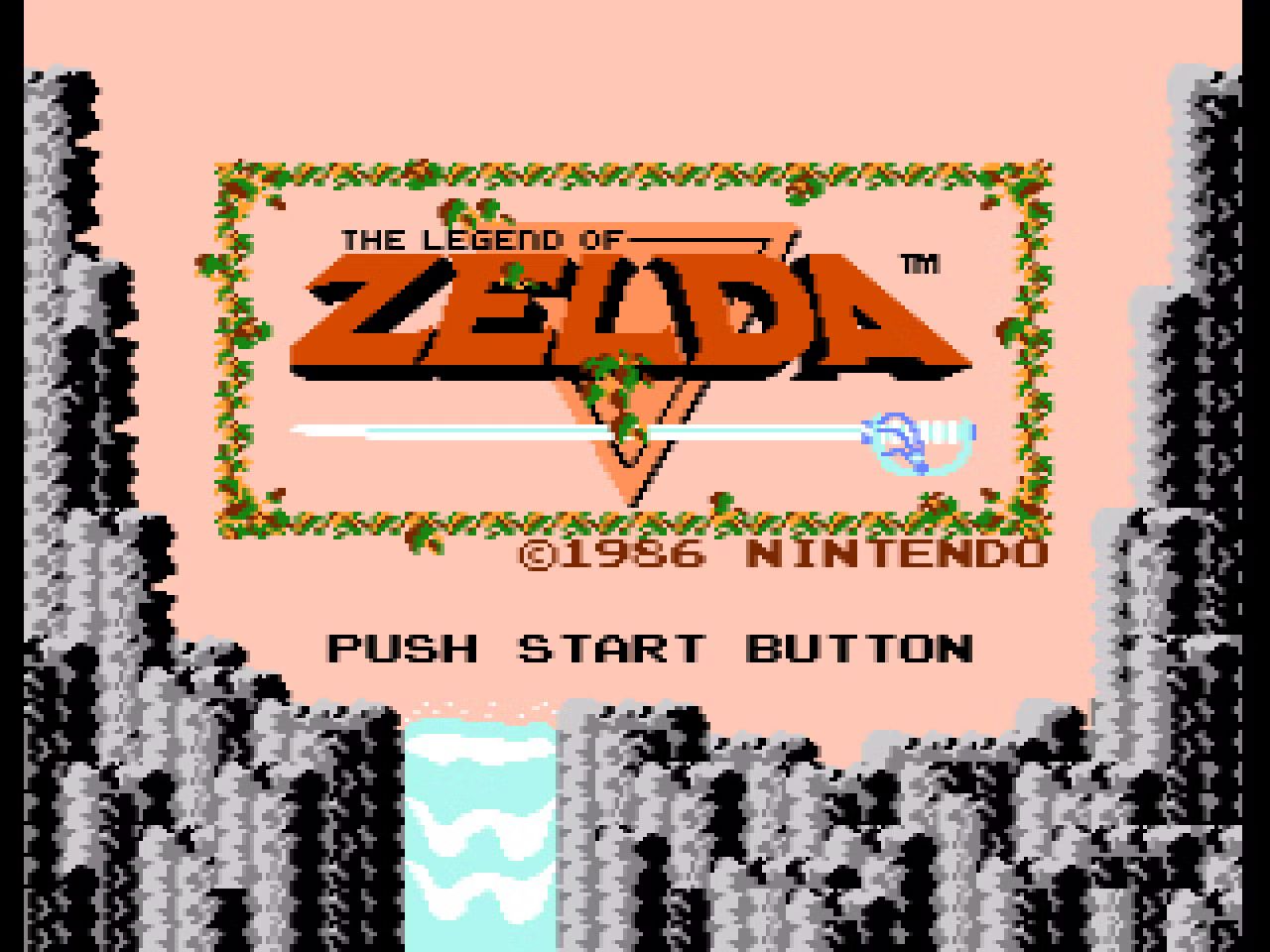
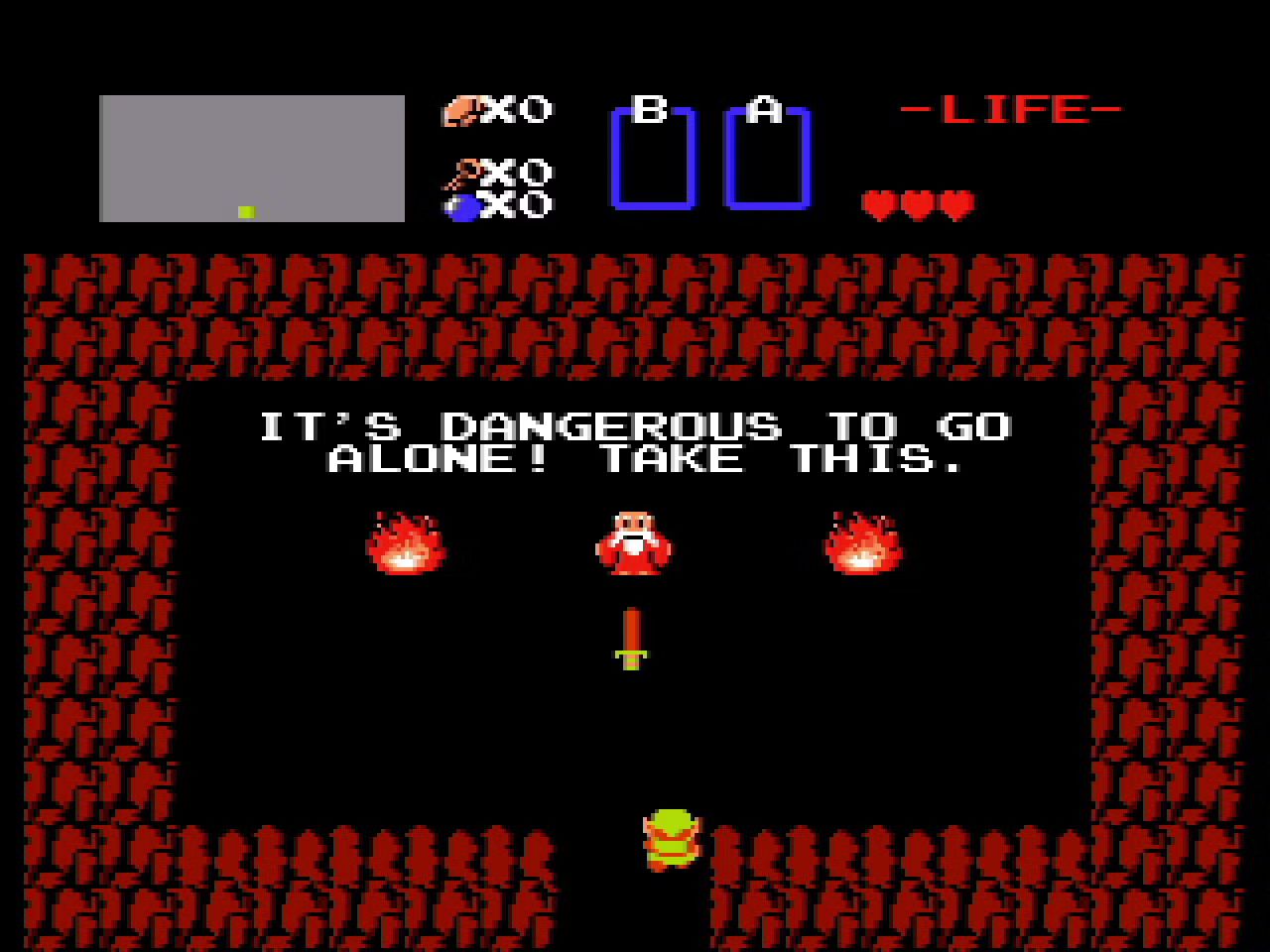
Revisiting the 1986 original today is a revelation. It is an uncompromising, cryptic, and starkly minimalist experience by modern standards. Truthfully, it lacks the immediate fluid charm of 1991’s A Link to the Past. Yet, it represents game design genius in its most primal state. The Legend of Zelda is a daring, unencumbered vision of what an interactive adventure can be. It feels simultaneously familiar as the progenitor of the series and strangely alien in its distance from the conventions that defined the brand for decades—at least until Breath of the Wild arrived.
The most striking element is the absence of context. While modern Zelda titles are steeped in cyclical lore and historical tradition, the 1986 original strips away all preamble. There is a perfunctory setup: Princess Zelda has fractured the Triforce of Wisdom into eight shards to hide them from Ganon, and a hero must retrieve them. Beyond that, Link is simply a boy standing in a clearing, left to his own devices. He doesn’t even start with a weapon.
In this debut outing, nothing is foretold; everything is a discovery. A nearby cave offers a wooden sword and a haunting warning: “It’s dangerous to go alone.” But solitude is the only option. Monsters roam the landscape in erratic, personalized patterns. Without waypoints, labels, or signposts, the player is forced to interpret a living map of which only a fraction is ever visible. Should you head into the dense thickets, scale the rocky peaks, or follow the tide along the coast? The choice is entirely yours.
The game’s open architecture is remarkably bold. The first dungeon you stumble upon isn’t necessarily the first “level.” You might inadvertently skip ahead to the middle of the game or, with enough ingenuity, secure high-level items within your first hour. Secret riches are hidden everywhere for those who know where to look. By purchasing a candle and burning the correct shrubbery, you might encounter a clandestine Moblin who offers a windfall of Rupees. This sudden wealth allows you to bypass the early-game grind, purchasing blue rings to bolster your defense or arrows for a bow you haven’t even found yet.
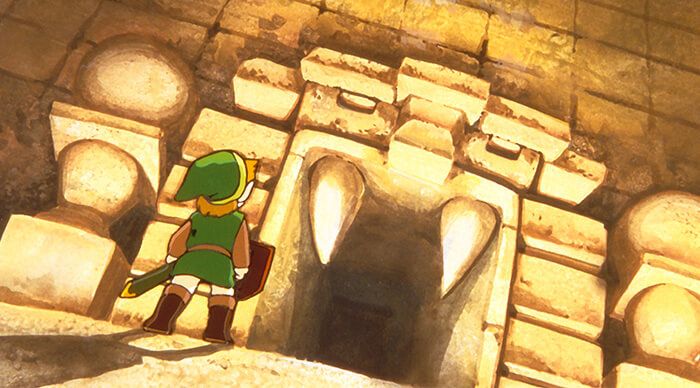
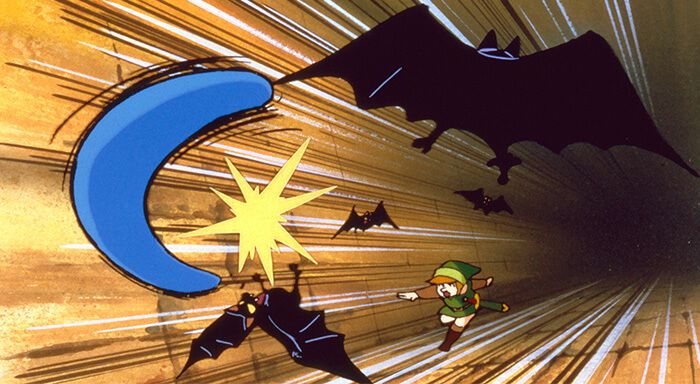
This design remains daring even by today’s standards. While you cannot simply walk into the final encounter immediately, you can certainly tumble into peril or empower Link to the point that the game’s balance feels delightfully broken. The few barriers that do exist feel like organic mysteries of the landscape rather than artificial roadblocks. This sense of a genuine, unexplored wilderness is precisely what later entries lost to predictability, and what Breath of the Wild fought so hard to restore. It evokes the childhood experiences of Miyamoto himself—exploring the Japanese countryside without a map, discovering landmarks as if he were the first person to ever see them.
Even by most modern standards, this is daringly open design.
In contrast to the untamed overworld, the dungeons—which would eventually become the series’ most complex puzzles—are more focused. Though difficult, they represent the first syllables of a language that every seasoned player now speaks fluently. The 8-bit combat is fierce and demands precision, yet it remains responsive and fundamentally fair—a testament to the craftsmanship of a team that had just finished the peerless Super Mario Bros.
The Legend of Zelda is so guarded with its secrets that a solo player will inevitably find themselves at a loss. This was intentional. Miyamoto didn’t foresee the internet, but he did envision a communal experience where players traded rumors, shared maps, and collaborated to conquer the unknown. It was meant to be a social puzzle.
Unless you are playing in total isolation, it is impossible to recreate the formidable mystery this game possessed in 1986. It has transitioned from a game into a piece of digital folklore—a map already charted and a story well-known. Yet, looking back at this vibrant, savage microcosm, one can’t help but marvel. It was a vision of freedom so far ahead of its time that it took its own creators thirty years to truly catch up with it again.
Source: Polygon
Related articles
 Xbox COO Helen Chiang leaves Microsoft after 21 years
 Pixel Body Horror Game Look Outside Is Coming to Consoles
 New Details Emerge About Marvel’s Zodiac Series, Featuring Spies Against People With Superpowers
 Fallout Day 2026: All the Major Announcements from Bethesda’s Fan Event
 Need for Speed: Underground 2 Ported to Android
 Necromunda Tabletop Team Shares Plans for 2027
 Director Peter Berg Says Call of Duty Movie Won’t Be a Mindless Action Film
 Takopi’s Original Sin Compilation Film Gets New Trailer Ahead of November 27 Japan Release