
Ten Years Later: How Deadpool’s Perfectly Timed Debut Revolutionized Superhero Cinema
When the initial box office figures for Deadpool began rolling in during its February 2016 debut, producer Simon Kinberg was convinced the numbers were a mistake. “We initially assumed there was a clerical error in the tracking,” Kinberg recounted to Deadline a year later. “Once we realized the data was accurate, it became clear we weren’t just looking at a cult hit—it was performing like a top-tier superhero blockbuster.” While the studio had tempered its expectations with a $70M to $80M projection, the film shattered those estimates with a staggering $132M opening weekend.
By the end of its theatrical run, Deadpool had amassed a phenomenal $782 million globally. This achievement was particularly striking given its modest $58 million production budget. The film’s massive ROI dismantled the long-held Hollywood dogma that R-rated comic book adaptations possessed a limited commercial ceiling. Instead, Wade Wilson’s debut sparked an immediate industry pivot; 20th Century Fox greenlit a sequel within months, and the gritty, R-rated Logan was fast-tracked into production. This legacy persists today, evidenced by the monumental success of Deadpool & Wolverine, which conquered 2024 with a $1.3 billion haul.
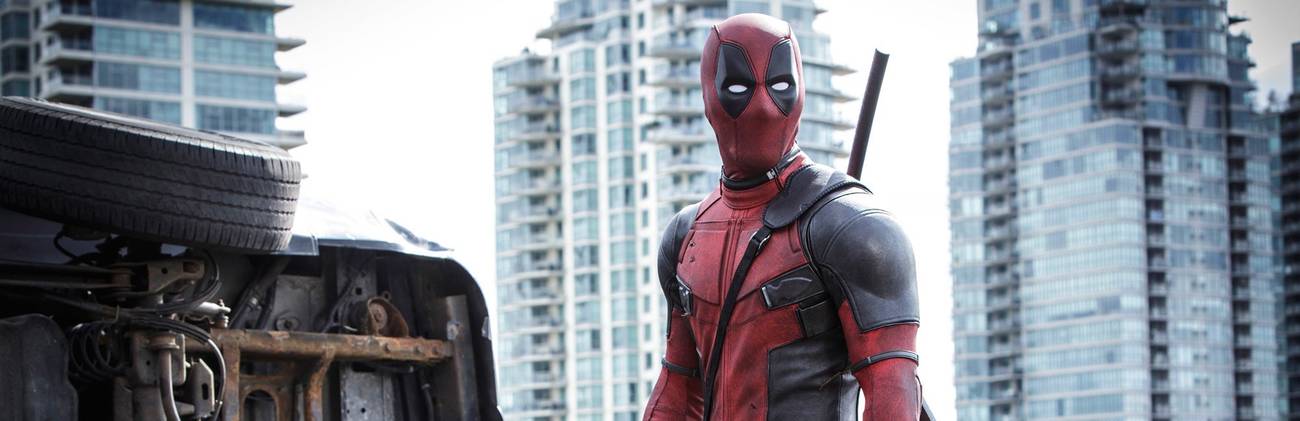
While the creative synergy of star Ryan Reynolds, director Tim Miller, and screenwriters Rhett Reese and Paul Wernick was vital, Deadpool also benefited from an impeccable sense of timing. Had the film arrived during a different cultural window, its disruptive impact might have been significantly muted.
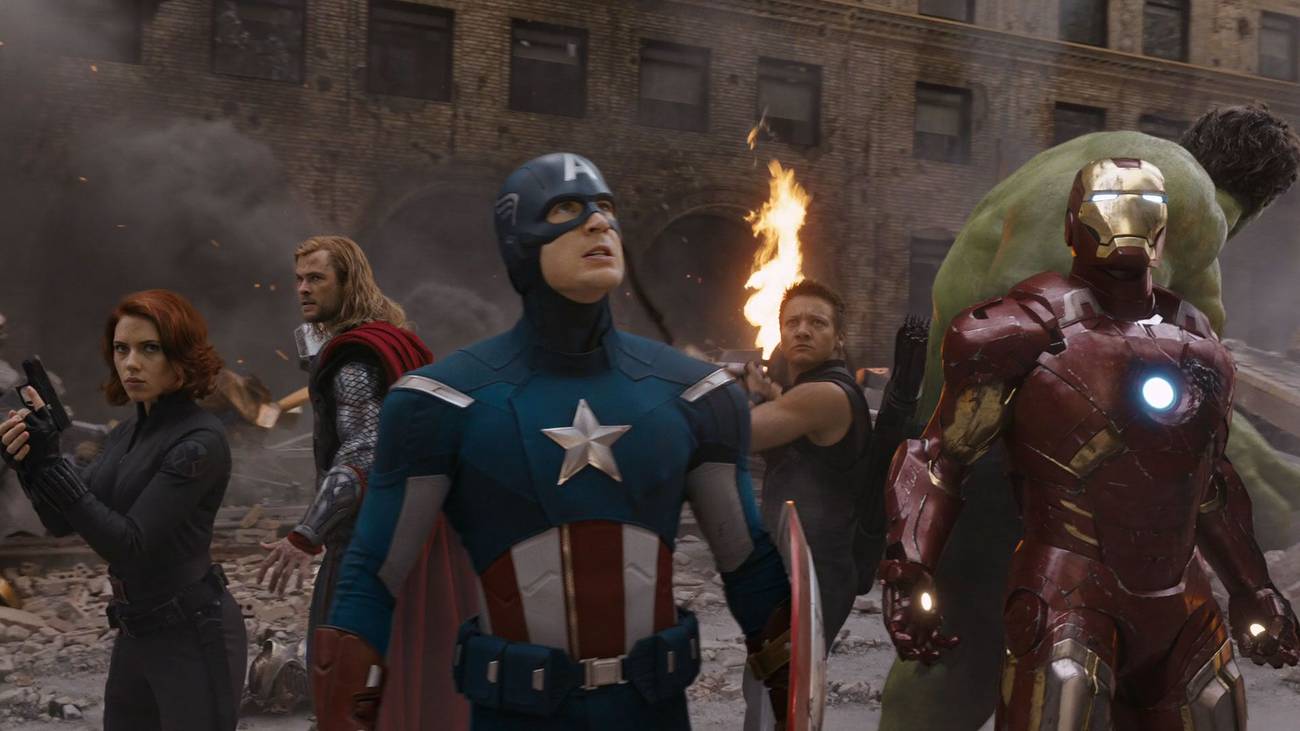
The landscape in 2016 was the culmination of sixteen years of superhero dominance, a movement sparked by the original X-Men in 2000. Although the R-rated Blade trilogy technically arrived earlier, even its peak performance with Blade II ($155M) seemed modest compared to the broader appeal of the PG-13 X-Men franchise. This discrepancy fueled the executive belief that “mature” content was a financial handicap for big-budget comic book films.
Throughout the early 2000s, hits like Spider-Man and X2: X-Men United solidified the genre’s blockbuster status. In 2008, the bar was raised further by The Dark Knight, which demonstrated that superhero stories could function as sophisticated crime dramas. Simultaneously, Marvel Studios launched the MCU with Iron Man, eventually proving that interconnected cinematic universes were a goldmine with the $1.5 billion triumph of 2012’s The Avengers.
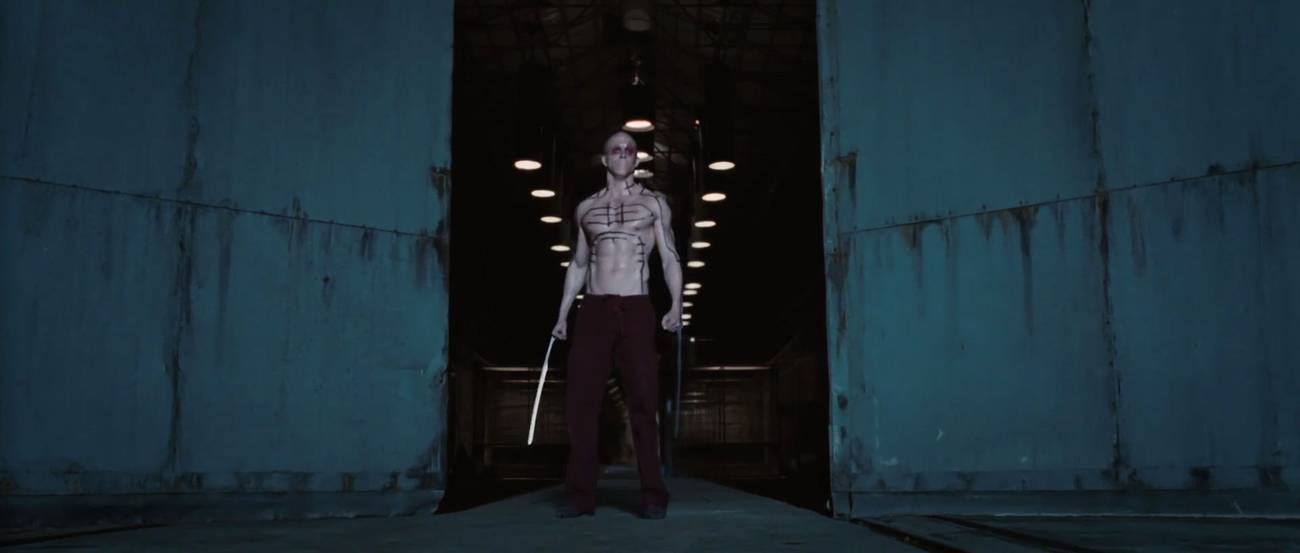
However, fatigue was beginning to set in. While Marvel Studios remained consistent, other franchises faltered. DC’s Green Lantern was a critical misfire, and Sony’s Spider-Man 3 left audiences cold due to narrative bloat. Fox, too, struggled to maintain momentum; the X-Men series lost its way after X2, and attempts to revive Fantastic Four and Daredevil failed to resonate. Most infamously, 2009’s X-Men Origins: Wolverine alienated fans by stripping iconic characters of their essence.
No character suffered more in that film than Deadpool. The “Merc with a Mouth” was inexplicably silenced, his mouth surgically sewn shut, and his design altered beyond recognition. The one saving grace was the casting of Ryan Reynolds, who spent the following years tirelessly advocating for a version of the character that remained faithful to the source material.
The project finally gained traction after Reynolds leaked test footage in 2014—an act of “strategic sabotage” he admitted to in 2025. The overwhelming fan fervor forced Fox’s hand, leading to a formal movie announcement in late 2014. By the time of its 2016 release, Deadpool was perfectly positioned to satirize the very genre it belonged to. Through fourth-wall-breaking humor, Wade Wilson could openly mock the actor’s past failures and the increasingly convoluted X-Men timeline.
Ironically, while Deadpool‘s tone was rebellious, its structure was disciplined. Restricted by its budget, the film utilized a straightforward origin story and a grounded antagonist in Ajax (Ed Skrein). This “back-to-basics” approach echoed the early successes of the MCU, proving that even a subversive hero works best when anchored by a cohesive narrative foundation.
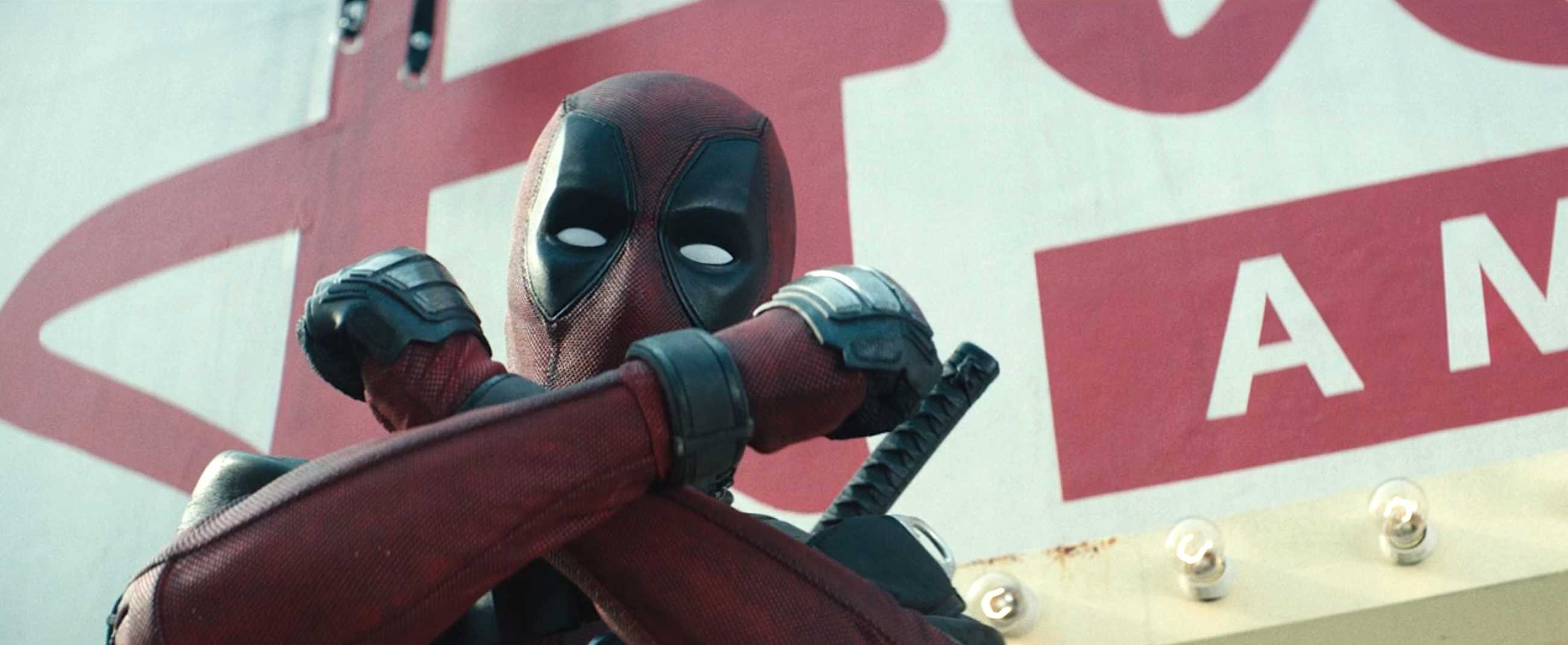
The “what-if” scenarios regarding Deadpool‘s late arrival are stark. Following Disney’s 2019 acquisition of Fox, the integration of X-Men characters has been a slow, deliberate process. With Fantastic Four arriving in 2025 and a proper X-Men reboot not expected until 2028, an R-rated Deadpool likely wouldn’t have been a priority for the “House of Mouse.” It is difficult to imagine Disney leading the charge with such provocative content without Fox’s prior proof of concept.
POLY Report: Subscribe and never miss what matters
Ultimately, the Deadpool we know—crude, pantless, and unapologetic—could only have been born from the desperation of 2016 Fox and the persistence of Ryan Reynolds. It was a perfect storm of genre exhaustion and creative audacity that changed the trajectory of superhero cinema forever.
Source: Polygon
Related articles
 GameMaker Engine to Become Free for Everyone
 Warhammer 40,000: Dawn of War IV Set for December Release as Developers Detail Content
 Overwatch Co-Creator Delays The Legend of California’s Early Access Release to 2027
 Former Producer Points to EA to Explain Dragon Age: The Veilguard’s Disappointing Reception
 Halo Studios Reportedly Wanted to Make a Game Based on the Halo: First Strike Novel, Blogger Says
 Blumhouse Interested in Danganronpa Adaptation, Documents Indicate
 Made in Abyss Sequel Announced on Premiere Day of New Film
 Nintendo Legend Reveals Super Mario Bros.’ Most Surprising Innovation