
Nintendo Legend Reveals Super Mario Bros.’ Most Surprising Innovation
Few games are as widely celebrated as the original side-scrolling Super Mario Bros., and the case for its greatness runs deep. The NES classic turned Nintendo into a household name and elevated Mario into a cultural icon on par with Mickey Mouse. Released in 1985, it pulled video games into the mainstream, established platforming as a genre in its own right, and still ranks among the best-selling titles ever made. Yet according to series creator Shigeru Miyamoto, none of those achievements captures what the game contributed most to the medium.
The legendary designer behind Zelda and Donkey Kong was honored recently with a prestigious Japanese cultural award, a distinction usually bestowed on painters, Nobel laureates, and other eminent figures. A lengthy press conference followed, filled with wonderful stories drawn from a career spanning nearly five decades. During it, Miyamoto shared his thoughts on how Super Mario Bros. came to be, and on how he views the landmark game all these years later.
What made Super Mario Bros. so special
Miyamoto recalled that he built the series’ core actions around the notion of “land, sea, and air,” which translated into running, swimming, and flying.
“When we were kids, we’d look out the window, point, and imagine people running, flying, falling into rivers …and so on,” Miyamoto said. “In Super Mario, you can actually do that.”
He then tried to pinpoint what he considered the platformer’s most inventive feature. “Mario doesn’t actually fight Bowser,” Miyamoto said. “Normally, if there’s a boss at the end, you have to fight him, right?”
According to Miyamoto, the team struggled early on to design a conventional boss fight. “I realized that since it’s a game where you keep running to the right, how about making it so that the person who reaches the far right wins?” he said. “Then I had a brilliant idea: ‘Why not just jump over the opponent instead of fighting?’ All you have to do is jump over Bowser, and he’ll fall. I found it surprisingly fun when I tried it, and I was really happy when I realized that.”
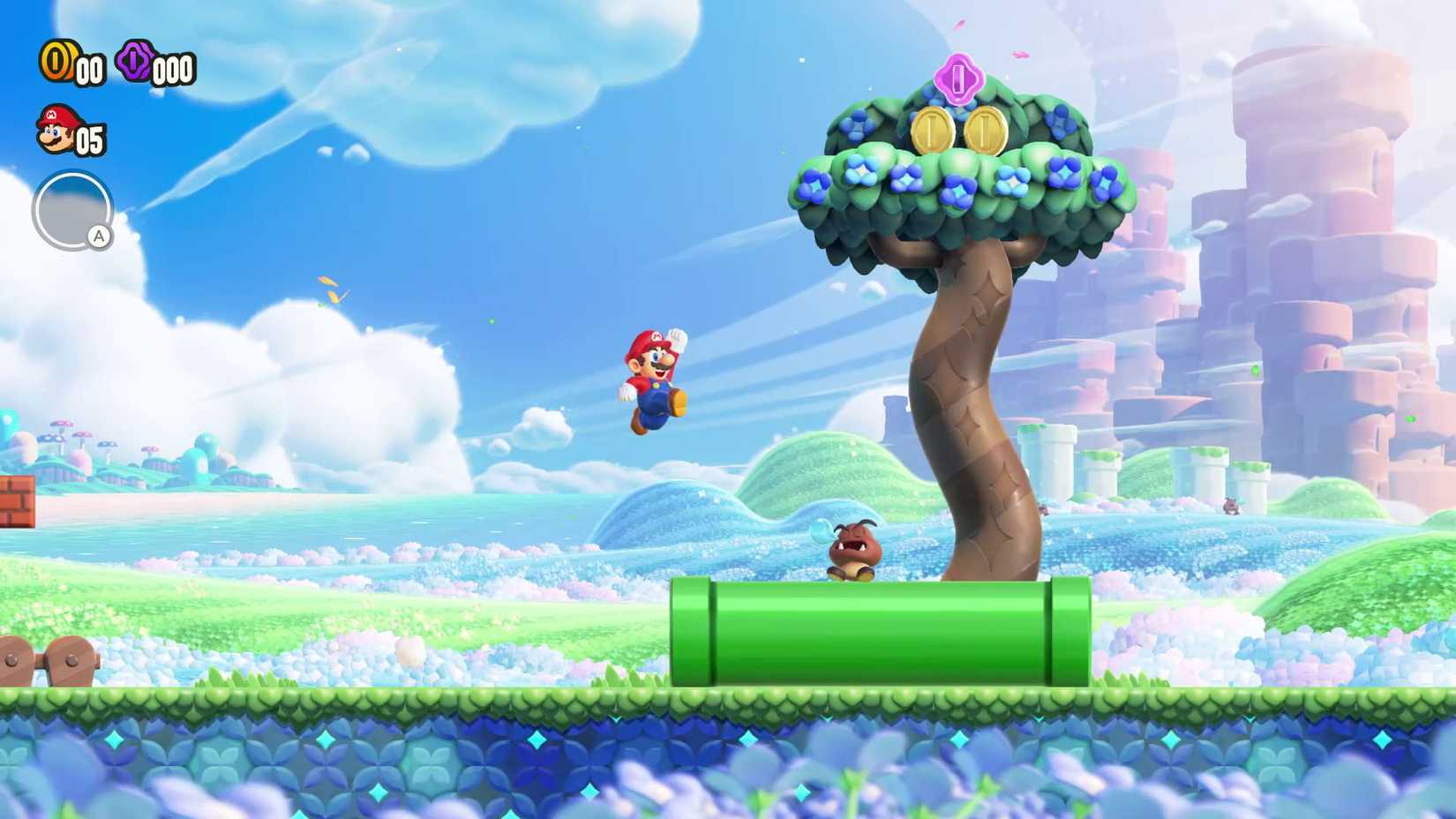
Newer Mario games do have players confront Bowser directly, but Nintendo insists that Mario is not a violent character at heart. Even while the plumber flings Goombas into the abyss, some fans interpret his endless rivalry with Bowser as little more than a theatrical performance. That willing suspension of disbelief helps explain why the supposed enemies occasionally join forces in other games. Whenever Mario has strayed from this philosophy, as when he picked up a firearm in Mario + Rabbids Kingdom Battle, it has typically followed extended debate over what suits the character.
In Miyamoto’s defense, 41 years after the release of Super Mario Bros., games still find it difficult to deliver truly enjoyable boss encounters. Most big-budget titles lean heavily on combat, which makes the original Mario’s approach to conflict feel remarkably unconventional even today.
Related articles
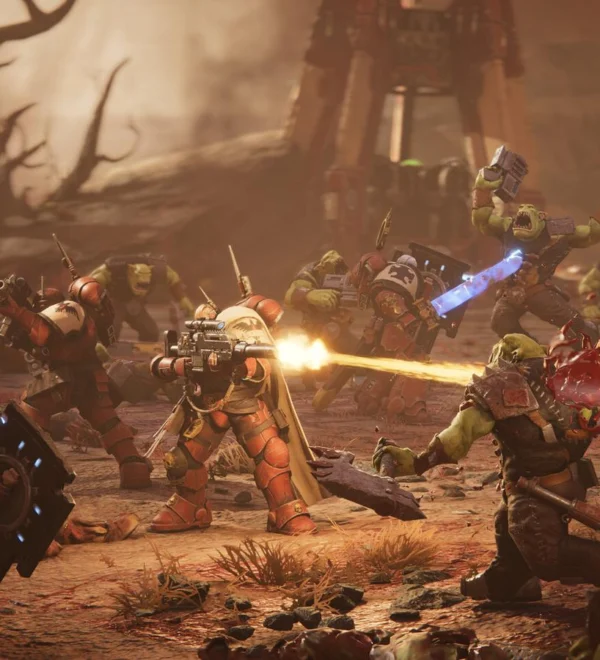 Warhammer 40,000: Dawn of War IV Set for December Release as Developers Detail Content
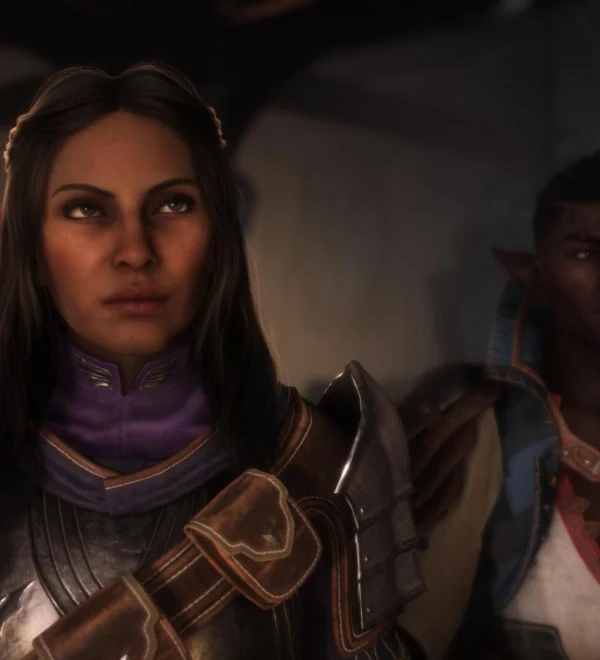 Former Producer Points to EA to Explain Dragon Age: The Veilguard’s Disappointing Reception
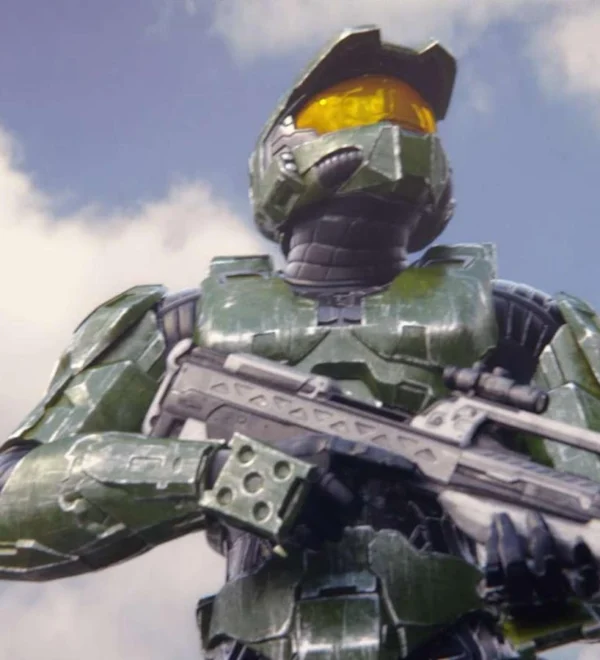 Halo Studios Reportedly Wanted to Make a Game Based on the Halo: First Strike Novel, Blogger Says
 Blumhouse Interested in Danganronpa Adaptation, Documents Indicate
 Made in Abyss Sequel Announced on Premiere Day of New Film
 Steve Rogers Wields Mjolnir in New Avengers: Doomsday Trailer
 Nine Standout Far Side Comics Featuring the Nerdy Kid
 Final Fantasy Resonance’s Denuvo Protection Cracked Within a Day