
Smallville Turns 25: How the Superman Origin Series Reshaped Superhero TV
Bringing Superman to weekly television has never been easy. Special effects rarely matched the movies, and a superhero who could fly created obvious budget problems. Then Smallville premiered on The WB on Oct. 16, 2001, and found a clever workaround: Don’t let Superman fly.
Creators Alfred Gough and Miles Millar set a “no tights, no flights” rule. Instead of rushing Clark Kent (Tom Welling) into the cape, they focused on the teenager underneath it. Clark had extraordinary powers, but he also had homework, parents, crushes and an alarming number of classmates transformed by kryptonite. A boy who could outrun a speeding train became remarkably relatable.
Smallville didn’t skimp on spectacle, either. Its effects were impressive for network television in 2001, and the series knew when to have fun with its premise. The opening credits still stick in the memory. Try reading “Somebody saaaaavvvveee me!” without hearing Remy Zero.
Twenty-five years later, all 10 seasons are streaming on Hulu. The show eventually wore out some of its welcome, but its best idea still holds up. Clark Kent was a hero long before he became Superman.
Smallville made Superman’s greatest enemy his best friend
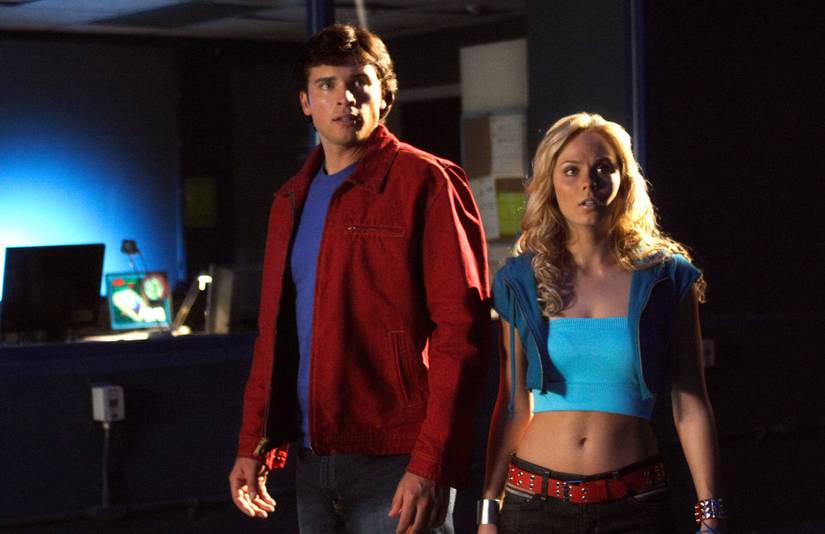
Audiences knew Superman and Lex Luthor were destined to become enemies. Smallville did something unexpected. It made them friends first.
In the pilot, Lex (Michael Rosenbaum) hits Clark with his Porsche before plunging off a bridge. Clark saves his life, and a friendship begins that becomes the show’s emotional backbone. Knowing where it ends makes the relationship more compelling, not less. For a while, you hope the story might somehow turn out differently.
Rosenbaum’s Lex isn’t a cartoon villain. He’s charming, wounded and, perhaps most surprisingly, someone you genuinely want to root for. He is also desperate to escape the influence of his father, Lionel (John Glover). Clark, meanwhile, has Jonathan (John Schneider) and Martha Kent (Annette O’Toole), who taught him that what he does with his abilities matters more than having them. The contrast between those households helps explain why the two young men take such different paths.
Season 3’s “Memoria” explores Lex’s traumatic childhood and reminds viewers that his future wasn’t simply written in stone. Clark isn’t blameless when their friendship inevitably falls apart. Protecting his secret means repeatedly lying to Lex, whose suspicions only grow. Their tragic falling out emerges organically from a mix of genuine affection, mistrust and increasingly bad decisions.
That was sophisticated material for a show that also featured a seemingly endless supply of meteor-infected villains. The “no tights, no flights” rule saved money on effects, but it also gave Smallville time to establish who Clark was and why he would eventually deserve to wear the suit.
Smallville celebrated Superman’s past while introducing Hollywood’s future
Rewatching Smallville now doubles as a game of spotting future stars. Amy Adams plays a teenager with a dangerous appetite in Season 1’s “Craving.” Lizzy Caplan appears as a shapeshifter, and Paul Wesley shows up years before his starring turn in The Vampire Diaries. Jensen Ackles spends a season on the show before Supernatural, and Alan Ritchson plays Aquaman long before Reacher.
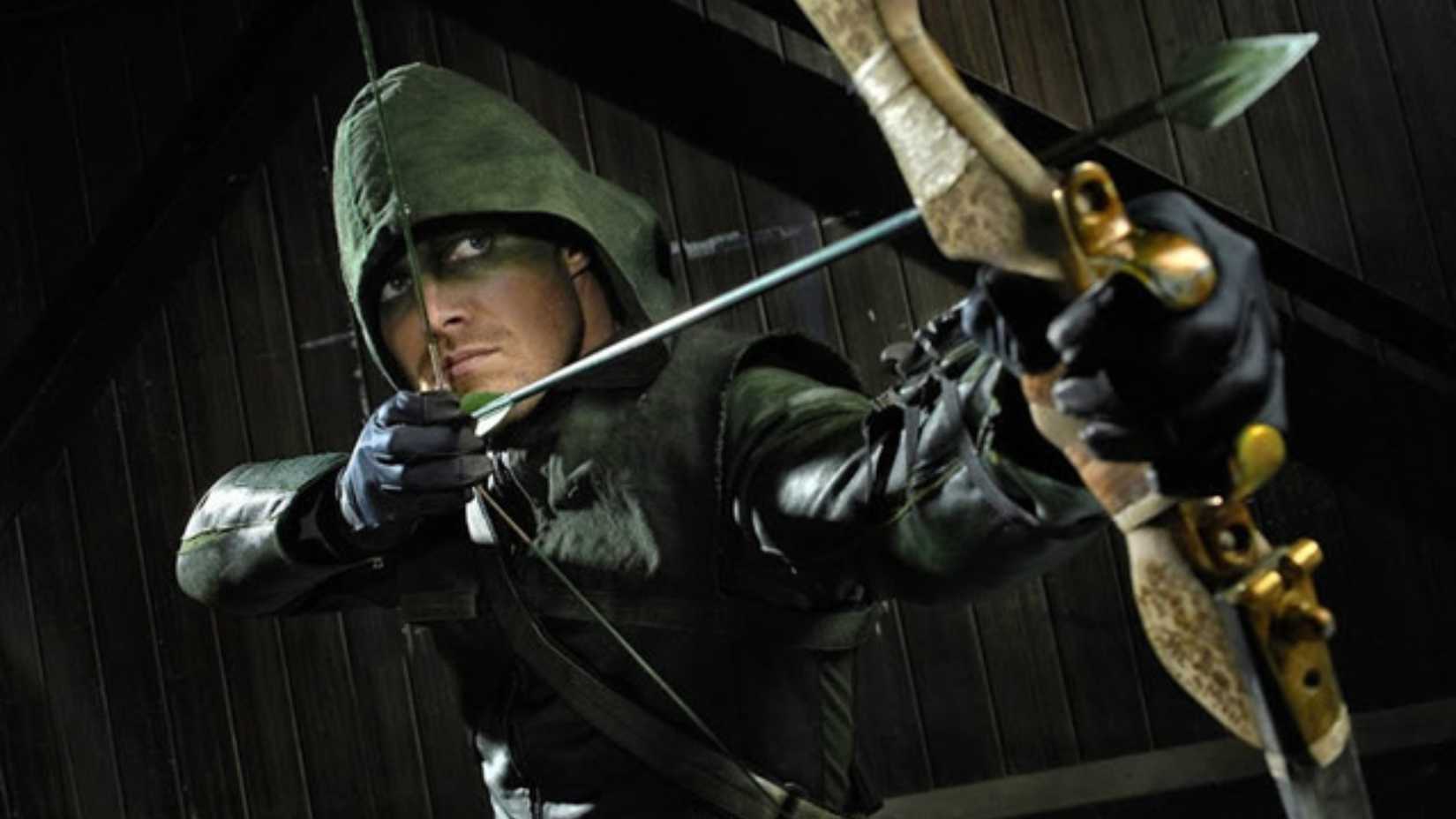
Justin Hartley makes an even bigger impression as Oliver Queen, aka Green Arrow. His character becomes a key part of the later seasons and gave Hartley a substantial superhero role before his success on This Is Us and Tracker.
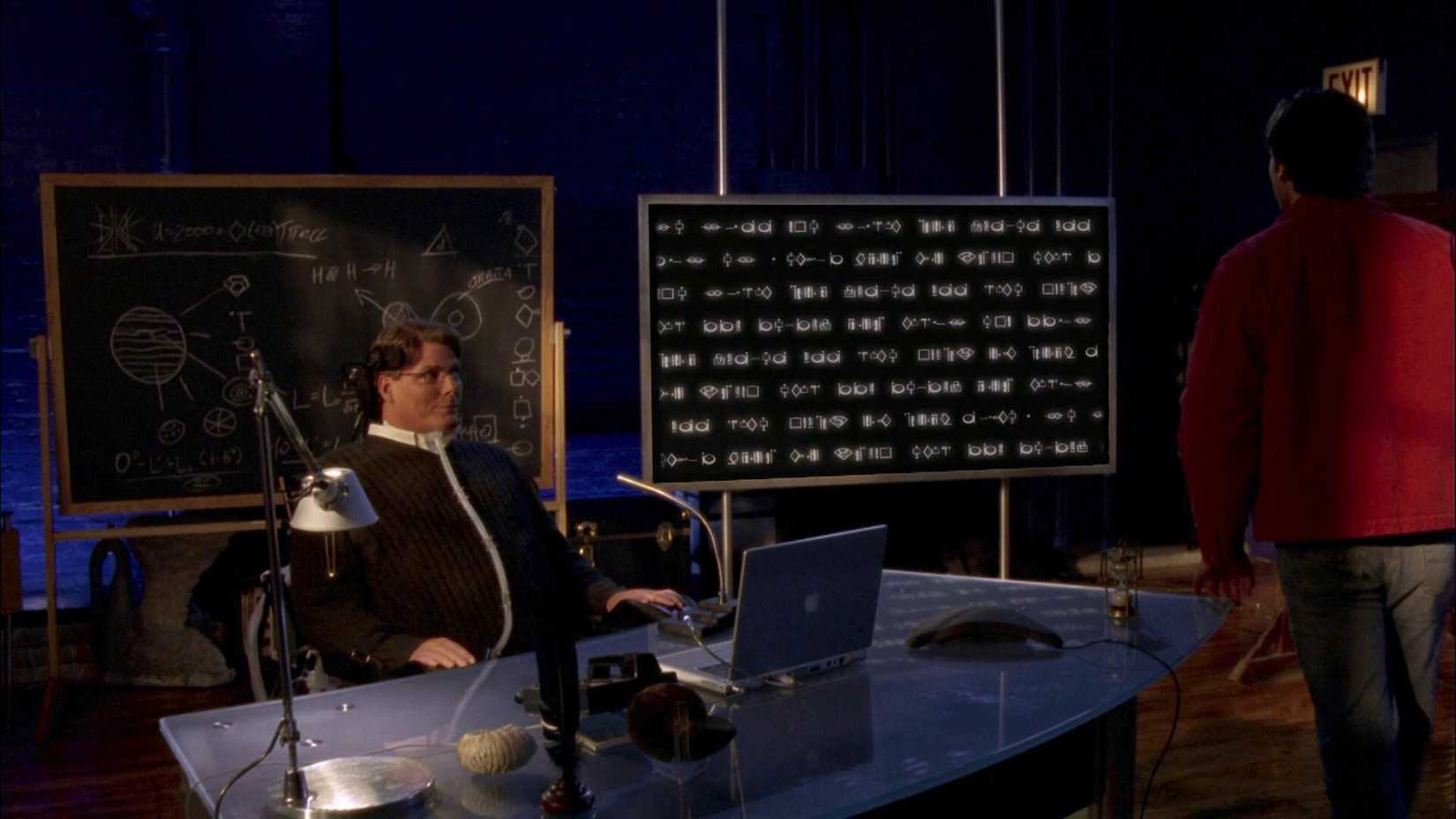
The show’s affection for Superman history was just as impressive. Christopher Reeve appears as Dr. Virgil Swann in Season 2’s “Rosetta,” helping Clark understand his Kryptonian origins. Having the movie Superman guide television’s young Clark was inspired casting, and it made for a genuinely moving storyline.
Margot Kidder, Reeve’s Lois Lane, also appeared, while Superman II‘s Terence Stamp voiced Jor-El. Helen Slater, the movie Supergirl, played Clark’s Kryptonian mother, Lara. Dean Cain and Teri Hatcher, the leads of Lois & Clark, each guest-starred. Even O’Toole had Superman history, since she played Lana Lang in Superman III. These weren’t merely cameos for trivia buffs. They connected a new interpretation of Clark Kent to the generations of Superman stories that came before it.
Before the Arrowverse, there was Smallville
I loved Smallville, but I won’t pretend all 10 seasons were equally good. The meteor-powered villains eventually blur together. Clark and Lana’s (Kristin Kreuk) endless romantic complications rarely generate enough chemistry to justify the drama. Lois Lane’s arrival, played with welcome spark by Erica Durance, makes that even harder to ignore.
The show also spends so long postponing Clark’s destiny that the final stretch sometimes feels like an exercise in creative delay. At a certain point, you want to hand Clark a cape yourself and tell him to get on with it. Two fewer seasons might have made for a tighter journey.
Still, Smallville‘s ambition grew even when its storytelling faltered. Green Arrow, Aquaman and other DC heroes entered the picture, and the series built a wider mythology around its once-isolated teenage protagonist. It proved audiences would follow a superhero’s development over years, even without the iconic costume.
When Smallville ended in 2011, it left behind a model for sustained superhero storytelling on television. Arrow premiered the following year and eventually launched a sprawling shared universe. The Arrowverse wasn’t a direct continuation, although Tom Welling did guest star as Clark Kent in the “Crisis on Infinite Earths” Arrow/Batwoman episode. Still, it’s hard to imagine that superhero television boom taking quite the same shape without the groundwork laid by Clark Kent and friends.
For all its uneven episodes and delayed revelations, Smallville understood something fundamental about Superman. His greatest strength came from the humanity he developed thanks to his parents, his friends and the choices he had to make, more than from flight or invulnerability.
Twenty-five years later, that journey remains worth revisiting. Just be warned: After a few episodes, you’ll probably be walking around your house singing “Somebody saaaaavvvveee me!” at an unnecessarily high volume.
Smallville is streaming on Hulu and Disney Plus.
Source: Polygon
Related articles
 Shenmue III Enhanced Edition Delayed to Improve Graphics and Add New Features
 Ridley Scott Finds Screenwriter for New Film That May Continue the Prometheus and Alien: Covenant Story
 Zendaya to Be Promoted for Best Lead Actress Oscar for Third Dune Film
 Crimson Desert Charting the Unknown Expansion Will Add Sea Monsters and Ship Boarding, Details Revealed
 Ticket Presales Suggest Dune: Part Three Will Lose Heavily to Avengers: Doomsday at the Box Office
 DC Horror Film Clayface Earns Unusually High CinemaScore
 Danganronpa 2×2 Visual Novel Lowers System Requirements After Criticism Over 32GB RAM Listing
 A Decade On, Nintendo’s Switch Reveal Is a Captivating Time Capsule