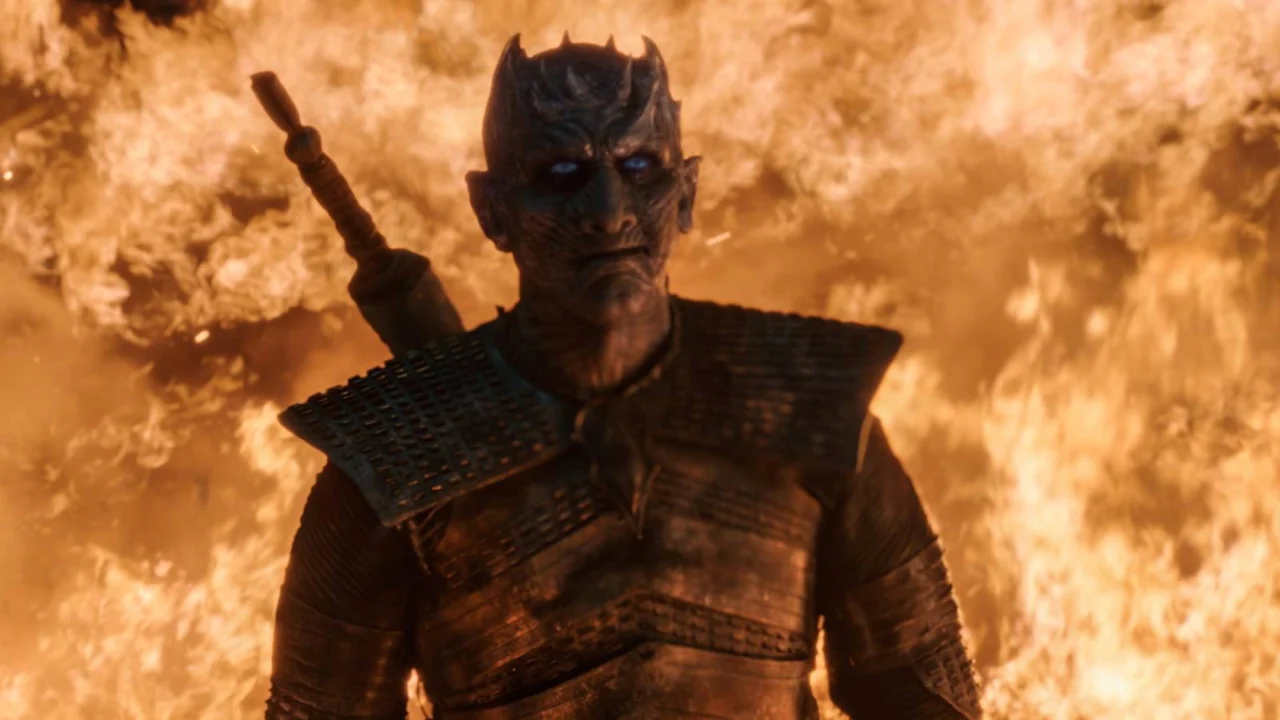
Seven years on, Game of Thrones’ greatest failure still infuriates me

In the spring of 2019, Vladimir Furdik, the man behind the icy mask of Game of Thrones’ primary antagonist, sat down for his most extensive interview to date. Just days after The Night King met a sudden end in the Season 8 episode “The Long Night,” the stuntman-turned-villain discussed the role with The Hollywood Reporter. During the conversation, a pivotal question emerged regarding the character’s core: “Did the creators provide much insight into his motivations or ultimate goals?”
Furdik’s admission was startlingly candid:
“No, they didn’t offer much. I had a few brief chats with the directors, but nothing concrete regarding his intentions. The Night King was developed incrementally. It felt like planting a seed and simply waiting to see what kind of plant would eventually grow.”
This sentiment perfectly captures not only the evolution of the Night King but the pervasive sense of aimlessness that haunted the show’s final act. It often appeared as though David Benioff and D.B. Weiss were navigating the narrative blindly, particularly after exhausting George R.R. Martin’s source material. The Night King stands as a glaring example of this creative disconnect—a missed opportunity that remains frustrating years after the credits rolled.

The core issue is that the Night King was a wholesale invention for the television adaptation. In the literary *A Song of Ice and Fire*, the character is virtually non-existent. While there is a legendary figure known as the “Night’s King,” he bears little resemblance to the show’s blue-eyed monarch.
On screen, the Night King is an ancient, immortal weapon forged by the Children of the Forest to combat the encroachment of humanity. For millennia, he amassed an army of White Walkers with the sole intent of extinguishing all life. Conversely, the “Night’s King” of the books was merely the 13th Lord Commander of the Night’s Watch who succumbed to the charms of a supernatural bride and ruled the Wall as a tyrant. To book readers, he is a figure of myth rather than an impending threat.
By extrapolating a minor lore detail into a central antagonist, Benioff and Weiss created a formidable image without a clear purpose. This lack of foresight became painfully evident when the dead finally breached the Wall and marched on Westeros.

Despite being positioned as the ultimate existential threat—the one force that could theoretically unite a fractured realm—the White Walkers were ultimately sidelined. Even when presented with undeniable proof of the undead, Cersei Lannister opted for treachery over survival. Fans anticipated a desperate retreat toward the capital and a final, apocalyptic showdown, but the resolution was far more contained.
The supernatural invasion ended abruptly in the third episode of the final season. During a visually murky battle at Winterfell, Arya Stark delivered a killing blow with a Valyrian steel blade, causing the entire threat to vaporize instantly. While technically consistent with the show’s lore, it felt like a thematic betrayal. Centuries of cryptic prophecy were tossed aside, leaving half a season of political squabbling that lacked the gravity of the Great War.

The absence of a clear motive for the Night King left a void in the narrative. He was not a mindless beast; Furdik portrayed him with a chilling, calculated intelligence. Yet, the series never explored what drove him. In a behind-the-scenes documentary, Furdik offered his own interpretation:
“I believe he’s fueled by rage. He never chose this fate. The Children of the Forest transformed him against his will, so he decided if he had to be the Night King, he would make them pay for it.”
This “vengeful victim” angle is a fascinating concept, but it remained entirely subtextual. For an audience that spent years dissecting every frame for meaning, being told the ultimate villain was simply “an angry guy” felt reductive. The Night King—and the fans who followed his march for eight seasons—deserved a more profound legacy.
Source: Polygon
Related articles
 Boxed Games Become a Problem for Collectors as Issues Reach PS5
 Gears of War: E-Day Reportedly Planned as Start of a New Trilogy, Rumors Say
 Shenmue III Enhanced Edition Delayed to Improve Graphics and Add New Features
 Ridley Scott Finds Screenwriter for New Film That May Continue the Prometheus and Alien: Covenant Story
 Zendaya to Be Promoted for Best Lead Actress Oscar for Third Dune Film
 Crimson Desert Charting the Unknown Expansion Will Add Sea Monsters and Ship Boarding, Details Revealed
 Ticket Presales Suggest Dune: Part Three Will Lose Heavily to Avengers: Doomsday at the Box Office
 DC Horror Film Clayface Earns Unusually High CinemaScore