

Many cinephiles point to Satoshi Kon’s Perfect Blue as his defining work. Others favor the surreal sci‑fi of Paprika or the meta‑cinematic sweep of Millennium Actress. Yet Kon’s most down‑to‑earth film often gets overshadowed — and that’s a loss, because Tokyo Godfathers may well be the quiet jewel of his abbreviated career.
Grounded in character and brimming with equal parts comedy, pathos, and kinetic set pieces, Tokyo Godfathers feels more immediate and relatable than many of Kon’s more conceptually ambitious films. It’s also a heartfelt Christmas tale, which makes it an ideal seasonal watch — the subtitled version is currently available to stream for free on Tubi.
If you want something that lifts the spirits without feeling saccharine, give Tokyo Godfathers a try. Its warmth sneaks up on you, and you may find yourself unexpectedly invested in these unlikely heroes.


 “Gangsterland” starring Tom Hardy renewed for a third season
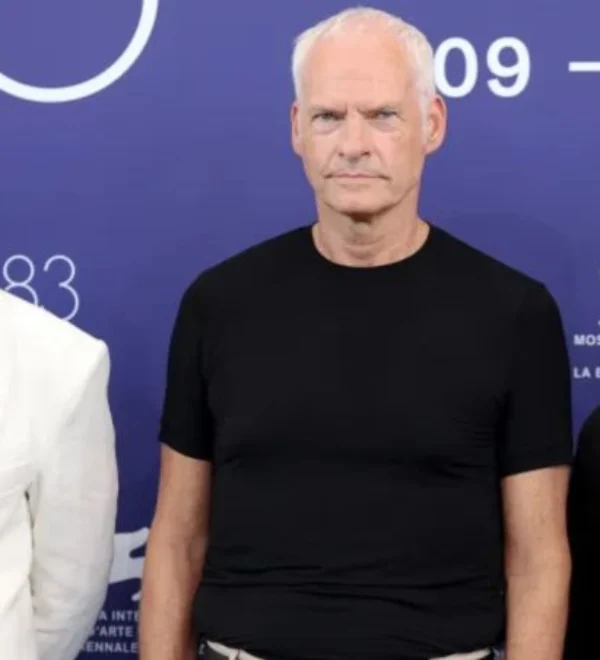 Martin McDonagh Presents “Wild Horse” Starring Malkovich and Rockwell in Venice
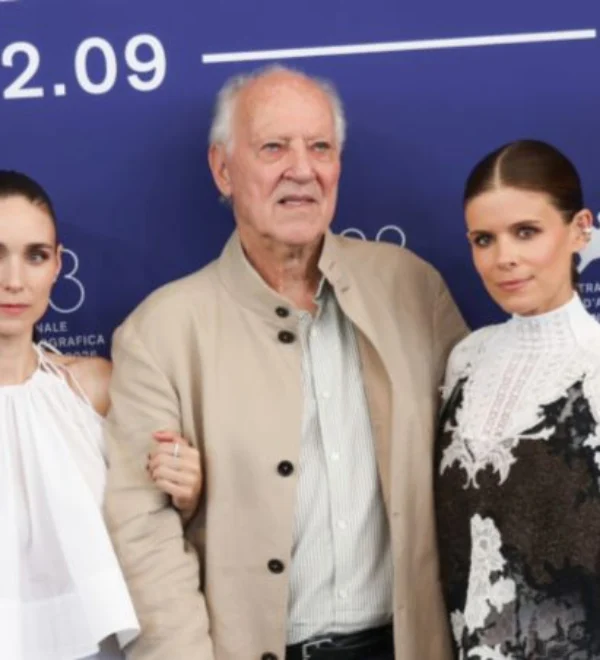 Werner Herzog dedicates the film “Bad Lieutenant” to David Lynch
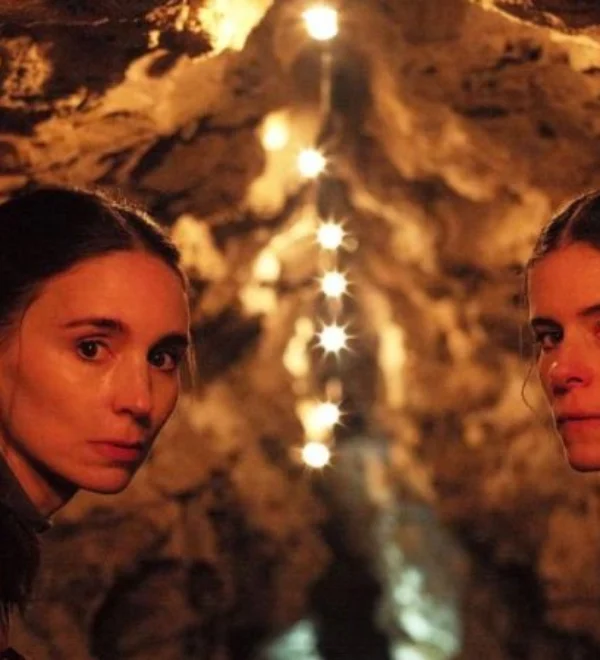 First still from the film “The Luckiest Girl Alive” featuring Kate and Rooney Mara
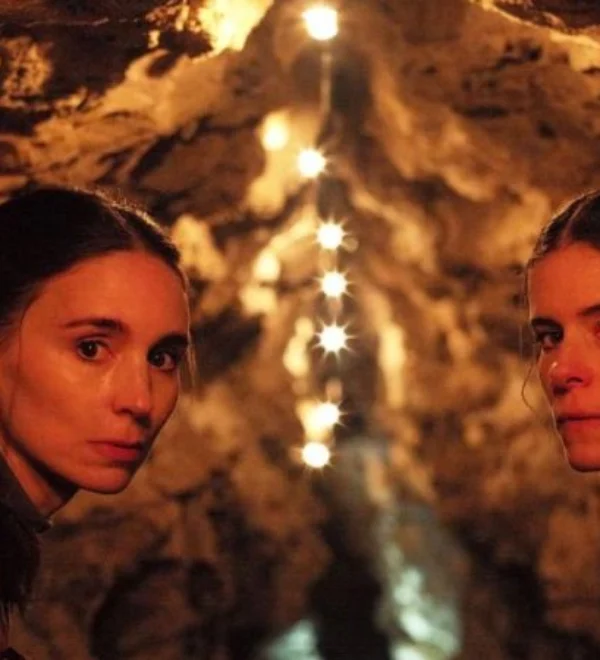 First still from the film “The Luckiest Girl Alive” featuring Kate and Rooney Mara released
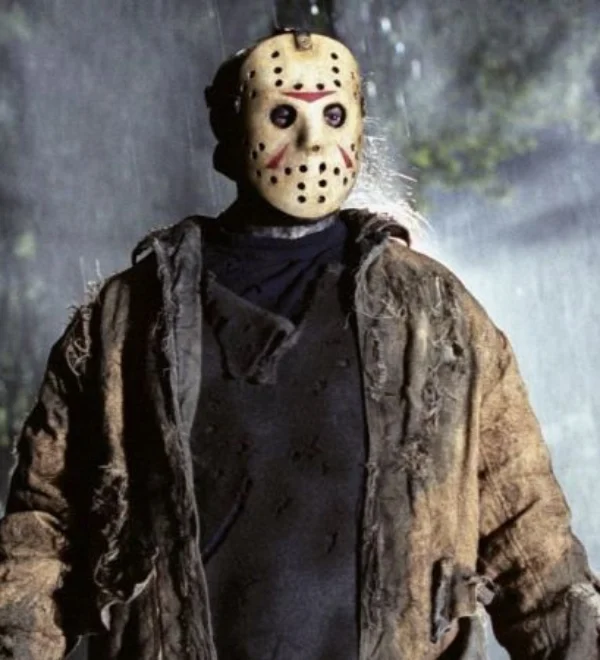 Friday the 13th Screenwriter Victor Miller Dies
 “Borat” screening cancelled due to racist jokes
 «Obsession» Star Inde Navarrette to Be Submitted for Oscar Consideration