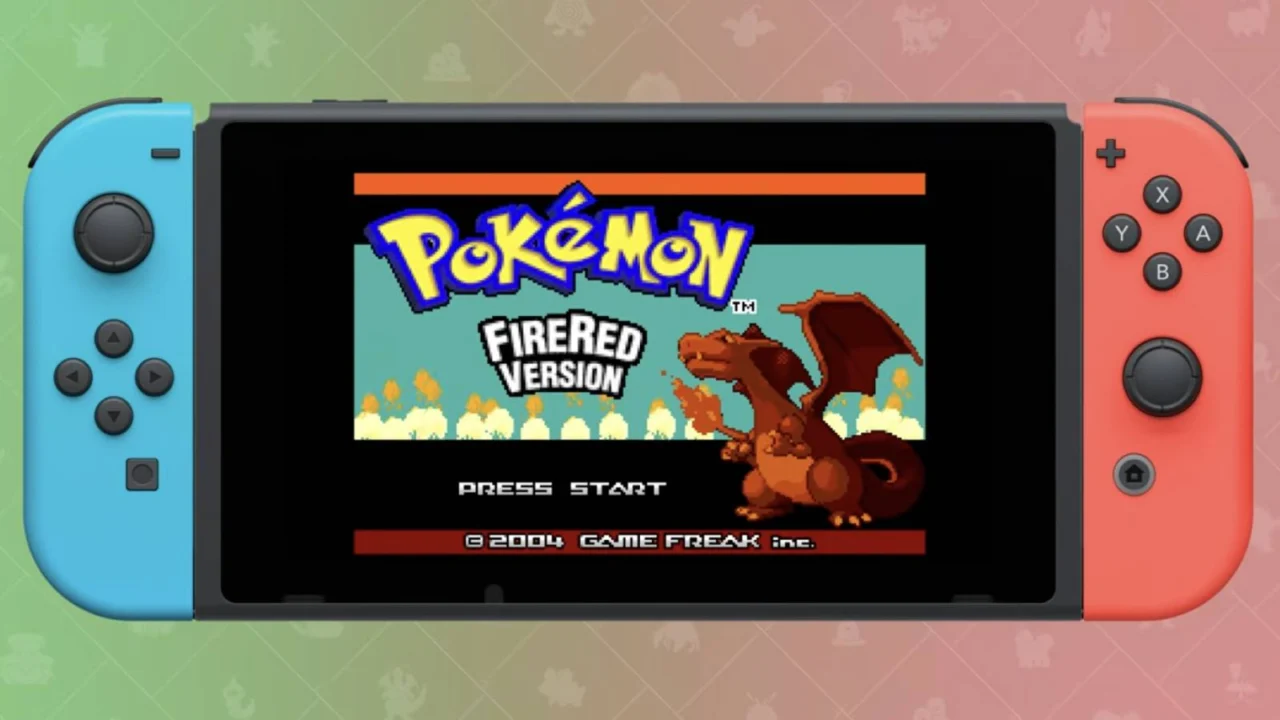
Revisiting Classic Pokémon Highlights Just How Spoiled Modern Gaming Has Made Me
February concluded with a commemorative Pokémon Presents broadcast, celebrating three decades of the global phenomenon. While the stream showcased the future of the franchise with the reveal of Pokémon Winds and Waves—featuring some particularly charming new starters—it also catered to nostalgia. For the first time, the Nintendo Switch and its successor received authentic ports of the GBA classics Pokémon FireRed and LeafGreen.
Revisiting LeafGreen after a twenty-year hiatus is a jarring reminder of the sheer “grind” that defined early Pokémon titles. It highlights exactly how much modern installments have smoothed out the rougher aspects of the experience. After spending time in the user-friendly environments of Pokémon Scarlet, Violet, and Pokémon Legends: Z-A, returning to the roots of the series feels like a test of patience.
In any entry, nurturing a team from low-level recruits into a formidable squad of powerhouses is a repetitive endeavor. However, contemporary titles have introduced significant quality-of-life improvements to minimize frustration. The most notable shift is the universal Experience Share, where your entire party benefits from every victory. Furthermore, gaining experience for simply capturing Pokémon encourages the “Catch ‘em all” philosophy rather than forcing players to perpetually knock wild creatures unconscious.
 Image: Nintendo / The Pokémon Company
The retro games offer no such convenience. Take the infamous level 5 Magikarp available for 500 Poké-dollars early in the journey. To evolve that dead weight into a Gyarados at level 20, you must rely on the archaic “switch-out” method: leading with the fish and immediately swapping it for a Pokémon capable of actual combat. It is an excruciatingly slow process, made even more tedious if you are trying to balance the growth of your entire roster.
Even the Exp. Share item, once acquired, is a mere shadow of its modern counterpart. In these classic versions, it only splits experience between the participant and the holder, failing to provide the comprehensive team growth we now take for granted. This lack of efficiency is compounded by the rigid storage system. Unlike modern titles that allow you to swap party members from anywhere, FireRed and LeafGreen force you to visit a Pokémon Center to access Bill’s PC. This logistical hurdle discourages rotating your roster, often trapping you with the same six monsters for the duration of the game.
 Image: Game Freak / The Pokémon Company
Other refinements are missed as well. Modern players are used to renaming their Pokémon or managing move sets with ease. Furthermore, the absence of overworld spawns makes navigating classic environments feel like a chore; instead of choosing your encounters, you are constantly ambushed by Zubats every few steps. It breaks the immersion that newer titles have worked so hard to establish.
However, there is one area where the old-school approach feels superior: the battle interface. Modern games explicitly state move effectiveness, removing the need for tactical memorization. In LeafGreen, the game doesn’t spoon-feed you information. You are forced to rely on your own knowledge of type matchups and strategy, making every victory feel more earned.
Ultimately, replaying LeafGreen is as enjoyable as ever, but it serves as a stark reminder of how far the series has come. The “grind” feels remarkably different when you aren’t a child with limitless free time. While I appreciate the challenge of the originals, I’ve realized just how much the modern series has pampered me as a trainer.
Source: Polygon
Related articles
 Rockstar Continues Work on GTA VI Ahead of Release
 Game Freak Winds Down Beast of Reincarnation Support With One Major Patch Left
 Hugh Jackman’s The Death of Robin Hood Hits No. 1 on Streaming
 Where to Find Shroud Mushrooms in Enshrouded
 Steam’s No. 2 Driving Game Raises the Bar for Realism on PS5
 Assassin’s Creed Creator Shows 1666: Amsterdam Gameplay With Daytime Investigations and Nighttime Hunting
 BeamNG.drive: Split-Screen Multiplayer Arrives in v0.40
 Call of Duty: Modern Warfare 4 Enters Steam Top Sellers Days Before Release