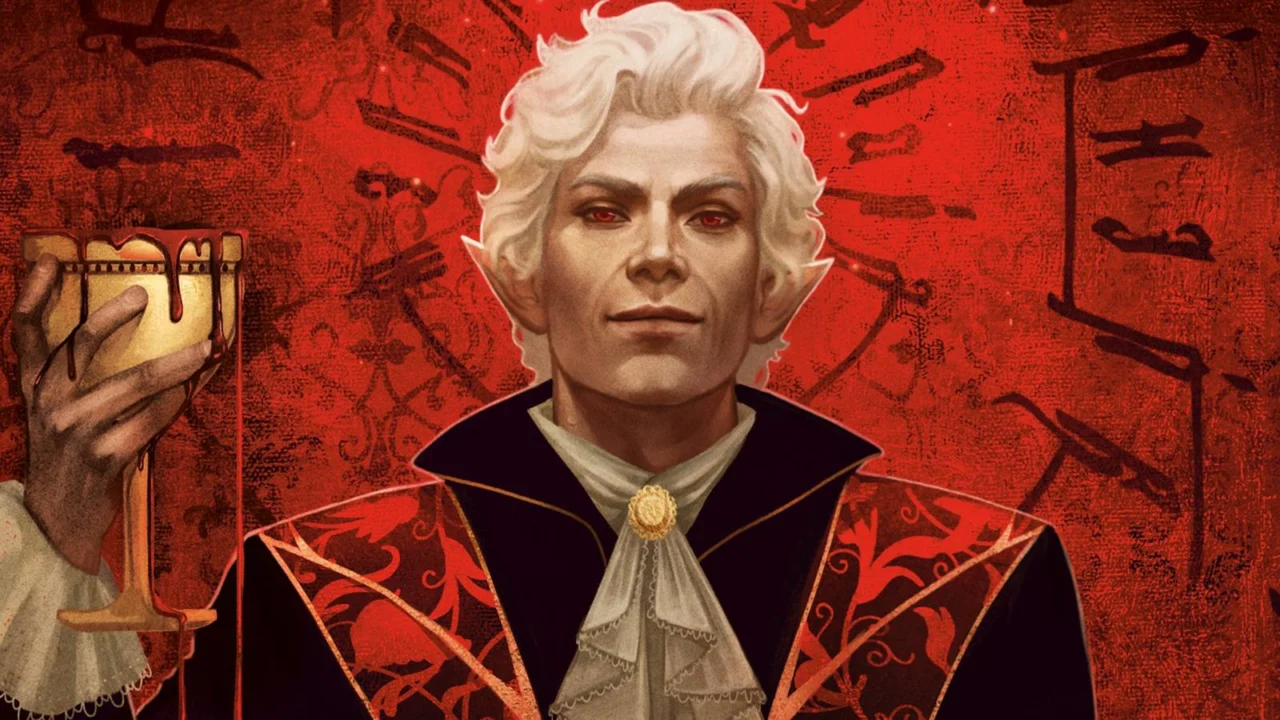
Review: T Kingfisher’s Baldur’s Gate 3 Prequel Novel Featuring Astarion Falls Short
In 2023, Larian Studios brought Dungeons & Dragons’ Forgotten Realms to life with Baldur’s Gate 3. The game was a massive success. Much like Critical Role inspired a new wave of interest in tabletop role-playing games, Baldur’s Gate 3 encouraged players to learn more about the lore behind their favorite companions. Wizards of the Coast responded with supplementary material, including miniatures, character sheets, and crossover appearances in games like Idle Champions of the Forgotten Realms and Magic: The Gathering.
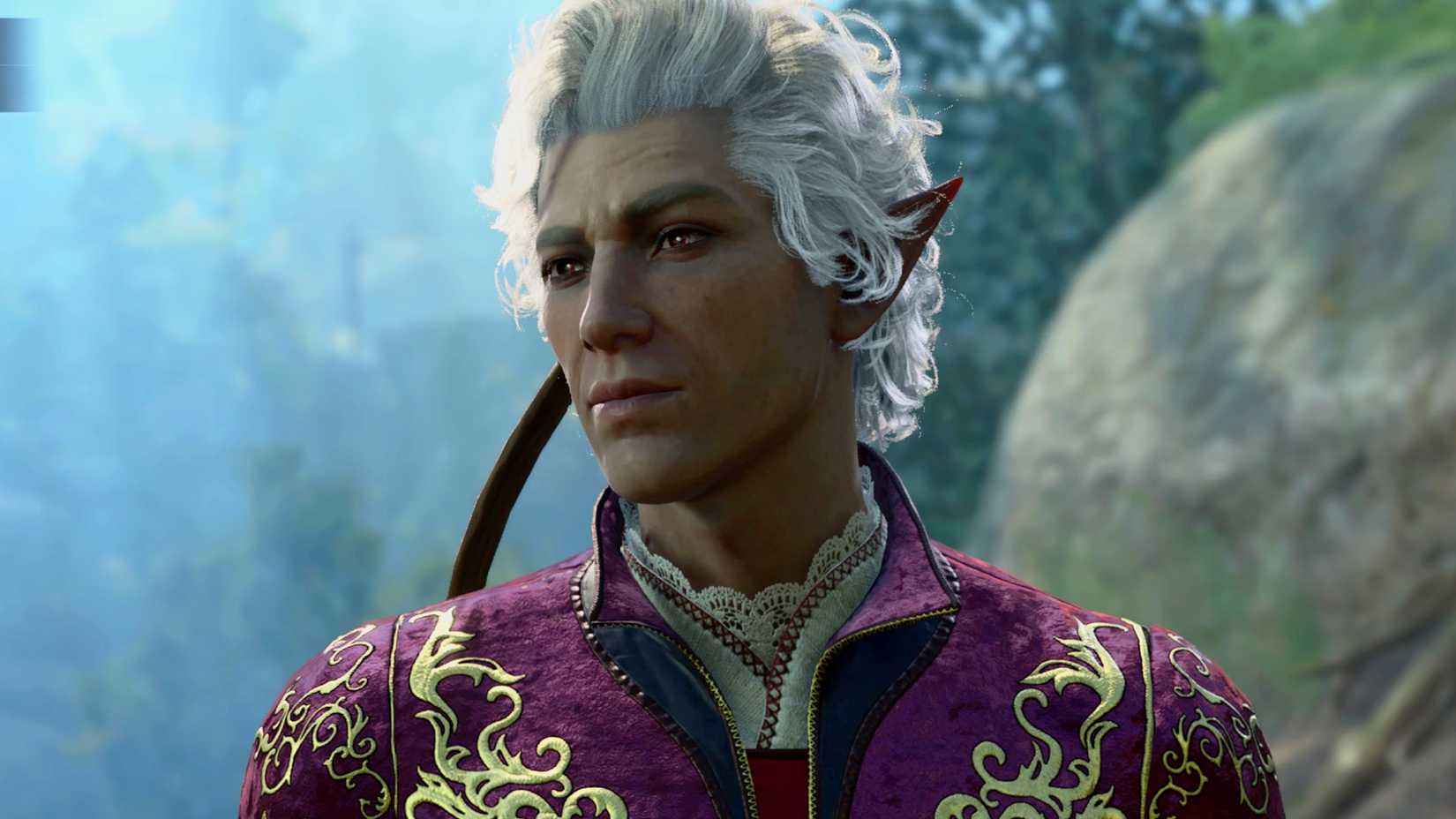
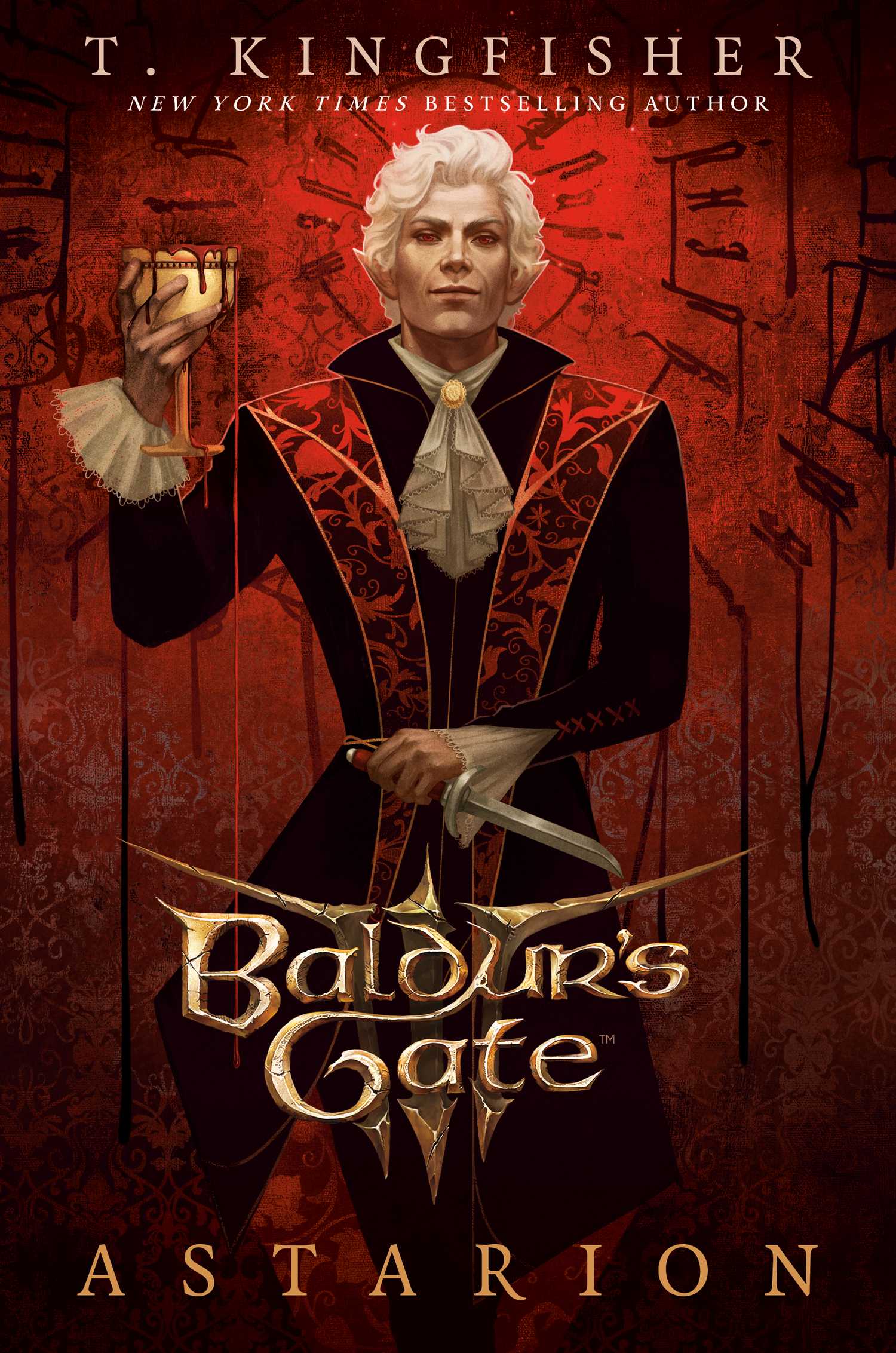
Wizards of the Coast also announced four tie-in books from Penguin Random House. This lineup includes an Astarion prequel novel available now from award-winning Nettle & Bone author T. Kingfisher, also known as Ursula Vernon. While fans love all the companions from Baldur’s Gate 3, the witty elf-vampire Astarion has inspired a devoted fanbase. Many players empathize deeply with the abuse he suffered under his cruel vampire master, Cazador.
Kingfisher has proven capable of handling dark and grim topics in books like The Twisted Ones. Wizards chose her to handle Astarion for this reason. With input from Astarion’s writer, Stephen Rooney, and voice actor, Neil Newbon, Kingfisher delivers an emotional novel titled Baldur’s Gate 3: Astarion.
T. Kingfisher gets Astarion
The story shifts between Astarion’s early days as a working-class boy taken in by a rich relative and his present life as a vampire spawn in Cazador’s mansion alongside his fellow spawn. The book lacks clear chapter breaks, which makes the transitions between past and present feel jarring. It reads like a series of vignettes until the main plot arrives halfway through. This format makes sense given the jumbled headspace of a vampire enduring centuries of physical and emotional torture, but it creates a difficult reading experience.
Any book exploring Astarion’s background of violence and sexual abuse requires immense care and an author who refuses to sand down the horrors he experienced. Some dialogue feels hammy, reading as if Kingfisher is winking at players of Baldur’s Gate 3 rather than focusing on the narrative. Even so, the author strikes a fine balance between depicting these horrors and showing the small pleasures Astarion carves out for himself, such as hiding fine curtains from his siblings and Cazador.
Melancholy lingers in these moments. Unlike in Baldur’s Gate 3, where Astarion feels reassured after escaping Cazador, Kingfisher highlights an Astarion who believes he will remain a lapdog forever. Kingfisher injects humor into the narrative, often through witty one-liners from Astarion, but the tone remains biting. When Astarion muses on his inhumane treatment, he does so matter-of-factly. Kingfisher avoids turning the novel into torture porn, which requires glossing over some critical history established by the game.
The book still features unsettling moments, such as when Cazador tricks his spawn children into thinking he gifted them an orgy, only for them to discover they are dealing with pigs. The novel does not linger on the scene. Astarion’s language and movements make it clear he has lived a life of pure hell without needing the author to spell it out directly.
A lesson in Wizards of the Coast’s meddling
Readers must confront a significant issue regarding retcons and changes to Astarion’s background, particularly concerning the Gur.
In Baldur’s Gate 3, Astarion is established as prejudiced against the Gur. After a mob of nomadic monster hunters killed him because they felt a ruling he made as a magistrate was unjust, he developed a deep hatred for them. He also loathes shorter races like halflings and gnomes, frequently ridiculing them.
In the novel, the Gur who killed Astarion are replaced by hunters who received justice after being caught poaching. Instead of implying that Astarion was corrupt in his job as suggested in Baldur’s Gate 3, the novel establishes that he gave a fair ruling.

Kingfisher confirmed the reason for the change on Bluesky, stating that Wizards of the Coast intervened:
That particular bit was specifically because WOTC told me to, too! I’d had it as the Gur originally, but [Wizards of the Coast] are trying to get away from that.
When asked for further clarification, Kingfisher explained that the company felt the Gur came across as Romany-stereotype coded, which was not the original intent.
This is not the first time Wizards of the Coast has altered a character’s background or relationship. The company previously faced backlash after erasing the romantic relationship between planeswalkers Chandra Nalaar and Nissa Revane in the Magic: The Gathering novel War of the Spark: Forsaken, prompting an apology from the company.
Wizards toning down Astarion’s edges illustrates the company’s efforts to appeal to a mass market. Authentic representation of marginalized people is important, but the Gur were never portrayed negatively in the game. Any negativity stemmed entirely from Astarion and his personal prejudices.
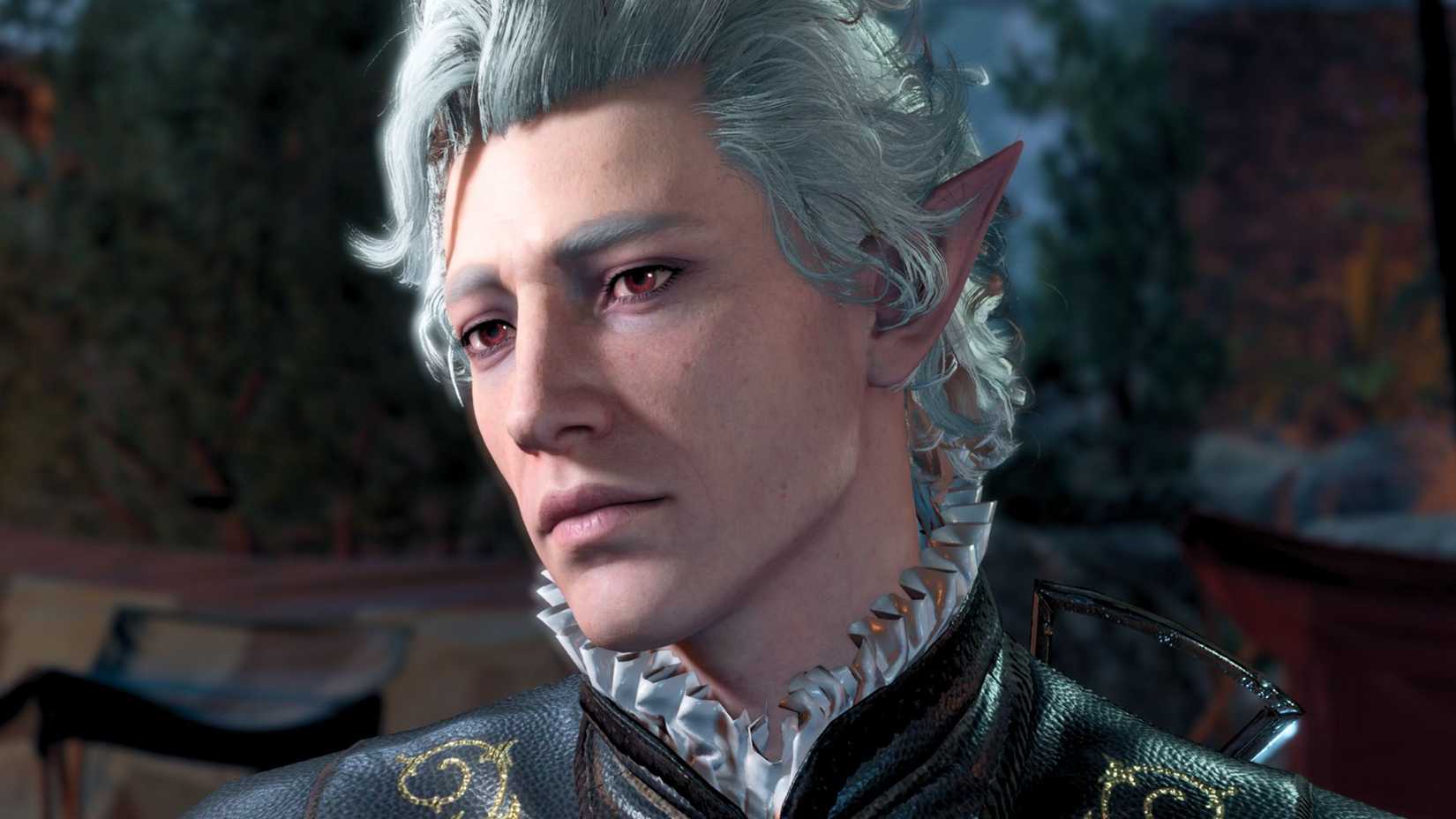
Ultimately, this change alters the character so that the novel’s version of Astarion differs slightly from the one players know. It is not a dealbreaker. Kingfisher captures his voice and mannerisms well enough to keep him recognizable, and the novel remains an enjoyable read. However, it highlights a troubling trend of a company failing to trust its audience to understand complex characters.
With Wizards of the Coast involved in HBO’s upcoming Baldur’s Gate 3 adaptation, this lack of faith leaves gamers concerned about the future. If Wizards does not trust readers to handle nuanced source material, television executives may follow the same path.
Source: Polygon
Related articles
 Roman Smirnov Demonstrates Improved Destruction System in The Finals Ahead of Major Update
 Modders Convert Diablo II Resurrected into Virtual Reality First Person Game
 Modder Ports Quest Overhaul Mod for The Witcher 3 Remaster
 Dan Houser Calls GTA Comparisons a Compliment but Wants New Games to Stand on Their Own
 Fan creates 3D first-person version of Terraria
 Amazon Prime Members Can Officially Claim 10 Free Games in October
 Crimson Desert Fan Concept Imagines Dynamic Seasons Based on Game Progress
 Insider Details Story and Characters of Assassin’s Creed Codename Hexe