
Resident Evil 9 Requiem: We Tested Leon S. Kennedy and Exploded Zombie Heads

While the opening weeks of 2026 have been uncharacteristically quiet, the calm is merely the eye of the storm. This year is poised to eclipse 2025 in terms of sheer blockbuster momentum. Following the imminent release of Nioh 3, the spotlight will shift to one of the most anticipated titles in gaming history: Resident Evil 9 Requiem. After months of mounting speculation since last summer’s marketing blitz, Capcom has finally pulled back the curtain on a major reveal: Leon Scott Kennedy is back as a playable lead. While leaks hinted at his return, seeing the legendary agent in action is another matter entirely. I recently spent several hours at Capcom’s headquarters, going hands-on with fifteen minutes of unreleased gameplay that redefines the franchise’s dual-protagonist formula.
For those just catching up with the Requiem updates, the defining pillar of this sequel is its bifurcated narrative. The story unfolds through the perspectives of two distinct leads: the newcomer Grace Ashcroft and the veteran Leon Scott Kennedy. Leon is a titan of the genre, a character whose name alone—especially when sporting his signature shearling jacket—is enough to drive record-breaking sales. Grace, meanwhile, represents the fresh blood of the series. An FBI agent and the daughter of Alyssa Ashcroft (the journalist from Resident Evil Outbreak), her inclusion bridges the gap between the modern era and fan-favorite spin-offs. Rumors suggest Alyssa herself will appear in flashback sequences, with whispers of a third playable perspective potentially expanding the roster even further.
A Tale of Two Perspectives
Capcom’s decision to feature both Grace and Leon isn’t just a fan-service play; it’s a calculated design choice to provide a “two-faced” horror experience. As revealed during the Summer Game Fest, Resident Evil 9 Requiem allows players to toggle between first-person and third-person perspectives at will. This hybrid approach caters to both the hardcore horror purists who embraced the claustrophobia of RE7 and Village, and the traditionalists who prefer the cinematic overhead view of the classic remakes. While the Village Gold Edition experimented with this via DLC, Requiem has been architected from the ground up to support both styles seamlessly.
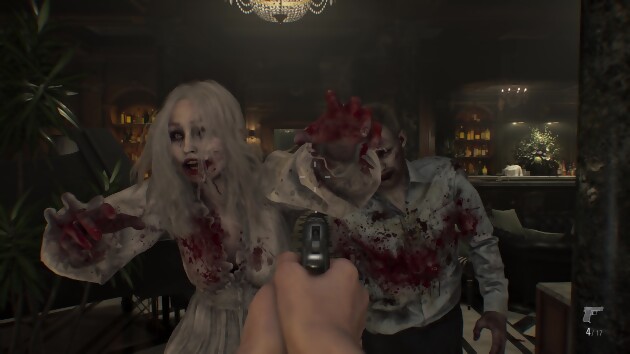
Although the choice of camera is ultimately yours, there is a clear mechanical synergy at play. Grace’s segments are heavily leaned toward the first-person view, emphasizing the vulnerability and tension found in the RE7/RE8 era. She isn’t a seasoned bioweapon hunter; she’s young, inexperienced, and visibly terrified. Capcom has injected this anxiety directly into her gameplay: she stumbles while sprinting, her aim wavers as her hands tremble, and her panicked breathing underscores every encounter. Playing as Grace is a game of “cat and mouse,” focusing on environmental puzzles and slow-burn exploration where every bullet is a luxury.

The Perfect Equilibrium: Action vs. Survival
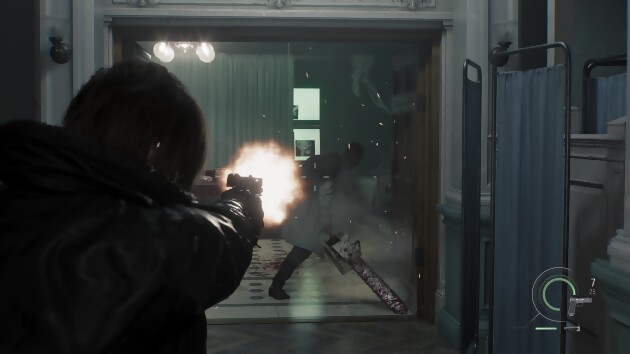
When the perspective shifts to Leon, the game pivots into high-octane action, channeling the visceral energy of the Resident Evil 4 remake. We find Leon at the zenith of his career—a master of combat who treats zombie outbreaks as a daily routine. However, a narrative twist suggests he is battling an internal infection that could jeopardize his humanity. In gameplay terms, Leon is a powerhouse. He utilizes a diverse arsenal and a new tactical hatchet for brutal close-quarters finishers. The combat system now emphasizes timing, allowing players to parry incoming strikes and launch devastating counter-attacks. During my demo, I even managed to commandeer a fallen enemy’s chainsaw, resulting in a gloriously chaotic and gore-splattered room-clearing moment.
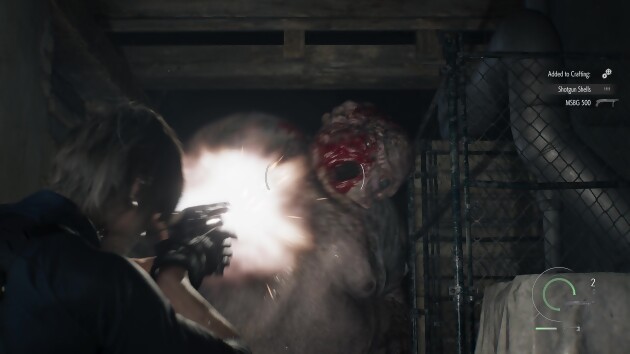
Despite her frailty, Grace has her own lethal tricks. She can harvest “Infected Blood” to craft specialized tools, such as the hemolytic injector. This device, when used stealthily, can cause an enemy to undergo a violent internal collapse, effectively neutralizing threats in a single move. Because enemies in Requiem are sponges for damage—often requiring a dozen rounds to the chest—Grace must rely on localized damage, targeting legs to force openings for escape. The crafting and inventory management systems have been refined, requiring players to use stationary machinery to produce advanced munitions, making every visit to a “safe room” feel critical.
A New Breed of Horror
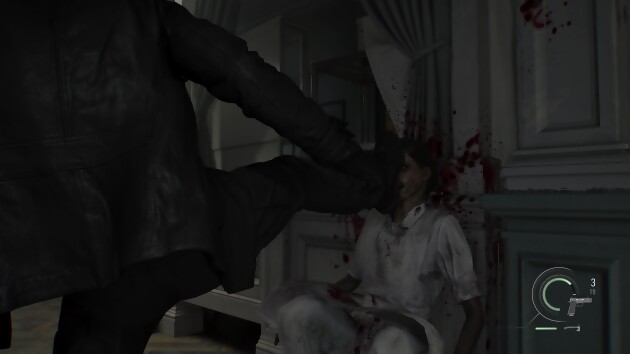
What struck me most about Resident Evil 9 Requiem is the evolution of its adversaries. The undead are no longer just mindless drones; they retain haunting vestiges of their former lives. This “residual humanity” makes them far more disturbing. You’ll encounter a zombie chef still obsessively preparing a rancid meal, or a maid eternally scrubbing a blood-stained floor. This tragic dimension adds a layer of psychological unease to the slaughter. Of course, this melancholy doesn’t extend to the bosses—grotesque, meticulously designed monstrosities that push Capcom’s RE Engine to its absolute limits. The level of detail and artistic direction here proves that Capcom is once again at the top of their game.
Related articles
 Boxed Games Become a Problem for Collectors as Issues Reach PS5
 Gears of War: E-Day Reportedly Planned as Start of a New Trilogy, Rumors Say
 Shenmue III Enhanced Edition Delayed to Improve Graphics and Add New Features
 Ridley Scott Finds Screenwriter for New Film That May Continue the Prometheus and Alien: Covenant Story
 Zendaya to Be Promoted for Best Lead Actress Oscar for Third Dune Film
 Crimson Desert Charting the Unknown Expansion Will Add Sea Monsters and Ship Boarding, Details Revealed
 Ticket Presales Suggest Dune: Part Three Will Lose Heavily to Avengers: Doomsday at the Box Office
 DC Horror Film Clayface Earns Unusually High CinemaScore