
Reassessing Six Controversial Buffy the Vampire Slayer Episodes Years Later
A teenage girl, a high school, vampire love interests, an expanding cast of heroes, and overarching Big Bads and plots. None of these elements are novel, but nearly 30 years ago, Buffy the Vampire Slayer played a key role in establishing this vocabulary, which continues to reappear in supernatural stories today.
Developed by Joss Whedon and starring an ensemble cast led by Sarah Michelle Gellar, the series follows Buffy Summers, the Chosen One, as she protects the town of Sunnydale from vampires and monsters while also doing her homework and keeping the peace with her mom. Throughout its seven-season run, the TV show was never afraid to break the mold and try out something new. This led to many memorable episodes but also some polarized reactions from fans.
With the gift of hindsight, even some of the show’s most divisive episodes have turned out to be ahead of their time. Here are six Buffy the Vampire Slayer episodes that, while divisive or controversial upon their release, have aged remarkably well.
1. Dead Man’s Party (season 3, episode 2)
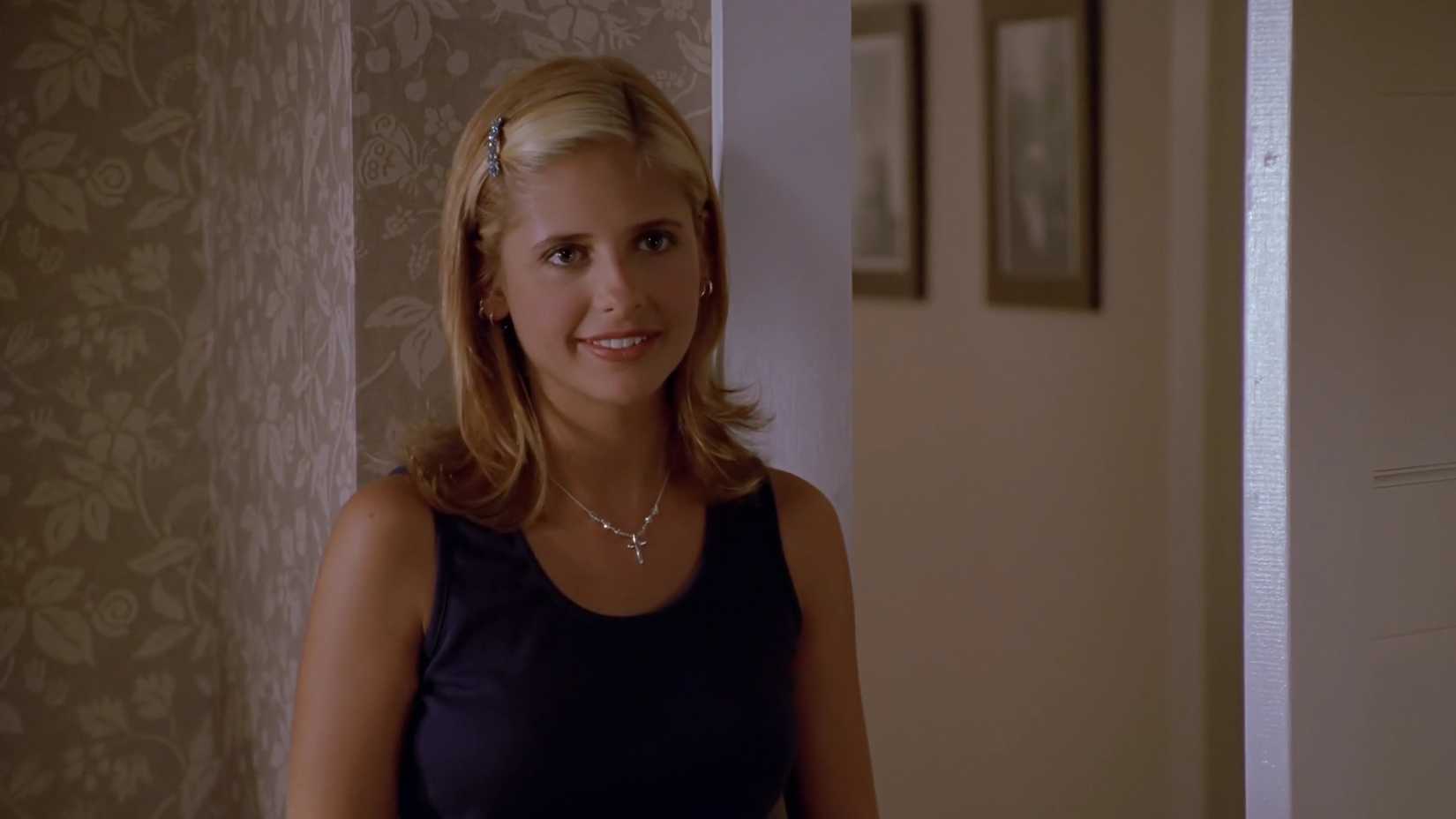
After leaving Sunnydale at the end of season 2, Buffy returns home to find that her mom and friends haven’t forgiven her for abandoning them. It’s an episode that remains divisive to this day. Viewers empathize with Buffy and find the reactions of her friends and mom annoying and selfish. The gut reaction this episode inspires shows just how effective it is. Viewers are so aligned with Buffy that it is difficult to see the perspective of the people who surround her, but their feelings are valid. While she was away, it was up to her friends to keep the town safe despite having no superpowers of their own, and her mother Joyce, played by Kristine Sutherland, was understandably upset because her daughter left town for months without saying anything. It’s an episode with high stakes, showing just how real these relationships are and why they ultimately work so well.
2. Hush (season 4, episode 10)
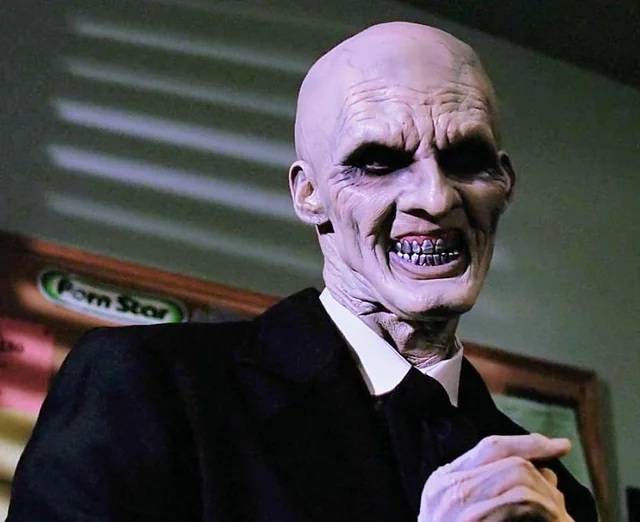
It is impossible to talk about Buffy episodes and their long-term impact on television without bringing up “Hush.” Set in season four, the episode finds Buffy and the Scooby Gang pitted against the Gentlemen, a group of demons that arrive in Sunnydale and drain the voices out of the town’s inhabitants. This results in a 27-minute stretch of episode with no dialogue. It was a creative choice that Whedon feared at the time. Amy Pascale wrote in Joss Whedon: The Biography that “For Joss, this was one of the scariest things he could write,” noting that the goal was “To strip away a form of communication we often misuse and take for granted and explore how easy it is to slip into isolation without it.”
It was a great gamble, and the episode remains one of the series’ most creative flexes.
3. This Year’s Girl (season 4, episode 15)
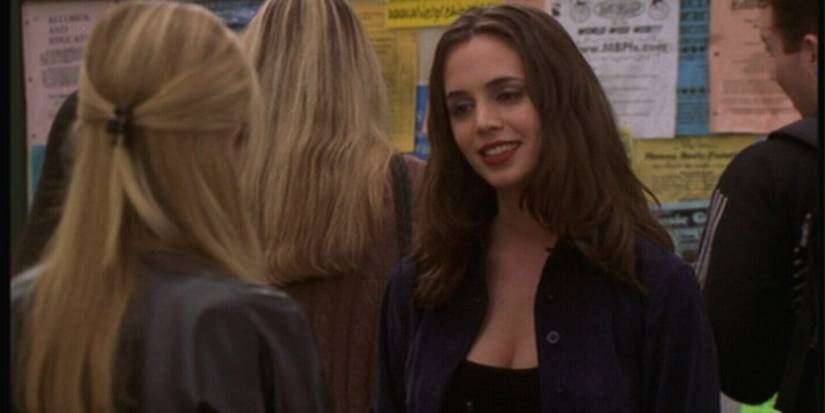
Faith Lehane, played by Eliza Dushku, remains one of the highlights of the entire Buffy series, even if she only appears in 20 episodes out of 144. After Faith’s evil turn in season 3, which ends with her being put in a coma by Buffy, she wakes up and is out for revenge. One of the reasons why the episode was divisive at the time was its murkiness, as the story turns to dreams to reflect Faith’s state of mind. It is a creative swing that ultimately paid off, providing the kind of storytelling viewers would not expect on The WB while planting the seeds for the introduction of Dawn, played by Michelle Trachtenberg, who is Buffy’s little sister and one of the series’ most notorious late twists.
4. Normal Again (season 6, episode 17)
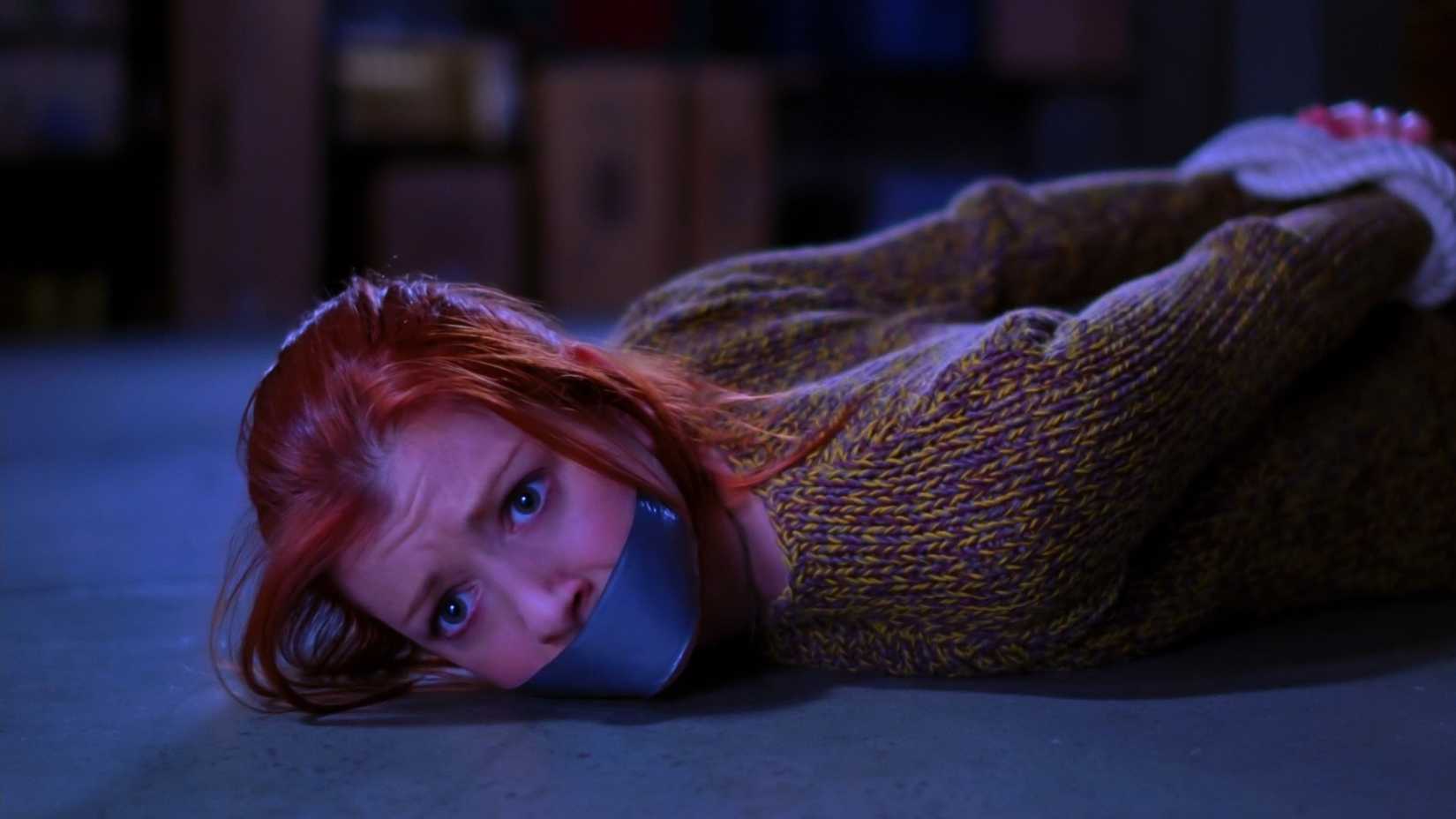
“Normal Again” is one of the series’ most thought-provoking episodes, one to revisit when wanting an existential crisis and a reanalysis of the series through a warped lens. The Trio, who are the main villains of Buffy’s sixth season, make Buffy believe that her work as the Slayer is a fantasy. Throughout the episode, she is trapped in a mental institution. Viewers at the time thought the episode was a tough watch in a season that was already filled with depressing entries. It also created the enduring fan theory that Buffy was just in a mental institution all along.
5. Seeing Red (season 6, episode 19)
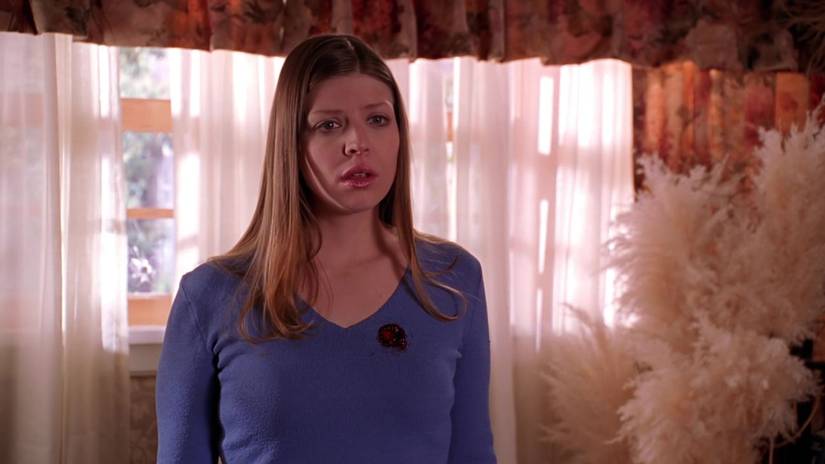
Buffy’s sixth season was rough, not in the sense of poor storytelling, but in exploring its characters’ darkest desires and feelings. “Seeing Red” is an infamous episode of television containing some of the lowest lows for the characters. Spike, played by James Marsters, tries to rape Buffy in a scene that many believed betrayed his character and their relationship. Tara, played by Amber Benson, is murdered immediately after being introduced to the title sequence for the first time, becoming one of the biggest examples of the Bury Your Gays trope. The problems people had with the episode are valid, but the choice remains admirable for reminding viewers that no matter how charming Spike had become, he is still a soulless vampire. Despite what Tara’s death represents for the Bury Your Gays trope, the scene itself, gutting in how quietly it arrives, still holds up as one of the show’s most tragic moments and provides the perfect setup for Willow, played by Alyson Hannigan, and her villainous turn in the season 6 finale.
6. Empty Places (season 7, episode 19)
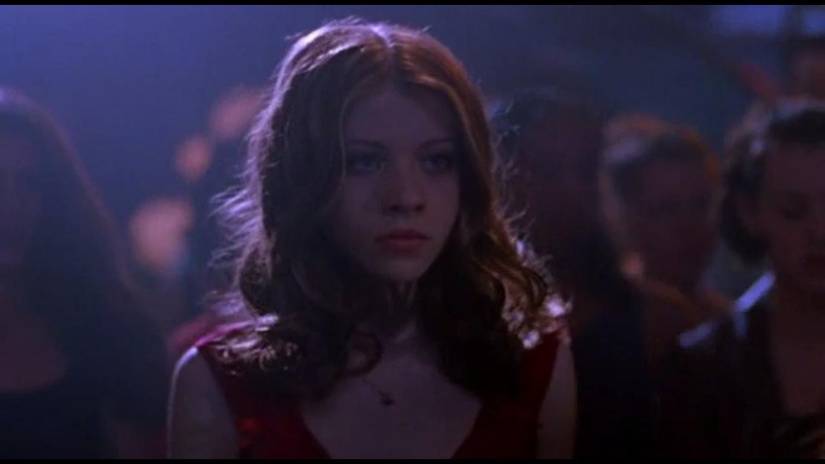
Arguably one of Buffy’s saddest episodes, “Empty Places” tees up the final stretch of story for the series’ seventh and final season. After all Buffy has done for her friends, saving the world numerous times and each of them individually, the series does the unthinkable. Her friends turn on her, deeming her unsuitable to lead them and kicking her out of her own house. It is enraging and honestly does not feel earned, but perhaps that is the point. When faced with the end of the world, Buffy’s friends turn on each other, bringing out their worst traits. Narratively, it was a bold place to go during the series’ final arc, leaving Buffy to overcome the odds and save the world one last time.
Buffy the Vampire Slayer is streaming on Hulu.
Source: Polygon
Related articles
 Saros to Receive Free Expansion with New Modes and Secrets
 Bodycam 0.8 Locked & Loaded adds Trenches map and 400 weapon attachments
 Ghost of Yotei Reportedly Preparing Large DLC with New Story and Most Wanted Mode
 Square Enix Announces Final Fantasy VII Remake Collector’s Edition Including Three Games and Large Figure
 Star Wars New Jedi Order Movie Moves Forward After Years of Silence
 How Onimusha: Way Of The Sword’s Easy Mode Expertly Teaches Parrying To Those Who Hate Parrying
 Cosplayer portrays Lady Dimitrescu from Resident Evil Village
 Square Enix Confirms New Kingdom Hearts 4 Showing This Month