Ranking All Seven Seasons of Buffy the Vampire Slayer
You win some, you lose some. Buffy: New Sunnydale, Hulu’s continuation of the original Buffy the Vampire Slayer with Chloé Zhao and original star Sarah Michelle Gellar attached, was officially not moving forward as of March.
It appeared for a while that Dynamite Entertainment’s forthcoming comics reboot of the Buffyverse, by Kelly Thompson and Stephen Byrne, was just as canceled. However, Dynamite recently resolicited both Buffy the Vampire Slayer and Angel – which appear to be interquels set between seasons 5 and 6 of the original run — for an unspecified future date.
For this Halloween, that does mean Buffy fans and newcomers will have to tide themselves over with the established Buffyverse: 7 seasons of TV, 5 full “seasons” of official comics, and a host of hazily out-of-continuity novels, video games, and older Dark Horse comic tie-ins.
If you are looking to stick with the canon, Buffy‘s original TV series is a rollercoaster ride. When Buffy was firing on all cylinders, it offered some of the best TV ever made. When it was having an off day, on the other hand, it was okay, but caught a lot of smoke because its heights were so high. The problem with making a TV show that people care about is that they tend to put it on a pedestal, and there is nowhere to go from there but down.
If you are interested in checking out Buffy for the first time this Halloween, it is a creepy enough ride to get you through the spooky season. Here is our official ranking of the best seasons of Buffy the Vampire Slayer, from the worst to the best.
Season 6 (2001-2002)
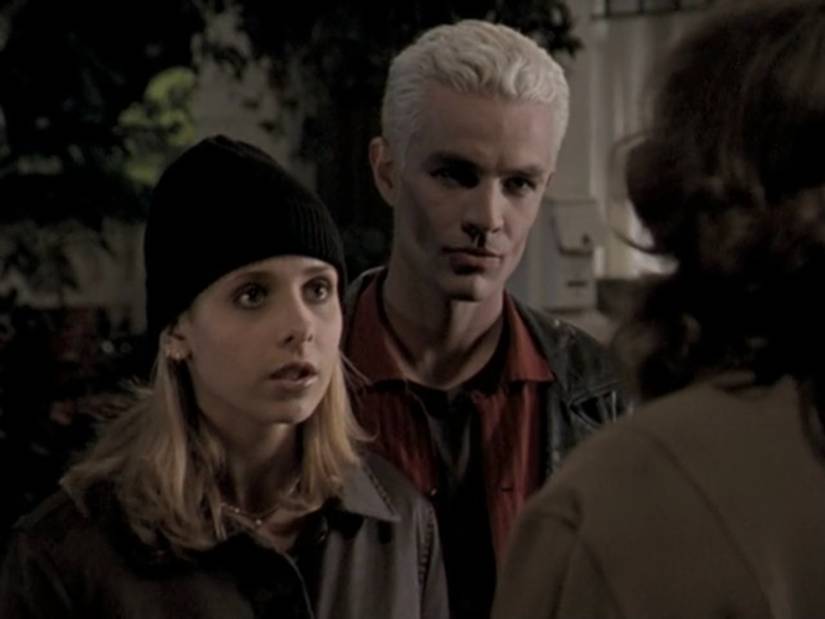
Some will argue this is Buffy‘s best season. Those people are entitled to their opinion.
I am a firm believer that Buffy should have ended with season 5. Season 6 marked a change in both networks and showrunners, as well as Anthony Head stepping down from the main cast. At the start of the season, that leaves Buffy broke, unemployed, adrift, depressed, and with surprisingly little support from her friends, most of whom assume everything is fine with her. That leaves Buffy struggling with both her life and her duties as a vampire slayer, particularly as she cannot seem to bring herself to care about anything.
Season 6 does include Joss Whedon’s widely beloved musical episode “Once More, with Feeling,” which is on the short list of candidates for the single best episode of Buffy and is absolutely the best thing about this season. You also apparently get a lot more out of season 6 if you are somehow invested in the relationship between Buffy and Spike, which shifts in this season from a one-sided obsession to a deeply toxic relationship.
If you are not a big Spuffy fan, then season 6 alternates between depression triggers and a nearly unwatchable hate story. Spike fans will argue that season 6 is the best one, since he spends so much of it on center stage, but it is a rough lift for anyone who likes any other character in the cast.
Season 7 (2002-2003)
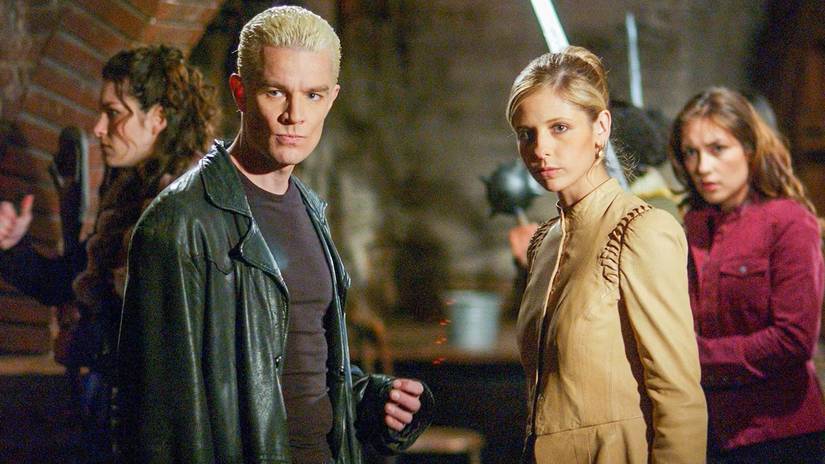
Joss Whedon returned as showrunner for what turned out to be Buffy‘s last season, but it plays out like no one knew it would be the final season until a third of the way through. The first seven episodes clear the deck and begin to rebuild the show almost from first principles, but then the final 15 race through a story that would have still felt briskly paced if they had another season and a half to tell it.
That is the big problem with season 7, which otherwise has a lot going for it. “Conversations with Dead People” is an incredible showcase for both the actors’ and writers’ skills, and the series finale — in which Buffy opts to share her power with every girl in the world who could have potentially been chosen as a Slayer — sends the show off on a high thematic note. It is just trying to do too much in the time it has, which makes it frustrating to watch.
Season 4 (1999-2000)
This is perhaps the second most controversial season of Buffy. With Buffy and Willow entering their first year of college, the show has to rebuild most of itself on the fly: the setting, supporting cast, core metaphors, and more. Buffy was conceived as a show that was essentially about high school, and removing that from the equation couldn’t help but slow its roll.
Worse luck: The costume design on season 4 comes off like someone lost a bet. Back when the show was first airing, that was always the first comment online about every episode regarding what these people were wearing.
More importantly, this is the season that introduces Riley Finn, who quickly becomes Buffy’s love interest. Riley is a big, corn-fed, honest guy who is easy to like. The problem is that he is not Angel, who had just left Buffy to star in his own eponymous spin-off. Riley, as the next guy in Buffy’s life after her original OTP, had no chance with the fans from the start.
It does not help that Riley is also an agent of the Initiative, a secret government organization that has stationed agents throughout Sunnydale. Long story short, it is Buffy‘s spin on the Alien franchise’s Weyland-Yutani and it goes almost as well here, leading to a final showdown between a fusion-danced Buffy and a demon-infused cyborg.
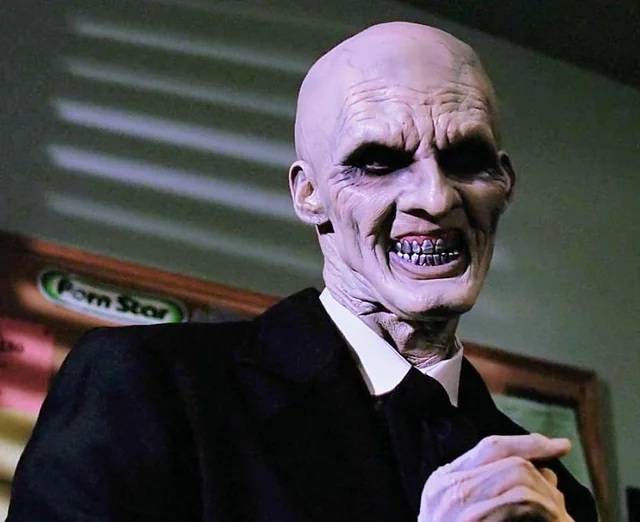
On the plus side, season 4 does feature “Hush,” a largely silent horror episode that features one of the show’s best one-off villains, the voice-stealing Gentlemen. Unfortunately, it is balanced by the widely disliked “Beer Bad,” an anti-teenage-drinking public service announcement that happens to star the cast of Buffy. The contrast between the two is a useful way to think of season 4 as a whole; it has Buffy at both its best and worst.
Season 1 (1997)
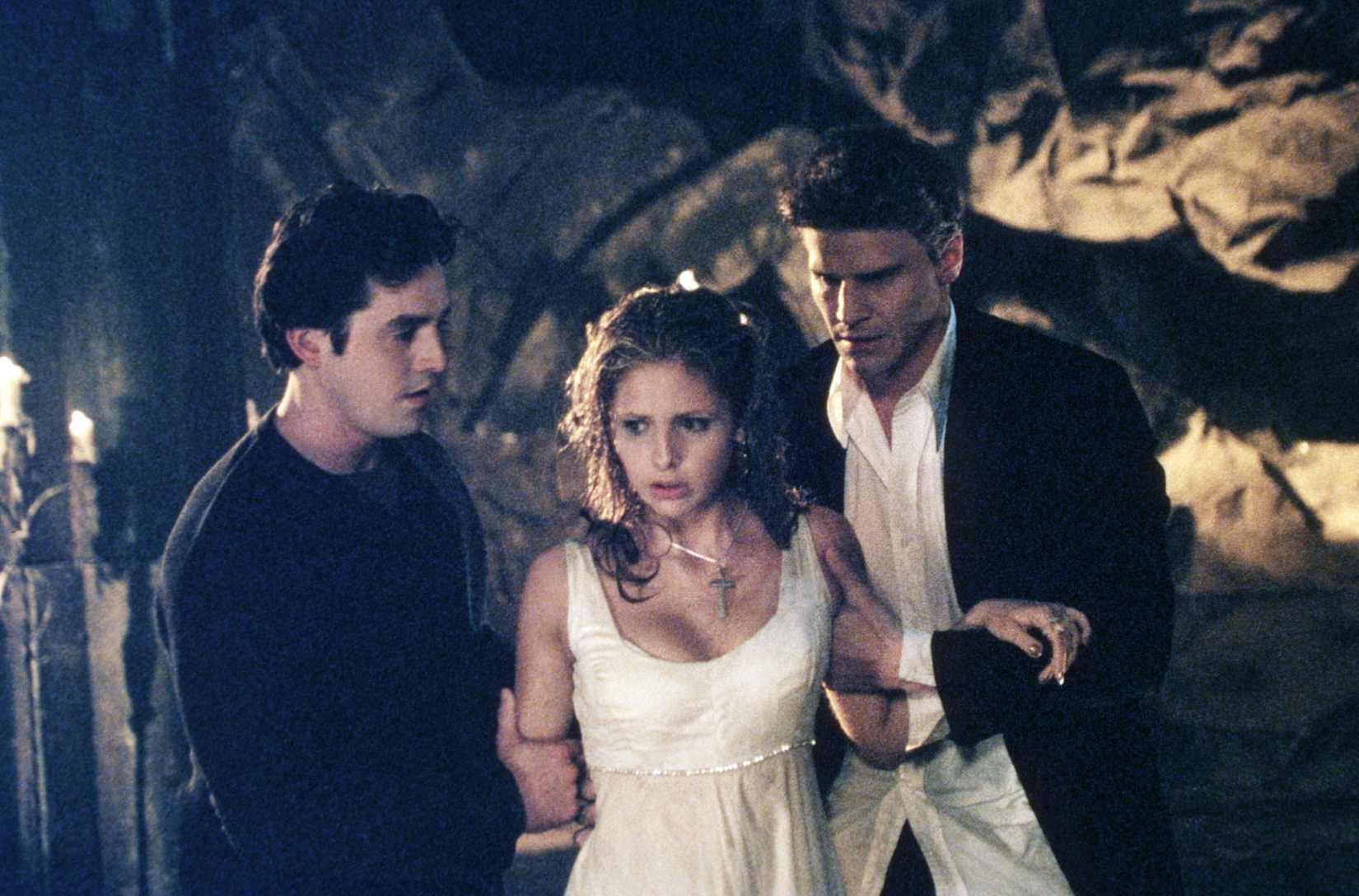
Buffy first aired as a mid-season replacement on the WB, so the first season is only 12 episodes long. Of those, seven are monster-of-the-week episodes without any thematic or narrative connective tissue. It is just Buffy and her pals starring in some random creature feature, which often does not even involve a vampire.
The bones of better Buffy are still here, however. It does not sound or work like any other show that was on the air at the time, with Joss Whedon’s trademark dialogue quickly taking center stage, and some of the scares in season 1 absolutely land. “Nightmares” is one of the most quietly effective horror episodes in TV history, especially if you are a child of divorce.
In comparison to what actually put Buffy on the map, though, season 1 just is not quite there yet. It belongs squarely in the middle of the chart.
Season 5 (2000-2001)
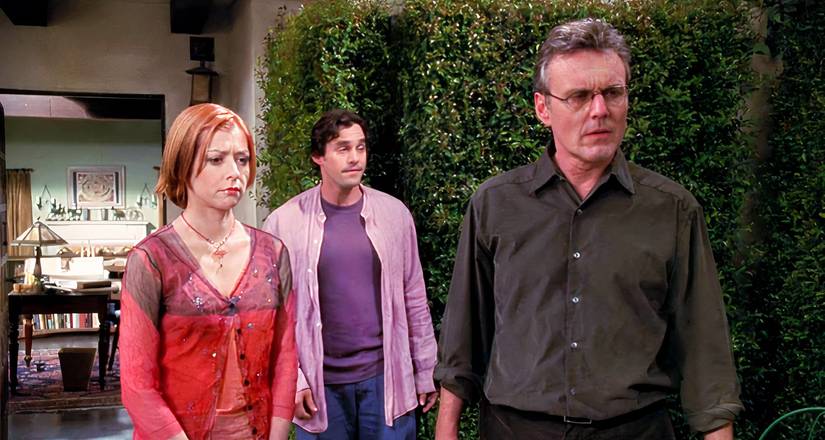
The last season of Buffy on the WB got off to a weird start, with a genuinely comedic showdown between Buffy and her universe’s spin on Count Dracula. As it turns out, “Buffy vs. Dracula” is all a lead-up to its final moments, which introduce Dawn. She is the little sister that Buffy genuinely did not have before that point. Something was up.
In a show that had already nicknamed its core squad the Scooby Gang, the fans immediately expected Dawn to be its Scrappy Doo: a late arrival who nobody liked. Instead, her in-universe retcon is the core of a storyline that puts Buffy and her friends up against the dark god Glory who is looking to trigger an apocalypse.
Season 5 might be the most consistent season of Buffy. The mystery about Dawn keeps the anticipation high until Glory takes center stage. From there, Buffy keeps the tension building, only stopping to deliver “The Body,” which is the single most emotional episode in the show’s entire run. Every other season of the show has at least one rough patch to get through, but season 5 stays on an even keel from start to finish.
Season 2 (1997-1998)
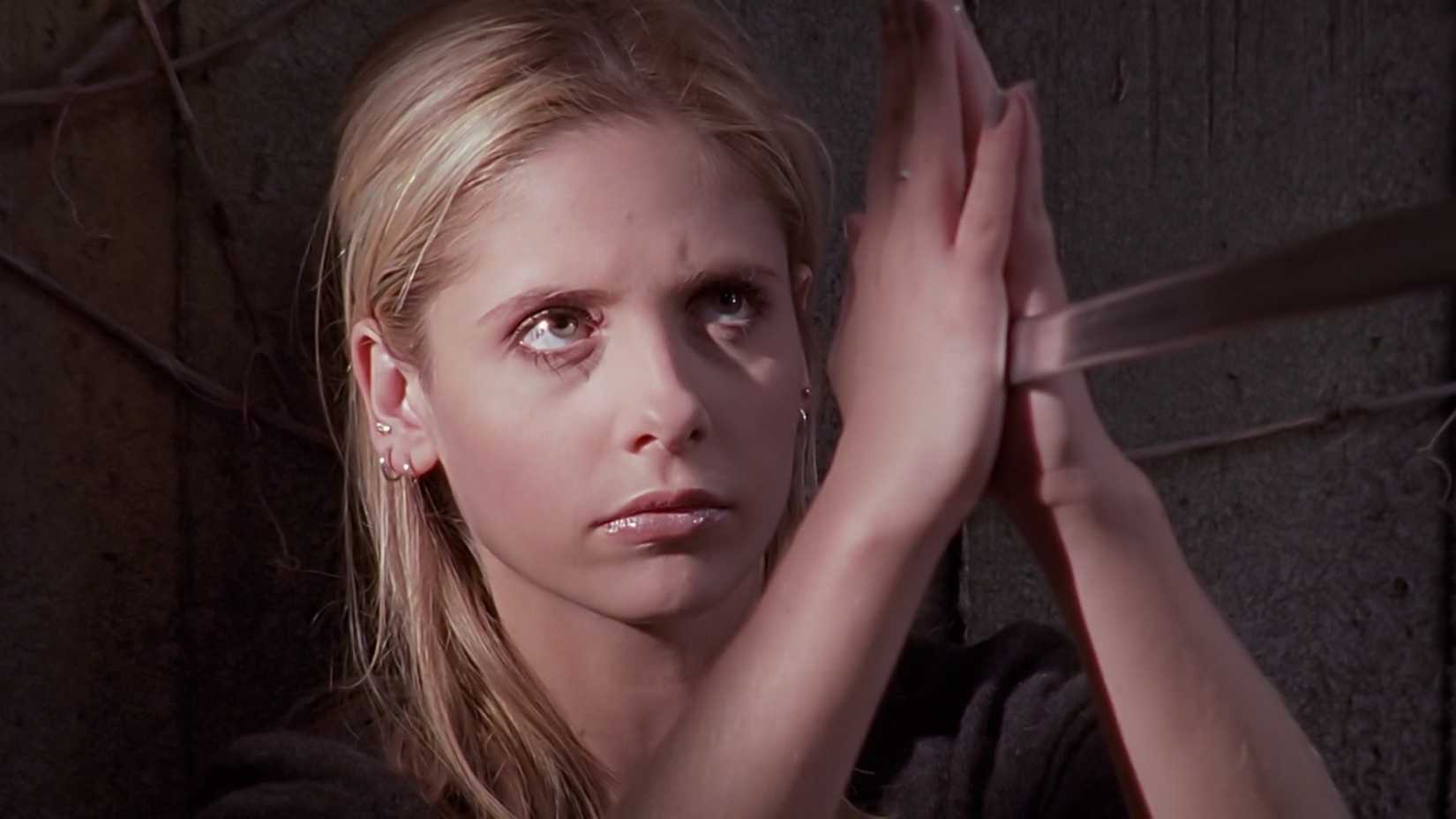
The only real problem season 2 has is that it takes a while to get off the ground. The first six episodes are largely a continuation of the first season, featuring a barrage of unremarkable monster fights and Spike, who unexpectedly became a core part of the show going forward.
“Lie to Me” is arguably the first bona fide classic episode in season 2, but the “Surprise” and “Innocence” two-parter is when Buffy goes from decent TV to an absolute must-watch. David Boreanaz at this point in his career turned out to be much better at playing a villain, so his abrupt turn to evil makes him more compelling than he had ever been before that point.
The only thing keeping season 2 from the top of the chart is its amount of dead air. It gets off to a slow start and there are several filler stories in the back half that really only work to forestall the confrontation between Buffy and Angel. The two-part finale “Becoming,” however, is one of the single highest points of the show as a whole, with a well-earned emotional climax and some of the show’s most powerful dialogue.
Season 3 (1998-1999)
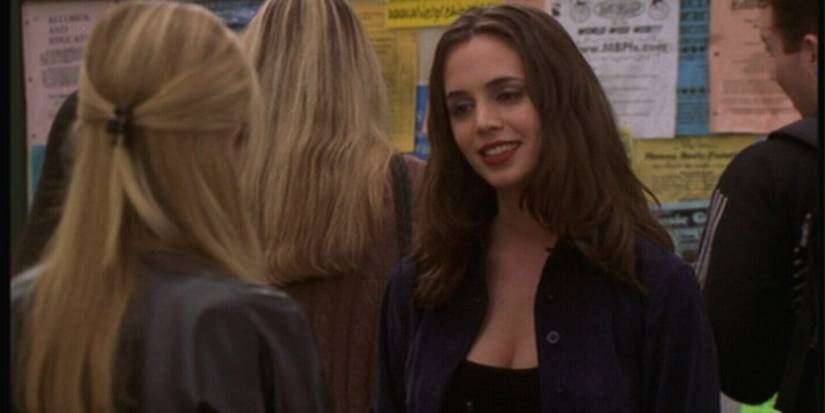
You can make an argument for either season 2 or 3 taking the top spot here, but season 3 has too many classics for me to entertain any other candidate. If you were to write a top-10 list of Buffy episodes, at least half of them would be from season 3.
That includes “The Wish,” an alternate-universe episode that is basically the Buffyverse’s Days of Future Past; “The Zeppo,” where Xander takes center stage in an off-kilter plot that is deliberately reminiscent of Rosencrantz & Guildenstern are Dead; “Dopplegangland,” starring Alyson Hannigan in a double role as both Willow and her evil vampire duplicate; and “Faith, Hope, and Trick,” which introduces Buffy’s fan-favorite rival Faith Lehane.
Season 3 isn’t all classics. It also features “Band Candy,” in which both Giles and Buffy’s mother Joyce are artificially regressed to teenagers, and “Gingerbread,” where a demon manipulates Sunnydale into an anti-witchcraft panic, which ends up feeling like a live-action South Park episode.
The all-time great episodes vastly outnumber season 3’s misfires, however, and it all leads up to the two-part finale “Graduation Day.” This is Buffy firing on all cylinders, with its classic cast firmly in place and with a solid grasp on its core concepts. It is genuine must-see TV.
Source: Polygon
Related articles
 Hacked PS5 Consoles Banned by Sony, Owners Warned of Risks
 Wuthering Waves Developers Propose Solution to Large Game File Sizes
 Former PlayStation Chief Criticizes Future of Disc-Based Games
 PS6 and Xbox Project Helix Face Memory Shortage Through 2028
 Xbox Lacks Exclusive GTA 6 Streaming Rights and PC Skips Cloud Version
 DIY Enthusiast Builds Miniature Arcade Machine Controlled by Toothpick
 Tencent Seeks to Develop Baldur’s Gate 3 and Elden Ring Rivals with Focus on Long-Term Studio Support
 Microsoft Reportedly Developing Multiple Next-Generation Xbox Helix Consoles