Project Helix: Everything We Know About the Next Xbox
The last five years have served as a period of radical transformation for the Xbox brand. While Microsoft’s gaming aspirations reached new heights with the monumental $67.9 billion acquisition of Activision Blizzard, the hardware side of the business has faced significant headwinds. Despite the Xbox Series X and Series S representing arguably the most refined consoles in the company’s history, they have struggled to find a foothold in the market, trailing behind the sales figures of the maligned Xbox One and falling significantly short of the PlayStation 5 and the record-breaking Nintendo Switch.
In response to these market pressures, Microsoft has largely dismantled the traditional walls of console exclusivity, bringing foundational franchises like Halo, Forza, and Gears of War to wider audiences. The focus shifted toward Game Pass as the primary ecosystem, yet the service appears to have reached a growth plateau before becoming fully self-sustaining. Ironically, while Microsoft has finally resolved the first-party software drought that hindered the previous era, it now lacks a dedicated hardware stronghold to house these titles, often finding more success on PC and even rival platforms like the PS5.
Given this landscape, skeptics have been quick to forecast the demise of the Xbox console. However, Microsoft has already confirmed that its hardware journey is far from over. As we look toward the next generation, here is everything we currently know about the future of Xbox hardware.
What is the latest news regarding the next-generation Xbox?
Microsoft has officially acknowledged its upcoming hardware, currently operating under the codename “Project Helix.” Asha Sharma, the newly appointed CEO of Microsoft Gaming, confirmed that this next-generation device will bridge the gap between ecosystems by natively supporting both “Xbox and PC games.” This move validates long-standing industry speculation that Microsoft intends to merge its gaming platforms into a more unified experience.
Sharma emphasized that Project Helix is being designed to “lead in performance.” This aligns with Microsoft’s previous assertions that their next machine will be a “very premium, high-end” device. Industry whispers suggest that Redmond is aiming to leapfrog the technical capabilities of the next PlayStation, even if it necessitates a steeper retail price.
While specific details remain guarded, the formalization of the “Project Helix” moniker suggests Microsoft is moving aggressively to maintain fan loyalty. Sharma indicated that further discussions with industry partners are slated for the Game Developers Conference, centered around a vision for “Building for the future with Xbox.”
 Image: Microsoft
When can we expect the launch of Project Helix?
Current projections, fueled by insights from AMD’s executive leadership and reporting from Windows Central, suggest a tentative release window in late 2027. This timeline adheres to the traditional seven-year lifecycle for home consoles, given the Series X/S launched in late 2020. This target was originally expected to coincide with Sony’s PlayStation 6 launch.
However, the hardware landscape has become complicated. Rumors suggest Sony may delay the PS6 until 2028 or 2029, as the global “RAM crisis”—driven by the insatiable demand for AI data centers—has led to chip shortages and inflated manufacturing costs. While Microsoft is also impacted by these market forces, the company may choose to maintain its 2027 target to gain a competitive head start, echoing the successful strategy used with the Xbox 360.
What will the price point be for Project Helix?
Pinpointing an exact MSRP this far in advance is nearly impossible, especially with the current instability in the global electronics market. Even established players like Valve have struggled to finalize pricing for upcoming hardware due to fluctuating component costs.
That said, consumers should prepare for a significant investment. The Xbox Series X has already seen price hikes in several regions, currently sitting around $650. It is highly improbable that a significantly more powerful successor would debut at a lower price point. Former executive Sarah Bond described the machine as a “very premium” device, a clear indicator of a high-end price tag. If the console truly functions as a high-powered Windows gaming PC, we could see pricing closer to the $1,000 mark seen in high-end handhelds like the ROG Ally X.
Will Project Helix effectively be a PC?
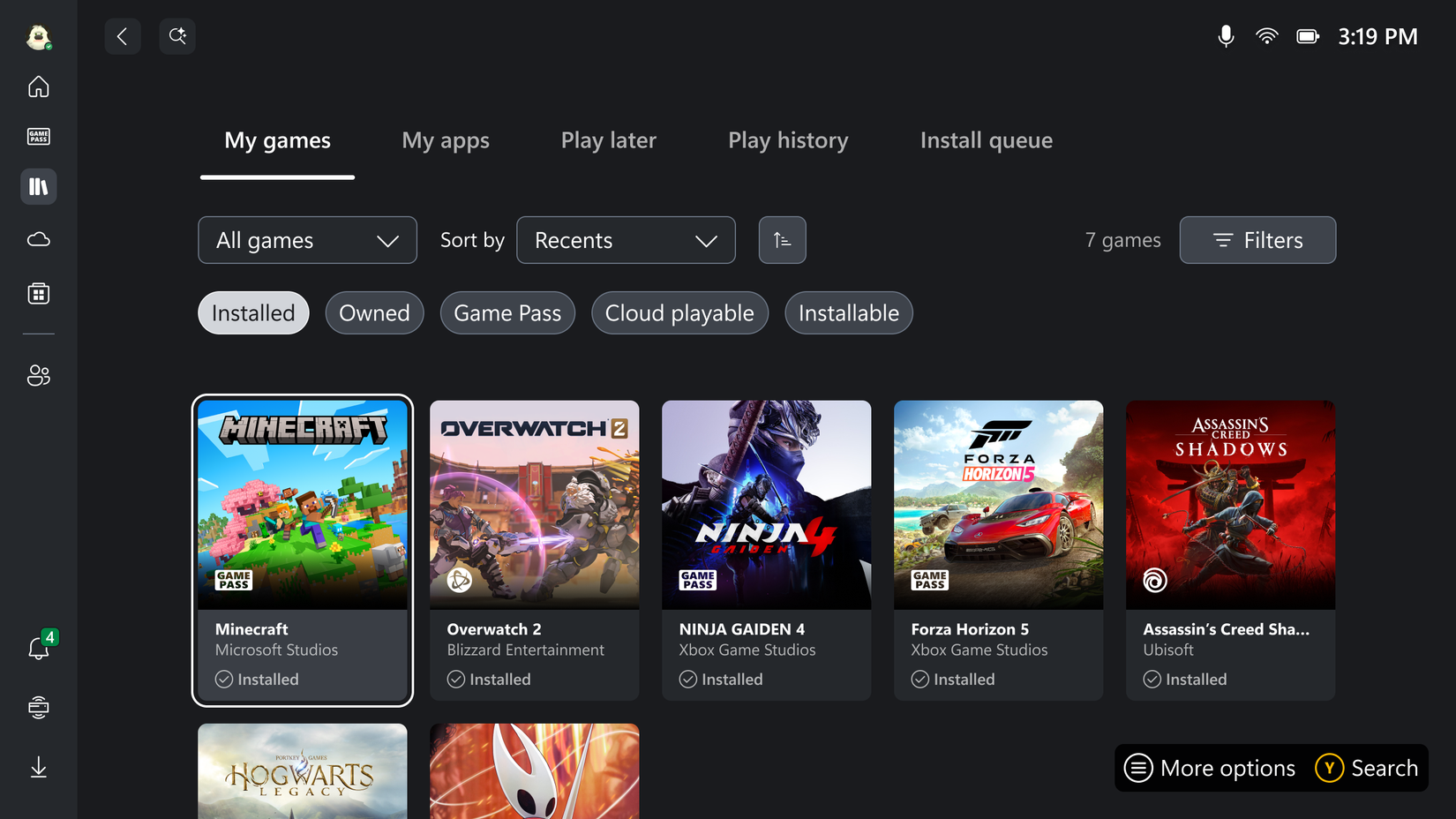
In many ways, the answer is yes. Microsoft’s confirmation that the device will support PC libraries suggests a Windows-centric architecture. Reports indicate that the current Xbox “Full Screen Experience” on handheld devices serves as a prototype for the next console’s interface—providing a controller-friendly layer over a Windows backbone.
This approach offers immense potential: Project Helix could become an open ecosystem, allowing users to access external storefronts like Steam, Epic Games Store, or Battle.net. However, the challenge lies in refinement. Windows was not originally designed as a lean console OS, and Microsoft will need to significantly optimize the user experience to ensure it matches the speed and fluidity of a dedicated console interface.
Will it offer backward compatibility?
Yes. Microsoft has made it clear that preserving digital libraries is a core pillar of their hardware strategy. Sarah Bond has publicly committed to maintaining compatibility with existing Xbox catalogs, even as the hardware shifts toward a more PC-like structure. This ensures that the massive investment players have made in their digital libraries over the last two decades remains secure.
What games will be available on Project Helix?
While a definitive launch lineup is still years away, the software strategy for Project Helix will be unique. It is possible that “exclusivity” as we know it will cease to exist; instead, the console’s strength will lie in its ability to run virtually any PC title alongside specialized Xbox releases.
Speculative heavyweights include The Elder Scrolls 6 and perhaps a ground-up reboot of the Halo franchise. We also expect next-gen powerhouses from third-party partners, such as Larian Studios’ next project or CD Projekt Red’s The Witcher 4, to serve as technical showcases for the new hardware.

What are the technical specifications?
While deep technical details are under wraps, Microsoft has confirmed a continued partnership with AMD. Project Helix is rumored to utilize AMD’s upcoming Zen 6 CPU architecture and RDNA 5 GPU technology. The baseline target for the generation appears to be a consistent 4K resolution at 120 frames per second.
More intriguingly, reports suggest Microsoft is intentionally over-engineering the device to significantly outperform the PlayStation 6. Analysts indicate the hardware may feature a larger silicon die and a design philosophy more akin to a workstation than a traditional console. This tallies with Sarah Bond’s 2024 comments, where she promised “the largest technical leap” ever seen between hardware generations. Whether this high-performance, high-cost strategy will capture the mass market remains the industry’s biggest unanswered question.
Source: Polygon
Related articles
 God of War Creators Considered a Different Name for Kratos, but Pizza Jokes Derailed the Plan
 Shrek 2 Remastered System Requirements Call for RTX 50 GPU, Players Mock Specs
 A Mass Effect 5 Trailer Featuring Liara Seems to Have Leaked After BioWare’s Shutdown
 Fan-Made Port Brings The Legend of Zelda: Link’s Awakening Remake to Android
 Genshin Impact 7.2 Update Presentation Will Air at Unusual Time, Teaser Says
 Capcom Veteran Says Resident Evil – Code: Veronica Hurt the Franchise and Pushed RE5 and RE6 Toward Action
 Bleach Poster Released for Finale of “Thousand-Year Blood War” Anime
 Blood of Dawnwalker’s Huge Update Is Finally Here, and the Complete Changelog Is Wild