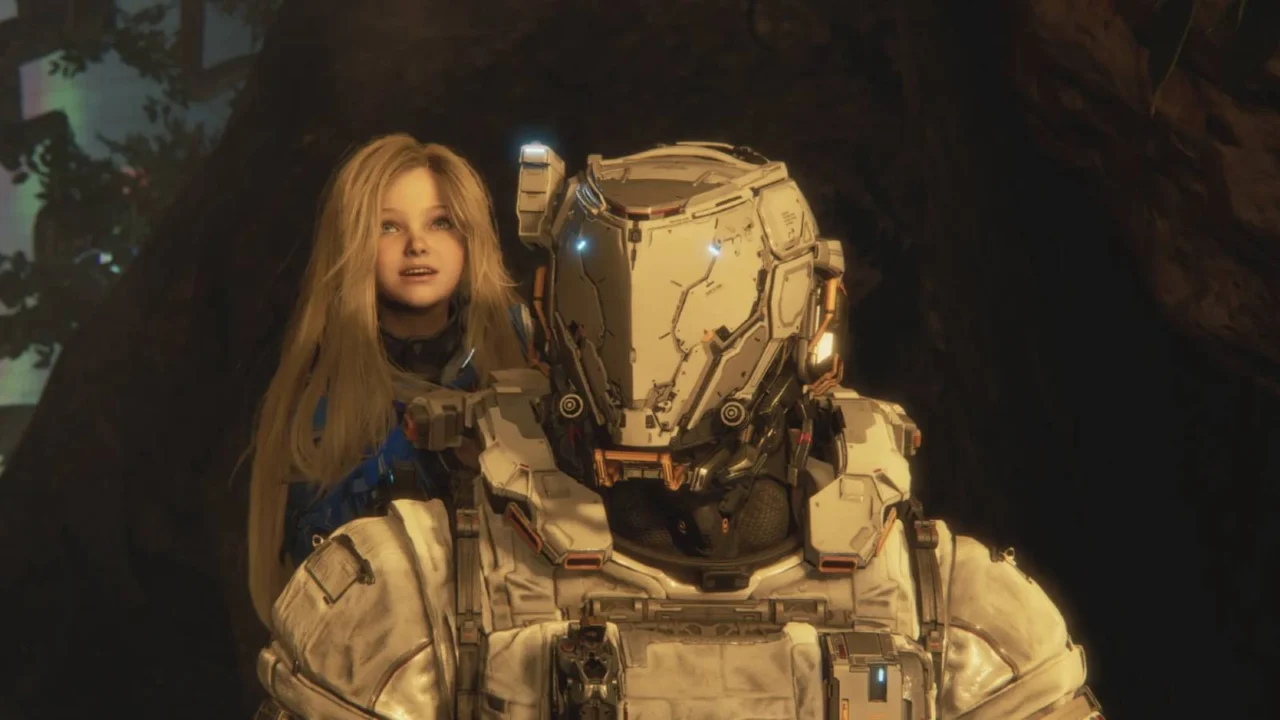
Pragmata Review: Shooting for the Moon and Sticking the Landing
Earlier this month, a crew of astronauts completed a lunar orbit, marking the first human-crewed expedition beyond Earth’s influence since 1972. While they didn’t touch down on the surface, the mere spectacle of pushing past our atmosphere into the void is inherently mesmerizing. In a world often overshadowed by conflict, there is something profoundly inspiring about humanity’s persistent drive to explore the unknown. Every mission to our celestial neighbor brings us closer to unraveling the mysteries of that barren rock while reminding us of the sheer potential of our species.
I, too, found myself on a lunar excursion this month—though my journey involved dodging lethal machines rather than studying crater geology.
Stepping into the boots of Hugh, an astronaut in Capcom’s Pragmata, I landed on a version of the moon already colonized by a human research facility under the control of the Delphi Corporation. My mission was markedly different from the Artemis 2 crew; rather than dealing with the mundane realities of orbital life, I spent my time fending off waves of aggressive, 3D-printed robots commanded by a corrupted AI. I sincerely hope our real-world astronauts never face such hostility.
Pragmata has been a long time coming. For years, anticipation was fueled by little more than cryptic trailers and promises of polish. Since its initial reveal during the June 2020 PlayStation 5 showcase, the industry has shifted toward the next generation of hardware. Yet, Pragmata serves as a poignant reminder that true innovation cannot be rushed. It requires steady, incremental progress before one can finally make that proverbial giant leap.
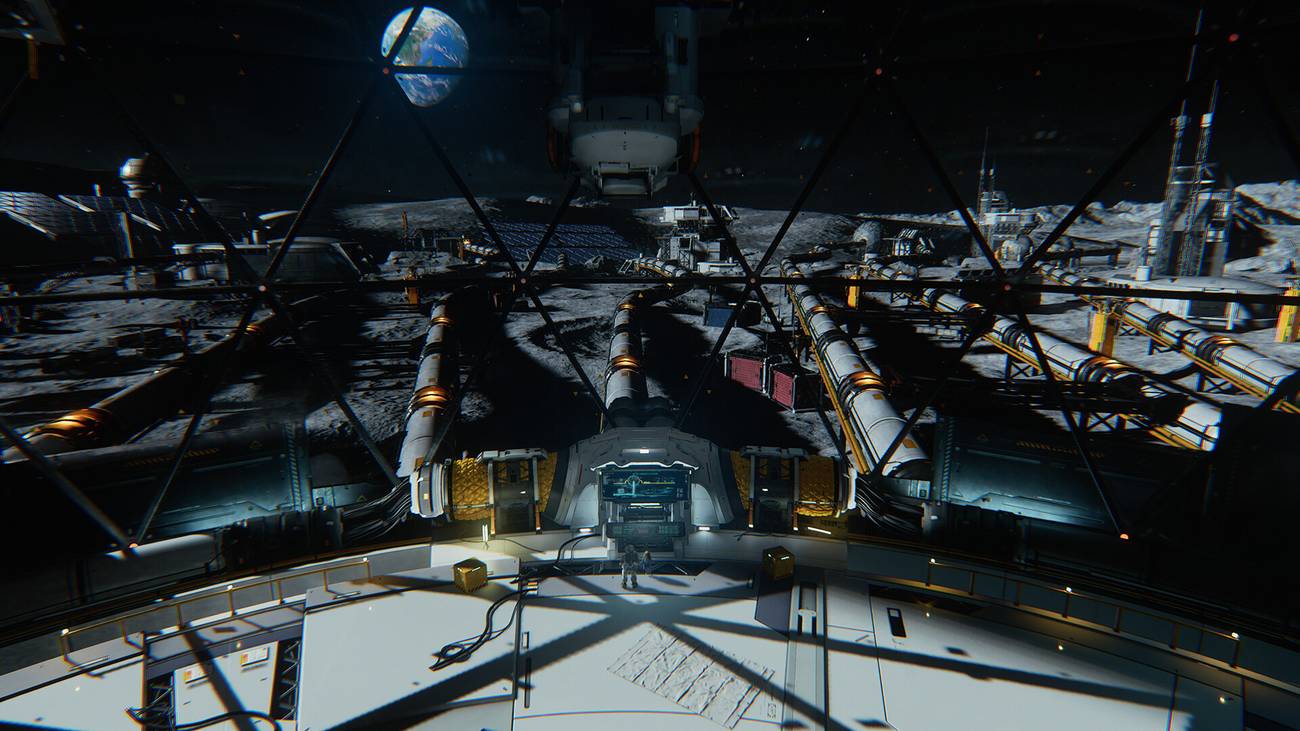
Image: Capcom
Hugh is accompanied by Diana, a young android whose presence is central to both the narrative and the mechanics. Their bond, which deepens as they investigate the facility’s downfall, provides the game’s emotional core. However, the true standout is the game’s inventive combat system. By blending traditional third-person shooting with a rhythmic hacking minigame, Pragmata creates a gameplay loop that feels remarkably fresh.
Because every enemy is a machine, they are vulnerable to hacking—a necessity for survival. Without a successful hack, Hugh’s weaponry is essentially ineffective. When you target a foe, Diana begins a hacking sequence on a grid, guiding a cursor toward a green node to expose the enemy’s weak points. Only once these are revealed can Hugh inflict meaningful damage.
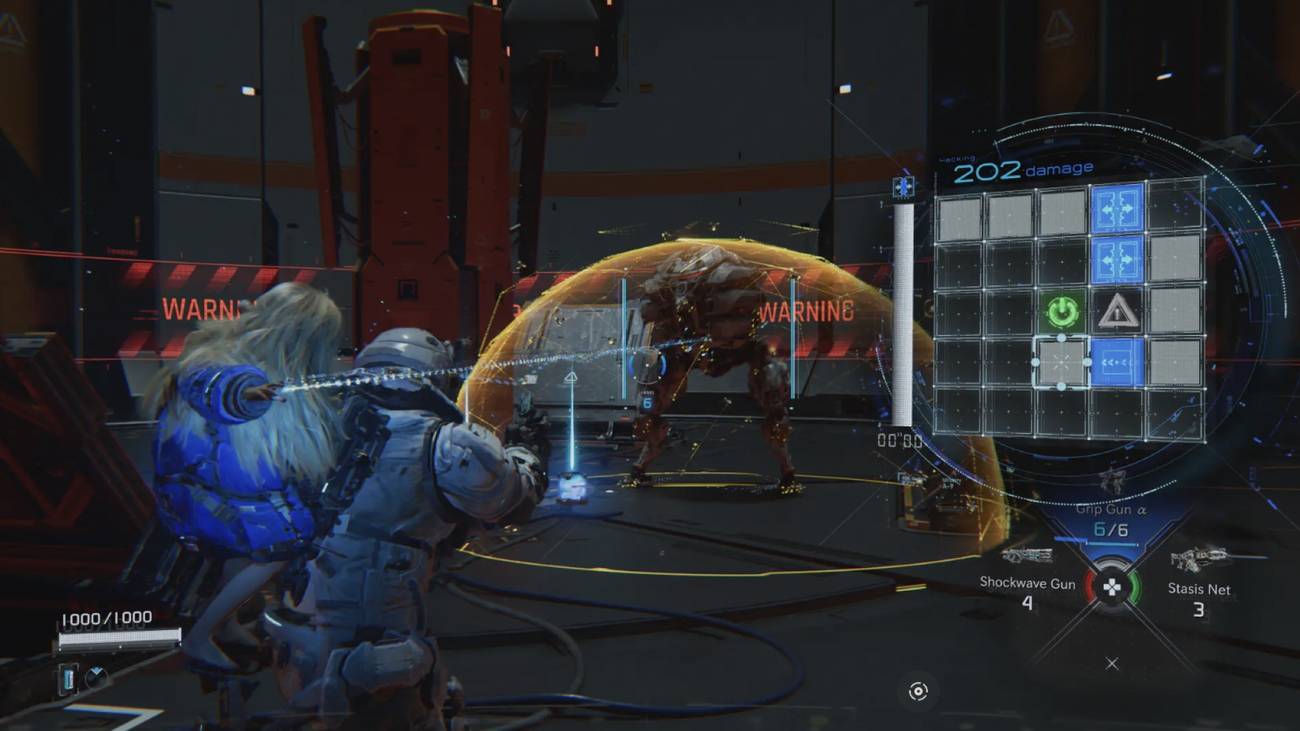
Image: Pragmata
The system is surprisingly intuitive. Though I was initially skeptical of using face buttons to navigate a grid while controlling movement, it soon became second nature. Eventually, I was dancing around the battlefield—dodging, aiming, and solving puzzles simultaneously. Because the game never pauses, this process is constantly fraught with tension. There is no hiding behind cover to take a breather; you are forced to stay on the move, maintaining a delicate balance between survival and technical sabotage.
As you progress, the hacking mechanics grow in complexity. You’ll collect upgrade nodes that introduce tactical variety: some confuse robots into friendly fire, while others anchor them in place. The “multi-hack” node, which spreads the effect to nearby threats, became a staple of my arsenal, as it turned overwhelming swarms into manageable encounters. Combined with an array of weapons—from high-impact shockwaves to grenade launchers—the combat feels like a deep, strategic playground.
While the mechanical loop is brilliant, the narrative beats occasionally feel derivative. The themes of AI rebellion and corporate surveillance have been explored extensively since The Terminator first hit screens in 1984. Furthermore, the game’s focus on 3D printing feels a bit dated in an era where the technology has become commonplace. However, the environmental design—which allows the game to leap from drab lunar hallways to recreations of neon-lit cityscapes like Times Square—keeps the visual experience from becoming repetitive.
Ultimately, Pragmata succeeds because it is willing to challenge genre norms. Much like the real-world drive to return to the moon, the game demonstrates that revisiting well-trodden territory—like the third-person shooter—can still yield revolutionary discoveries if you are willing to tinker with the formula. It is a testament to the idea that we can never truly know the potential of what lies beyond the horizon if we stop pushing our boundaries.
Pragmata launches April 17 on Nintendo Switch 2, PlayStation 5, Windows PC, and Xbox Series X. This review was conducted on PS5 via a code provided by the publisher.
Source: Polygon
Related articles
 DOOM Composer Discusses Conditions for His Return
 PlayStation Store Price Increases Raise Global Concerns Among Gamers
 Arc Raiders ‘When Everything Falls’ Quest Walkthrough
 Sony Announces All-Black PS5 Console for November Release
 Kenshi Yonezu Sets New Record as Chainsaw Man Jane Doe Music Video Hits 100 Million Views
 ARC Raiders Sees Surge in Steam Popularity
 Games Workshop Unveils New Skeleton Horsemen Miniature Set for Warhammer: The Old World
 Crystal Lake Is a Surprisingly Good Friday the 13th Prequel Series