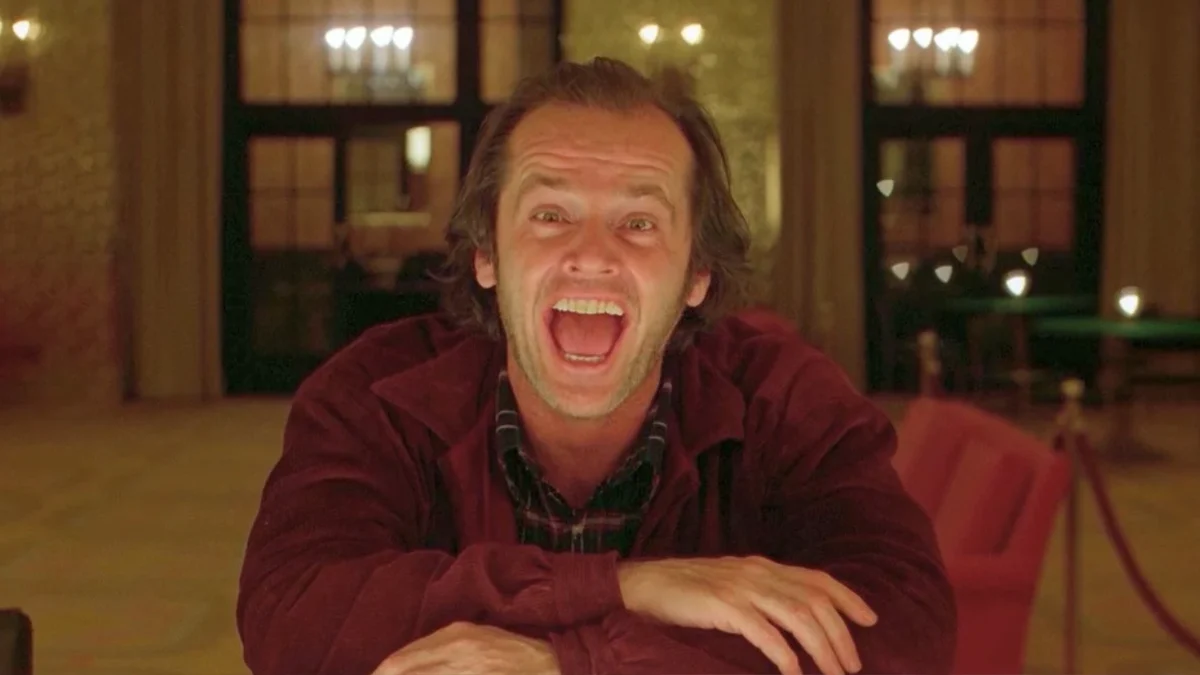
Polygon Lists Five Essential Horror Books for Readers
Horror books open the door to chilling worlds. Some stories take place in the distant future. Others turn everyday anxieties into something relatable. In classics like Dracula, literal monsters stand in for pestilence and xenophobia. In The Last House on Needless Street, the fear has no physical source, and trauma shapes an unreliable protagonist.
The horror genre also challenges problematic social norms and builds empathy for people in extreme situations. Plenty of classics are essential to understanding it. The five books below span a range of tastes, and each deserves a read at least once.
1. Carmilla (1872) by Sheridan Le Fanu
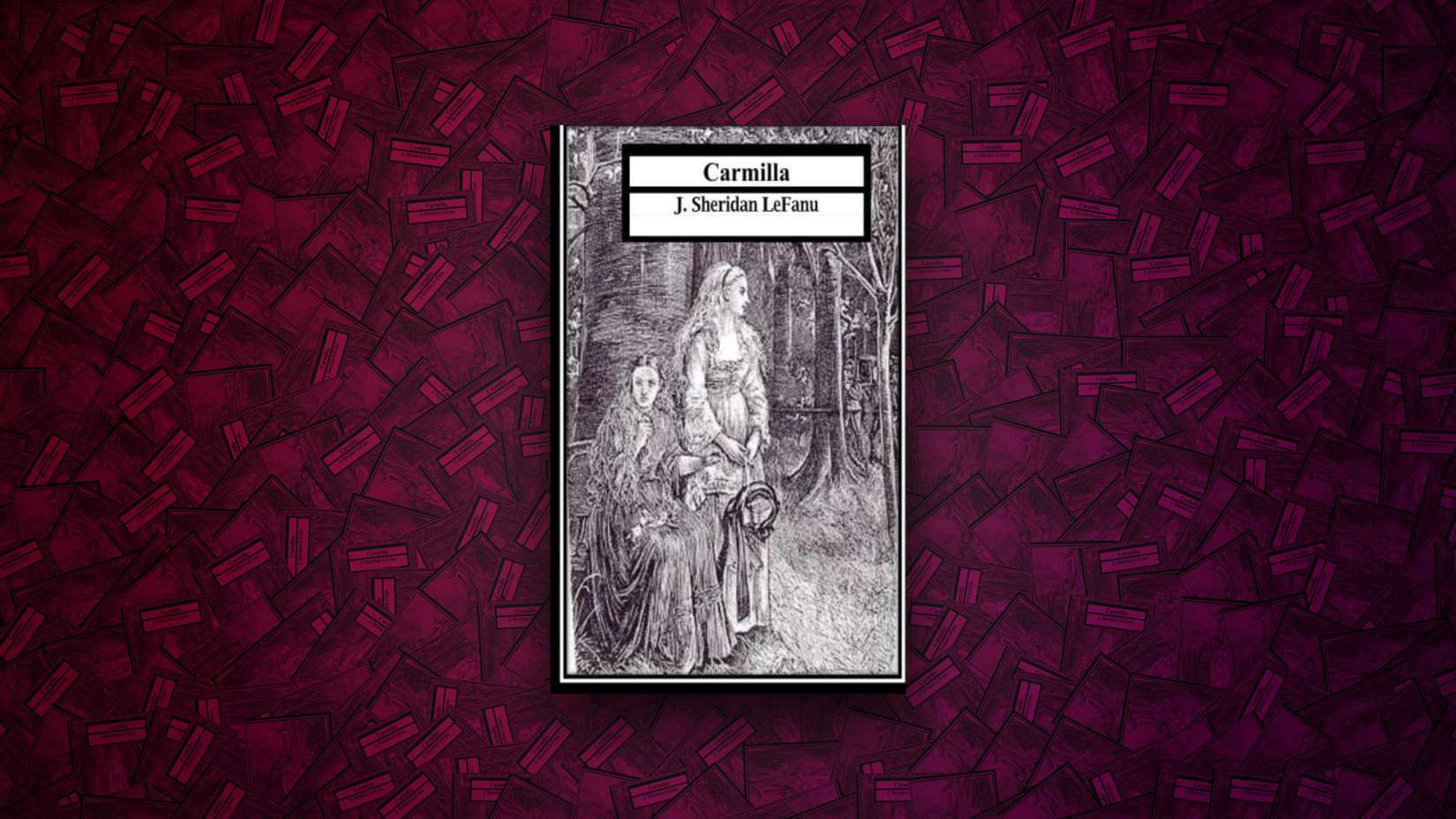
Popular culture treats Bram Stoker’s Dracula as the definitive vampire novel. Joseph Sheridan Le Fanu’s Carmilla came out more than two decades earlier. The underrated Gothic novella shaped key parts of Stoker’s novel and features one of the first female vampires in fiction. It takes place in 19th-century Styria, where a young woman named Laura forms a strange friendship with the unpredictable Carmilla. Carmilla looks and acts like a mortal woman, for the most part. The bond between them is clearly sexually charged, which makes Carmilla a foundational text in queer literature, even though Le Fanu’s treatment is quite conservative.
Carmilla herself is a complex enigma. She comes from an aristocratic background, targets only women, and draws them into obsessive relationships that end in tragedy. The novella includes traditional vampire tropes, such as her ability to turn into a beast and her habit of manipulating victims. Le Fanu builds tension with a suffocating atmosphere, and the fear grows because Laura doesn’t know what we know about Carmilla’s true nature. Beyond working as a fast-paced horror novella, Carmilla examines how Victorian society treated female sexuality and pathologized it.
2. The Haunting of Hill House (1959) by Shirley Jackson
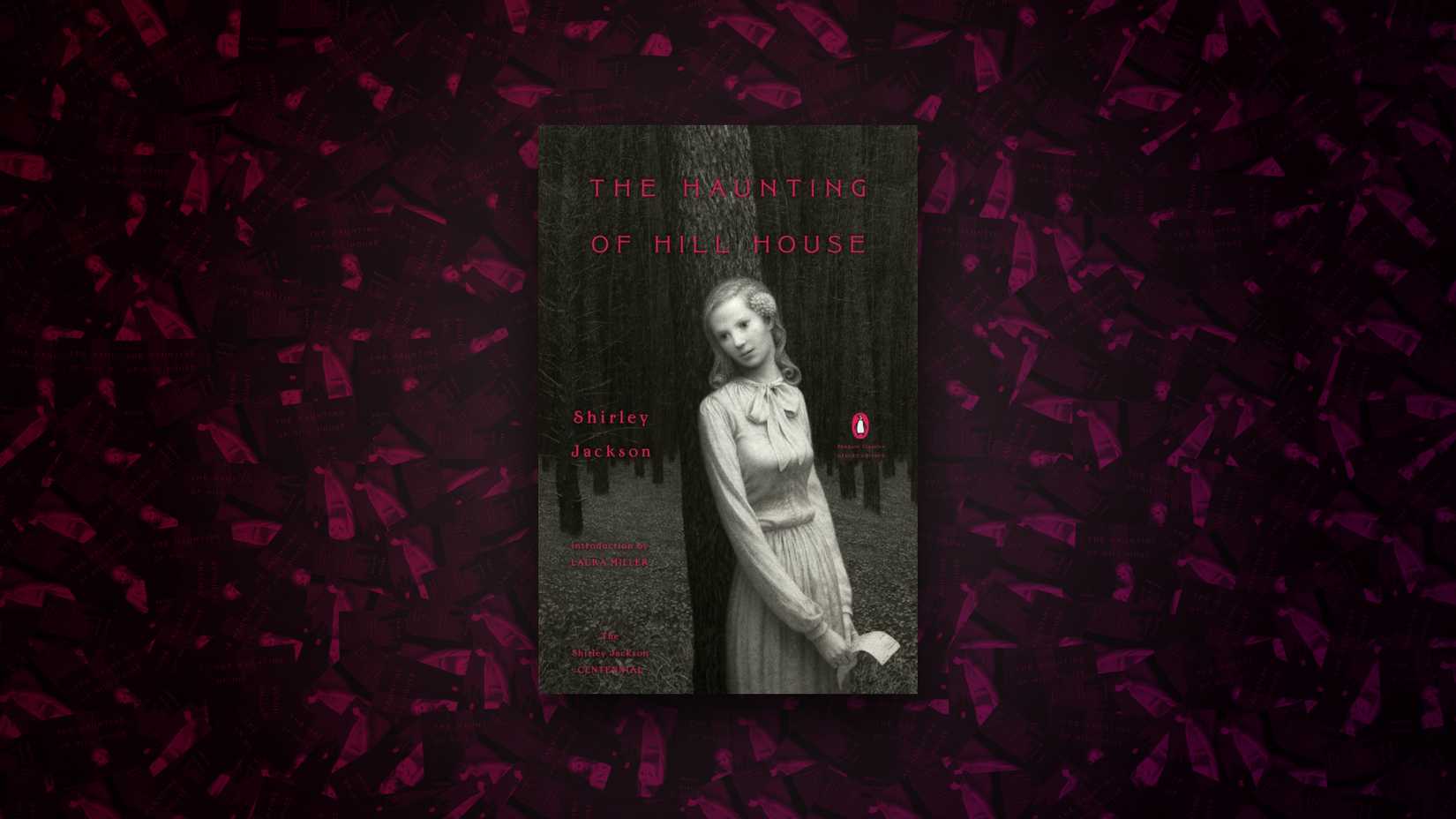
Mike Flanagan’s The Haunting of Hill House is a heartbreaking meditation on grief, and it departs significantly from Shirley Jackson’s source material. Jackson’s Gothic horror novel presents Hill House as a malevolent entity that actively steers events around protagonist Eleanor Vance. John Montague, an investigator of the supernatural, invites Eleanor to the house along with the artist Theodora and Luke Sanderson, the heir to Hill House. Their task is to determine whether the estate or its grounds are haunted. As the research goes on, they begin to experience strange events that defy explanation.
Jackson skips tangible ghosts and jump scares. She leans on ambiguity instead, through characters who are vulnerable to the house’s malevolent energy. Readers are left with lingering questions about what Eleanor actually experiences, since her questionable mental health adds to the strangeness. The novel is also a prime example of horror without frightening monsters. Fear shows up as an abstract feeling with no designated source. The book pioneered the “people are haunted by their trauma” trope that Flanagan draws on and fleshes out in his brilliant interpretation.
3. Uzumaki (1998) by Junji Ito

Junji Ito‘s Uzumaki ranks among the most influential horror manga ever written. Ito has long been fascinated by Lovecraftian lore, and he uses it to chilling effect in this small-town horror story that is impossible to forget. High-school students Kirie and Shuichi notice that their quiet town of Kurouzu-cho has become obsessed with spirals. Bodies mutate into grotesque monsters. Townsfolk turn into spirals and die. A huge spiral pattern forms whenever the dead are cremated inside an abandoned lighthouse. These events are only the start of a horrific nightmare that was doomed to unfold and change the protagonists’ lives forever.
Uzumaki works because the horror feels inescapable. Readers want Kirie and Shuichi to leave town or find a way out of the spiral curse. That is easier said than done, since Ito injects the spiral madness into the mundane. His hyper-detailed art delivers terrifying body horror, with people twisting, elongating, and merging into one another as the curse intensifies. The events defy logic and touch every living thing in the town, so the story unfolds as a tragedy that cannot afford a happy ending.
4. The Shining (1977) by Stephen King
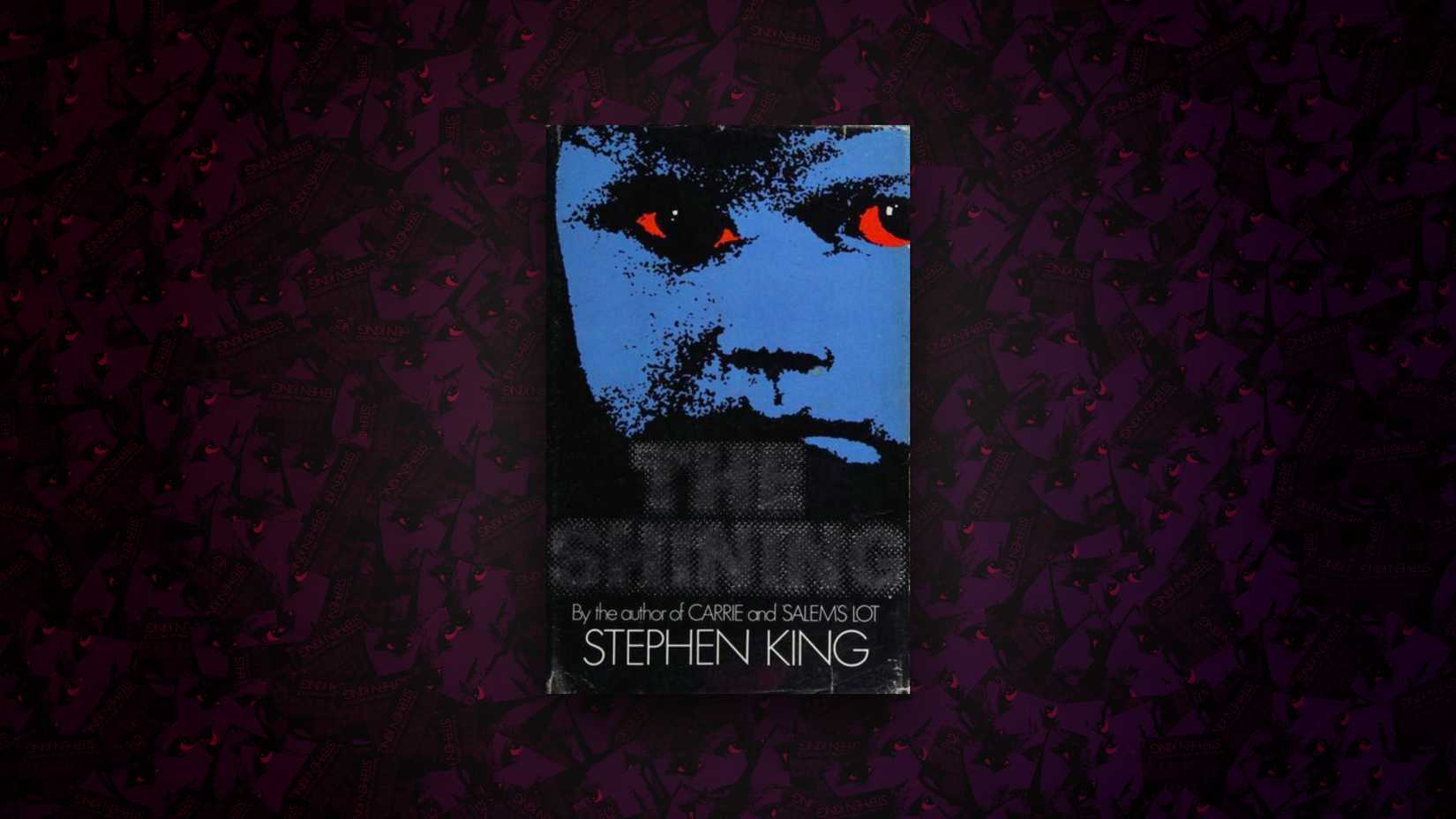
Stanley Kubrick’s The Shining left an important legacy, even though Stephen King famously didn’t like it. The film looks nothing like the book, yet it showcases fear and the many forms it can take in an isolated setting. King’s novel is much more intricate in how it explores Jack and Wendy Torrance’s time at the Overlook Hotel, which feels sentient on the page. Jack takes the caretaker job while struggling with writer’s block and alcoholism. Things turn dark once a winter storm leaves the Torrance family snowbound.
In the book, King explores “the shining,” a psychic gift that directly drives character motivations and events and extends across many of his other stories. The writing also feels deeply personal. King draws on his own stay at the Stanley Hotel and on his early struggles with alcoholism. That background gives Jack startling realism, so he never reads as a trope-heavy caricature. The Shining is also the gold standard for one-location horror, where real ghosts and psychological anxiety go hand in hand.
5. Interview With the Vampire (1976) by Anne Rice
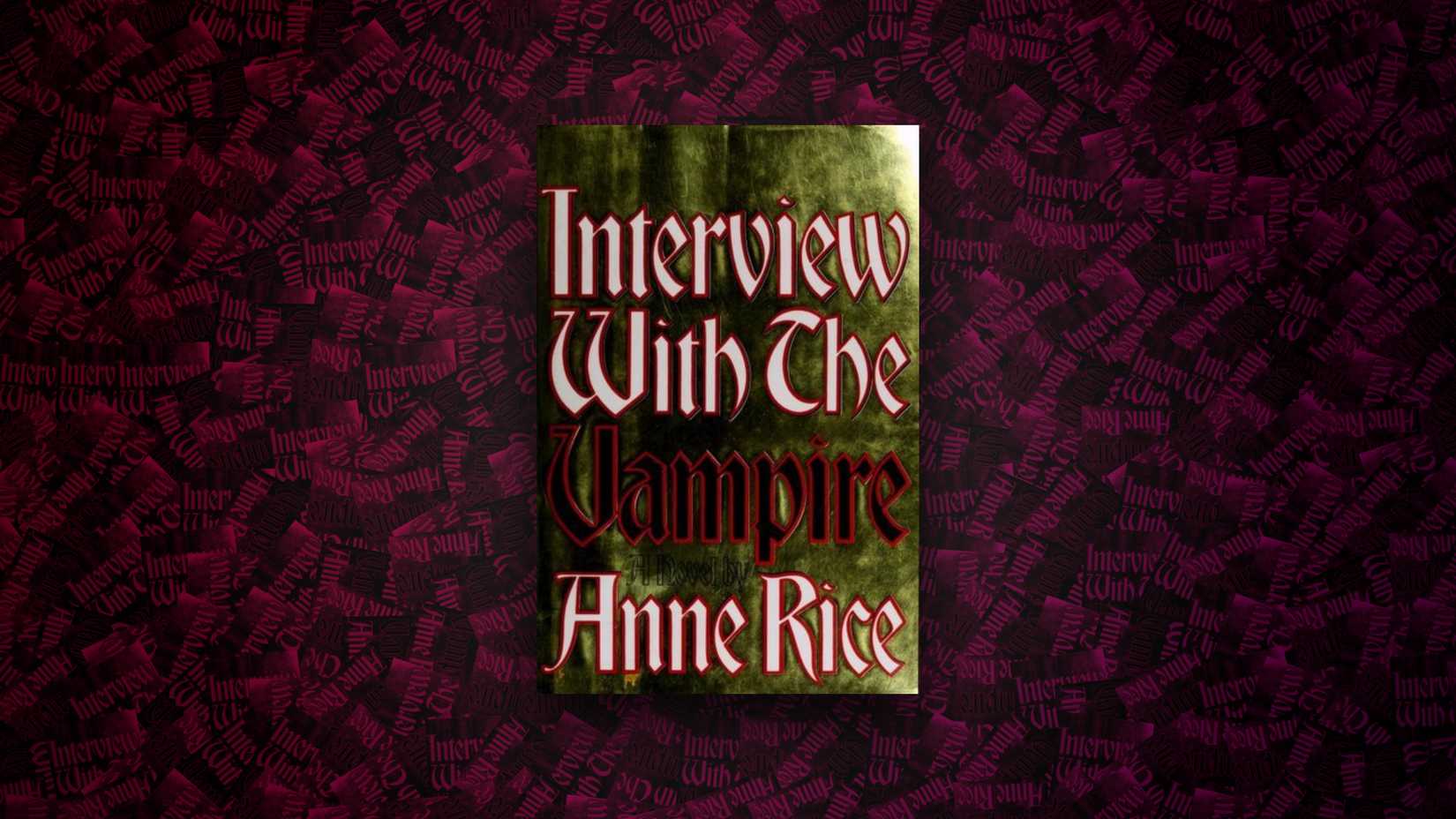
Anne Rice’s foundational gothic horror novel, Interview with the Vampire, has been adapted twice so far. The 1994 Tom Cruise and Brad Pitt film reads the text as melodrama, while the revamped AMC series is nothing short of brilliant. Rice’s book became the first entry in the widely celebrated The Vampire Chronicles. The series centers mainly on Lestat de Lioncourt, an ancient vampire who thrives on debauchery and hedonism. Interview with the Vampire follows Louis de Pointe du Lac as he tells a reporter his life story and explains how he became a vampire decades ago.
Rice’s book is far from perfect, but vampire fans should still read it. Readers can identify with both the monster and the victim, since each has a rich inner life and complicated motivations. Vampirism brings near-immortality, which makes loneliness an inescapable part of life. Rice explores that agony and how it fuels everyday hunger, which is also tied to sexuality. The novel gets credit for a resurgence of vampires in modern pop culture. Few vampires enjoy the same cultural significance as Lestat, who remains one of the most morally complex monsters in fiction.
Source: Polygon
Related articles
 The Expanse: Osiris Reborn Developers and Shepard Voice Actors Back Fan Campaign to Save Mass Effect
 Sony Patents Technology That Could Warn PS6 Players of Danger With Vibration
 Xbox Set to Get Nearly 40 New Games in Coming Days, Including Some Unexpected Releases
 Popular YouTuber Reportedly Breaks Rockstar Agreement Over GTA VI Access
 Japanese Gamers Buy New Releases in Large Numbers as Newcomers Take Entire Sales Podium
 Enthusiasts Find Unusual Way to Run Steam Games on PS5 Without a PC
 Enthusiasts Find Hidden Potential to Nearly Double Performance of NVIDIA RTX 20, RTX 30 and RTX 40 GPUs
 Canceled Mass Effect Universe Was Built Around “Absolute Autonomy,” Franchise Technical Director Says