
No Man’s Sky Cosmos adds station management, alliances and orbital bases
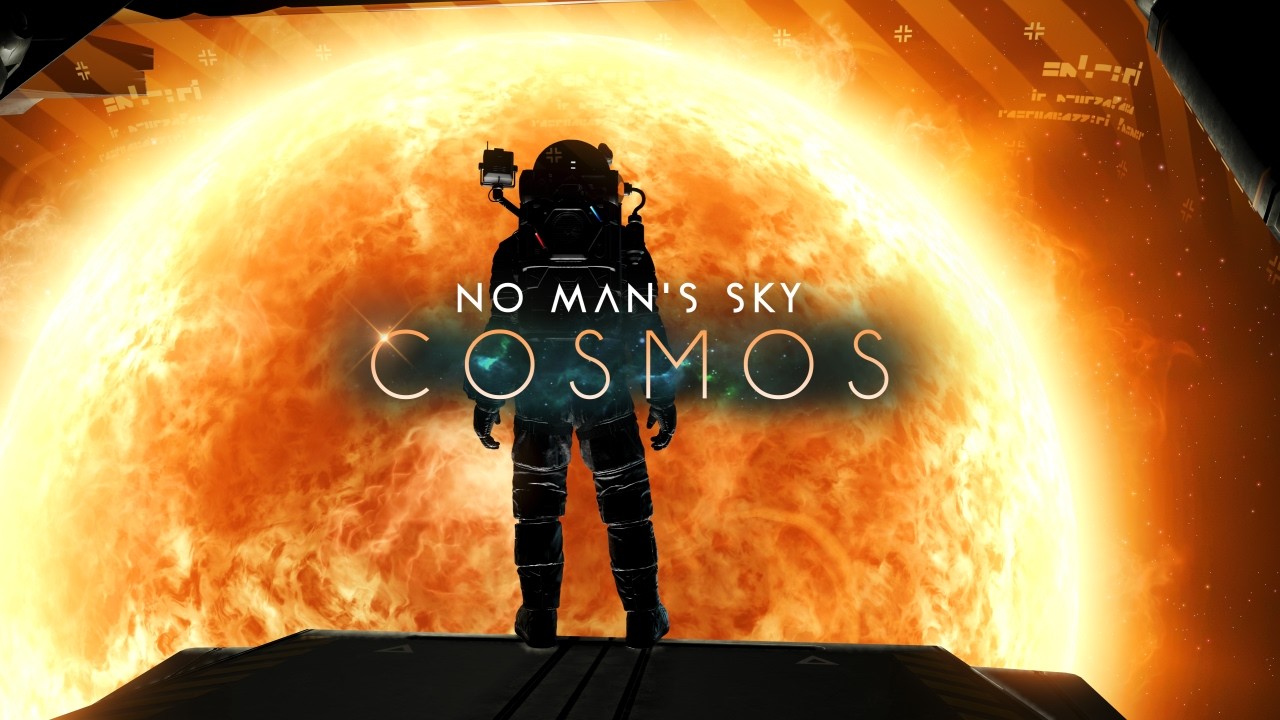
Hello Games has unveiled Cosmos, the 7.0 update for No Man’s Sky, with a focus on living and exploring in space. Players can become space station directors, form galactic alliances, build orbital homes and dismantle enormous derelict ships. A new local star system map helps connect these activities.
Space now contains more destinations with fixed locations, including outposts, asteroid belts and abandoned ships that can be revisited. Physical salvage, new cargo-handling equipment and delivery contracts give players additional reasons to explore beyond a planet’s atmosphere.
Cosmos trailer
Run a space station and form an alliance
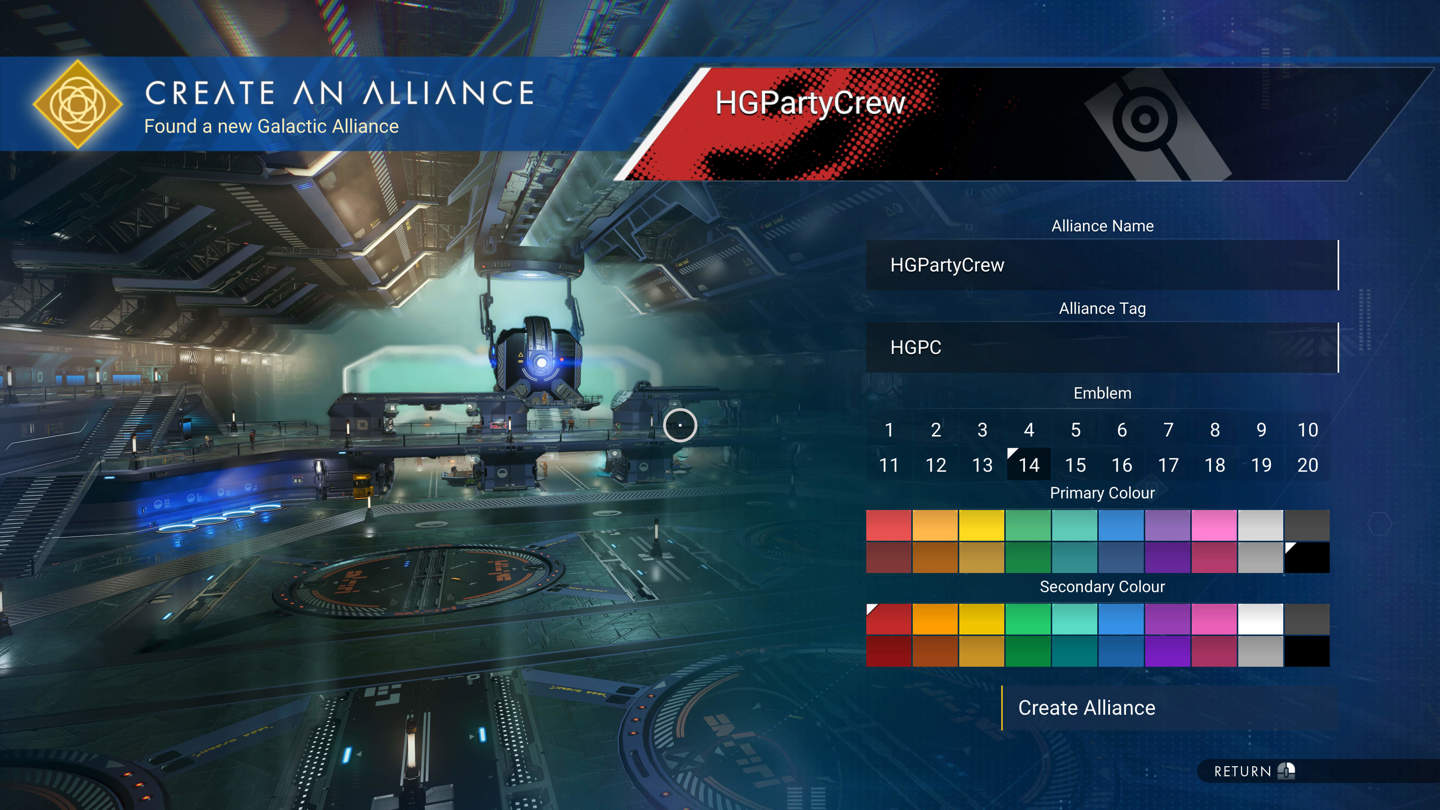
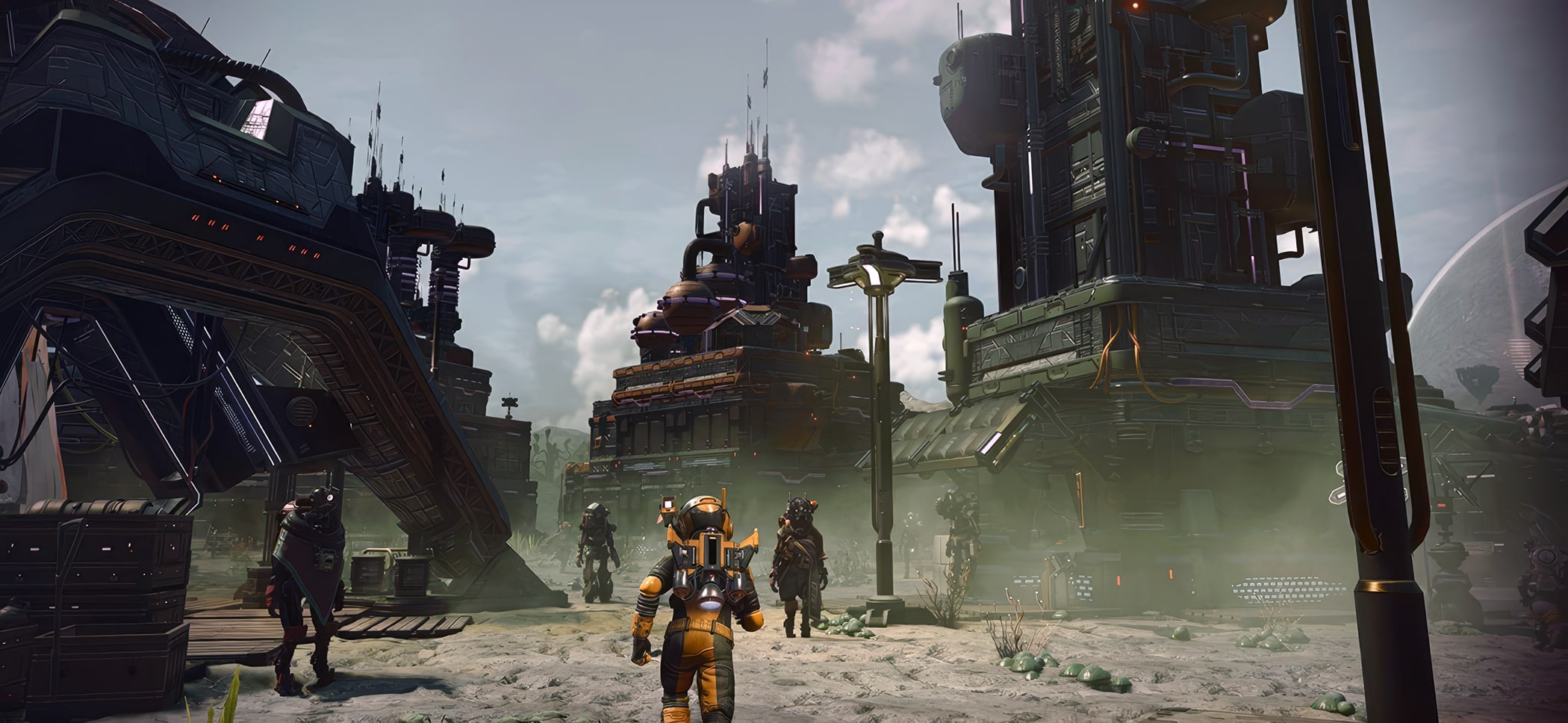
Players who prove themselves to the local authorities can become directors of a space station. The role allows them to rearrange the central lobby, adjust existing decorations, add rooms and customise the station’s exterior. Hundreds of large exterior modules expand the building options. Blueprints can be unlocked aboard the Space Anomaly, while some rare designs are rewards for investigating deep-space anomalies.
Station directors can also establish an alliance with its own name and banner. Travellers join an existing alliance by visiting one of its stations, then use teleporters to reach the group’s systems. Each player can belong to up to three alliances. Leaderboards at the station core highlight the largest and most active groups.
Orbital bases and a local system map
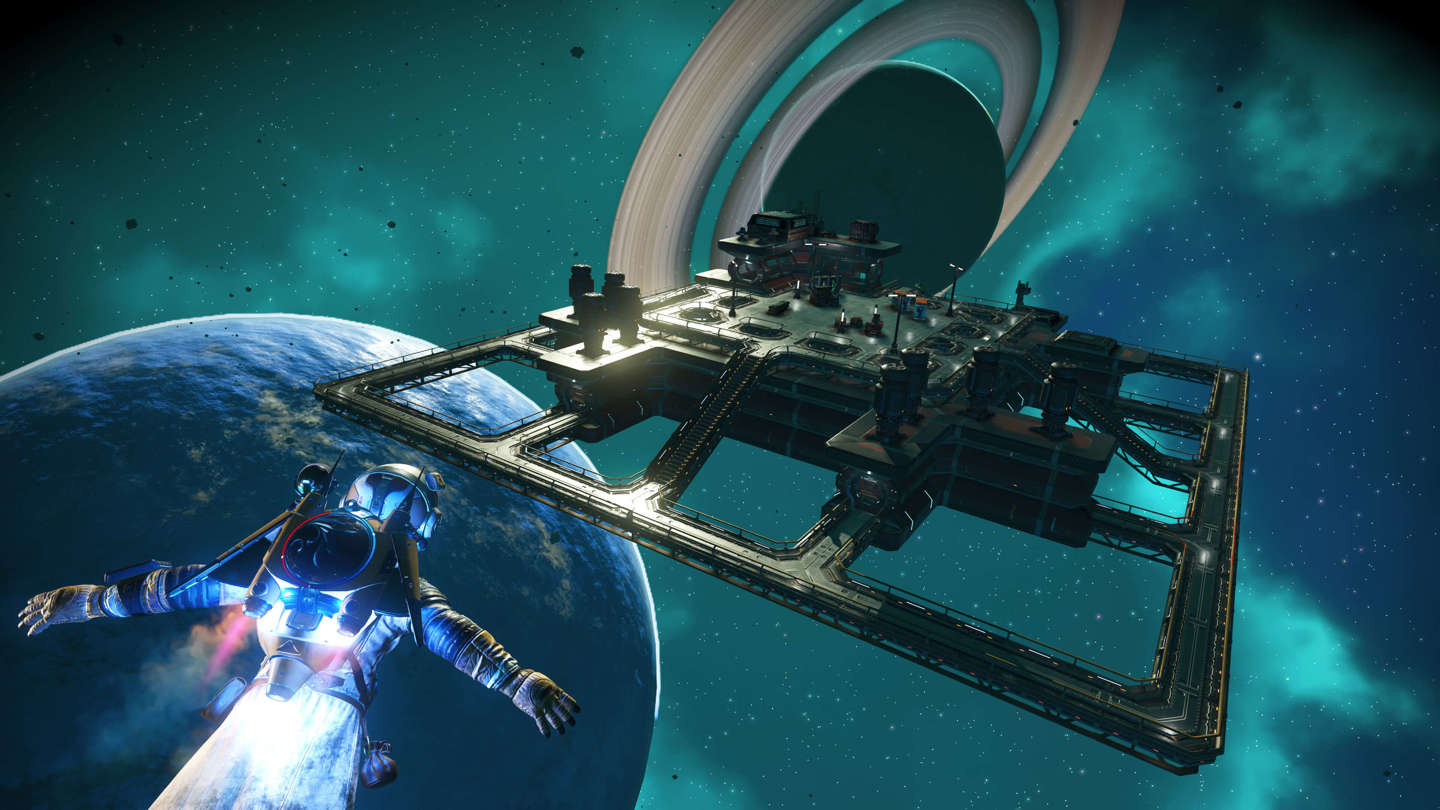
A dedicated deep-space base computer lets players claim a volume of space and begin construction. Natural rock platforms provide one possible foundation, but bases can also occupy empty space. New corridor parts support these orbital builds.
The local star system map is available through the Quick Menu. It displays celestial bodies, the station and points of interest, with markers that provide navigational assistance. The new destinations begin appearing after a save has reached the Space Anomaly for the first time. An introductory mission, Signals, explains how to use the map.
Exploration sites include ice fields, asteroid belts, debris fields and both inhabited and infested outposts. Players can even make the long flight to a system’s star, although approaching its plasma comes with lethal consequences.
Strip derelict ships and haul physical salvage
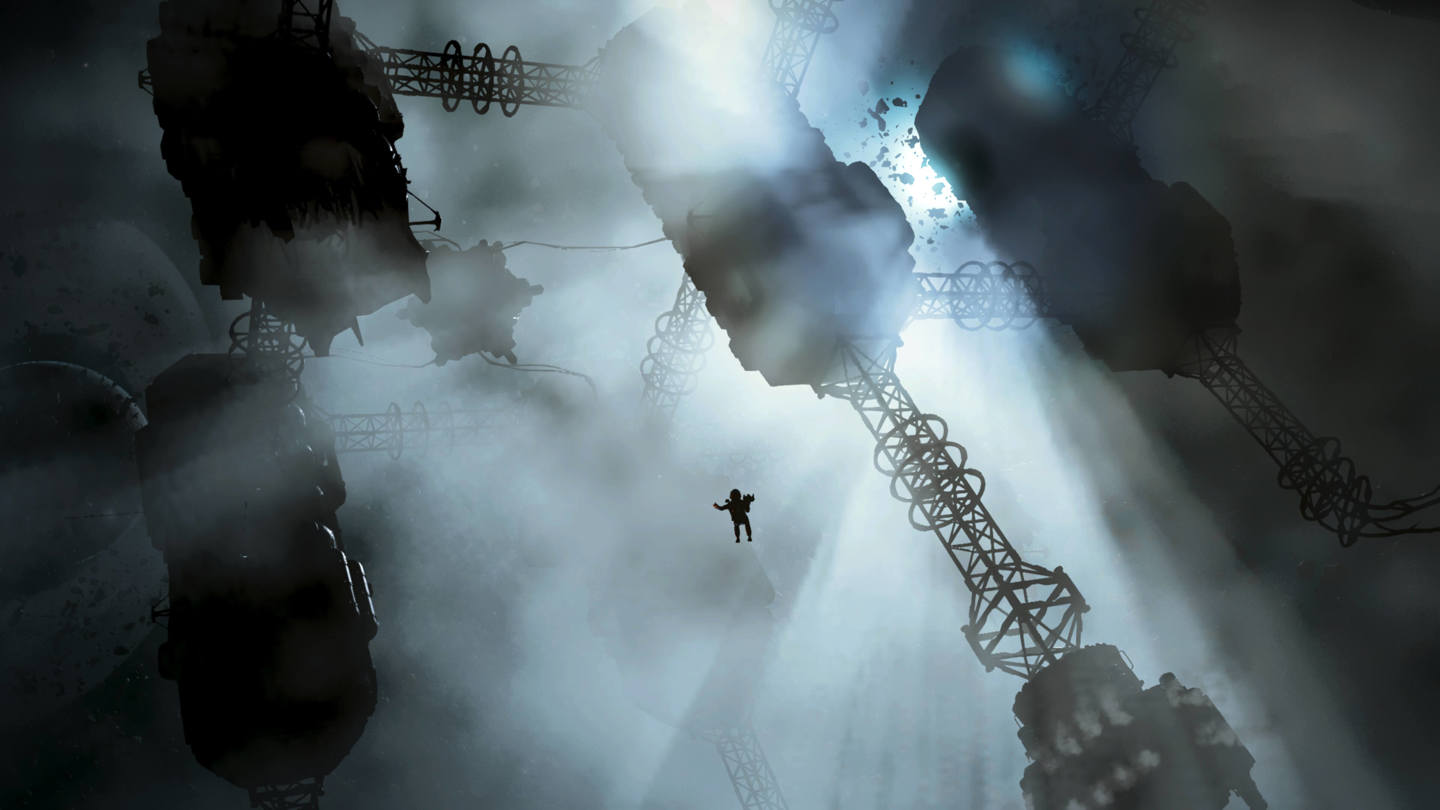
Huge derelict hulks offer a hazardous source of valuable technology and cargo. Travellers navigate their cramped interiors on spacewalks, removing useful components as they go. Dismantling the wreck can compromise its structural integrity and trigger an explosion, creating a practical choice between collecting more loot and escaping in time.
The Gravitino Coil and a new Corvette upgrade, the Tractor Beam, handle physical salvage. The beam gathers objects into the ship’s hold and processes oversized pieces for storage. Raw materials can be taken to an outpost for processing and sale, or kept for customising a station. Outposts also offer salvage and delivery contracts.
Spacewalking is now available from any starship through the Quick Menu. Movement supports six degrees of freedom, including roll. Leaving a ship still requires attention to environmental protection: space drains the exosuit’s cold protection, while nearby hazards can introduce other threats.
A tenth-anniversary expedition
Expedition 23, Our Journey Continues, revisits the history of No Man’s Sky from launch through Cosmos. Hello Games says the event will begin shortly and run for approximately six weeks. Each milestone includes developer commentary narrated by Sean Murray, with unlocked notes remaining available in the Catalogue’s Collected Knowledge section.
Rewards include a golden version of the classic Rasamama S36, the Starbound v0.27 Multi-Tool, a vintage Sentinel Interceptor, a diplodocus companion inspired by early footage, commemorative artwork and an astronaut cockpit figurine. A separate Twitch Drops campaign is scheduled for 10–14 September. Claiming those rewards requires linked accounts and viewing streams with Drops enabled.
Visual upgrades and optimisation
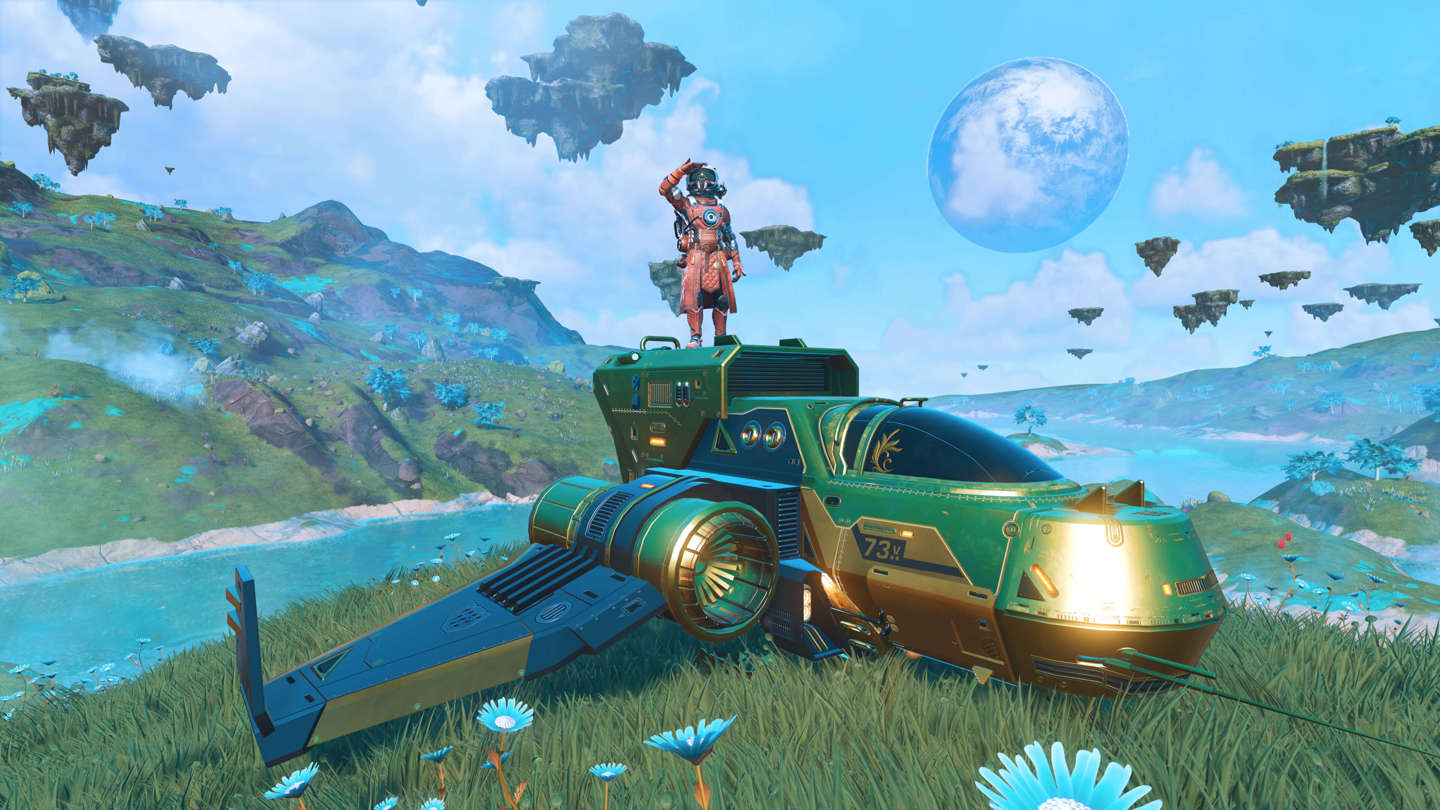
Cosmos improves planetary terrain detail, clouds viewed from space, water and particle lighting. The update also adds Intel XeSS 3, NVIDIA DLSS 4.5 with 5× and 6× Frame Generation, and foveated rendering support for PC VR.
Other changes target inventories, complex bases and multiplayer performance. Hello Games reports that file-handling improvements reduce console loading times by 6–9%. The complete list of features and fixes is available on the official Cosmos update page.
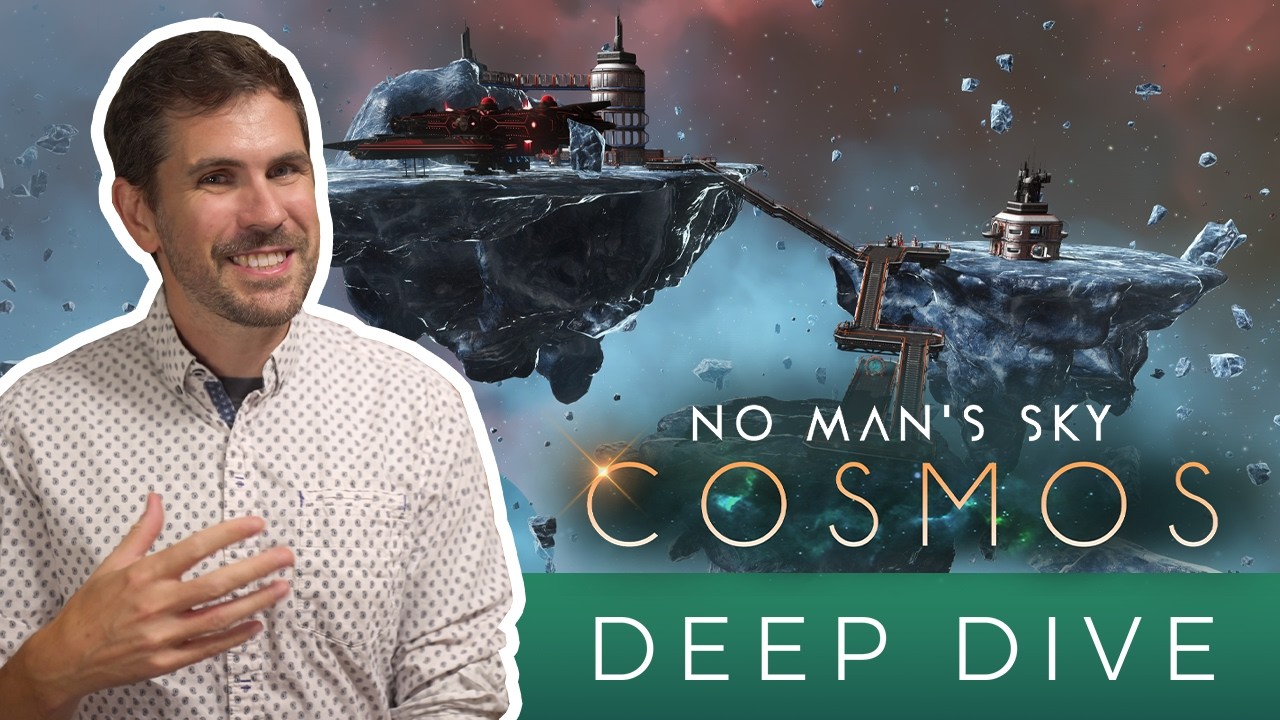
Hello Games also published this extended look at the update:
Related articles
 No Man’s Sky: The Swarm Patch 6.45No Man’s Sky: The Swarm Update 6.4
 No Man’s Sky: Xeno Arena 6.32 patch
 No Man’s Sky: Remnant Update 6.2
 No Man’s Sky VOYAGERS (6.0): build-your-own corvette, life on board, and co-op missions
 No Man’s Sky Beacon Update – version 5.70
 No Man’s Sky Relics Update – version 5.6