
Nintendo’s Switch 2 pricing strategy keeps getting sharper
When the Nintendo Switch 2 pricing was first unveiled back in April 2025, the industry was gripped by anxiety over looming tariffs. Looking back at those 14 months, it is clear how naive we were; we genuinely believed that the most significant threat to the affordability of our gaming hardware was simply the unpredictable economic posturing of the Trump administration. How little we understood about the storm on the horizon.
Nintendo claimed they had already baked the tariff impact into the Switch 2’s $450 launch price—a move that proved necessary shortly thereafter when accessory costs were quietly hiked. Despite their efforts, the reception was chilly. At $450, the console was 50% pricier than its predecessor and sat uncomfortably close to the standard PlayStation 5. Even when adjusted for inflation, it remained the most expensive piece of hardware Nintendo had ever brought to market.
Critics were quick to sound the alarm. Many wondered if Nintendo had abandoned its greatest competitive edge: accessibility. Executives faced intense scrutiny, and industry analysts speculated that the company might have committed a fatal strategic error.
As it turned out, Nintendo was either remarkably clairvoyant or simply fortunate—perhaps a bit of both. More importantly, they understood their audience. The core Nintendo fanbase, eager for high-spec hardware, didn’t flinch, and the Switch 2 became an immediate, high-velocity success. Yet, the question of whether it could sustain its momentum with the broader mass market remained a valid concern.
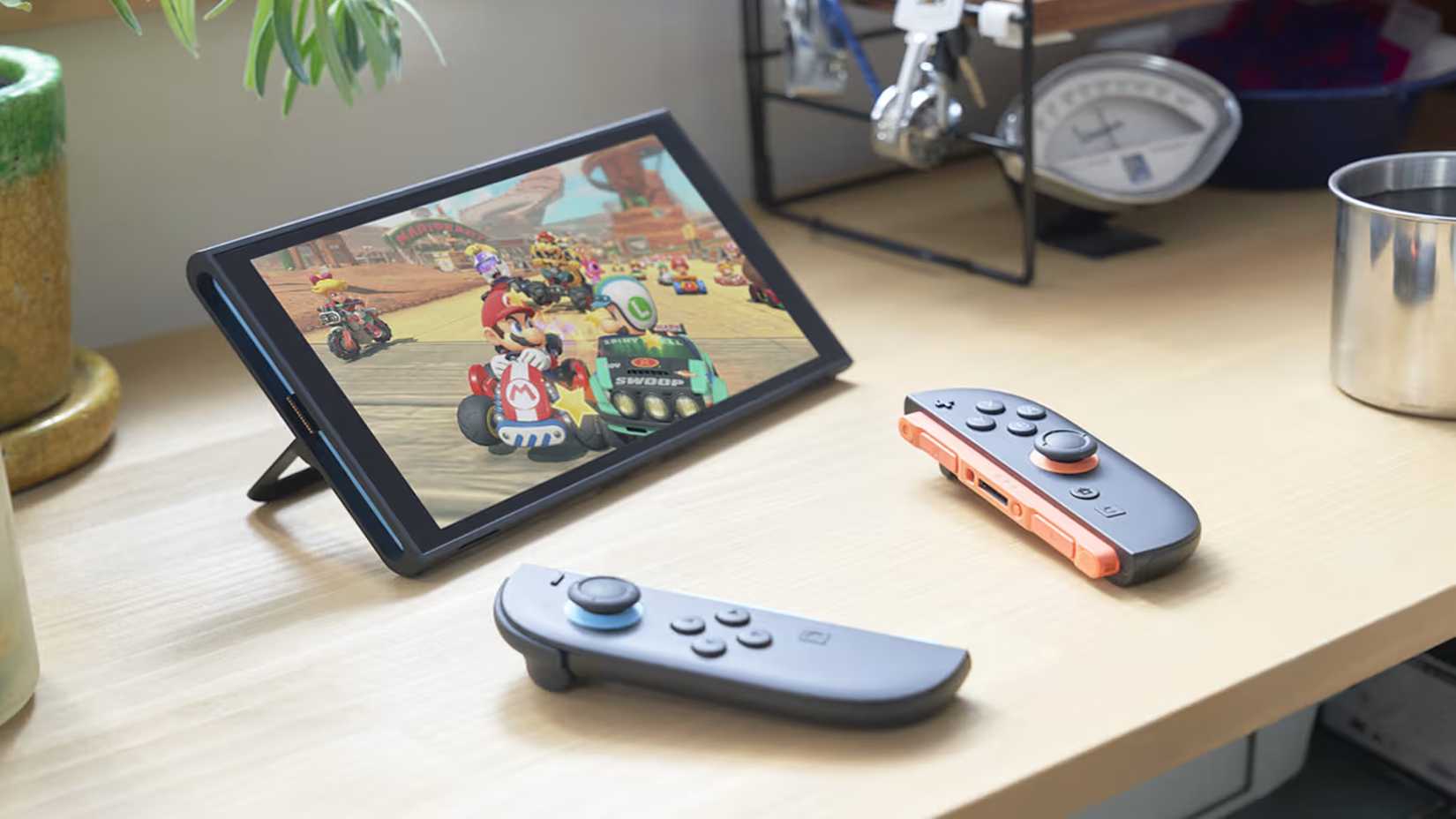 Photo: Nintendo
The Switch 2’s price point soon felt like a relic of better times as the market faced a brutal inflationary wave. Throughout the summer, prices for Xbox and PlayStation consoles—and even the original Switch—climbed steadily. Then, the real crisis hit: a massive shortfall in the memory chip market. The aggressive, voracious expansion of AI datacenters created a global supply chain bottleneck that shattered pricing norms in late 2025.
Hardware costs skyrocketed across the board. Xbox implemented a second price hike within half a year, and the premium ROG Xbox Ally debuted with a jaw-dropping $1,000 price tag. With the base PlayStation 5 creeping toward $600, the once-controversial $450 Switch 2 suddenly appeared like a bargain.
Nintendo’s strategy was vindicated, yet the volatile market kept observers on edge. When Nintendo briefly dialed back production, analysts were quick to paint a picture of doom, questioning whether the console would eventually require a market-crushing price correction.
 Image: Nintendo/YouTube
When the inevitable adjustment arrived, it was mercifully modest: a $50 increase, bringing the total to $500 as of September 1st. Nintendo successfully insulated itself from the worst of the RAM crisis by relying on its tried-and-true lean hardware approach—featuring 256GB of storage and 12GB of RAM—paired with its significant manufacturing leverage.
Competitors like Valve, lacking that same scale, were forced to push the Steam Deck’s entry price to $789. That nearly $300 premium for a device with only marginally superior power serves as a stark testament to the severity of the supply crisis and highlights just how masterfully Nintendo has managed its market position.
Even a giant like Nintendo isn’t immune to missteps—the $80 price point for Mario Kart World still feels like an overreach—but they nailed the math where it mattered most. A $500 Nintendo console might have seemed unimaginable a year ago, but in the current economic landscape, Nintendo remains the king of value, a distinct advantage that has never been more relevant.
Source: Polygon
Related articles
 Critics Praise Gears of War E-Day as Best in the Series
 Reports Indicate Naughty Dog is Developing New Uncharted Game Led by The Lost Legacy Director
 Helldivers Movie Delayed to 2028 with Alan Ritchson Starring
 World War Z Surges on Streaming Ahead of Potential Sequel
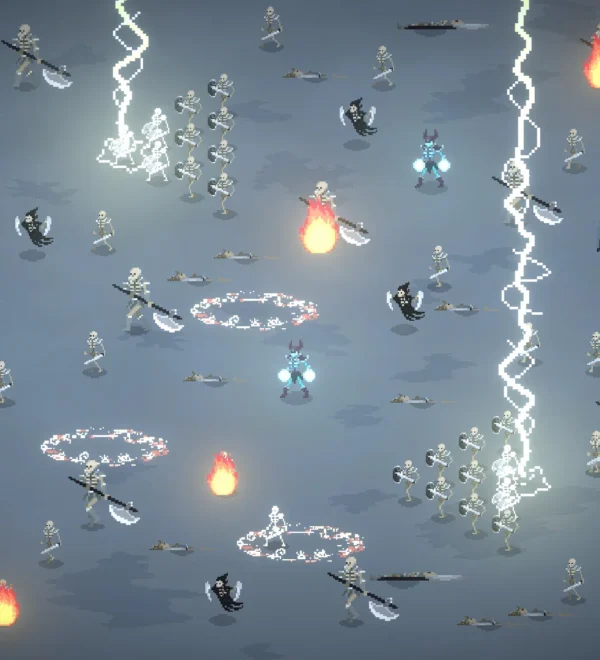 Legion Breaker brings a growing wizard army to Steam on October 13
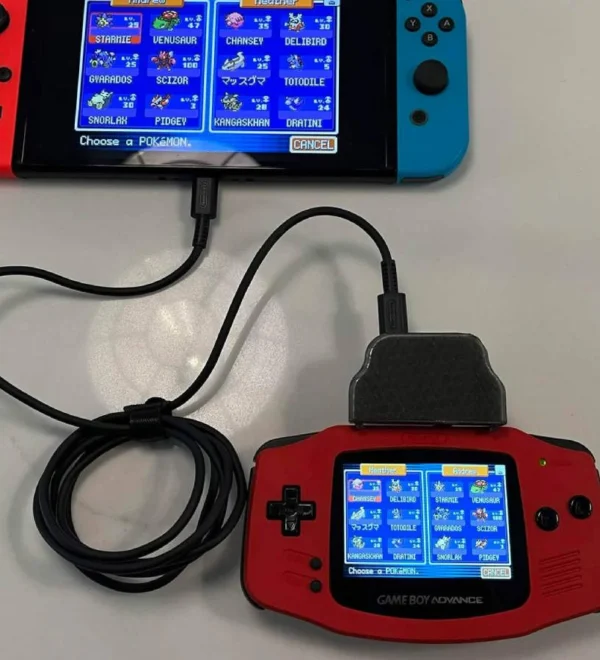 Unofficial RetroSync Adapter for Switch and GBA Pokémon Trading and Battles Set for December Release
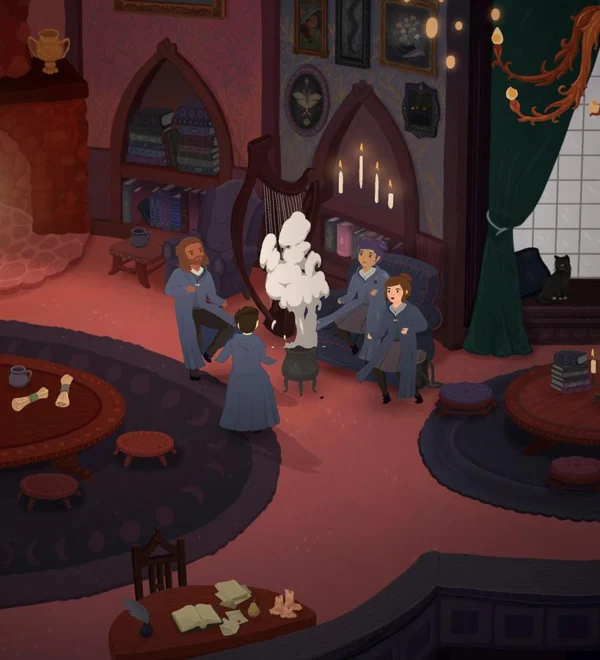 Role-Playing Game Songs of Glimmerwick Released
 Graves Joins League of Legends Riftbound