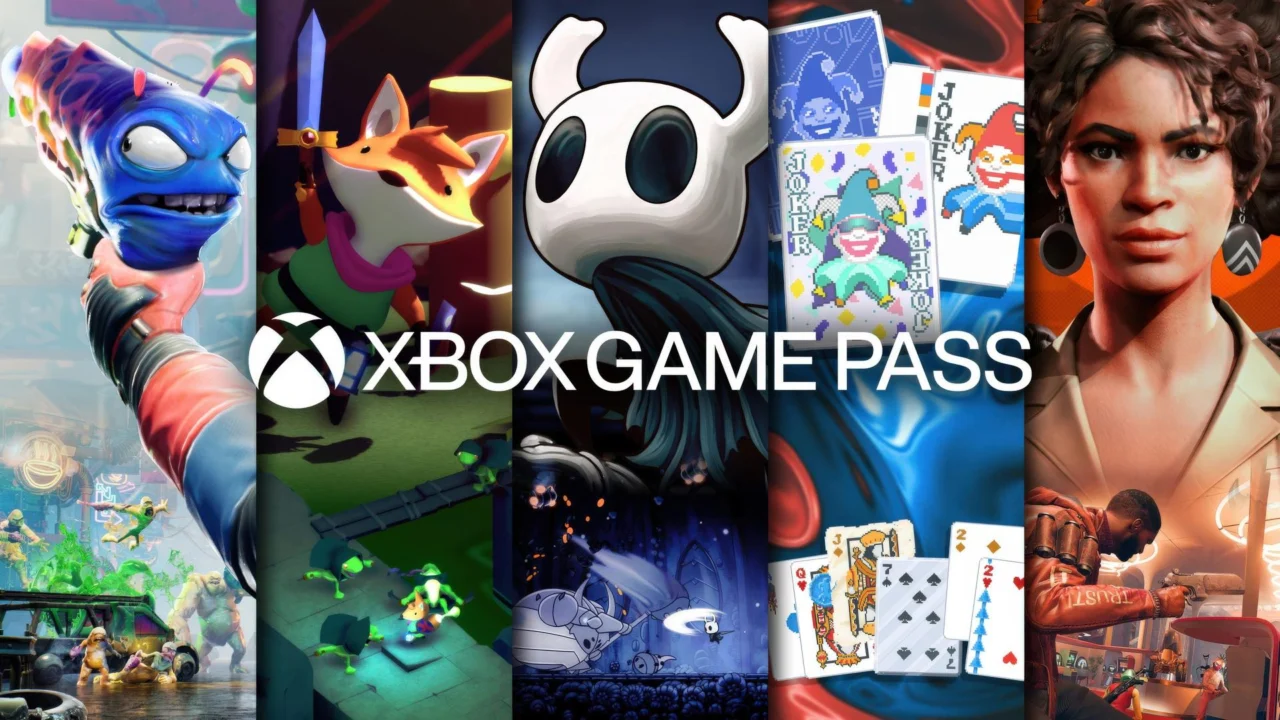
Microsoft Hiked Game Pass Prices Because the Service Was Too Good, Says Analyst
The company ultimately concluded it could not attract a sufficient number of subscribers for the service to become profitable.
Gaming analytics veteran and former SuperData Research founder Joost van Dreunen shared his take on the recent 50% increase to Game Pass subscription pricing.
The analyst says the service had become overly generous to users, drawing a parallel with airline models where first-class passengers partially subsidize economy travelers.
With Game Pass, every subscriber effectively rides business class while paying economy fares, creating an inherently low-margin model where highly active users consume a disproportionate share of resources without delivering comparable revenue.
Van Dreunen notes that when Microsoft realized it could not reach the subscriber levels it desired—even at relatively low prices, as the company and some experts had hoped—the logical response was to restructure the service so it could sustain itself. That shift produced a tiered offering (Essential, Premium, and Ultimate) that he believes may be the correct approach.
Microsoft is not abandoning Game Pass but reshaping it. Moving away from a one-size-fits-all subscription toward a segmented model, where pricing better reflects usage, could be the answer services like Stadia lacked.
Source: iXBT.games
Related articles
 Valve Explains the High Price of Steam Frame
 GhostWire: Tokyo Creator Invites Elon Musk to Play Her New Game
 Half-Life: Alyx Receives Major Update Ahead of Steam Frame Release
 Final Trailer Released for Laika Studio’s Wildwood
 HBO Confirms Release Window for Knight of the Seven Kingdoms Season 2
 Remedy Details Graphics Modes for Control Resonant on PS5 and PS5 Pro
 Jasper Ambrose Cast as Colin Creevey in Second Season of Harry Potter Series
 ‘The Ring’ Quest Walkthrough in The Blood of Dawnwalker