
Marvel Must Reboot Its Most Underrated ’90s Animated Series

Following the monumental triumph of X-Men ‘97, Marvel enthusiasts are clamoring for more treasures from the animation vault to receive a modern facelift. While many suggest that Spider-Man: The Animated Series is the most logical successor, there is a more daring path to take. Instead of resurrecting a show that already reached its zenith, the studio should pivot toward a cult classic that never fully realized its potential: the 1998 Silver Surfer series.
Debuting on Fox Kids in early 1998, Silver Surfer was an ephemeral experiment that lasted a mere 13 episodes. By May of that year, the series had vanished from the airwaves, exiled as swiftly as Galactus banished the planet Zenn-La to the furthest reaches of the cosmos. Developed by industry veteran Larry Brody—whose credits include high-stakes dramas and seminal episodes of the 90s Spider-Man—the show was far more ambitious than its brief lifespan suggests.

The narrative arc launched with the tragic transformation of Norrin Radd, a philosopher who sacrificed his humanity to become the Herald of Galactus in exchange for his homeworld’s safety. The introductory trilogy chronicled his arrival on Earth and his eventual rebellion against his master. Interestingly, the Fantastic Four were conspicuously omitted—likely due to licensing entanglements—which created a strange narrative vacuum. While these origin beats might feel familiar to modern audiences who have seen the Surfer’s backstory rehashed in various media, in 1998, it served as a vital primer for the character’s cosmic existentialism.
By the fourth episode, the series evolved into something far more compelling: a space-faring odyssey. The Surfer became a solitary wanderer traversing the stars in search of a home Galactus had hidden from him. This itinerant format mirrored the DNA of The Mandalorian or Samurai Jack, casting the Surfer as a celestial ronin. This structure allowed the show to explore the broader Marvel Universe, introducing alien civilizations and cosmic entities that the MCU has only recently begun to tap into via Guardians of the Galaxy and Captain Marvel.
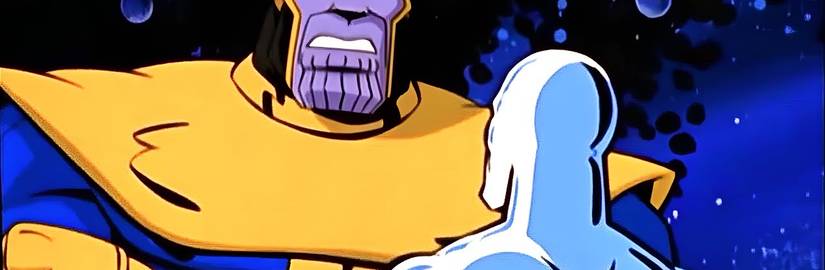
The series delved into the ancestral feud between the Kree and the Skrulls and introduced iconic figures like Drax the Destroyer, Adam Warlock, the Watcher, and Beta Ray Bill. It also showcased early interpretations of Thanos and his daughters, Nebula and Gamora. Seeing these characters before they were redefined by the James Gunn aesthetic is fascinating; they were more stoic, alien, and deeply rooted in their comic book origins.
Central to the show’s success was the performance of Paul Essiembre, who infused the Surfer with a sense of divine detachment tempered by a palpable, aching loneliness. However, the show’s most striking feature was its visual identity. Silver Surfer utilized a pioneering blend of traditional 2D cel animation for characters and 3D computer-generated imagery for ships and the gargantuan Galactus. While some of the CGI has inevitably aged, the aesthetic choice was revolutionary at the time, creating a visual hierarchy between the organic and the mechanical.
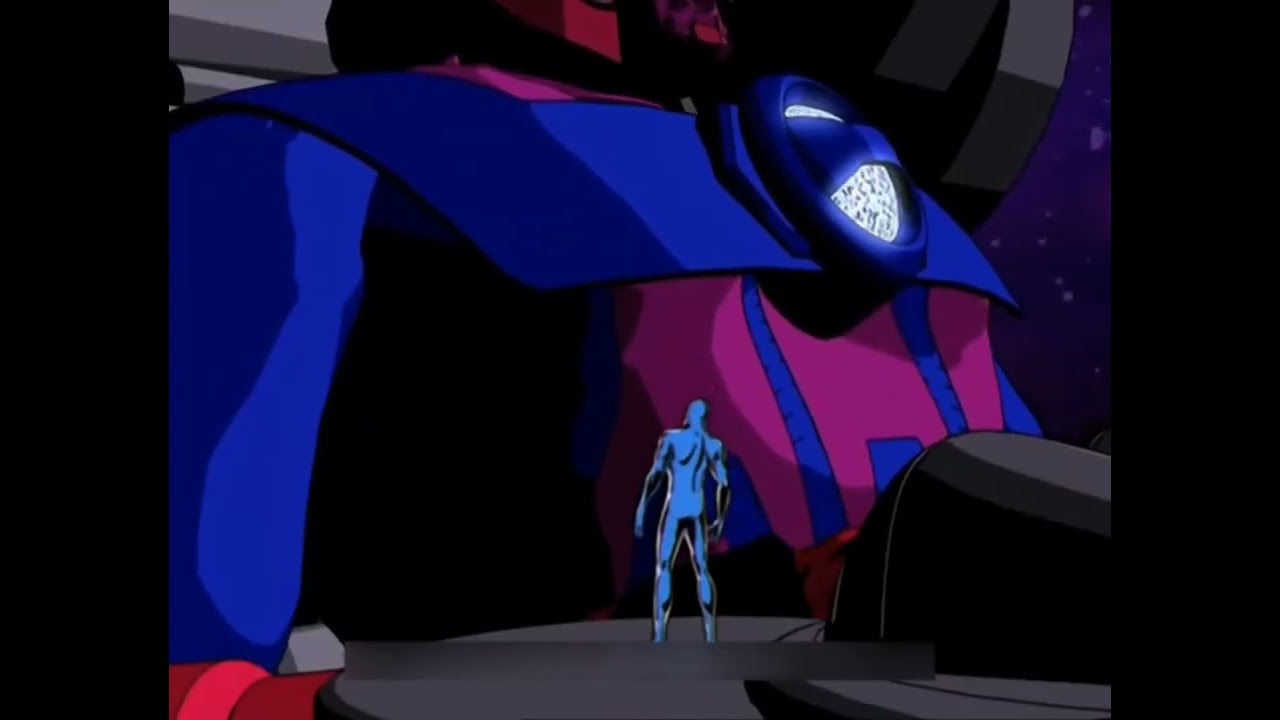
More than anything, the series was a vibrant love letter to Jack Kirby, the Surfer’s legendary creator. The character designs remained fiercely loyal to Kirby’s bold linework and high-concept machinery. Nowhere was this more evident than in the “cosmic” sequences, which utilized the famous “Kirby Krackle” to represent the raw energy of deep space. It captured the psychedelic, operatic scale of the 1960s comics in a way few adaptations have since.
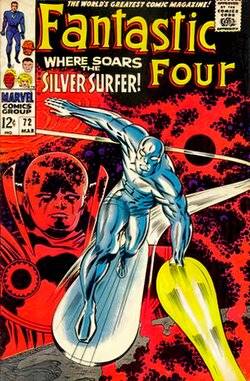
A modern revival could push this Kirby-inspired aesthetic even further. By utilizing the mixed-media techniques seen in the Spider-Verse films, Marvel could finally render the “King’s” art style in three dimensions with the budget it deserves. Even the cel-shaded approach of What If? could serve as a solid foundation for a new cosmic odyssey, provided it leans into the Surfer’s philosophical roots rather than just action set-pieces.
Furthermore, reviving Norrin Radd in animation would offer a perfect counterbalance to the MCU’s recent live-action developments. While the inclusion of Shalla-Bal as the female Silver Surfer in The Fantastic Four: First Steps is an intriguing creative choice for that specific universe, there remains a deep-seated desire for the classic iteration. A standalone animated series would allow Marvel to explore the traditional Norrin Radd mythos as a high-concept, 2D space opera, satisfying long-time fans while expanding the boundaries of the brand’s animated output.
Source: Polygon
Related articles
 Boxed Games Become a Problem for Collectors as Issues Reach PS5
 Gears of War: E-Day Reportedly Planned as Start of a New Trilogy, Rumors Say
 Shenmue III Enhanced Edition Delayed to Improve Graphics and Add New Features
 Ridley Scott Finds Screenwriter for New Film That May Continue the Prometheus and Alien: Covenant Story
 Zendaya to Be Promoted for Best Lead Actress Oscar for Third Dune Film
 Crimson Desert Charting the Unknown Expansion Will Add Sea Monsters and Ship Boarding, Details Revealed
 Ticket Presales Suggest Dune: Part Three Will Lose Heavily to Avengers: Doomsday at the Box Office
 DC Horror Film Clayface Earns Unusually High CinemaScore