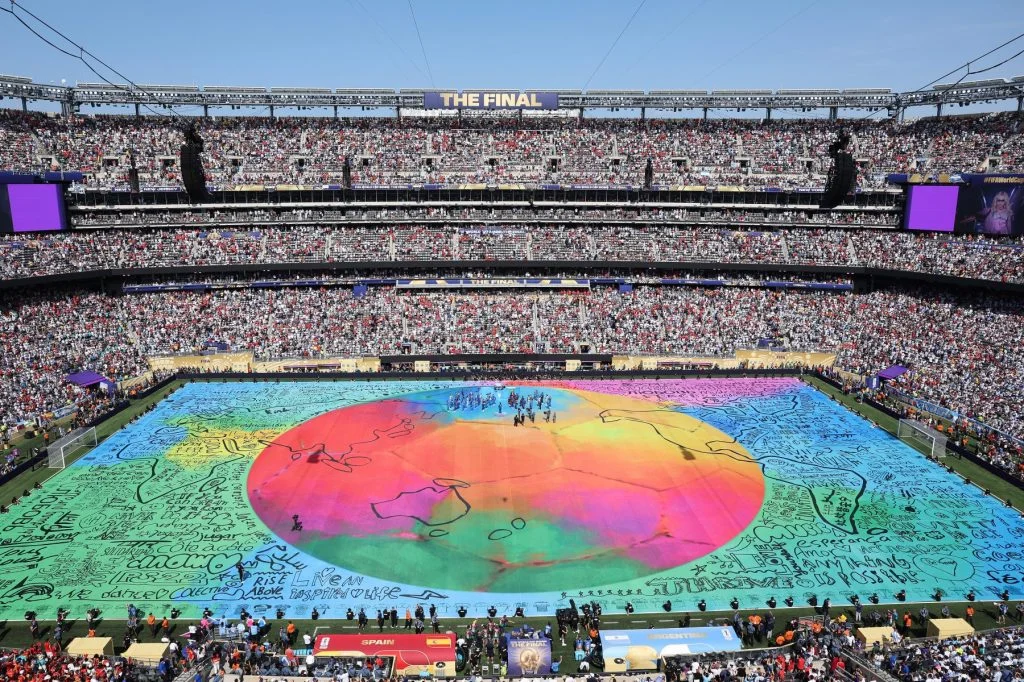
How Did the World Cup Halftime Show Compare to the Super Bowl?

Getty Images
Football—whether played on a gridiron or a pitch—has long relied on pageantry, but 2026 marked a historic shift. While the Super Bowl has commanded the halftime spotlight since 1967, this summer witnessed the FIFA World Cup embrace its own grand-scale musical showcase for the first time in the tournament’s near-century-long history.
The timing was deliberate. With the final showdown hosted at MetLife Stadium in New Jersey, the event leaned into the American appetite for massive, televised spectacles. The Super Bowl has set the gold standard for these halftime extravaganzas, consistently topping U.S. broadcast ratings, and this FIFA debut felt like a direct, albeit global, descendant of that tradition.
The opening ceremony immediately distinguished itself from the somber, anthem-heavy tone of a typical Super Bowl. Rather than relying on the traditional, vocally demanding ballads, the World Cup opted for high-energy choreography, including IShowSpeed’s “Champions,” which transformed the pitch into a stage adorned with an Empire State Building centerpiece.
Performances from Post Malone, Robbie Williams, and Nicole Scherzinger added a layer of international flair that felt less like a nationalistic kickoff and more like a global festival. Even when Jennifer Hudson delivered a powerhouse rendition of the U.S. national anthem—an olive branch to local fans—it was quickly balanced by the anthems of Spain and Argentina, grounding the event firmly in its global context.
The main event featured a star-studded ensemble: Madonna, BTS, Justin Bieber, Shakira, and Burna Boy, augmented by the New York Philharmonic and the Muppets’ Electric Mayhem. It was a fascinating blend of the familiar and the surreal. Madonna’s high-octane medley and BTS’ pyro-heavy choreography felt right at home in the “Super Bowl playbook,” yet the performance dared to be eccentric.
Seeing Gustavo Dudamel conduct the New York Philharmonic alongside the Muppets to “Seven Nation Army” captured a whimsical energy that modern, ultra-polished halftime shows often shy away from. It was a refreshing, slightly chaotic nod to the variety-show spirit of the 1970s and 80s, where absurdity was viewed as a feature, not a bug.
Justin Bieber’s departure from standard stadium bombast, opting for a stripped-back acoustic moment, added a layer of intimacy that felt authentically his, while the finale—a collaboration between children’s choirs, Coldplay, and puppets—was an unabashedly earnest celebration of global peace.
Ultimately, the FIFA World Cup halftime show was an evolution of the spectacle we’ve grown to expect, layered with a vintage, unpredictable charm. It served as a reminder that when you combine world-class talent with a sense of playful theater, the results can be far more memorable than a standard pop revue. If the NFL is taking notes, the message is clear: never underestimate the power of the Muppets to steal the show.
Related articles
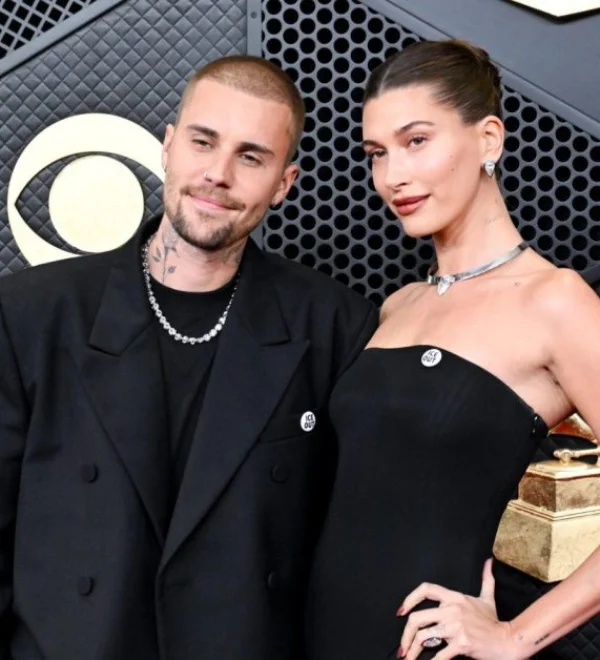 Justin Bieber and Hailey Bieber celebrate eighth wedding anniversary
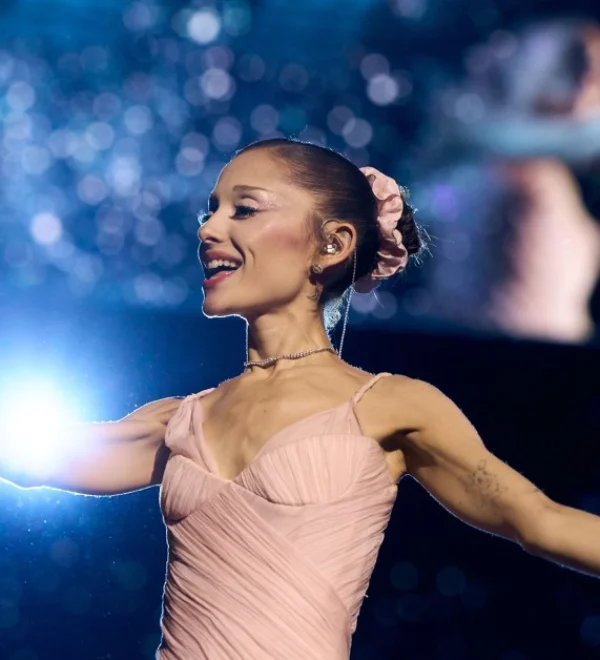 Ariana Grande Gets Stuck in Elevator After Final Eternal Sunshine Show
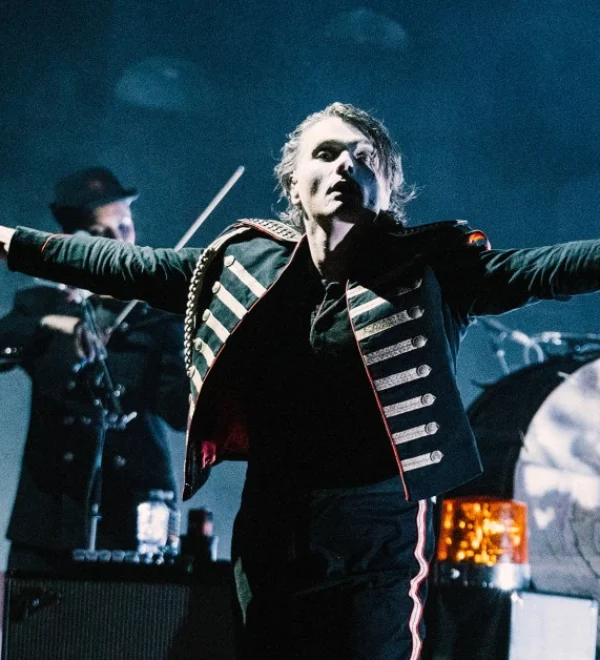 My Chemical Romance Teases Possible New Album During Tour-Closing Show
 Pink Addresses Backlash Over Comments About Macklemore’s Pro-Palestine Stance
 Stray Kids Make Historic Debut at Rock in Rio
 Ocean Way Festival in Santa Monica Canceled Weeks Before Planned Debut
 Zach Bryan Joins Kings of Leon to Perform Collaboration During Nashville Show
 Tatsuya Kitani and Silica Gel Discuss Their Collaboration in a Billboard Japan Monthly Feature Interview
Join the Discussion