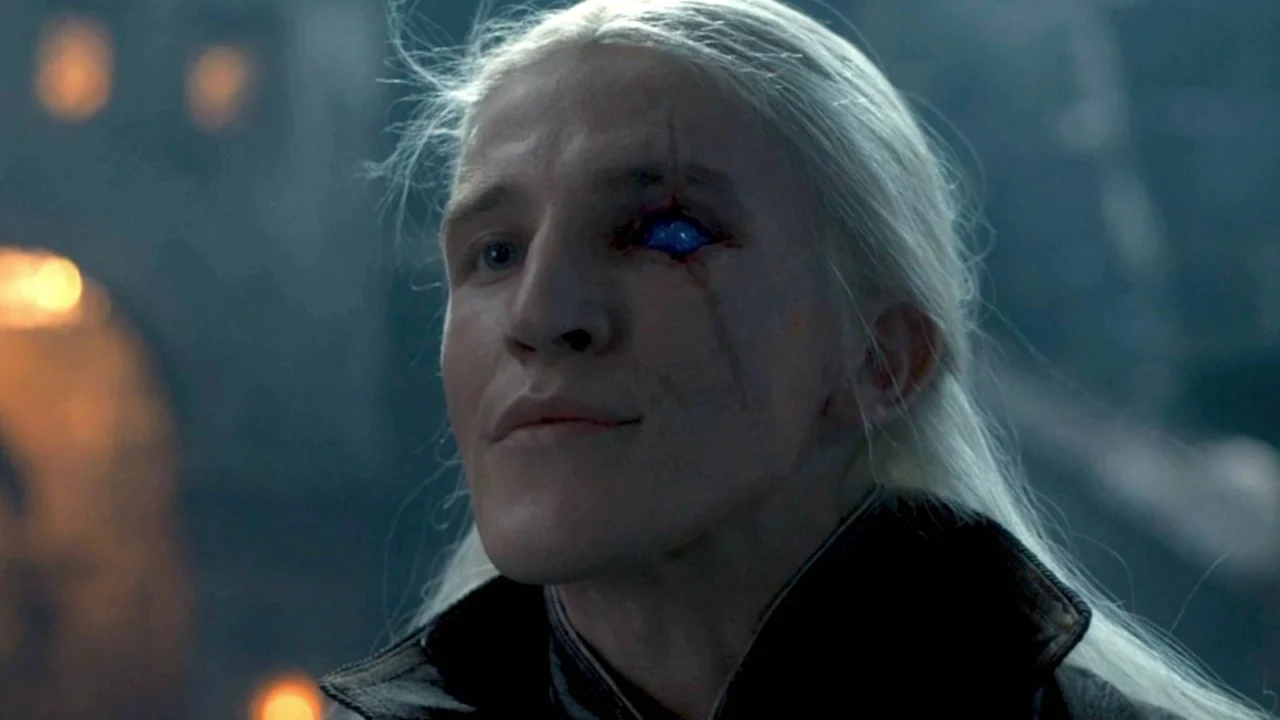
Game of Thrones is Transforming the Targaryens into the Sith of The Rise of Skywalker

As Warner Bros. aggressively scales the Game of Thrones intellectual property, branching out into grand theatrical stage plays and multiple animated ventures, the emergence of a completed feature film script was almost a foregone conclusion. History shows that translating the series to the big screen has been a fraught process; original architects David Benioff and D.B. Weiss famously proposed concluding the saga with a cinematic trilogy, only for HBO to veto the transition. However, bolstered by sustained global viewership, a theatrical debut for Westeros now feels like an inevitability.
There is, of course, a logistical caveat: the project sits within a Warner Bros. ecosystem currently navigating a complex and volatile merger with Paramount Skydance. Such corporate restructuring often leads to production delays while leadership settles. Yet, my primary concern isn’t the timeline—it’s the subject matter. The script reportedly chronicles Aegon’s Conquest, yet another Targaryen-centric prequel focused on the family’s violent ascension. By prioritizing this lineage, the franchise risks turning the Targaryens into the “Sith” of the George R.R. Martin universe, mirroring the same creative claustrophobia that has occasionally stifled the Star Wars mythos.
In the original A Song of Ice and Fire novels, the Targaryens function as a haunting shadow over a much broader, more diverse geopolitical landscape. Their centuries of erratic, dragon-backed rule are a backdrop to a story defined by the absence of an absolute power. The brilliance of Martin’s world-building lies in its decentralization: with the Targaryen dynasty dismantled, various noble houses compete in a messy, multifaceted struggle for sovereignty. The narrative thrives because no single family monopolizes the spotlight or the villainy.

Within the core novels, the Targaryen presence is sparse but impactful. While Daenerys is a pivotal perspective character, she is balanced against the machinations of the Starks, Lannisters, and Tyrells. This equilibrium allows for an eclectic gallery of antagonists: from the calculating Cersei and the sadistic Joffrey to the nihilistic Ramsay Bolton or the supernatural threat of the White Walkers. The threat is varied; it isn’t always tied to a single crown or a specific bloodline.
Contrast this with the current trajectory of spin-offs. House of the Dragon, derived from the historical accounts in Fire & Blood, focuses exclusively on the internal decay of the dragon-riding dynasty. The forthcoming A Knight of the Seven Kingdoms, though more intimate in scale, still revolves around Targaryen authority and its abuses. Even the upcoming stage production, The Mad King, zooms in on the tragic downfall of Aerys II. By centering a new film on Aegon’s arrival, the franchise is effectively narrowing its scope to a single family tree, ignoring the vast potential of the Seven Kingdoms.
The motive behind this is transparent. Aside from the main series, Martin’s most detailed secondary writings are the Targaryen chronicles. For showrunners and producers, Fire & Blood provides a convenient roadmap filled with high-stakes drama, iconic visual markers like silver hair and dragons, and the recurring theme of dynastic insanity. It is a “safe” bet for a studio looking to replicate past successes.

However, this reliance on familiar archetypes—the blonde, dragon-wielding autocrat—threatens to induce brand fatigue. It mirrors the creative stagnation seen in the Star Wars sequels, which recycled the Empire and Death Star motifs, or The Rise of Skywalker, which defaulted to a resurrected Palpatine. When a galaxy or a continent is defined only by one repetitive conflict, the sense of wonder evaporates. The most acclaimed modern Star Wars projects have been those that ventured furthest from the Skywalker lineage; Game of Thrones would do well to learn that lesson.
Furthermore, the Targaryens risk becoming one-dimensional villains. In stories like Knight of the Seven Kingdoms, they often lean into a generic, mustache-twirling evil that lacks the nuanced “gray” morality Martin is celebrated for. This “Sith-ification” of the family strips away the political complexity that made the original show a cultural phenomenon, replacing it with a predictable cycle of dragon-fueled tyranny.

Warner Bros. is clearly testing other waters, even if those projects feel more tentative. Nine Voyages, focusing on the maritime exploits of Corlys Velaryon, offers a refreshing change of pace. Similarly, The Golden Empire seeks to explore the distant land of Yi Ti, moving the narrative away from the Iron Throne entirely.
Yet, for every unique pitch, several more ground-level stories have been mothballed. Projects centered on the slums of Flea Bottom or direct sequels following Jon Snow or Arya Stark remain in limbo. The pattern is clear: the industry prefers the safe, dragon-filled spectacle of the Targaryens over the risky, character-driven detours.
The involvement of Beau Willimon—the mind behind House of Cards and a key contributor to Andor—provides a glimmer of hope. Willimon’s track record for sophisticated political drama suggests he might find a way to make Aegon’s Conquest more than just a pyrotechnic display of power. If anyone can inject fresh subtext into the Targaryen mythos, it is he.

Ultimately, the health of the franchise depends on its ability to diversify. While House of the Dragon remains a hit, its slight dip in second-season viewership suggests that the audience’s patience for incestuous power struggles isn’t infinite. Westeros is a massive, vibrant world; to shrink it down to a single family’s obsession with the throne is to ignore the very breadth that made us fall in love with it in the first place.
Source: Polygon
Related articles
 Rockstar Continues Work on GTA VI Ahead of Release
 Game Freak Winds Down Beast of Reincarnation Support With One Major Patch Left
 Hugh Jackman’s The Death of Robin Hood Hits No. 1 on Streaming
 Where to Find Shroud Mushrooms in Enshrouded
 Steam’s No. 2 Driving Game Raises the Bar for Realism on PS5
 Assassin’s Creed Creator Shows 1666: Amsterdam Gameplay With Daytime Investigations and Nighttime Hunting
 BeamNG.drive: Split-Screen Multiplayer Arrives in v0.40
 Call of Duty: Modern Warfare 4 Enters Steam Top Sellers Days Before Release