
Four Decades Later, Hollywood Still Misses the Point of Highlander
History’s initial verdict on Highlander was actually the correct one.
When the film premiered four decades ago on March 7, 1986, it was a commercial disaster, recouping a measly $12.8 million against a $19 million investment. Contemporary critics were equally dismissive. Roger Ebert panned it as a “preposterous and intensely tedious” experience, while Gene Siskel went further, labeling it one of the most abysmal films he had ever endured.
Despite this disastrous arrival, Highlander eventually found its footing as a cult classic on home video, spawning a sprawling media empire of sequels, television spin-offs, and an impending reboot fronted by Henry Cavill. Yet, we should be honest: Highlander isn’t some misunderstood masterpiece that elite critics failed to appreciate. It is a fundamentally flawed, painfully self-important movie—and based on the early looks of the remake, we may be in for another humorless endurance test.
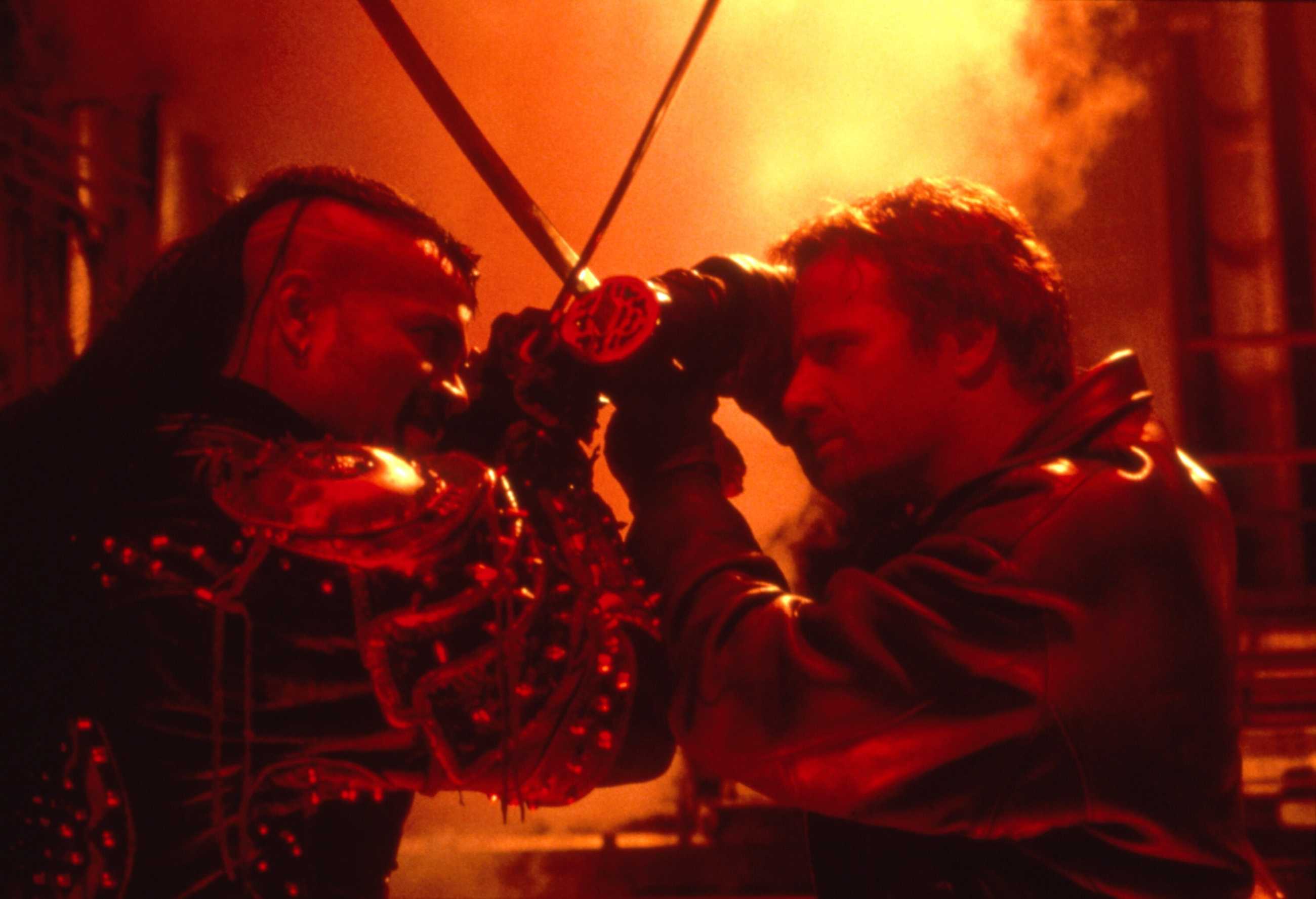
Conceived by screenwriter Gregory Widen and directed by Russell Mulcahy, the original features Christopher Lambert as Connor MacLeod. After seemingly falling in battle in 16th-century Scotland, MacLeod makes a miraculous recovery, leading his clan to banish him under the suspicion of dark sorcery. He is eventually found by Juan Sánchez-Villalobos Ramírez (Sean Connery), a master swordsman who explains that MacLeod is part of a race of “immortals” who can only perish via decapitation—a somewhat contradictory definition of immortality, but we’ll allow it.
Ramírez prophesies a future era where the remaining immortals will gather for a final conflict until only a single survivor remains, establishing the legendary mantra: “There can be only one.” This showdown unfolds in the grimy landscape of 1980s Manhattan. Now operating as an antiques dealer, MacLeod confronts his last remaining peers to claim their collective energy and finally transition into a mortal life.
Admittedly, the kinetic swordplay in Highlander is entertaining and occupies a significant portion of the runtime. However, stylish action is no substitute for compelling character development, which is where the film stumbles. While the concept of blending high-fantasy sorcery with the urban decay of the ’80s is brilliant, Mulcahy’s direction is so relentlessly somber that it drains the film of all joy. It prioritizes “badassery” at the expense of genuine engagement.
Fans often cite the film’s rich world-building and supposed campiness as reasons for their devotion. While the premise is undeniably ripe with untapped potential, the “camp” label feels like a misnomer. True camp requires either a level of self-awareness or a charming low-budget aesthetic, both of which are absent here. The film treats every duel as a grim, high-stakes affair without a trace of levity. Moreover, a $20 million budget in the mid-80s was a significant sum—and while it bought stunning Scottish vistas and impressive set designs, it couldn’t fix the flat characters. That isn’t camp; it’s a mismanagement of production value.
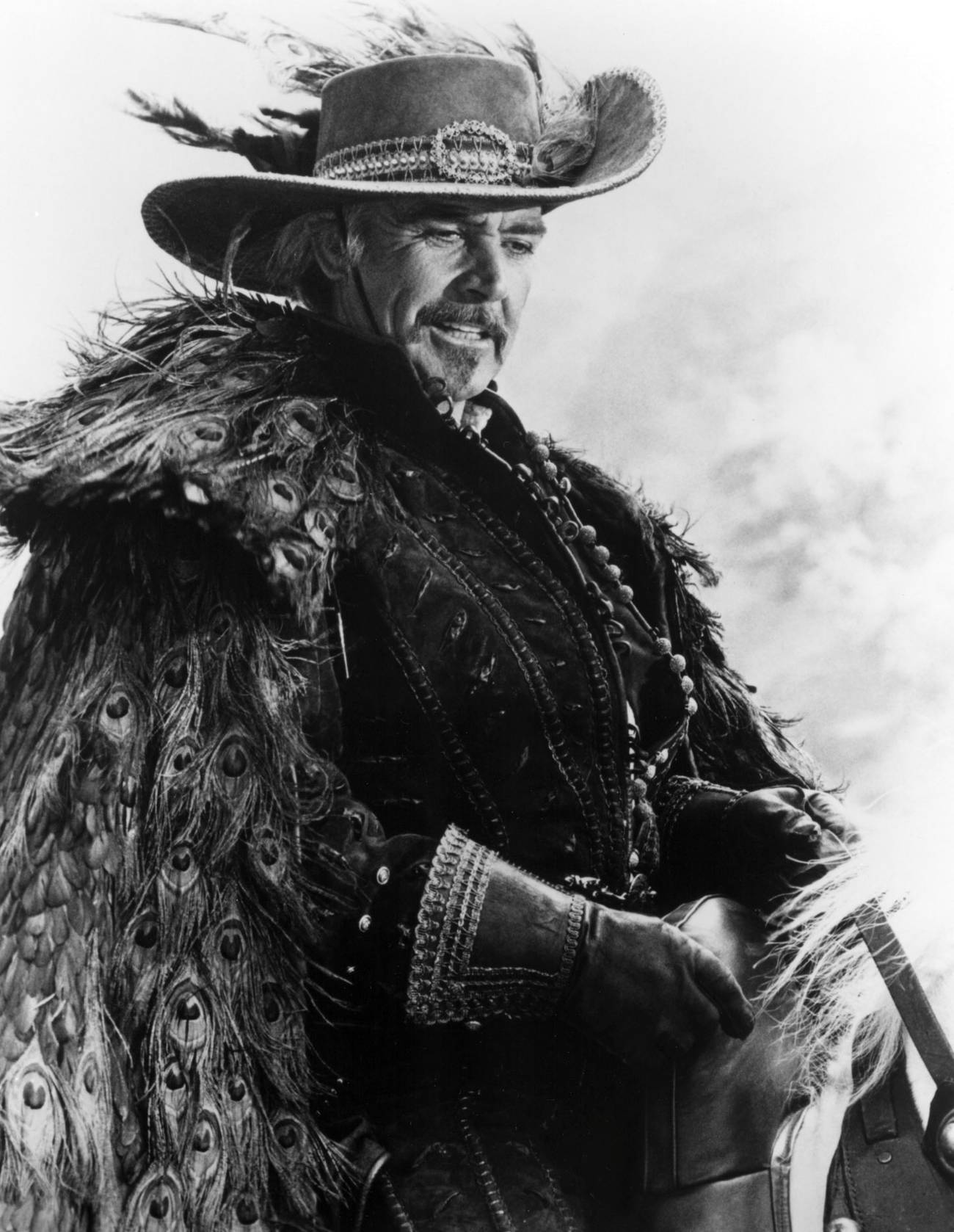
Sean Connery is the only actor who seemed to grasp that the material required a lighter touch. Playing a flamboyant, peacock-feather-clad conquistador, he brings a much-needed charm and wit reminiscent of The Princess Bride. It’s exactly the kind of energy a ridiculous premise like this demands, yet the rest of the film remains stubbornly dull—a trend that seems likely to continue in the upcoming version.
Thus far, the visual teasers released via Henry Cavill’s Instagram portray a similarly brooding atmosphere. One shot depicts him amidst Chinese lanterns, looking battle-worn and lethal, while another finds him in a sanctuary, sword at the ready for a looming confrontation. While judging a film by two stills is admittedly cynical, the fact that Chad Stahelski—the director behind the hyper-serious John Wick series—is at the helm suggests we shouldn’t expect much of Connery’s levity. We’ll likely get masterfully staged violence, but very little soul.
Perhaps I’ll be pleasantly surprised, and the new Highlander will prioritize character growth and mythic depth over mere spectacle. However, I’m not holding my breath. Looking at the prospect of this reboot, one can’t help but ask: Why couldn’t there just be one?
Source: Polygon
Related articles
 Silent Hill 2 Remake Developers Want to Find the Next Hideo Kojima
 AI Agents Used to Build Co-Op Versions of Single-Player Games, Including Fallout: New Vegas and Deus Ex
 Hacker voices38 Returns and Cracks Denuvo in Several SEGA Games
 Angel Series Now Streams Free 27 Years After Its 1999 Debut
 Enthusiast Reports 40% Performance Boost in The Elder Scrolls IV: Oblivion Remastered Using AI
 Outlast Testers Reportedly Ran Out of the Office to Cry and Refused to Return
 Modder Turns Diablo Into a 3D Shooter With Multiplayer and Scalable Interface
 Calvin and Hobbes Halloween Strip Remains Controversial 31 Years After Publication