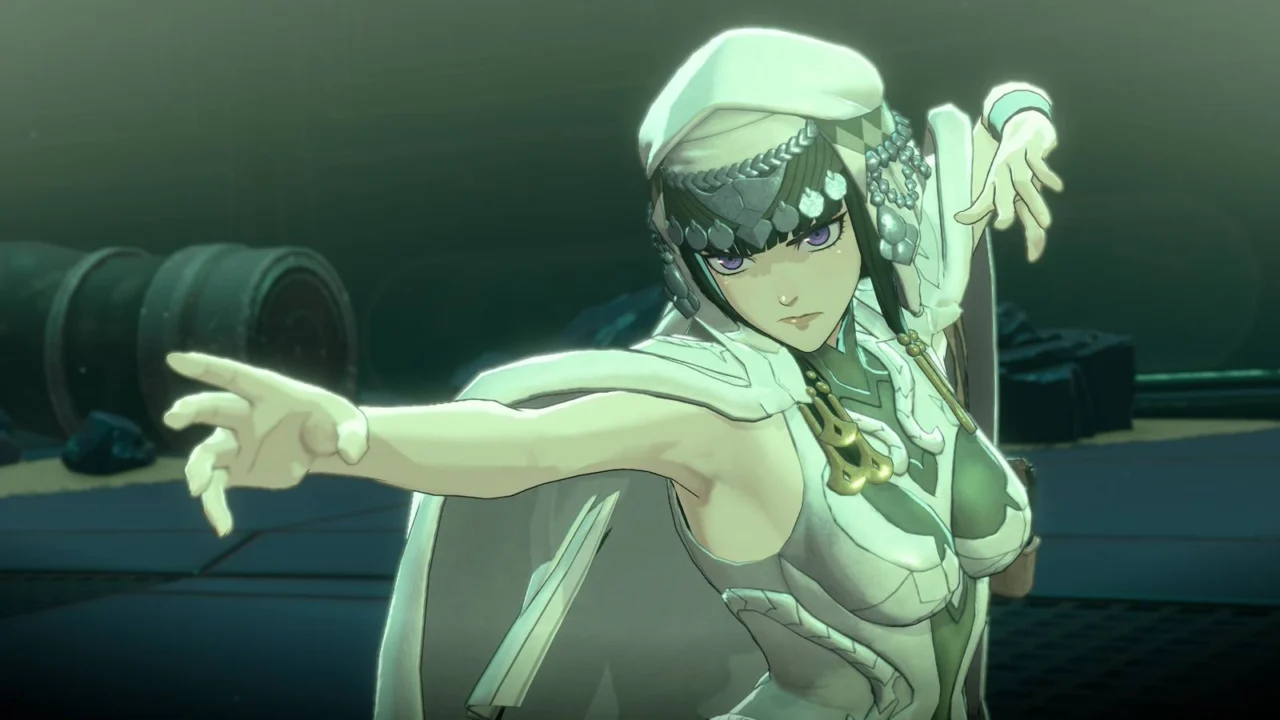
Fire Emblem: Fortune’s Weave Is Full of Subtle Three Houses Easter Eggs
Fire Emblem: Fortune’s Weave functions wonderfully as a standalone experience that newcomers can appreciate without any prior knowledge of Three Houses. However, it is also densely layered with intricate lore and subtle callbacks that bridge the two titles, offering substantial revelations that expand upon the more ambiguous worldbuilding elements of its predecessor. Because Nintendo has largely kept these narrative threads under wraps, many players remain divided on whether Fortune’s Weave serves as a prequel or a sequel. To clear up the confusion, we have outlined the most significant connections below.
Is Fortune’s Weave a prequel or a sequel?
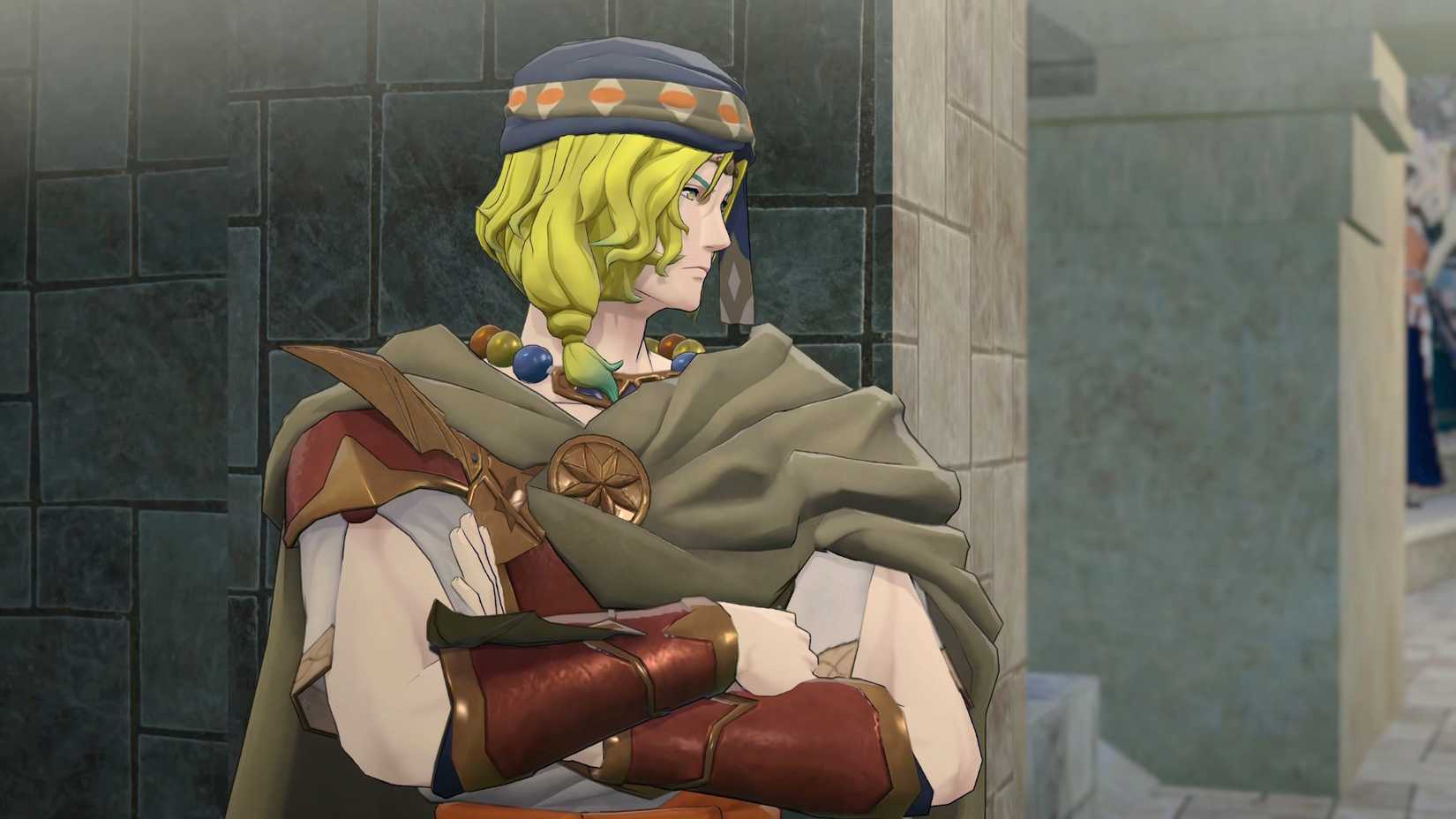 Image: Intelligent Systems/Nintendo via Polygon
It is definitively a prequel. While the precise placement on the timeline is somewhat fluid, in-game contextual clues—such as Dagda’s historical defeat in its war against Brigid and Fabio’s reference to the establishment of the Garreg Mach monastery roughly 250 years prior—imply that Fortune’s Weave unfolds several centuries before the events of Three Houses.
Furthermore, Dietrich refers to Lamine as his great-grandmother. Given that Lamine was among the legendary 10 Elites, it is logical to deduce that Fortune’s Weave takes place a few generations after the devastating War of Heroes. Because that conflict occurred a millennium before Three Houses, accounting for minor discrepancies between Dagdan and Fodlan calendars, you are likely looking at a timeline set approximately 800 years prior to Three Houses.
What’s the deal with Crests and Godmarks?
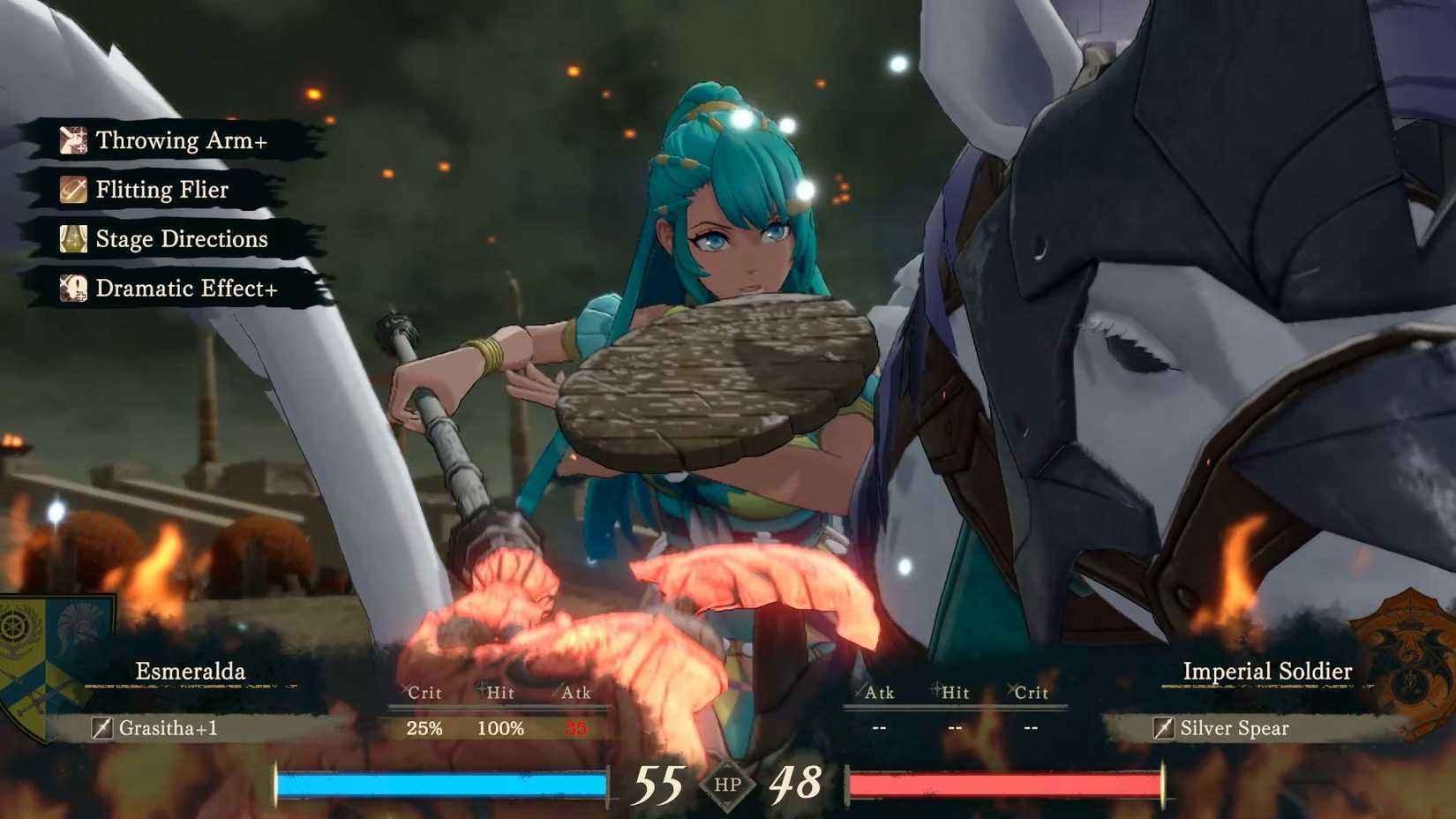 Image: Intelligent Systems/Nintendo via Polygon
While Three Houses implied that Crests were exclusive to Fodlan, that notion proves to be inaccurate. Crests naturally manifest in descendants of the 10 Elites, the Four Saints (such as Seiros), or the Four Apostles—the latter of whom were previously relegated to background lore in Three Houses (with the Apostle Timotheos potentially serving as the founder of Abyss, the underground hub from the Cindered Shadows DLC).
As it turns out, migration across the wider Fire Emblem universe is far more common than initially thought. Crests occasionally surface within specific Dagdan bloodlines, where they are referred to as Godmarks. Unlike in Fodlan, however, these marks do not automatically confer nobility or social standing. In fact, many Dagdans view them with deep suspicion, branding them as “demon marks” and ostracizing those who bear them, much to Esmeralda’s dismay along Dietrich’s route.
In combat terminology, Fortune’s Weave also categorizes these phenomena as diadems. Much like their counterparts in Three Houses, they intermittently trigger during combat to bestow advantageous tactical bonuses. For instance, Dietrich possesses Lamine’s Crest, which restores his health pool upon activation. Similarly, Esmeralda’s Valor diadem shares lineage with the Crest of Blaiddyd—the very same bloodline that pulses through Dimitri’s veins in Three Houses, though Esmeralda exhibits a remarkably higher degree of emotional stability.
Who are the Agarthans?
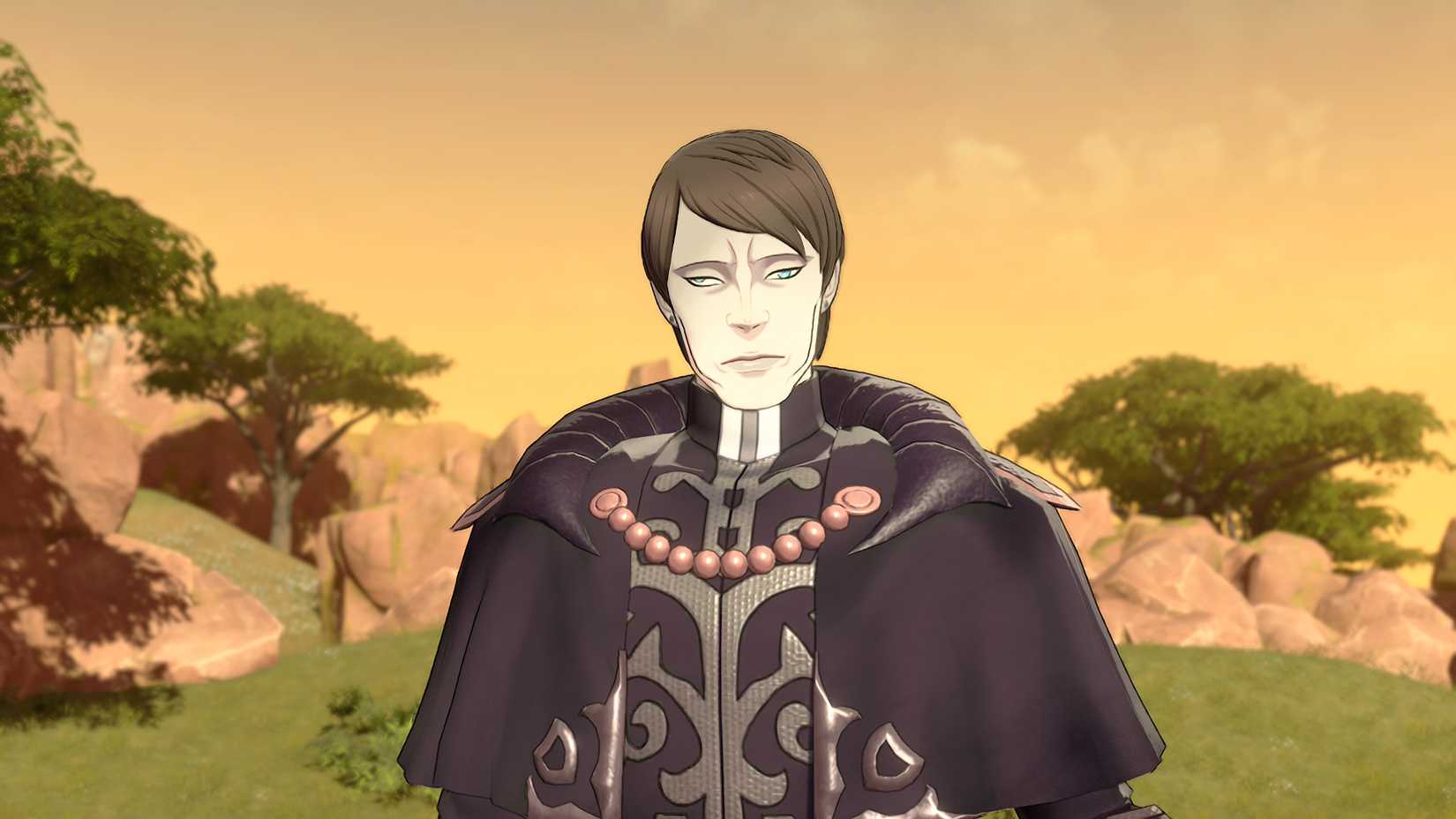 Image: Intelligent Systems/Nintendo via Polygon
Depending on which narrative path you pursued in Three Houses, you might never have encountered the designation “Agarthan.” It is the canonical name for the faction colloquially known in Fodlan as “Those Who Slither In the Dark”—the clandestine masterminds pulling the strings behind much of the region’s modern history. Through Claude’s campaign and the Silver Snow (Church) route, players discover that the Agarthans orchestrated many of the most devastating atrocities inflicted upon the Adrestian Empire and the Holy Kingdom of Faerghus. They engineered insurrections specifically designed to sever Fodlan’s nations from the Church’s influence, exercising a total disregard for morality. Torture, human experimentation, and political assassinations were all acceptable means to an end. This even extended to cloning experiments involving Fodlan’s 10 Elites, culminating in climatic clashes against top Agarthan leadership within their subterranean strongholds.
Ultimately, the Agarthans share a conceptual kinship with the Nabateans (such as Seiros and her kin). Having arrived from an external realm, they observed the Nabateans exerting psychological dominance over humanity and deeply resented the devotion paid to these self-proclaimed deities. Figures like Fabio provided the 10 Elites—whose actual roster exceeded ten members, adjusted for the sake of historical neatness—with Crest-infused weaponry, unleashing them to slaughter the Nabateans in what constitutes the true origin of the War of Heroes. Horrified by the sheer cruelty displayed by humans and desperate to prevent them from devolving into monstrous beasts, the Agarthans chose to retreat underground.

Free sign-up
Get Polygon’s Wishlister newsletter
A weekly cheat sheet to what you’ll eventually love to play. No buying, no commitment — just saving for later.
Free. Unsubscribe anytime.
The Agarthans serve Vritra—an entity Fabio describes metaphorically as a serpent encircling the world, as well as a colossal governing intelligence. Vritra dispatched vessels carrying millions of souls to the shared planet inhabited by Fodlan and Dagda, commanding them to collide directly with a monstrous entity that had surfaced from the core. One captain defied these orders, guiding his followers into isolation. These dissenters became known as the People of the White Egg—despised as traitors within Agarthan society and feared in Dagda, despite remaining genetically Agarthan.
As an interesting aside, the dynamic of subterranean Agarthans at odds with surface-dwelling newcomers like the Nabateans mirrors motifs found in British folklore, which subtly inspired Three Houses. Throughout the U.K. and Ireland, myths frequently speak of ancient civilizations retreating beneath the earth to escape emerging new societies—with Ireland’s Tuatha Dé Danann serving as a prominent example, though those mythical figures notably refrained from serving supercomputers or waging war against deities.
Sothis seems kinda different this time
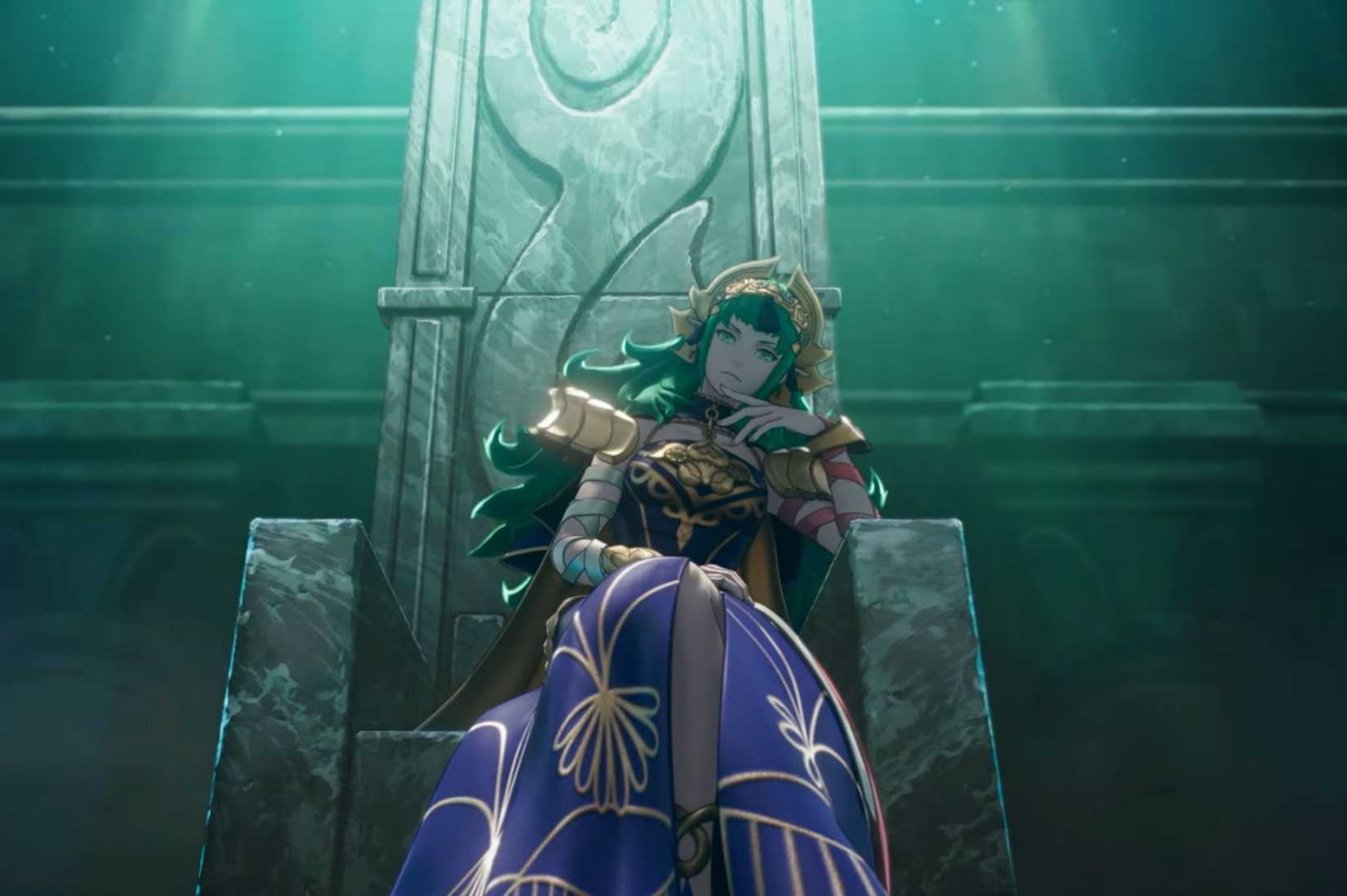 Image: Nintendo
Indeed, Sothis is far more formidable and genuinely intimidating in Fortune’s Weave; Cai’s campaign commences with a jarring vision of her executing an individual with a massive axe. This marked behavioral shift directly correlates with the game’s prequel status. Countless centuries separate the War of Heroes—where divine entities clashed against Nemesis—and the era when Edelgard’s footsteps echo through Garreg Mach Monastery. In Three Houses, Sothis is slumberous, irritable, and amnesiac, functioning primarily as an enigmatic mentor to Byleth.
That amnesia, however, proves fortunate. The Sothis of Fortune’s Weave operates at the absolute zenith of her capabilities. Having previously enacted a catastrophic, world-resetting apocalypse that set human civilization back millennia, she possesses both the power and the inclination to repeat the cycle if pushed. Because her defeat at the hands of Fodlan’s mortals occurred only a few centuries prior, humanity remains firmly on her bad side. Yet she embodies the fickle temperament characteristic of mythological deities: despite the looming threat of global annihilation, she is content to observe passively while her progeny meddle with the world, directly explaining Dagda’s current state of turmoil.
Without delving too heavily into spoilers, Dietrich’s route and Part 3 dive deeper into Sothis’ true nature. A fleeting piece of lore from Three Houses—a brief exposition concerning her extraterrestrial origins—serves as a cornerstone for the overarching plot of Fortune’s Weave, elucidating her identity and explaining how her arrival precipitated the conflicts that continue to destabilize the realm.
Related articles
 Model Shares Marvel’s Mystique Cosplay
 Star Wars Jedi 3 Slated for 2027 Release With Potential Reveal Before The Game Awards
 GTA 6 Developers Researched Florida Strip Clubs and Beaches Years Ahead of Release
 Pokémon to Surprise Fans With TCG’s First Valentine’s Day Set
 Free Demo for New Castlevania Game Belmont’s Curse Now Available
 JoyToy Announces New Warcraft Action Figure Line
 Pokémon’s 30th Anniversary TCG Is Getting A Massive New Release, But There’s A Catch
 CDPR Releases First Patch for The Witcher 3 Remaster to Align Console Version with PC