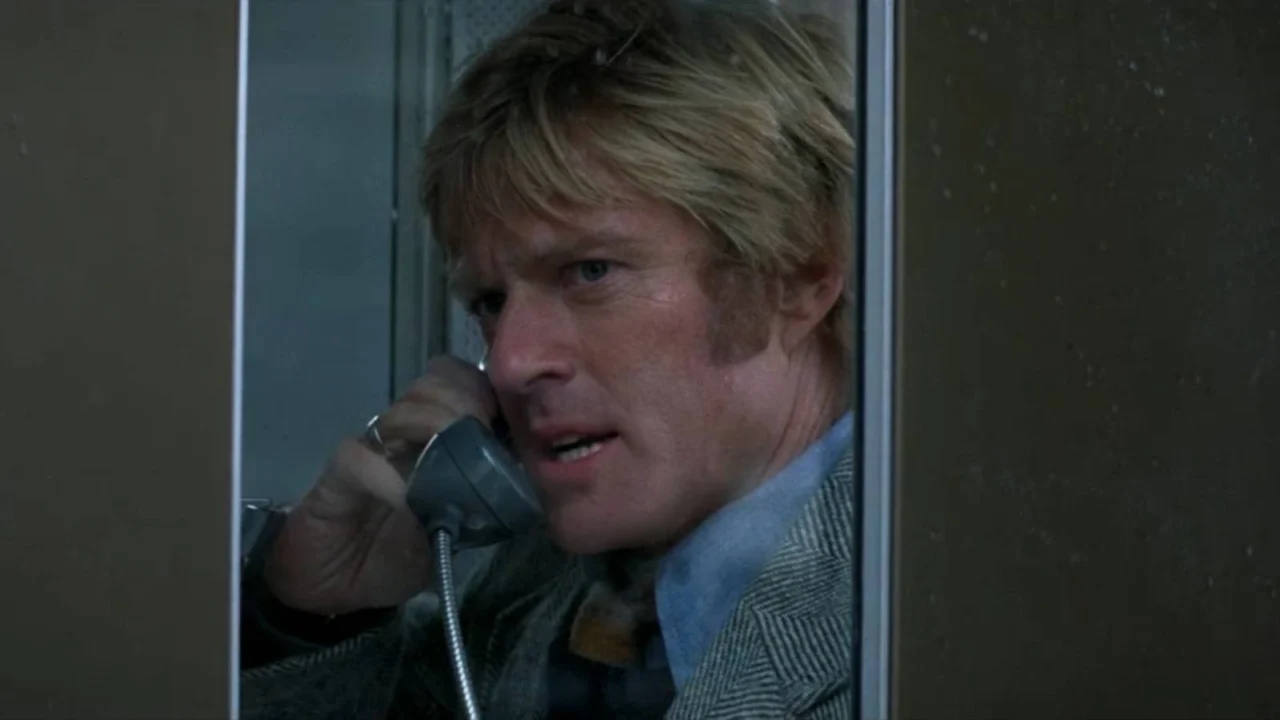
Fifty Years Ago, Robert Redford Starred in the Definitive Spy Thriller
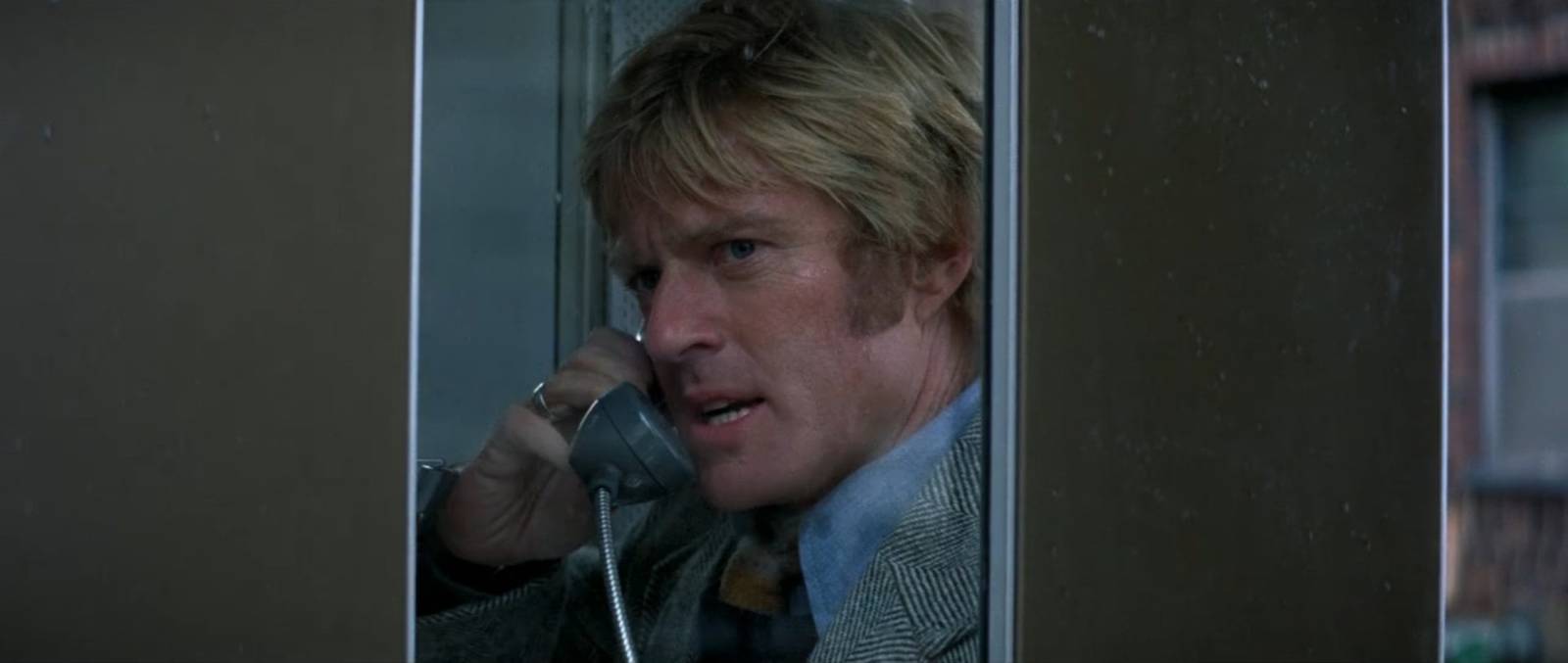
Robert Redford’s cameo in Captain America: The Winter Soldier is often pointed to as a wink to the paranoid thrillers of the 1970s, but that casting choice alone doesn’t by itself prove the Marvel film’s pedigree. It’s delightful to see Redford bring his composed, unshowy presence to the MCU, yet his appearance functions more as an evocative touch than a definitive genre credential. Still, that shorthand stems largely from one film above all: Three Days of the Condor — arguably Redford’s most archetypal contribution to the paranoid-espionage cycle of the era.
While All the President’s Men shares thematic ground with movies like The Parallax View and Marathon Man, it reads more as an investigative procedural than a full-bore thriller. Likewise, later pictures such as Sneakers echo those ’70s tones without fully inhabiting them, often using Redford as a symbol of a certain refined, old-school screen persona. Many of his other seventies roles leaned toward caper or comedy — think The Hot Rock or The Sting — which leaves 1975’s Condor as his central entry in that specific strain of American paranoia.
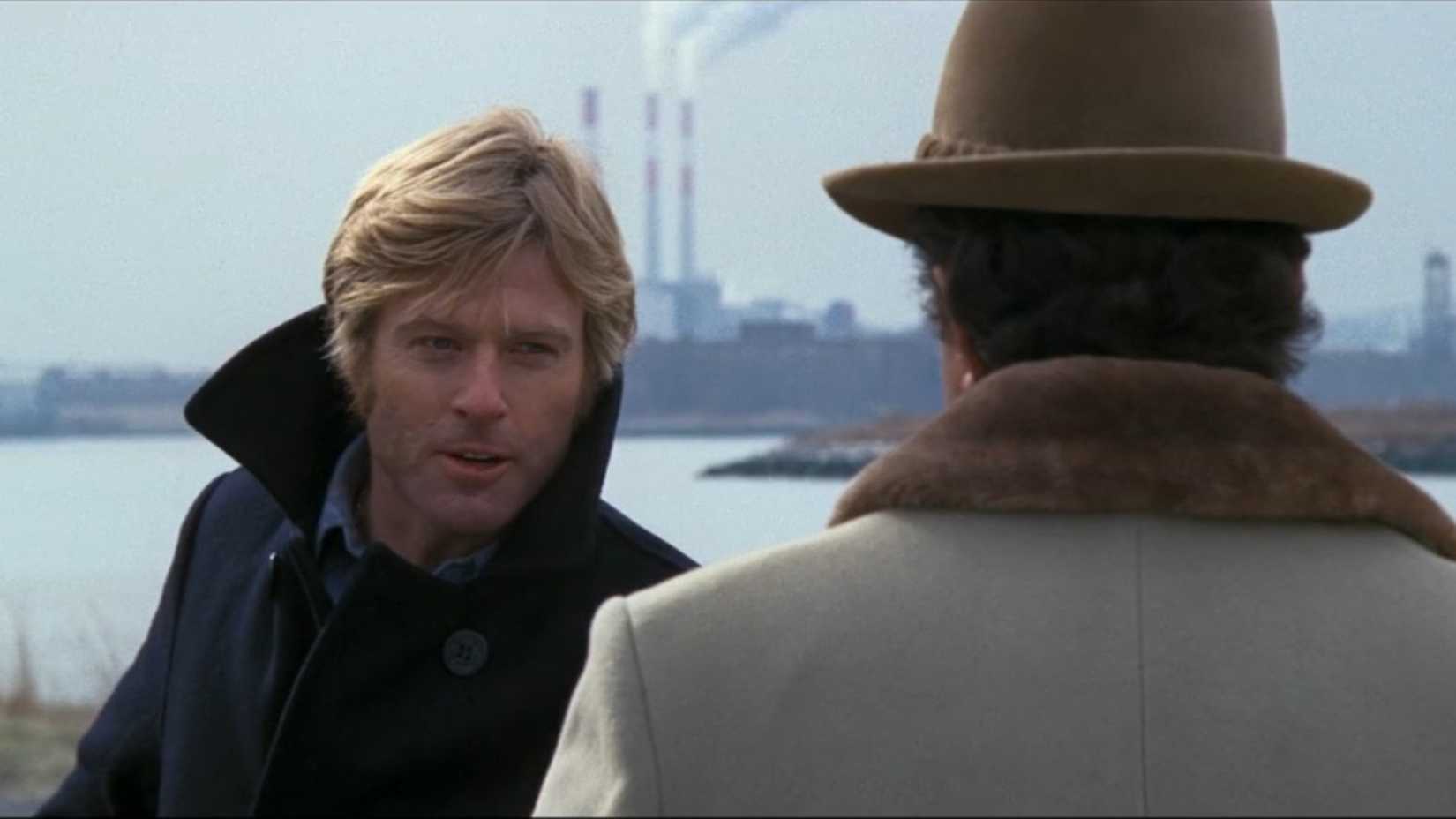
Early in the film the cozy façade of the New York office where Joe Turner (Redford) works — disguised as the American Literary Historical Society — is detonated. The small, cerebral staff, whose job is to comb print sources and sift for coded messages, are suddenly wiped out by assassins, leaving Joe the lone survivor only because he habitually slips out through an unmonitored back exit. When he discovers the slaughter, he dutifully follows protocol but grows increasingly wary as the CIA fails to bring him in. Is he the target of an internal probe? A scapegoat? Or did one of his recent analyses set something in motion? The plot, adapted from the novel Six Days of the Condor, compresses time and then steadily complicates the situation — yet what keeps the film alive is the time the camera allows Redford to spend thinking his way through danger in real time.
Redford’s screen persona — handsome, deliberately restrained, and quietly intelligent — makes him less the impulsive hothead than the actor who conveys thoughtfulness through small gestures and economical speech. Even when Joe is outmatched by events, Redford cultivates a sense that the character is methodically trying to outthink his circumstances rather than merely reacting to them.
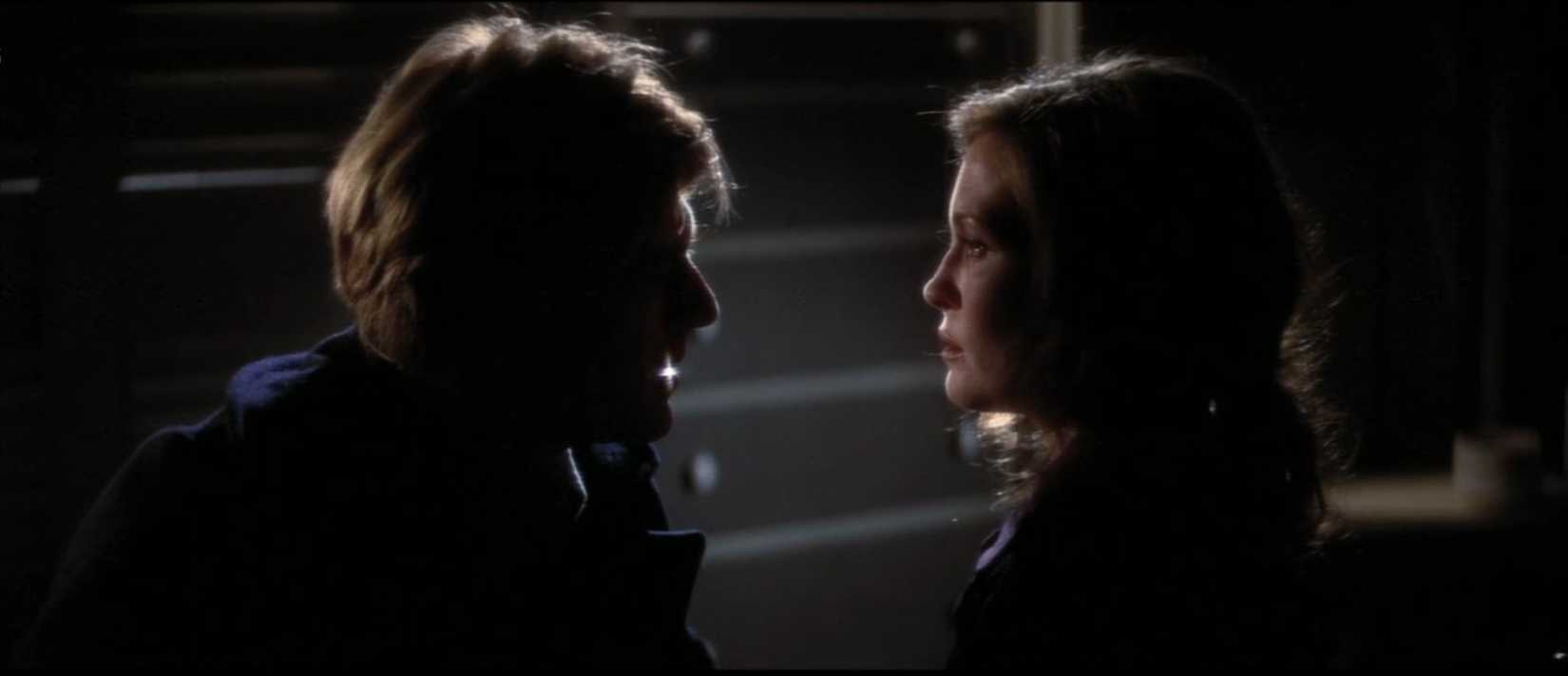
One of the film’s more implausible turns is Joe’s decision to abduct Kathy Hale (Faye Dunaway) — a stranger who suddenly becomes his reluctant ally after a fraught, violent introduction. The screenplay asks viewers to accept a rapid shift from coercion to intimacy, and later films (and later cultural conversations about cinematic chemistry) have treated that dynamic as a problematic but narratively useful device. Still, Dunaway and Redford generate unexpected tenderness in their scenes together, making the relationship feel emotionally real even when the logic of how it begins is thin.
Director Sydney Pollack resists relying exclusively on shadowy noir conventions to cultivate unease. Menacing figures turn up in daylight, disguised as ordinary citizens or acquaintances, and Pollack sets much of the action during the holiday season, which injects a dissonant cheer — jingles and decorations creep through several sequences even though New York itself remains unsnowy and matter-of-fact. The film’s craftsmanship is unobtrusive yet polished — an approach reflected by its Oscar nomination for editing — and it complements Joe Turner’s pragmatic, unostentatious character.
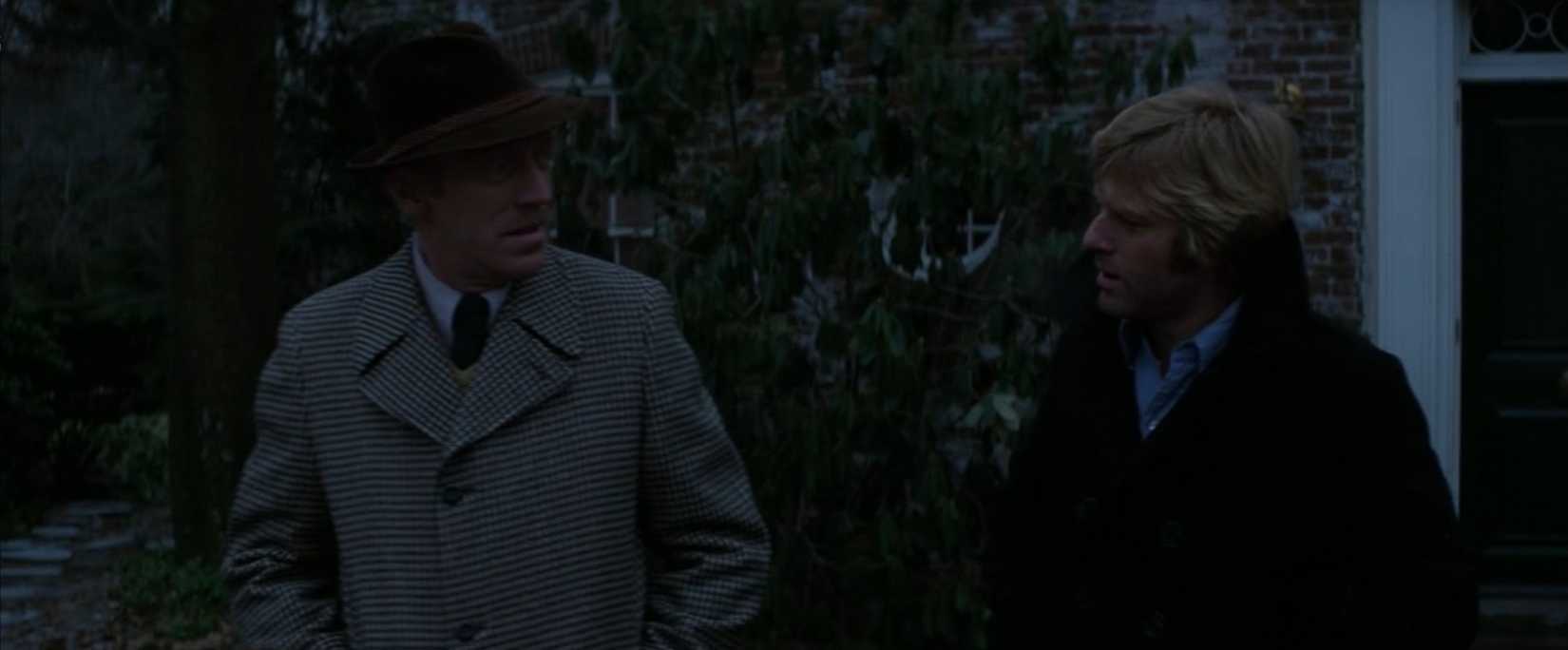
For all its influence, Three Days of the Condor renders a more moderate brand of paranoia than some of its peers. Rather than mounting a full-throated indictment of intelligence agencies, it probes how conspiratorial impulses can penetrate institutional routines. The most striking antagonist is the freelance killer Joubert (Max Von Sydow), who embodies a chilling professional detachment: loyalty to craft rather than to nation or ideology. When Joubert rationalizes his work — “The belief is in your own precision” — the line is meant to unsettle; it also crystallizes the film’s central tension, the draw of a cold, efficient logic that operates outside ordinary moral frameworks. The movie may not be as philosophically bleak as The Conversation or as overtly nihilistic as The Parallax View, but its commitment to discipline and precision gives it a distinct, persuasive energy.
Availability: Three Days of the Condor is available to stream on MGM+.
Source: Polygon
Related articles
 Danny Boyle used artificial intelligence in his new film “Inks”
 Gary Oldman Reveals the Name of the New Bond
 Summer 2026 Becomes the Highest-Grossing Season in U.S. Box Office History
 Shadow Movie Screenings in Russia Face Shutdown
 Dance drama “The Art of Falling” to premiere on Okko in September
 Lilly Wachowski disavows involvement in the new “Matrix” film
 Kane Parsons to Return to The Backrooms
 First Emmy Award Winners Announced