Dungeons & Dragons Rewrites Game Rules for New World of Warcraft Book
The upcoming Dungeons & Dragons sourcebook represents a bold pivot for the franchise, officially integrating Magic: The Gathering’s lucrative yet heavily debated Universes Beyond framework. Dungeons & Dragons: World of Warcraft aims to captivate longtime veterans of the 2004 MMORPG while offering tabletop enthusiasts a lore-rich universe that rivals iconic settings like Eberron and Dragonlance. Beyond broadening the demographic for both franchises, this ambitious crossover acts as a living laboratory for testing evolutions within the core mechanics of D&D 5.5 Edition.
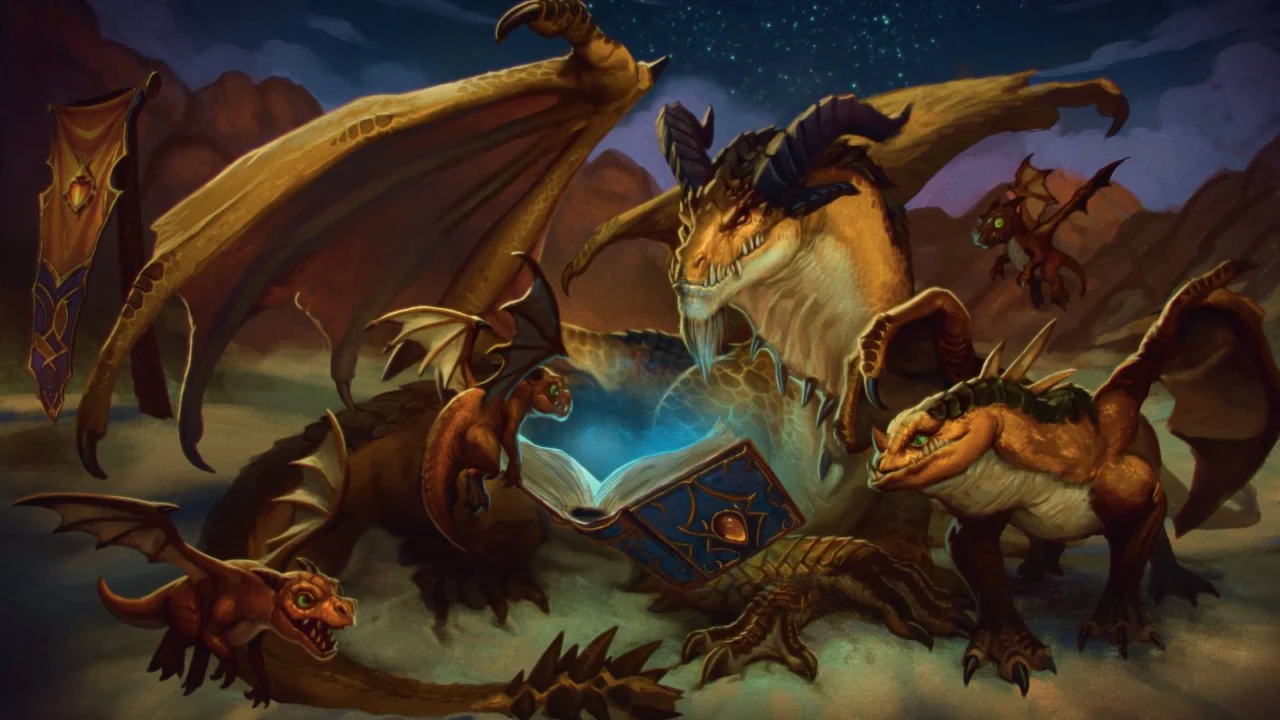
In World of Warcraft, top-tier equipment is earned by conquering intricate dungeons and raids, where groups ranging from five to forty adventurers face formidable boss encounters. These adversaries dynamically shift their tactics mid-battle, deploying fresh abilities and summoning reinforcements that force raiding parties to adapt on the fly. During a recent virtual roundtable, senior game designer Joey Haeck explained that the upcoming D&D adaptation channels this exact energy, expanding upon concepts first established in 2020’s Mythic Odysseys of Theros. When mythic foes are pushed to zero hit points, they instantly regenerate vitality and introduce entirely new phases to the combat loop.
“We have mythic creatures as low as CR 4 for the lowest-level characters, and we have some higher-level mythics that will refresh more than once and give you new stuff to deal with over the course of a pretty protracted boss fight,” Haeck noted.
 Image: Wizards of the Coast
D&D: World of Warcraft features comprehensive guides for directing players through introductory excursions like The Deadmines, all the way to the climactic showdown against the Lich King inside Icecrown Citadel, which serves as a companion digital adventure. The cartography is deliberately less linear than its digital counterpart, loaded with atmospheric narrative hooks—such as aggressive monsters moving into cleared spaces if a party lingers too long to rest. However, extensive playtesting confirmed that intricate boss mechanics had to remain the beating heart of the publication.
“I think our boss design in this book and in Icecrown Citadel is really sort of pushing the frontiers of our monster design in new and interesting ways,” principal game designer James Wyatt stated. “I’m looking forward to continuing to push that design forward in D&D more broadly.”
More fun, less math
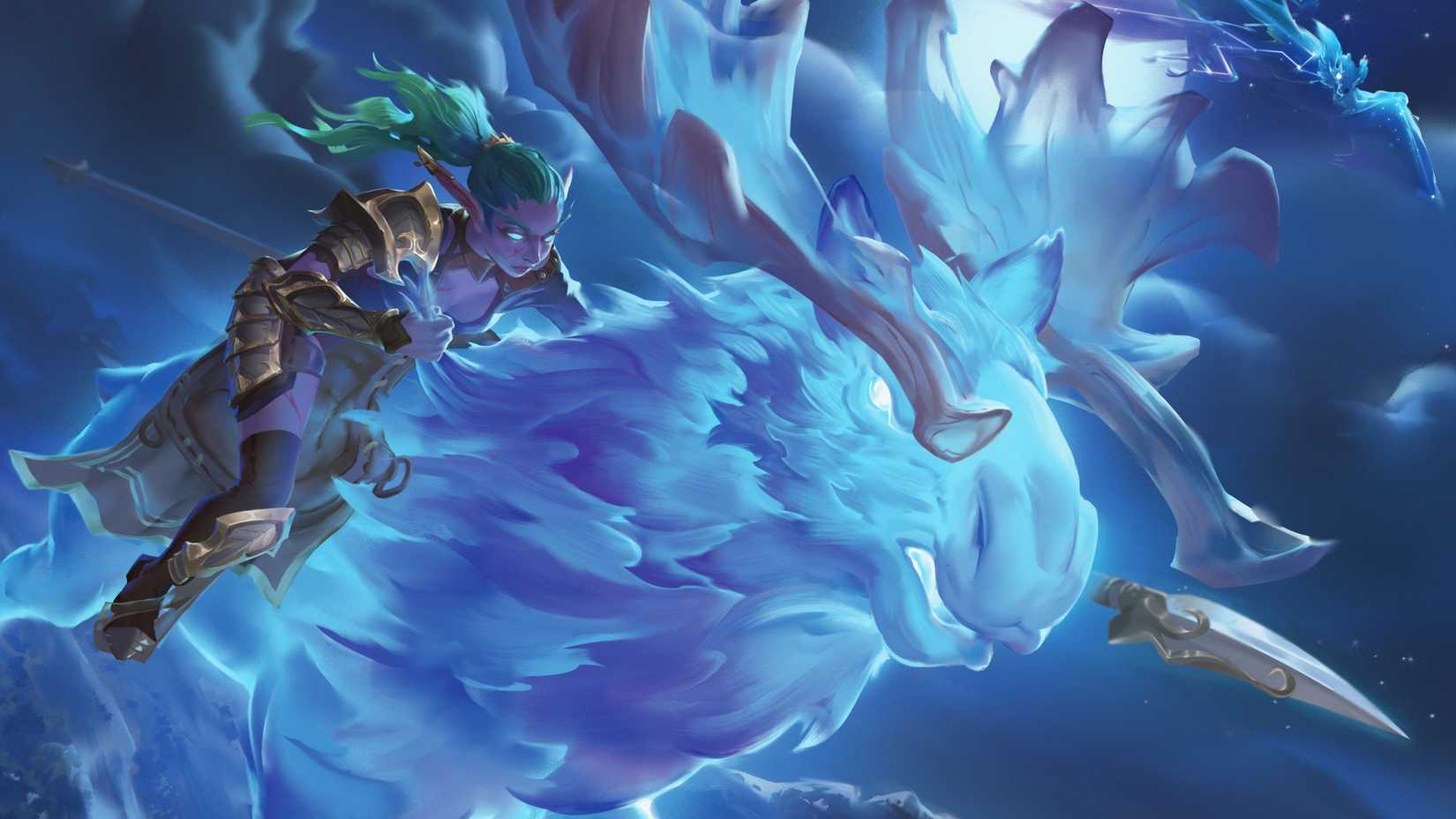 Image: Wizards of the Coast
Traditional WoW encounters frequently rely heavily on strict timers and complex arithmetic. For instance, players battling the frost mage Lady Jaina Proudmoore must monitor stacks of her Chilling Touch debuff to avoid freezing solid and shattering before allies can intervene. Translating this to the tabletop required the creative team to invent flavorful, intuitive alternatives. Jaina is now equipped to freeze a single character in place and utilize that frozen target as the focal point for a massive area-of-effect blast. While neutralizing this hazard remains critical in both mediums, the D&D adaptation permits players to counter the status affliction using fire damage rather than relying strictly on restorative magic.
Maneuvering out of harm’s way is another fundamental pillar of MMORPG combat, and senior game designer Ben Petrisor confirmed that D&D: World of Warcraft preserves this tactical urgency. The Lich King, for example, can afflict characters with a curse that triggers a damaging shockwave at the end of their subsequent turn, compelling nearby allies to scramble out of the blast radius.
“WoW is in real-time and it doesn’t always translate to a turn-based RPG, but I think we did a really good job of transferring the essence of those mechanics and design into their stat blocks and the overall gameplay,” he explained.
 Image: Wizards of the Coast
Alongside intricate adversaries, D&D: World of Warcraft introduces nine unique subclasses and upwards of 40 specialized options designed to emulate iconic character builds. Many fit seamlessly within current rule frameworks—such as granting Clerics access to the Shadow Domain to replicate a Shadow Priest. However, the designers also pursued bolder structural shifts, notably the Oath of the Ebon Blade Paladin. This option transitions a holy crusader into a Death Knight by swapping out core features like Divine Smite and Lay on Hands entirely. Wyatt expressed enthusiasm for continuing this experimental approach to subclass design in future sourcebooks.
Ultimately, the creators stress that the project prioritizes immersive exploration of a beloved fantasy universe rather than arbitrarily forcing D&D to mimic a video game. Adventurers won’t find themselves grinding for randomized loot or managing monster respawns, nor can they instantly recover health and spell slots simply by grabbing a quick snack. Nevertheless, this crossover illustrates how the development team is reimagining strategic depth, signaling that players can expect more transformative subclasses and elaborate encounter design to migrate from Azeroth into core D&D settings.
Dungeons & Dragons: World of Warcraft will be released on Nov. 17.
Related articles
 Tomb Raider: Legacy of Atlantis to Offer Unusual Difficulty Customization
 Sega Shows New Virtua Fighter Crossroads Fighter with Possible Classic Character Connection
 How to Unlock the Crimson Manor in Phantom Blade Zero
 Actor’s Social Media Post Sparks Speculation About New Mafia Game or The Old Country DLC
 First Teaser Released for Death Stranding Anime Adaptation
 Animal Crossing’s Biggest Competitor Officially Launches in December
 Crimson Desert: Patch Notes Version 2.04.02
 PlayStation Store to Implement AI-Driven Individual Pricing